Quick answer
Choose a 3-stop (ND8) filter for everyday landscape balancing, a 6-stop (ND64) for motion blur in waterfalls or clouds, and a 10-stop (ND1000) for ultra-long exposures. For video, a 3-stop is often enough to achieve a wide aperture in bright light.
Understanding ND Filter Stops
ND filters reduce light entering the lens, measured in stops. Each stop halves the light. A 3-stop ND8 filter reduces light by 8 times, a 6-stop ND64 by 64 times, and a 10-stop ND1000 by 1000 times. The number after 'ND' indicates the light reduction factor.
The right strength depends on your goal: subtle motion blur, deep blur, or balancing exposure between sky and foreground. Stronger filters introduce longer exposure times and may require a tripod and remote shutter.
When to Use Graduated ND Filters
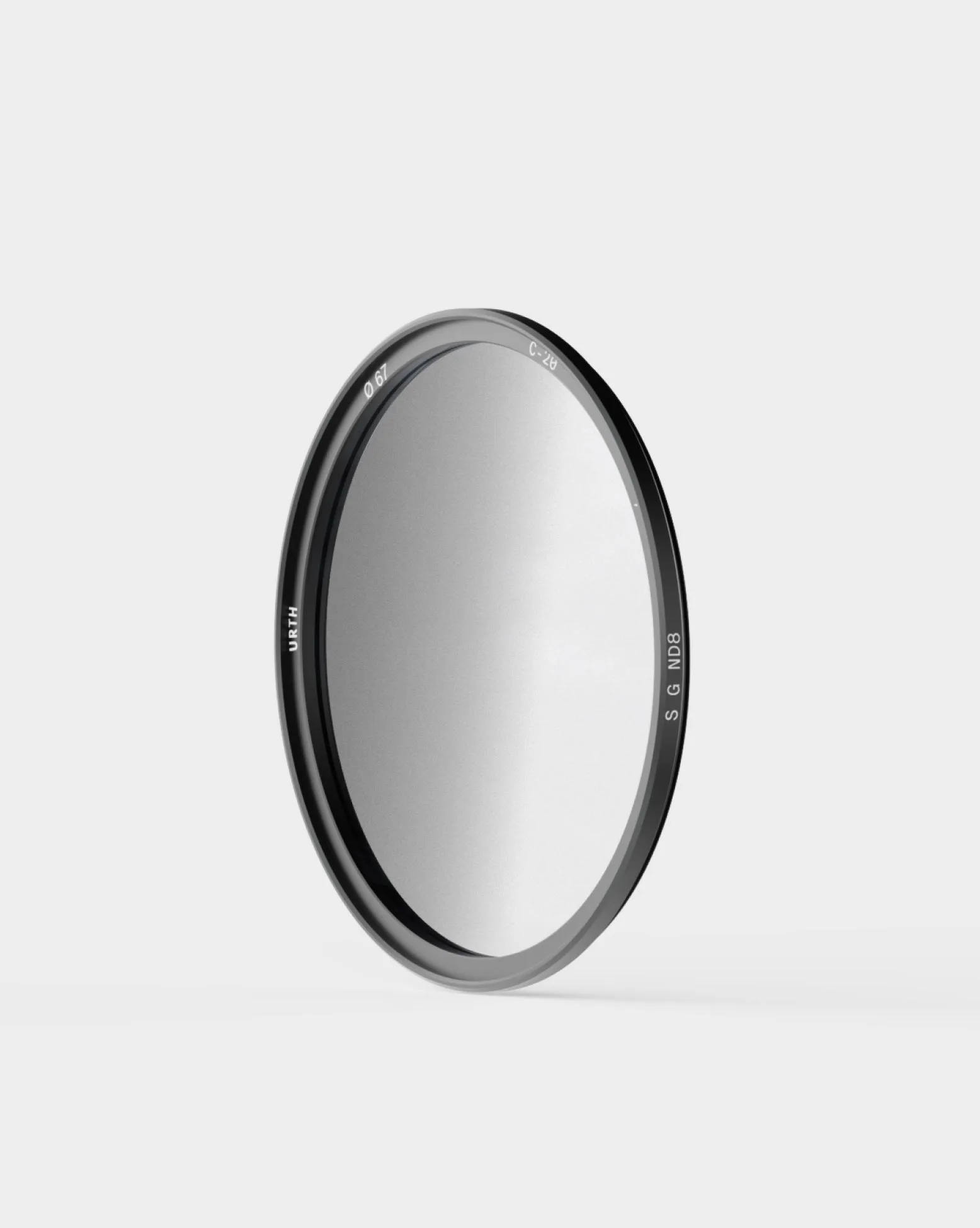
Graduated ND (GND) filters have a transition from dark to clear, ideal for scenes with a bright sky and darker foreground. A soft-edge GND like the 3-stop version helps balance exposure without affecting the entire frame.
For landscape photographers, a 3-stop soft GND is a versatile starting point. It works well for sunsets, sunrises, and any high-contrast scene where you want to retain detail in both highlights and shadows.
ND Filters for Video
Videographers often use ND filters to maintain a wide aperture in bright conditions, achieving shallow depth of field and proper shutter speed. A 3-stop ND is usually sufficient for most daylight video work.
Variable ND filters offer flexibility, but fixed-strength filters provide consistent color and sharpness. For cinematic footage, a 3-stop or 6-stop fixed ND is reliable.
Decision rules for choosing ND filter strength
- 3-stop (ND8) – Everyday balance: Use for balancing sky and foreground, slight motion blur in water, or opening aperture in bright light. Works handheld in many situations. Best all-rounder for landscape and video.
- 6-stop (ND64) – Moderate motion blur: Ideal for blurring waterfalls, clouds, or crowds. Requires a tripod for sharp results. Exposure times range from seconds to a minute. Great for creative long exposures without extreme wait times.
- 10-stop (ND1000) – Extreme long exposures: Produces silky water, streaky clouds, and ghostly effects. Exposure times of minutes. Requires tripod, remote shutter, and careful composition. For dramatic, surreal effects. Not for handheld or fast shooting.
Product facts
- Magnetic Soft Graduated ND8 Filter Plus: The Urth Magnetic Soft Graduated ND8 Plus balances bright skies and darker foregrounds with a smooth gradient transition for natural, true-to-life landscapes. Its fast magnetic mount enables quick, precise adjustments, while premium German SCHOTT glass and CoraNano™ coating ensure flawless clarity and colour accuracy in every frame. This 3-stop graduated ND is ideal for landscape photographers who need to balance exposure without carrying multiple filters. The magnetic mount speeds up setup in changing light.
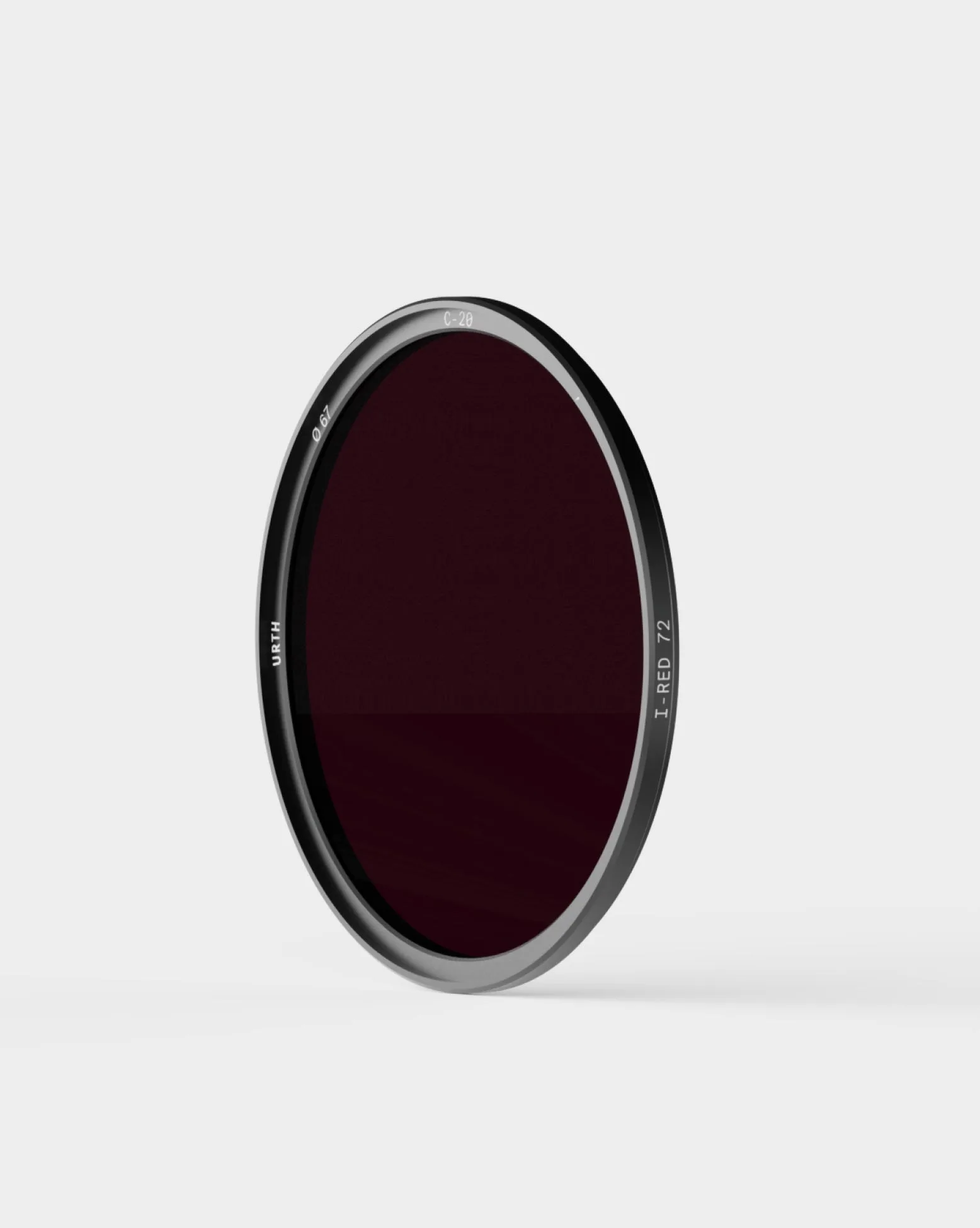
- Magnetic Infrared 720 Filter Plus: The Urth Magnetic Infrared 720 Plus opens a window into the invisible, transforming landscapes into dreamlike scenes of light and contrast — with the speed and ease of our magnetic mount system. By blocking visible light below 720 nm, it captures infrared wavelengths that turn foliage white and skies deep black, revealing a world unseen. For photographers seeking surreal IR effects, this filter blocks visible light and passes only infrared, creating unique white foliage and dark skies. It's a specialty filter for creative projects, not general ND use.
Which ND filter strength fits you?
Best for
- Landscape photographers who shoot sunsets, sunrises, or high-contrast scenes – a 3-stop graduated ND like the Magnetic Soft Graduated ND8 Plus is a versatile starting point.
- Creative photographers wanting surreal IR effects – the Magnetic Infrared 720 Plus offers a unique look not possible with standard ND filters.
Not for
- Videographers needing variable control – consider a variable ND instead of fixed-strength filters.
- Photographers who shoot handheld in low light – strong ND filters require long exposures and a tripod.