Quick answer
For most bag making, keep two needles on hand: a universal or sharp needle in size 90/14 for cotton canvas and quilting-weight fabrics, and a leather needle in size 90/14 or 100/16 for faux leather, vinyl, and heavy zipper tape. Size up one step when you sew over thick seams or zipper coils. Replace the needle every 6–8 hours of sewing, or immediately after a skipped stitch.
Bag making puts more stress on a needle than garment sewing. You sew through multiple layers of canvas, interfacing, zipper tape, and sometimes faux leather or vinyl — all in one seam. The wrong needle bends, skips, or punches oversized holes that weaken the fabric.
The good news: you do not need a drawer full of needles. A small set of sizes and two or three point types covers almost every bag you will make. This guide gives you the exact sizes and types to buy, plus the trade-offs so you can decide quickly.
Match the needle point to the material
Point type matters more than brand. Universal and sharp needles have a tapered point that pushes between woven threads, which is ideal for cotton canvas, quilting cotton, and corduroy. Leather needles have a wedge-shaped point that cuts a clean slit through non-woven materials like faux leather and vinyl, so the hole does not tear or stretch.
For zipper tape, a universal or sharp needle in the correct size works because the teeth are nylon and the tape is woven. If you sew over the coil itself, size up one step and sew slowly. A leather needle here can cut the tape and weaken the seam, so save it for the faux leather panels, not the zipper.
- Woven fabrics: universal or sharp needle.
- Faux leather, vinyl, cork: leather needle.
- Stretch fabrics or elastic: ballpoint or stretch needle.
Pick the size by fabric weight and layer count
Size numbers refer to the needle shaft diameter in hundredths of a millimeter. A 90/14 is 0.90 mm; a 100/16 is 1.00 mm. Larger numbers mean a stronger needle that can handle thicker fabric without bending, but they also leave a bigger hole. For most bag making, 80/12 through 100/16 covers everything.
Use 80/12 for quilting cotton and lightweight canvas, 90/14 for medium canvas and standard bag seams, and 100/16 for heavy canvas, multiple layers, or sewing over thick intersections. If your machine skips stitches or the needle deflects, go up one size before you change anything else.
- 80/12: quilting cotton, lightweight canvas, small pouches.
- 90/14: medium canvas, faux leather, most bag seams.
- 100/16: heavy canvas, thick seams, multiple layers.
When to size up — and when not to
Size up when you sew over a bulky intersection, such as a bag bottom where side seams meet, or when you attach a zipper through faux leather and canvas. A larger needle punches through without bending, which keeps your stitch length consistent.
Do not size up just because you can. Too large a needle leaves visible holes in faux leather and vinyl, and those holes do not close. For delicate fabrics or visible topstitching, use the smallest needle that sews the seam without skipping. Test on a scrap of the same layered stack before you commit.
- Size up for thick seams and multiple layers.
- Stay small for visible topstitching and delicate fabrics.
- Always test on a scrap stack that matches your project.
Needle care and replacement
A dull needle causes more problems than the wrong size. It can skip stitches, pull fabric, and make a popping sound as it pierces. Replace your needle after every 6–8 hours of sewing, or sooner if you hit a pin or sew through adhesive-backed stabilizer.
Keep a small container for used needles so you do not mix them with new ones. If you sew faux leather often, change the needle at the start of each project because the wedge point dulls faster than a universal point. A fresh needle is the cheapest upgrade to stitch quality.
- Replace every 6–8 hours of sewing.
- Change immediately after a skipped stitch or bent needle.
- Label or separate used needles to avoid mixing.
Decision rules for buying bag-making needles
- Start with a two-needle kit: Buy a pack of universal needles in 80/12 and 90/14, plus a pack of leather needles in 90/14 and 100/16. That covers canvas, faux leather, vinyl, and zipper tape for most bags. Add a 100/16 universal only if you regularly sew heavy canvas or thick seams.
- Match point type to fabric structure: Woven fabrics get universal or sharp needles; non-wovens like faux leather and vinyl get leather needles. Do not use a leather needle on woven fabric because it cuts threads instead of separating them. If you are unsure, test both on a scrap and look for tearing or skipped stitches.
- Size up for layers, not for speed: Go up one size when sewing through multiple layers or thick intersections. Stay at the smallest size that sews the seam cleanly to avoid oversized holes in faux leather. A skipped stitch usually means go up one size, not sew faster.
- Replace before problems start: Change the needle every 6–8 hours of sewing and at the start of any faux leather or vinyl project. A dull wedge point drags and tears; a dull universal point skips. Keep a needle disposal jar at your machine so you never re-use a dull needle.
Products that pair with these needles
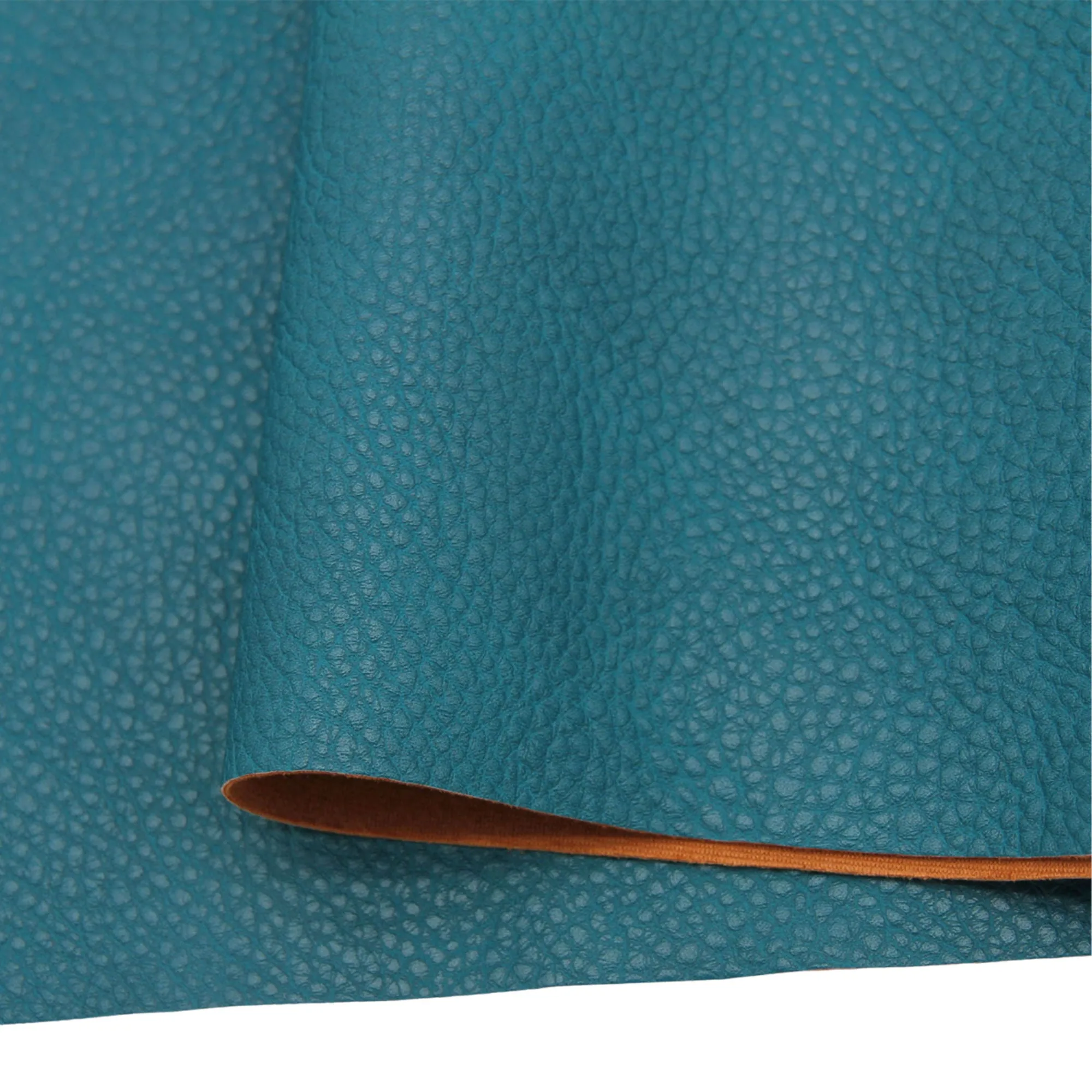
- Peacock - Pebble Faux Leather: Made from PU with a fleece backing, approximately 1.2 mm thick, pliable, and moisture-resistant. Use a leather needle in size 90/14 or 100/16 so the wedge point cuts cleanly through the PU without tearing, and avoid sizing up more than necessary to keep holes small.
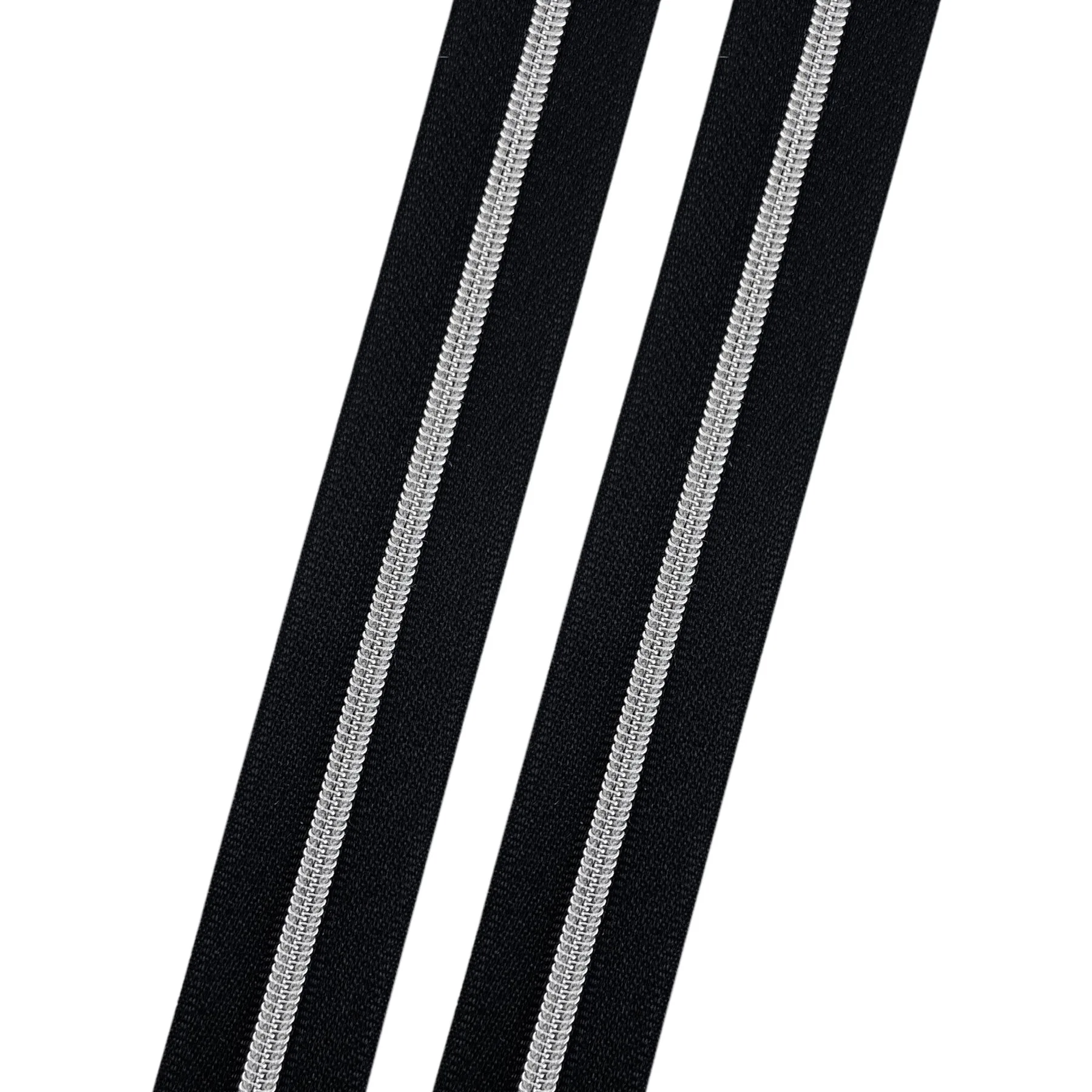
- Black - #3 Silver Nylon Coil Zipper Tape: Size #3 nylon coil zipper tape with teeth that look like metal but are nylon; you can cut it to length and sew over it without breaking needles. A universal or sharp needle in 80/12 or 90/14 handles this tape well; if you sew over the coil, size up one step and slow down.
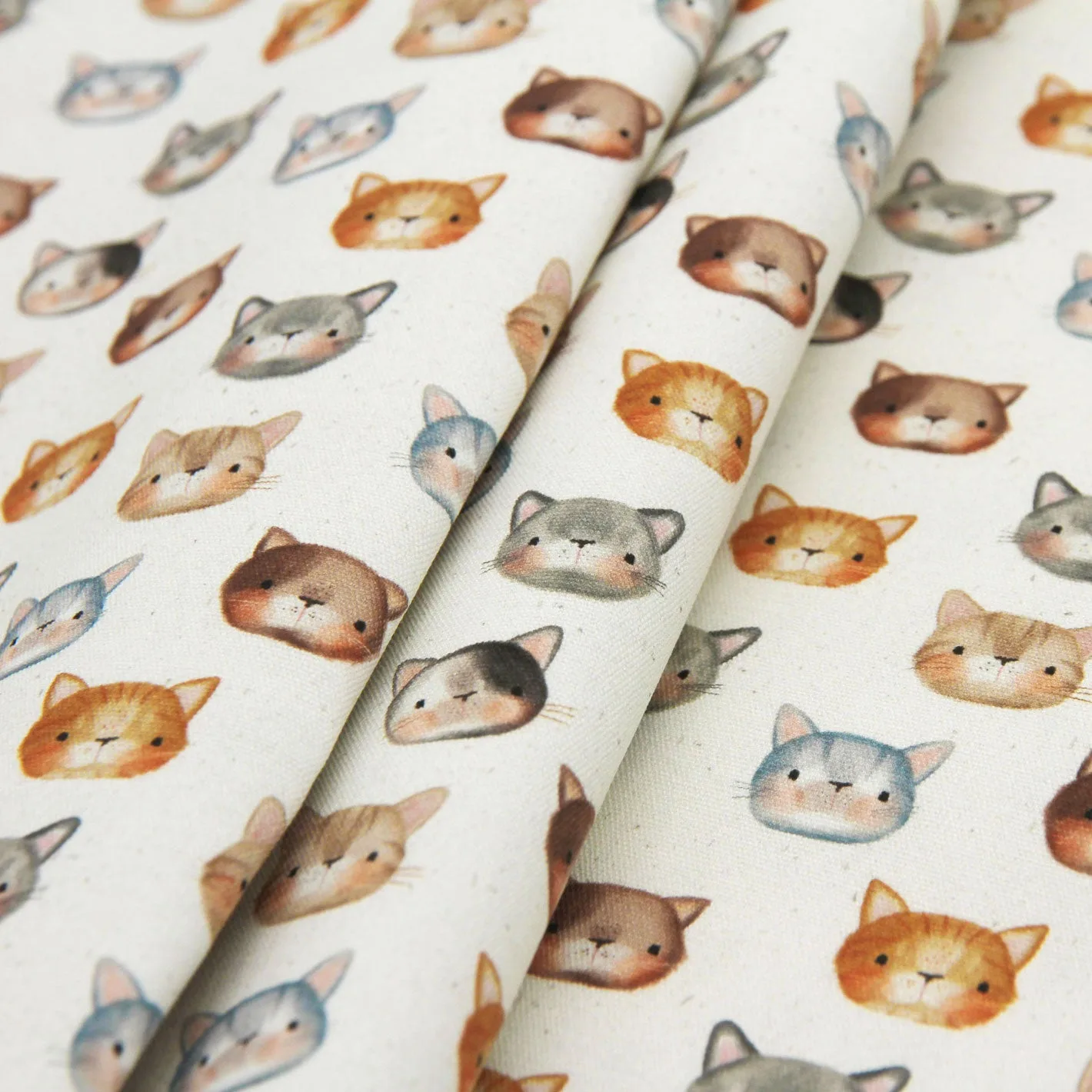
- Purrfectly Adorable - Water Resistant Cotton Canvas: Water-resistant cotton canvas with a soft hand and natural weave, not stiff or plastic-like. A sharp or universal needle in 90/14 sews this canvas cleanly; the coating is not tough enough to require a leather needle.
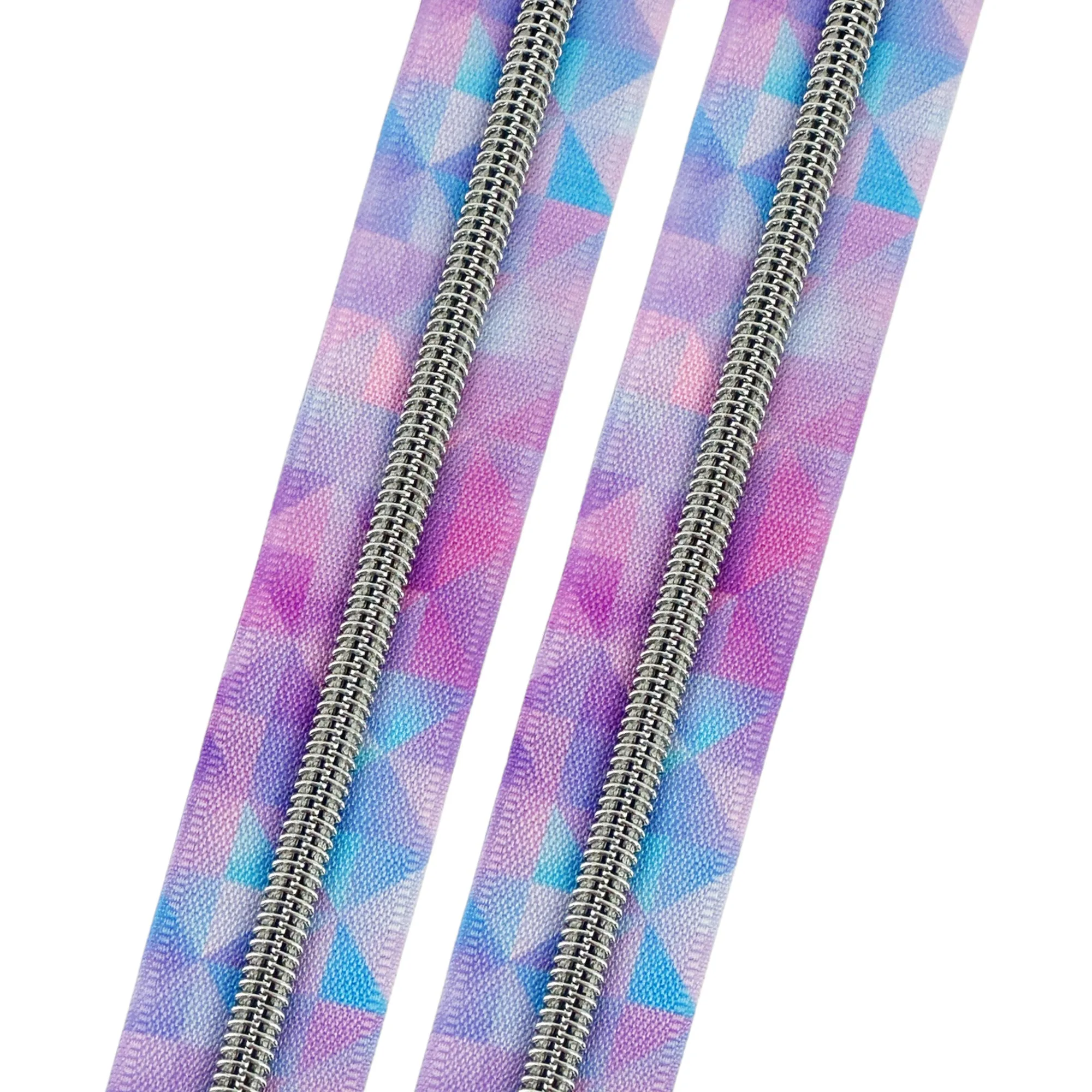
- Kaleidoscope - #5 Silver Nylon Coil Zipper Tape: Size #5 nylon coil zipper tape with a bold print, sold in 3-yard rolls, and can be cut to any length. The larger #5 coil benefits from a 90/14 or 100/16 needle when sewing over the teeth, especially at the zipper ends.
Is this needle advice right for you?
Best for
- Bag makers sewing canvas, faux leather, vinyl, and zipper tape on a home sewing machine
- Beginners who want a simple two-needle starting kit
- Anyone troubleshooting skipped stitches or bent needles
Not for
- Industrial sewing machine users who need specific industrial needle systems
- Sewing stretch knits or delicate silks as the primary fabric
- Embroidery-only projects that require embroidery needles
Choosing a needle for bag making comes down to two decisions: point type for the material and size for the thickness. Keep a small range on hand, test on scraps, and replace needles often. Your seams will stay straight, your fabric will stay strong, and your bags will look professionally made.