Quick answer
Choose a needle by fabric weight first, then by fabric type. For most medium-weight quilting cotton, a universal 80/12 works well. For lightweight fabrics like voile or chiffon, drop to a 60/8 or 70/10. For heavy fabrics like denim or canvas, move up to a 90/14 or 100/16. Match the needle point to the fabric structure: sharp for wovens, ballpoint for knits, and specialty points for leather or vinyl. When in doubt, test on a scrap of your actual fabric.
The needle is the smallest part of your sewing machine, but it has the biggest impact on stitch quality. The wrong needle can cause skipped stitches, puckered seams, or even damage your fabric. The right needle helps your machine feed smoothly and form balanced stitches with less effort.
This sewing machine needle guide gives you concrete decision rules so you can choose confidently. You will learn how needle sizes work, which needle types for sewing match common fabrics, and when to switch. We will also cover how thread weight and project type influence your choice.
Understand needle sizes and types
Needle sizes use two numbers: the European size (like 80) and the American size (like 12). The larger the number, the thicker the needle. Thicker needles are for heavier fabrics and heavier threads; thinner needles are for lightweight fabrics and fine threads. The size is printed on the needle package, and sometimes on the needle itself. Always keep the packaging or a labeled storage system so you can identify needles later.
Needle types describe the point shape and eye. Universal needles have a slightly rounded point that works for many wovens and some knits. Sharp needles, also called microtex, have a fine sharp point for precise piercing of tightly woven fabrics. Ballpoint needles have a rounded tip that slips between knit loops instead of piercing them. Stretch needles are similar but designed for highly elastic knits. Jeans/denim needles are stronger and sharper for heavy woven fabrics. Leather needles have a cutting point. Topstitch needles have a larger eye and deeper groove for heavy threads. Quilting needles are slightly sharper than universal and designed for piecing and quilting cotton.
- Write the needle size and type on a small piece of tape on the case if the original label wears off.
- Replace your needle after every 6-8 hours of sewing, or sooner if you hear a thumping sound.
Match needle size to fabric weight
Fabric weight is the first decision rule. For lightweight fabrics like chiffon, voile, silk habotai, or fine cotton lawn, use a 60/8 or 70/10 needle. These fine needles prevent puckering and leave tiny holes. For medium-weight fabrics like quilting cotton, poplin, linen, or flannel, a 80/12 universal or sharp is the workhorse. For medium-heavy fabrics like denim, canvas, corduroy, or upholstery, use a 90/14 or 100/16 jeans or heavy-duty needle. For very heavy fabrics like multiple layers of denim or leather, use a 110/18 leather or heavy-duty needle.
Thread weight matters too. A 50-weight cotton thread pairs well with an 80/12 needle. A 40-weight thread may need a 90/14 to accommodate the thicker thread in the eye. If you use a needle that is too thin for your thread, the thread will shred or break. If the needle is too thick for your fabric, you will see large holes and puckers.
- Always test on a scrap of your actual fabric with your chosen thread before starting your project.
- If you see skipped stitches, try a larger needle or a different point type.
Choose the right point for your fabric structure
Woven fabrics are made of interlaced threads. A sharp or universal needle works well because it pierces cleanly between threads. For tightly woven fabrics like batiks or microfibers, a sharp (microtex) needle gives the best results. For knits, the fabric is made of loops. A ballpoint needle pushes the loops aside instead of cutting them, preventing runs. For highly elastic knits like swimwear or rib knit, use a stretch needle, which has a special scarf to prevent skipped stitches.
Specialty fabrics need specialty points. Leather and vinyl require a leather needle with a cutting point that makes a clean slit. For faux leather or cork, a leather needle or a heavy universal can work, but test first. For quilting, a quilting needle has a slightly tapered point that penetrates multiple layers without shifting them. For topstitching with heavy thread, a topstitch needle has a larger eye and deeper groove to protect the thread.
- Label your needle cases by type so you can grab the right one quickly.
- When switching between woven and knit projects, change the needle to match.
Consider your project and machine
Your sewing machine manual often recommends a needle size range. Follow that as a baseline. Some machines are calibrated for certain needle types, especially computerized models. If you are unsure, start with a universal 80/12 for medium-weight wovens. For quilting, many sewists use a 80/12 quilting needle for piecing and a 90/14 for quilting through batting. For garment sewing, match the needle to the fabric as described above.
Project type also matters. If you are sewing a bag with many layers, use a 100/16 or 110/18 jeans needle. If you are hemming lightweight pants, use a 70/10 sharp. If you are doing free-motion quilting, a 90/14 quilting needle can handle the speed and layers. Always keep a spare pack of your most-used sizes.
- Keep a needle inventory: 60/8, 70/10, 80/12, 90/14, 100/16 in universal and sharp; plus ballpoint and stretch.
- Discard needles that hit a pin or the needle plate—they can have burrs that snag fabric.
When to switch and how to store
Switch your needle at the start of every new project, especially if you have been sewing heavy fabrics. A dull needle makes a popping sound as it penetrates fabric. It can also cause skipped stitches, thread breaks, or fabric damage. If you are unsure, run your finger along the needle point—if it feels rough or bent, replace it. Never try to sharpen a sewing machine needle.
Store needles in their original cases or a needle organizer. Keep them sorted by size and type. A small magnetic holder or a pin cushion with labeled sections works well. Avoid mixing used and new needles. If you drop a needle, discard it—it may be bent even if it looks fine.
- Change your needle after every 6-8 hours of sewing, or after a large project.
- Use a dedicated container for used needles to avoid mixing them with new ones.
Needle decision rules for common scenarios
- Quilting cotton piecing: Use a 80/12 universal or quilting needle with 50-weight cotton thread. This combination gives consistent stitches without puckering. If you see skipped stitches, try a 90/14 or a sharp needle.
- Lightweight garments (voile, chiffon, silk): Use a 60/8 or 70/10 sharp or universal needle with fine thread (60-weight or 100-weight silk). A smaller needle prevents holes and puckers in delicate fabrics.
- Knits and stretch fabrics: Use a ballpoint needle for stable knits and a stretch needle for highly elastic knits. Size 75/11 or 80/12 is common. Never use a sharp needle on knits—it can cause runs.
- Denim, canvas, and heavy wovens: Use a 90/14 or 100/16 jeans needle. For multiple layers, go up to 110/18. A heavy needle prevents needle breakage and skipped stitches.
- Leather and vinyl: Use a leather needle in size 90/14 or 100/16. It has a cutting point that makes clean holes. Do not use a universal needle on leather—it will tear the material.
- Topstitching with heavy thread: Use a topstitch needle in size 90/14 or 100/16. The larger eye and deeper groove accommodate thick thread. Match the needle size to the thread weight to avoid shredding.
Fabrics that pair well with common needles
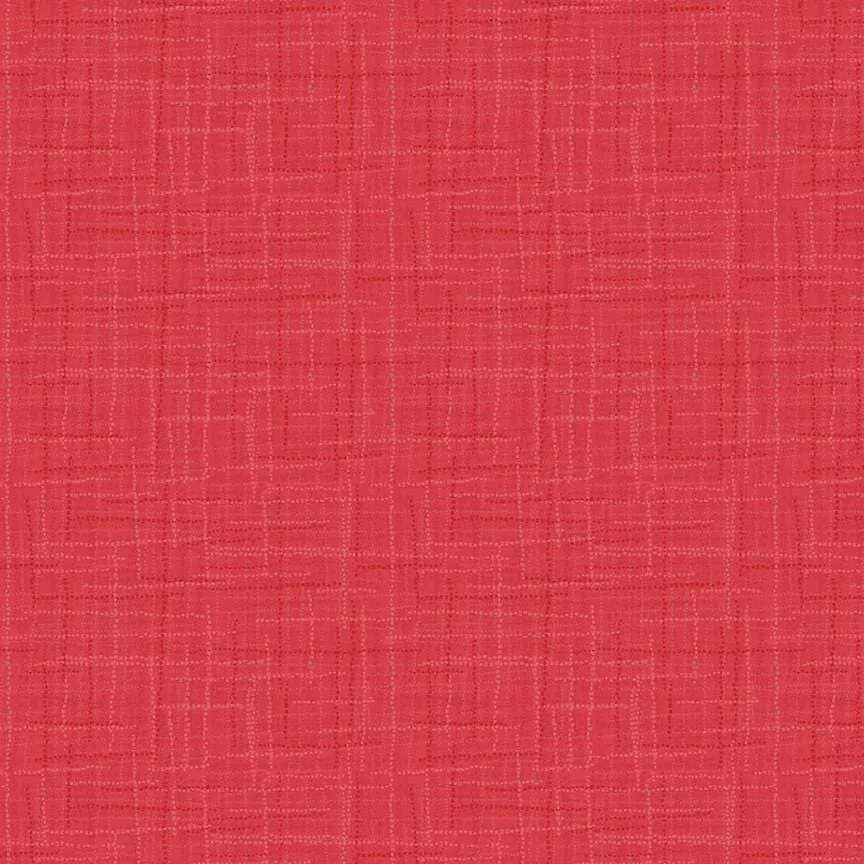
- Grasscloth Rouge by Heather Peterson for Riley Blake Designs: This 100% cotton fabric is 43"/44" wide and features a dimensional woven look. It is designed for quilting, apparel, and home decor. For medium-weight cotton like this, an 80/12 universal or sharp needle is a reliable starting point. The woven texture means a sharp point will pierce cleanly without distorting the print.
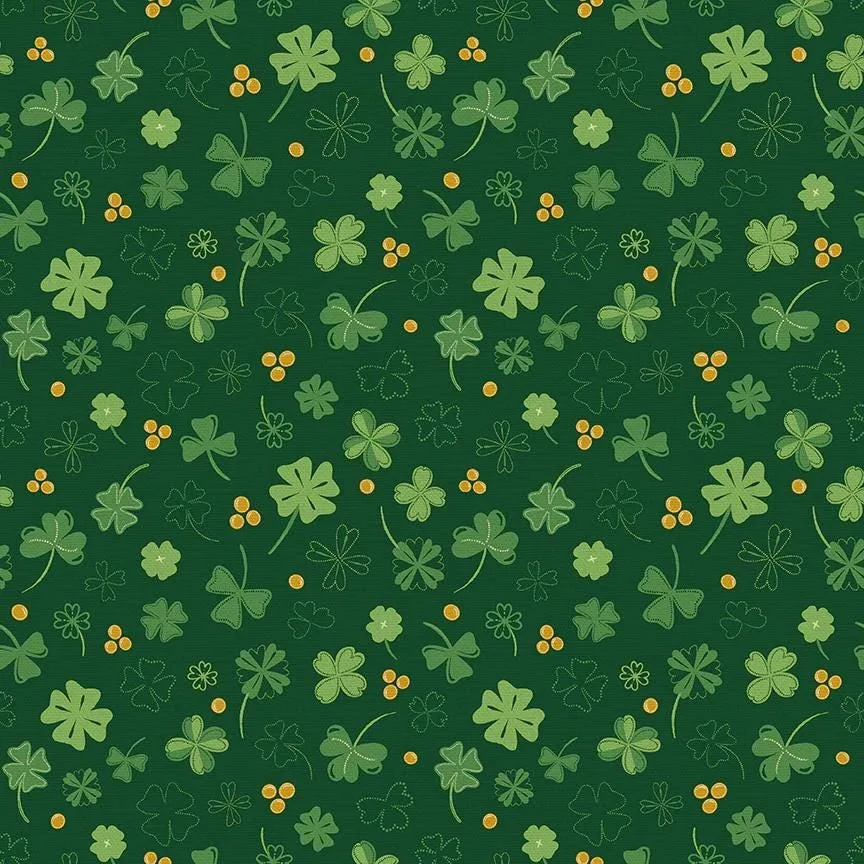
- Clover from Luck of the Gnome by Zirkus Design for Paintbrush Studios: This is a quilting cotton with a St. Patrick's Day theme, medium weight, part of a collection with vintage vibes and quirky characters. Quilting cotton like this is the most common fabric for beginners. A 80/12 universal needle handles piecing and general sewing well. If you are quilting through batting, step up to a 90/14 quilting needle.
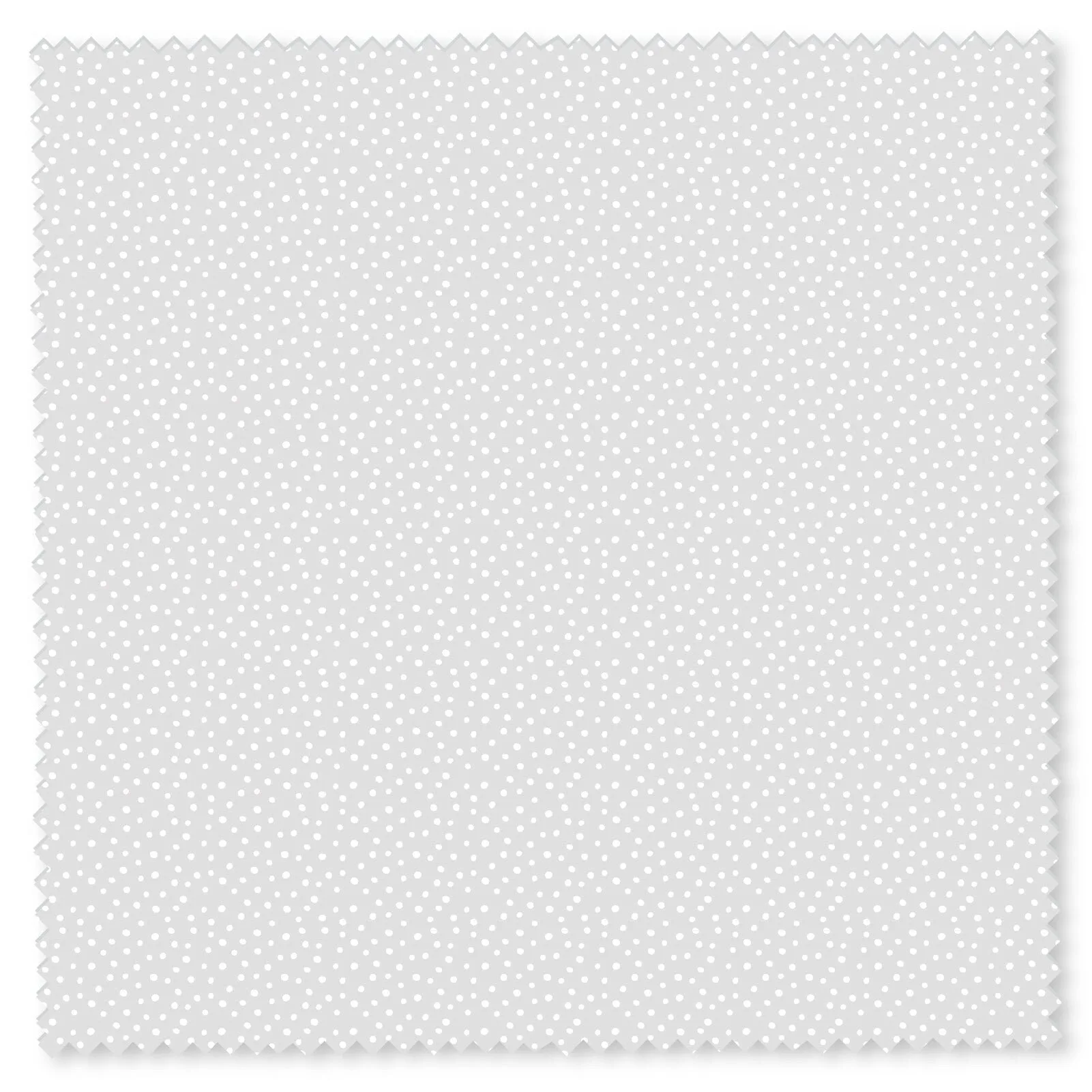
- Silver from Speckles by Felicity Fabrics: This 100% cotton fabric is 43"/44" wide, OEKO-Tex certified, and printed with low impact dyes. It is a blender fabric that coordinates with other colors. For this medium-weight cotton, an 80/12 universal or sharp needle works. The tight weave benefits from a sharp point to avoid snagging, especially when piecing small shapes.
Is this guide right for you?
Best for
- Sewists who want a clear, fabric-first method for choosing needles
- Quilters and garment sewers who work with a range of fabric weights
- Beginners who need a simple starting point and a shopping list
Not for
- Sewists looking for industrial machine needle recommendations (home machines only here)
- Those needing embroidery-specific needle guidance (stabilizers and designs change the choice)
- Anyone seeking brand-by-brand needle comparisons (this guide focuses on type and size)
Choosing the right needle comes down to fabric weight and structure. Start with the size that matches your fabric, pick the point type that suits the weave or knit, and test on a scrap. Keep a small inventory of common sizes and change your needle often. With these decision rules, you will get cleaner stitches and fewer frustrations.