Quick answer
Choose your stitch guide by matching it to the canvas you are buying, not by chasing the most advanced techniques. Beginners should start with a printed or painted canvas on 13 or 18 mesh and a guide that uses whole stitches and simple compensation. Intermediate stitchers can add decorative stitches and thread blending. Advanced stitchers should look for guides that specify stitch direction, thread weight, and specialty stitches for every area.
A stitch guide is only useful if it matches both the canvas and the person holding the needle. The same guide that delights an advanced stitcher can frustrate a beginner, and a guide written for beginners can feel thin if you already know how to compensate a stitch. The goal is to choose a guide that teaches you one or two new things without turning a relaxing project into a test.
This guide gives you concrete decision rules based on mesh size, canvas type, and how much thread and instruction you want included. You will also see how specific Wheelhaus Needlepoint canvases pair with different skill levels, so you can make a confident choice before you buy.
Start with mesh size, then match the guide
Mesh size tells you how much detail a canvas can hold and how forgiving it is. A 13 mesh canvas has larger holes and is easier to see and stitch, which makes it a natural fit for a beginner stitch guide. An 18 mesh canvas holds finer detail and usually asks for more precise stitch placement, so it pairs better with an intermediate or advanced guide. If you are unsure, choose the larger mesh first.
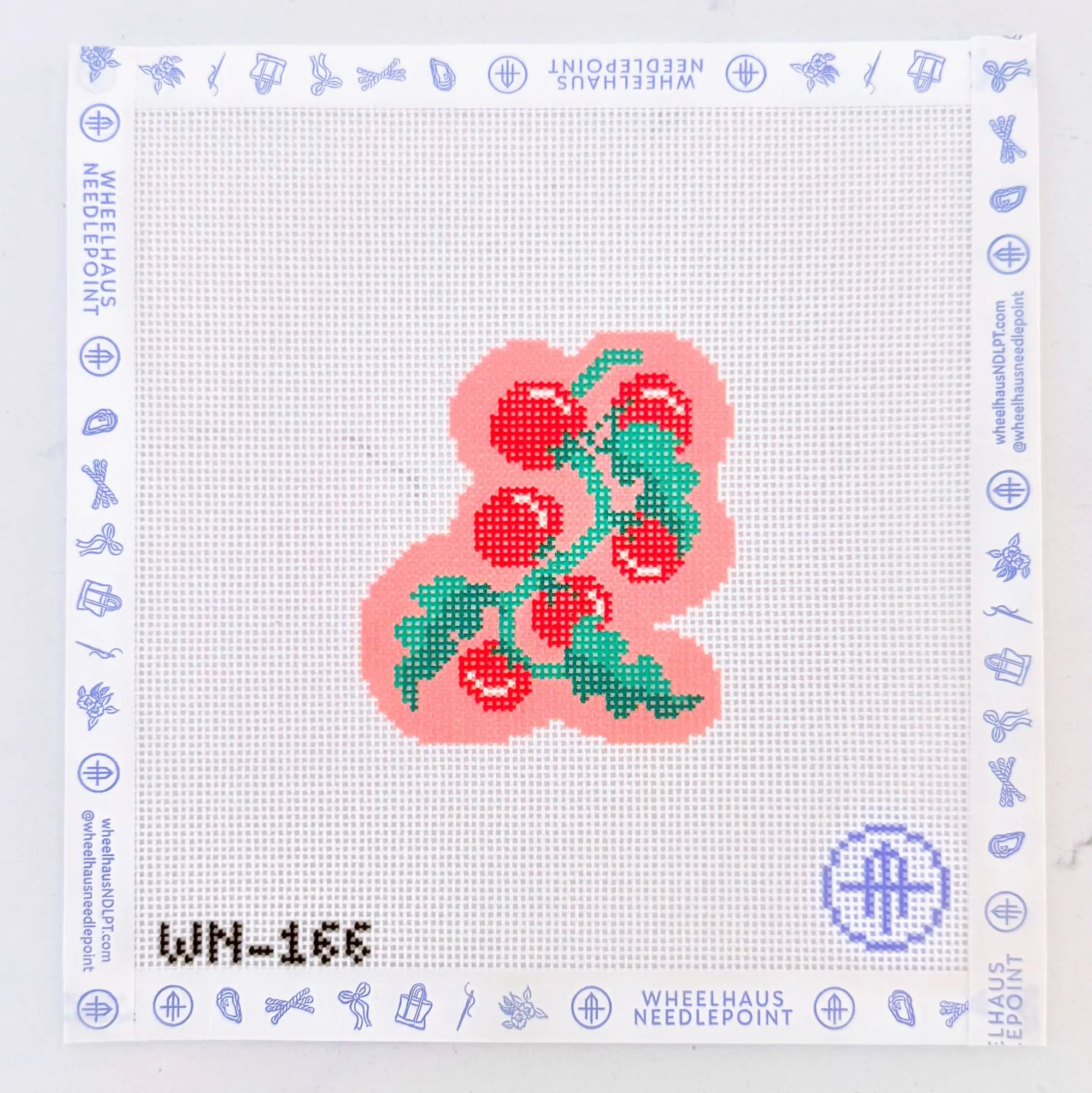
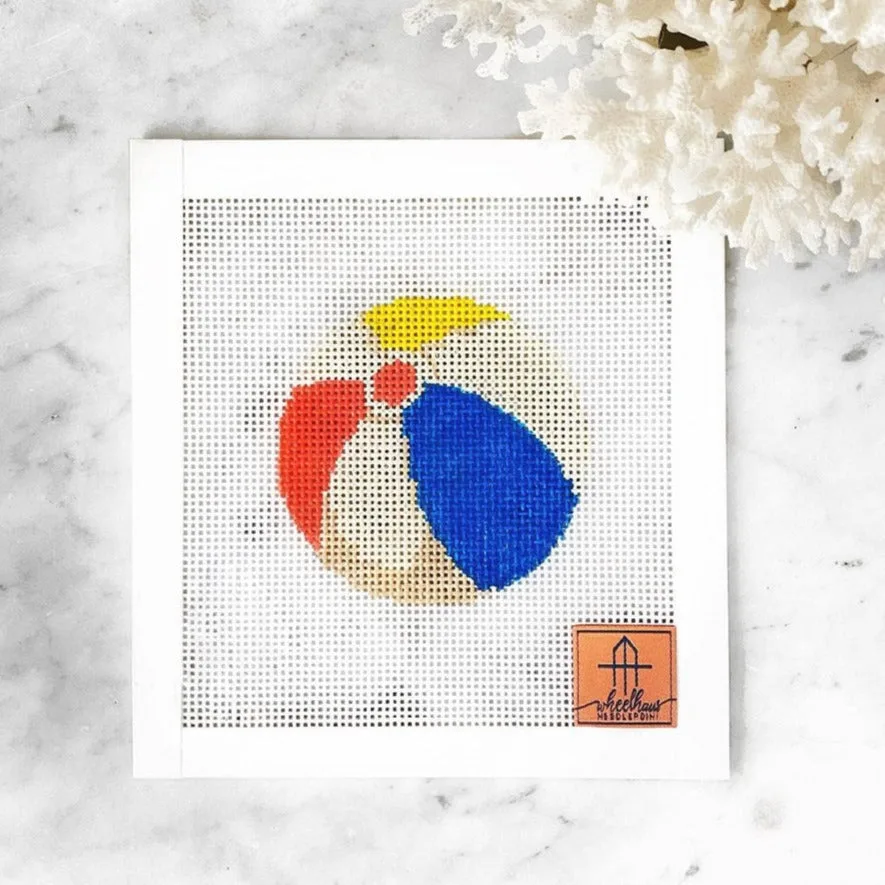
Once you know the mesh, check whether the guide is written for that mesh. A guide that assumes 18 mesh will not translate cleanly to 13 mesh because thread weights and stitch counts change. The Beach Ball is a 13 mesh design, while the Euro Summer Mini - Tomatoes and Surfer Key Fob are 18 mesh. That difference alone should shape which guide you pick.
- 13 mesh: fewer, larger stitches; easier to count and compensate.
- 18 mesh: finer detail; more stitches per inch; less forgiving of tension changes.
Decide between painted and printed canvas
Hand painted and stitch painted canvases usually come with clear color areas, which makes them easier for a beginner to follow. Printed canvases, such as StitchPerfect Printed, can be a good choice if you want a guide that relies on the printed lines rather than painted color blocks. Neither is better overall; they simply ask for different habits.
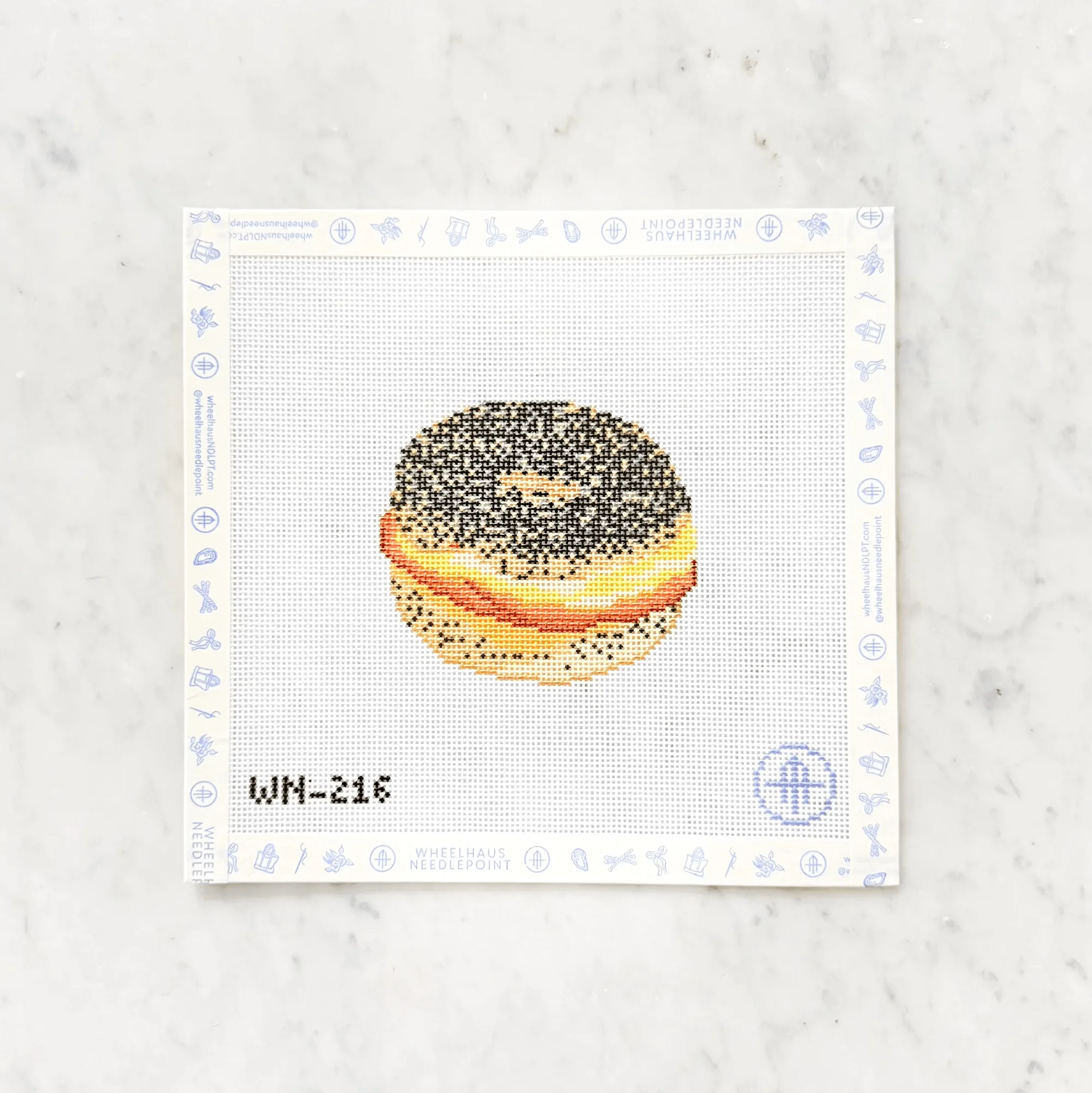
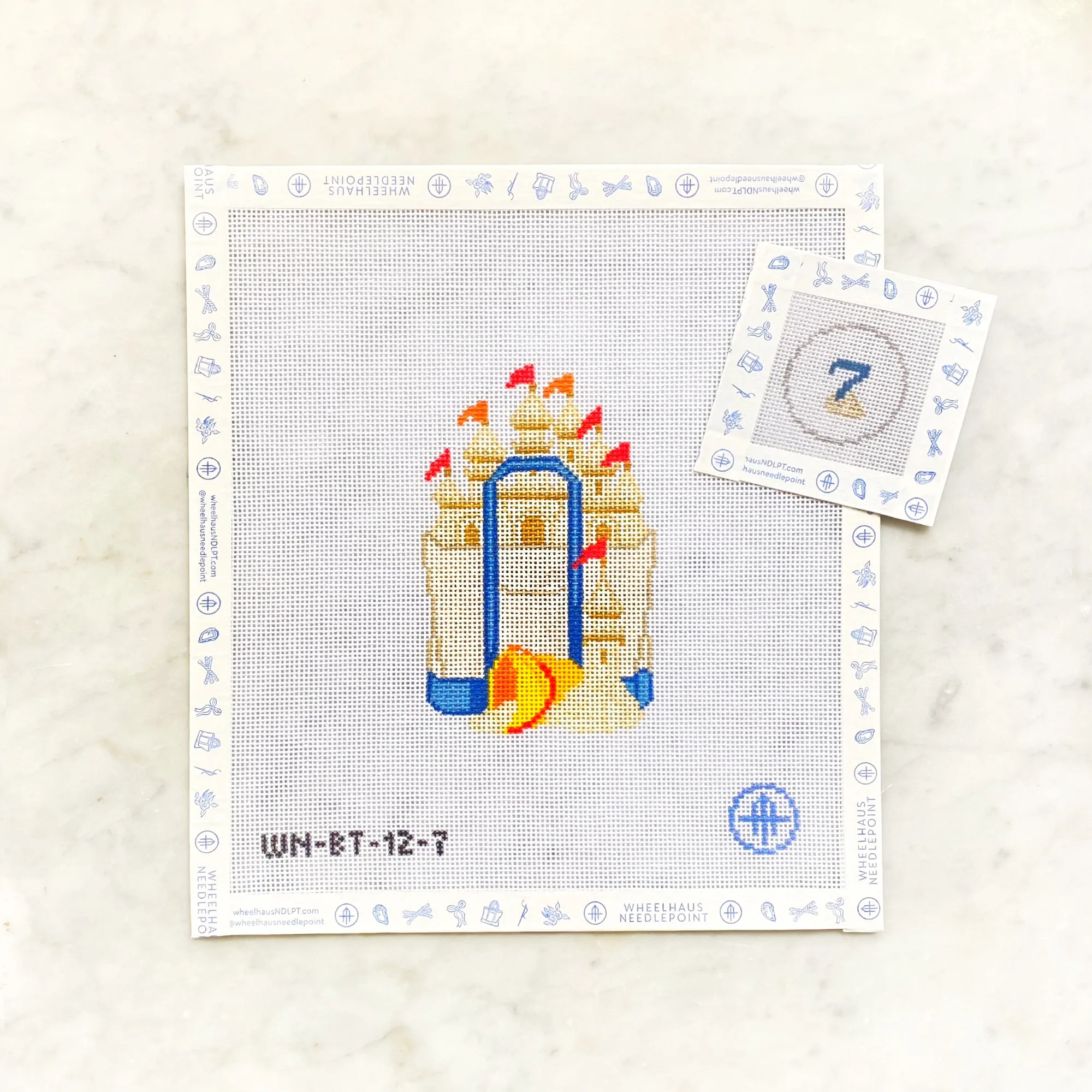
If you are buying your first guide, choose a canvas whose surface matches how you like to work. If you prefer to see color already blocked in, a hand painted canvas like the Sandcastle Tote - Day 7 is a comfortable starting point. If you like a printed grid to follow, a StitchPerfect Printed canvas such as the Pork Roll (Taylor Ham), Egg, and Cheese on a Poppy Bagel keeps the design readable while you learn.
- Hand painted or stitch painted: color is already decided for you.
- StitchPerfect Printed: printed lines guide placement; good for stitchers who like a map.
Match the guide to your actual skill level
A beginner stitch guide should use whole stitches, simple compensation, and one thread type at a time. If a guide introduces six specialty stitches in the first section, it is not a beginner guide no matter what the label says. Look for guides that explain why a stitch is used, not just where to put it. That is the difference between following instructions and learning a skill.
An intermediate needlepoint guide can mix thread weights, add decorative stitches, and ask you to make small color decisions. An advanced needlepoint stitch guide assumes you can read a chart, compensate confidently, and manage tension across different fibers. If you are between levels, choose the simpler guide and add one new technique on your own. You can always size up on the next project.
- Beginner: whole stitches, one thread type, clear compensation notes.
- Intermediate: decorative stitches, thread blending, some independent choices.
- Advanced: specialty stitches, stitch direction, thread weight specified per area.
Canvas only or thread kit: what changes
Canvas only means you supply your own threads, which gives you freedom but adds a shopping step. A thread kit includes the fibers needed for the design, plus a thread ring, tapestry needle, and stitch brochure on some products. If you are new, a thread kit removes the guesswork of matching weights and dye lots. If you already have a thread stash, canvas only is often the better value.
The Beach Ball and Surfer Key Fob both offer a canvas only option and a thread kit option. The thread kit includes a curation of silk and wool fibers, a thread ring, a tapestry needle, and a stitch brochure. That bundle is helpful when you want to start stitching the day it arrives. Canvas only is better when you enjoy choosing threads yourself or already own the colors.
- Choose canvas only if you have threads and want to control color.
- Choose a thread kit if you want everything matched and ready to stitch.
Small projects make better skill tests
A small canvas lets you try a new guide without committing weeks of stitching. The Euro Summer Mini - Tomatoes is 3x2.5 on 18 mesh, and the Sandcastle Tote - Day 7 is 3.5 inches wide by 3.75 inches high on 18 mesh. Those sizes are large enough to practice compensation and thread changes but small enough to finish before your interest fades.
If you are testing whether an advanced guide suits you, start with a small design. You will learn how the guide handles corners, curves, and background areas without investing in a large canvas. Once you know you like the guide's style, move to a bigger piece.
- Small canvas: faster feedback on whether the guide fits your skill.
- Large canvas: better after you trust the guide and your tension.
Decision rules for choosing your stitch guide
- If you are new to needlepoint: Choose a 13 mesh canvas or a printed 18 mesh canvas, and pick a guide that uses whole stitches with simple compensation. Avoid guides that introduce more than two specialty stitches. Start with the Beach Ball in 13 mesh or the Pork Roll printed canvas.
- If you can compensate without checking a chart: Move to an intermediate guide that mixes thread weights and adds decorative stitches. Choose a canvas with clear color areas so you can focus on the stitches, not the color plan. The Sandcastle Tote - Day 7 on 18 mesh is a good next step.
- If you want to learn one new technique: Pick a small canvas and a guide that teaches exactly that technique. Finish the piece before buying another guide, so you know what you actually learned. The Euro Summer Mini - Tomatoes is small enough to finish quickly.
- If you already own threads: Buy canvas only and use your stash. If you do not own threads, buy the thread kit so the fibers, needle, and brochure arrive matched. Canvas only saves money when your stash is deep; a kit saves time when it is not.
Canvas facts that affect your guide choice
- Sandcastle Tote - Day 7: 18 mesh, design 3.5 inches wide by 3.75 inches high, hand painted and stitch painted, canvas only or with a stitch pamphlet, tapestry needle, and reusable PVC project bag. A small 18 mesh canvas is a practical test piece for an intermediate guide because it has enough detail to practice compensation without a long commitment.
- Beach Ball: 13 mesh, design 3.5 round, canvas only includes a stitch pamphlet, WIP project card, and reusable PVC protective project baggy; thread kit includes silk and wool fibers, a thread ring, a tapestry needle, and a stitch brochure. The 13 mesh surface is easier to see and count, making it a strong match for a beginner stitch guide, and the thread kit removes the guesswork of matching fibers.
- Euro Summer Mini - Tomatoes: 18 mesh, design 3x2.5, StitchPerfect painted, canvas only includes a stitch pamphlet, WIP project card, and reusable PVC protective project baggy; threads are not included unless the kit is purchased. A very small 18 mesh design is ideal for trying one new stitch or a single thread change before committing to a larger guide.
- Pork Roll (Taylor Ham), Egg, and Cheese on a Poppy Bagel: 18 mesh, design 3.75x3.5, StitchPerfect Printed, canvas only includes a stitch pamphlet with needle, WIP project card, and reusable PVC protective project baggy; threads are not included unless the kit is purchased. A printed canvas gives you clear lines to follow, which helps beginners focus on stitch placement instead of color decisions.
Who should choose which guide
Best for
- Beginners who want clear, whole-stitch instructions on a 13 mesh or printed canvas.
- Intermediate stitchers ready to mix threads and add decorative stitches on a small 18 mesh design.
- Stitchers who want a thread kit with matched fibers, a needle, and a stitch brochure.
Not for
- Advanced stitchers who already know specialty stitches and want a guide that specifies thread weight and stitch direction for every area.
- Stitchers who prefer to design their own color plan and do not want any thread guidance.
- Anyone looking for a large, complex canvas as a first project.
Choose the guide that matches the canvas in your hand and the skill you have today, not the skill you hope to have next year. Start small, finish the piece, and let the guide teach you one new thing at a time.