Quick answer
Choose a pour spout for olive oil that fits your bottle's neck diameter and is made of stainless steel or food-grade silicone. Avoid plastic spouts that can degrade with repeated oil contact. Measure your bottle opening before buying.
Why a good spout matters
A well-fitted olive oil spout does more than prevent drips. It controls the pour stream, reduces oxidation by limiting air exposure, and keeps the bottle rim clean. Many home cooks overlook the spout, but it directly affects how easily you can dress a salad or finish a dish without mess.
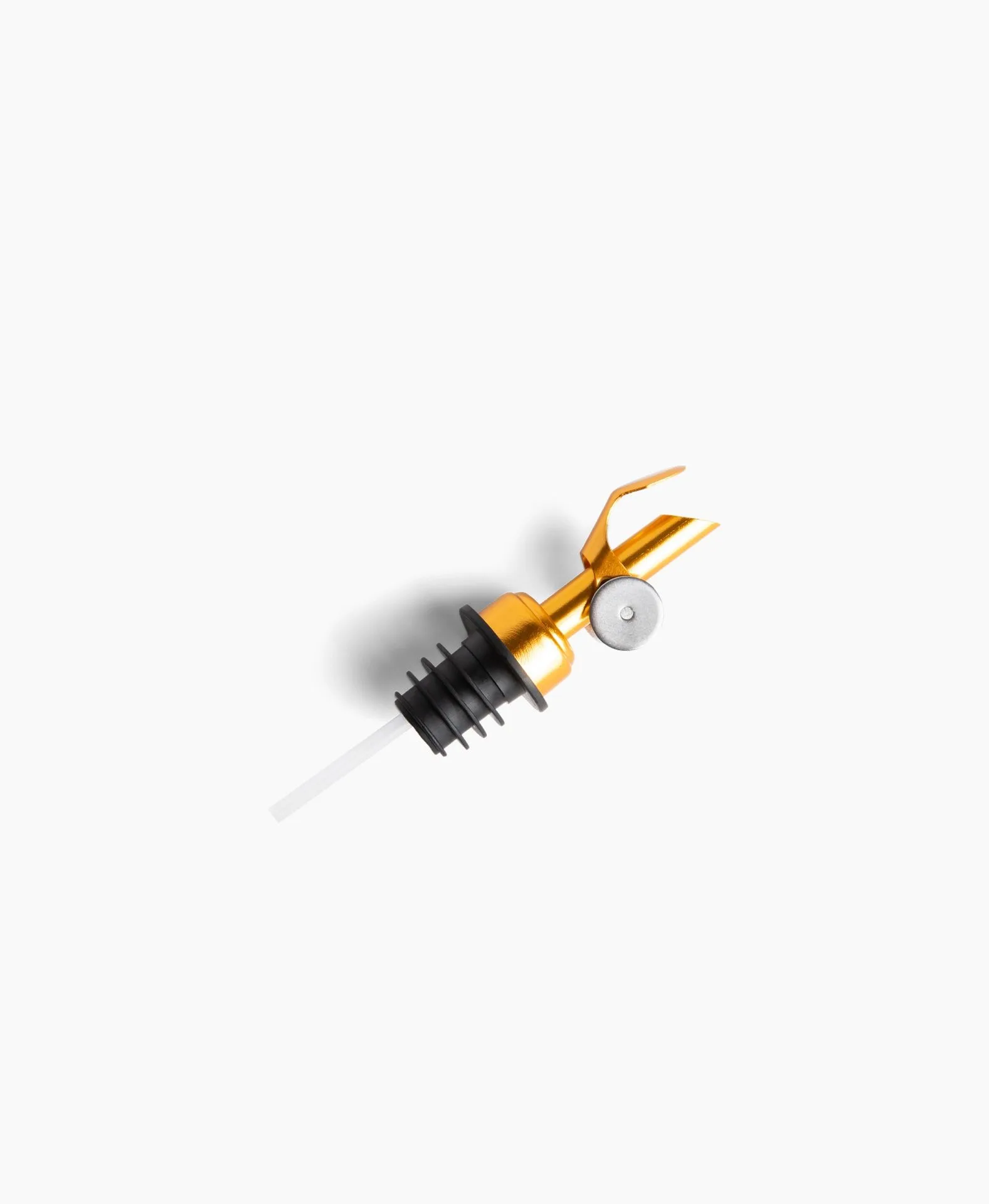
the spout
Materials to look for and avoid
Stainless steel spouts are durable, easy to clean, and resist corrosion from olive oil. Food-grade silicone spouts offer a tight seal and flexibility for different bottle necks. Avoid plastic spouts—they can crack, leach chemicals, or absorb odors over time. A metal or silicone pour spout for olive oil will last much longer.
Steps to choose and use the right spout
- Measure your bottle neck: Use a ruler or caliper to measure the inside diameter of the bottle opening. Common sizes are 18 mm, 20 mm, and 24 mm. A spout that is too loose will leak air and oil; one that is too tight may crack the glass. Checkpoint: Write down the measurement before shopping. Most spouts list the compatible neck size on the package.
- Choose the right material: Pick stainless steel for durability and easy cleaning, or food-grade silicone for a snug fit on irregular necks. Avoid plastic—it can degrade with repeated oil contact and may affect the oil's taste over time. Mistake to avoid: Don't assume all metal spouts are the same. Look for one with a built-in air vent to prevent glugging.
- Test the pour and seal: Insert the spout firmly into the bottle. Tilt the bottle to pour—check that the stream is steady and stops cleanly without dripping down the side. A good spout should also seal when upright to keep dust out. Checkpoint: If oil drips after pouring, the spout may lack a drip-free design or the fit is wrong. Try a different size or a spout with a silicone gasket.
- Clean the spout regularly: Remove the spout after each use or at least weekly. Wash with warm soapy water and a small brush to remove oil residue. Dry completely before reinserting to prevent mold or rancid oil buildup. Mistake to avoid: Never put a spout in the dishwasher unless it's labeled dishwasher-safe. High heat can warp silicone or damage the finish on metal spouts.
Product facts
- Everyday Salad Oil: 100% extra virgin olive oil - squeezable for everyday use. Enliven salads, dressings, leftovers, veggies, and more with this bright, robust olive oil crafted for tossing, mixing, and dressing. A squeezable bottle like Everyday Salad Oil doesn't need a separate spout, but if you transfer it to a cruet, choose a spout that matches its narrow neck to avoid drips.
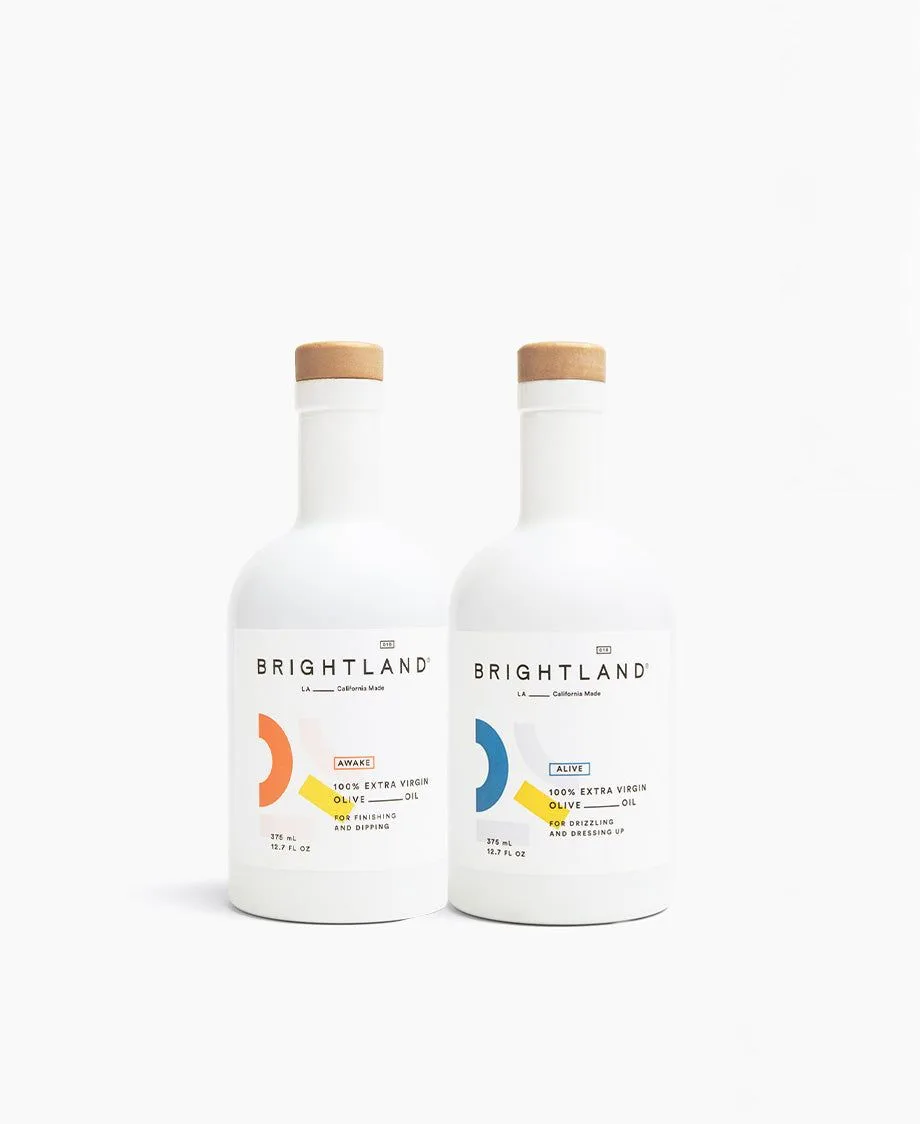
- The Mini Olive Oil Set: Discover our best-selling, 100% California-made premium olive oils, in mini sizes—a perfect place to start, an ideal gift or a travel-sized version of the flavors you already know and love. Mini bottles have smaller openings. A standard pour spout may not fit. Look for a spout designed for narrow necks or use the bottle's original cap for travel.
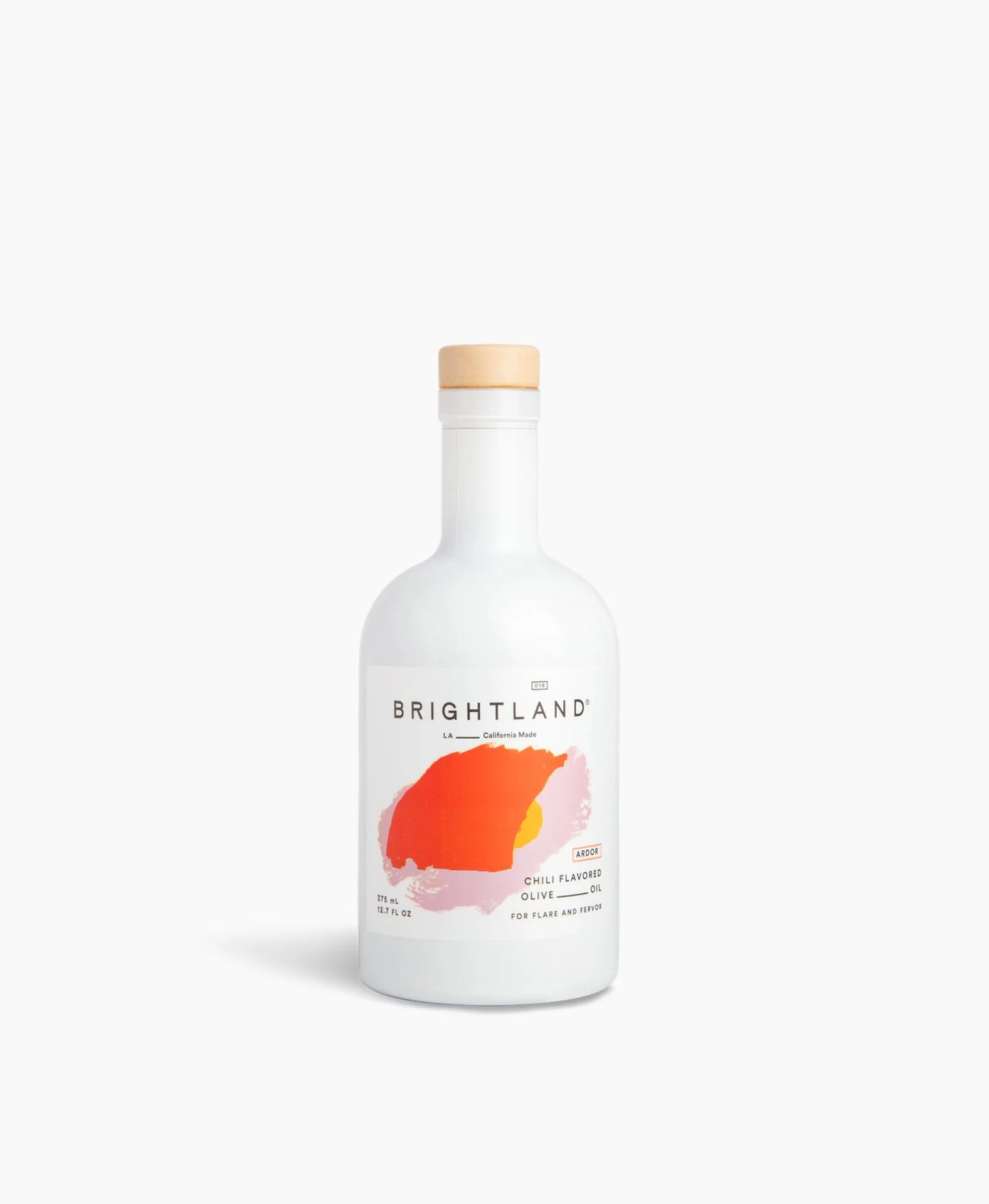
- Ardor Chili Olive Oil: Bold but composed, warming rather than fiery, with a lingering finish of gentle smoke and savory spice. Ardor is chili flavored olive oil, crafted with hot pepper, chipotle, paprika, and jalapeño oil extracts for heat that builds appetite and never overwhelms. Flavored oils like Ardor can leave residue in a spout. Choose a spout that disassembles for thorough cleaning so flavors don't cross-contaminate.