Quick answer
An orthopaedic dog bed supports joints and improves sleep quality. Focus on memory foam thickness, bolster support, and correct sizing. Match the bed to your dog's weight, sleeping style, and any existing joint issues.
Why choose an orthopaedic dog bed?
Orthopaedic dog beds use supportive materials like memory foam to reduce pressure on joints. They help dogs with arthritis, hip dysplasia, or general stiffness. Even young, active dogs benefit from a bed that maintains its shape and provides consistent support.
A quality orthopaedic bed can improve mobility and comfort over time. The key is choosing the right foam density and bed structure for your dog's size and sleeping habits.
Memory foam vs. standard foam
Memory foam contours to your dog's body and distributes weight evenly. Standard foam often compresses quickly and loses support. For dogs with joint pain, memory foam is the better choice because it reduces pressure points.
Look for beds with at least a 3-inch memory foam layer. Thinner layers may not provide enough support for heavier dogs. Some beds combine memory foam with supportive bolsters for added comfort.
Size and fit considerations
Measure your dog from nose to tail and add 6–12 inches for a comfortable fit. A bed that's too small restricts movement; one that's too large reduces the feeling of security. Consider your dog's sleeping position: sprawlers need more space, while curl-up sleepers prefer a nest shape.
Check the bed's weight limit. Most orthopaedic beds list a maximum weight recommendation. Exceeding this can cause the foam to break down faster.
Decision rules for choosing an orthopaedic dog bed
- Check the foam type and density: Memory foam offers better pressure relief than standard foam. Look for a density of at least 2.5 lbs per cubic foot for lasting support. If your dog has joint pain, choose memory foam over standard foam.
- Match the bed size to your dog's measurements: Measure your dog from nose to tail and add 6–12 inches. Consider sleeping style: sprawlers need a flat surface, curl-up dogs prefer a nest shape with bolsters. A properly sized bed improves comfort and support.
- Consider the bed's construction and materials: Look for removable, washable covers and durable fabrics. Bolsters should be firm enough to support the head and neck without collapsing. A well-constructed bed lasts longer and is easier to maintain.
Orthopaedic dog bed options at Charlie Scott's
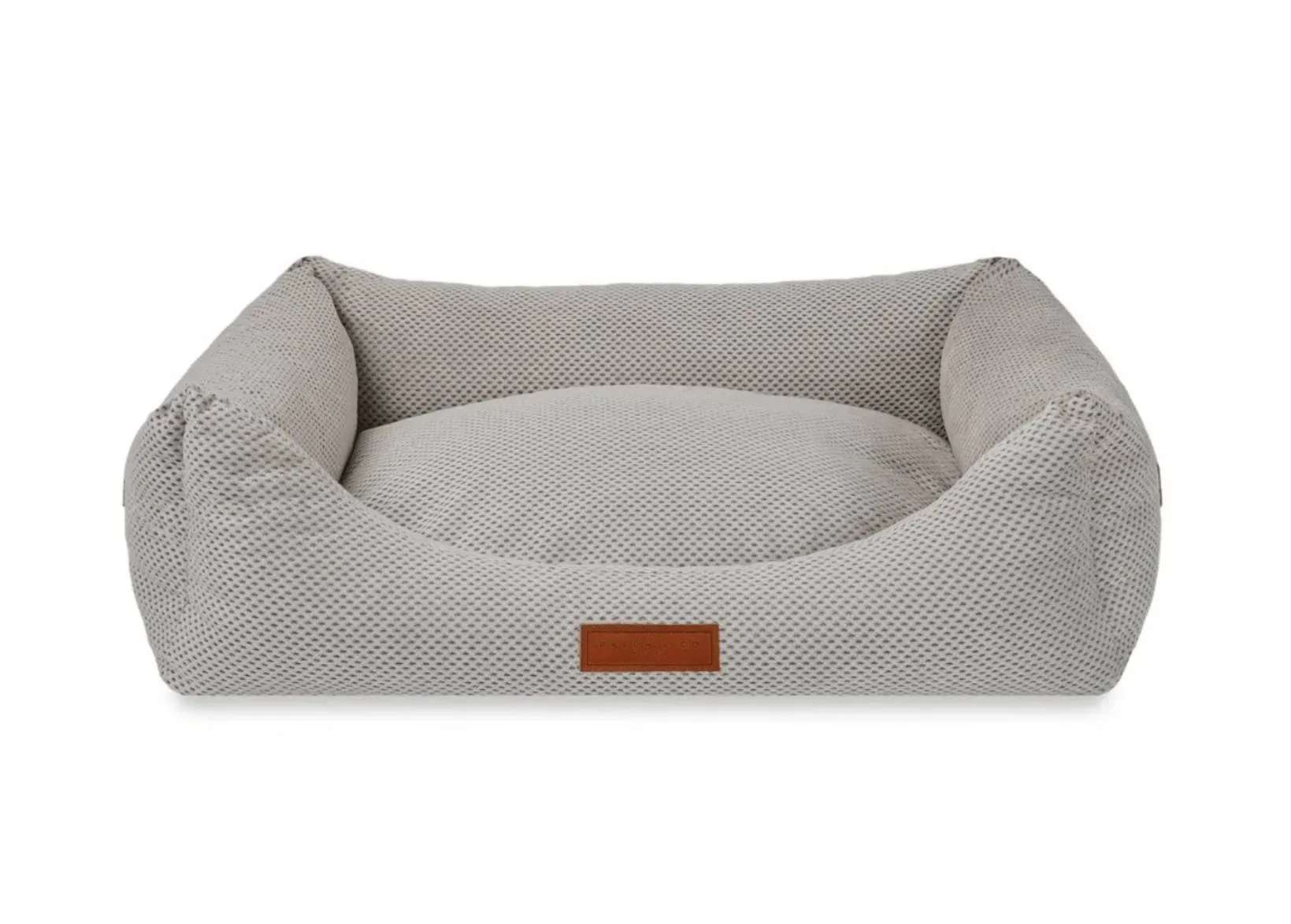
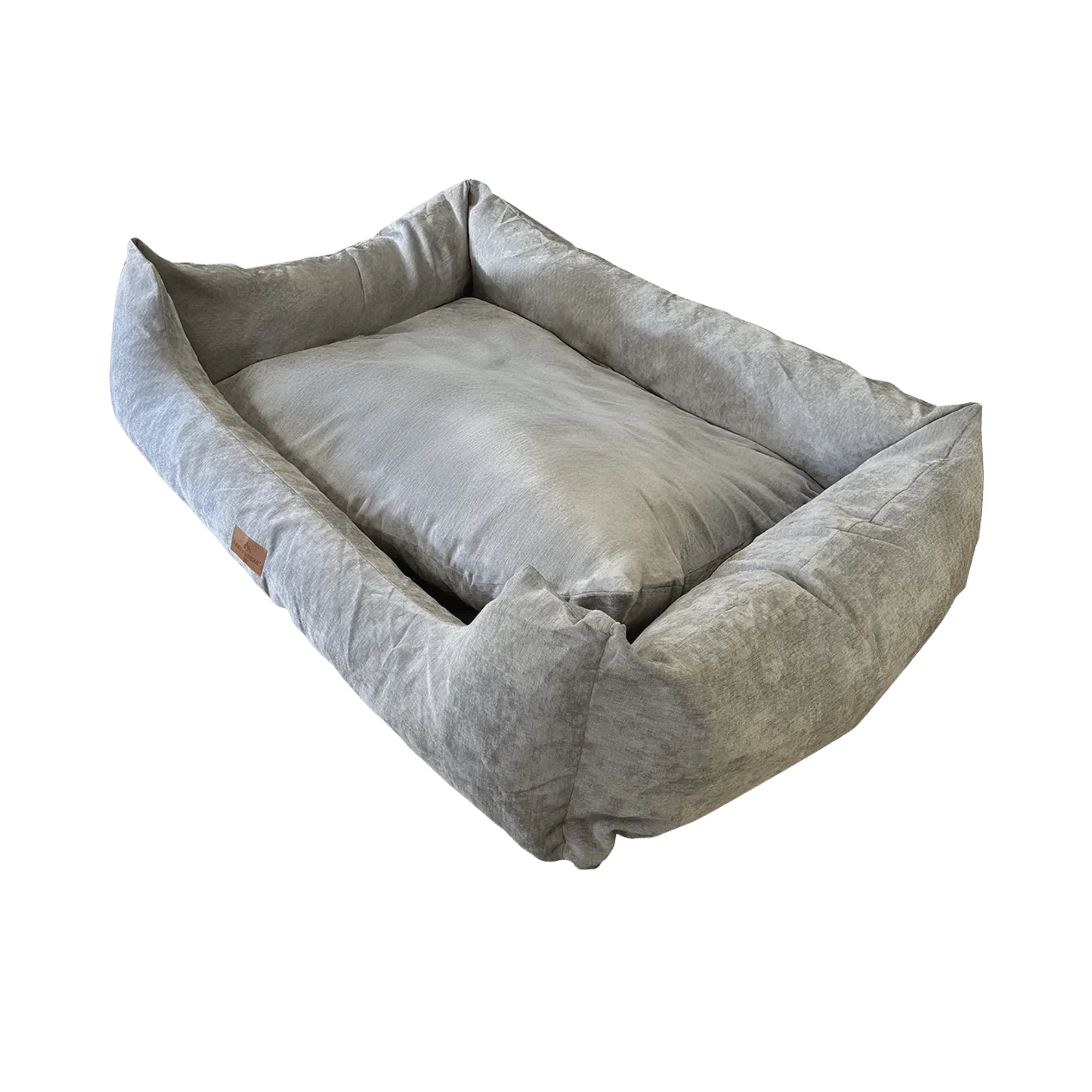
- Ralph & Co Highclere Orthopaedic Memory Foam Dog Bed: The Ralph & Co Highclere Orthopaedic Memory Foam Dog Bed combines supportive comfort, premium craftsmanship and contemporary styling in one thoughtfully designed nest bed. Featuring an orthopaedic crumb memory foam mattress, supportive virgin fibre-filled bolsters and premium upholstery-grade fabric. The crumb memory foam and bolsters provide targeted joint support and a secure, nest-like feel for dogs that like to curl up.
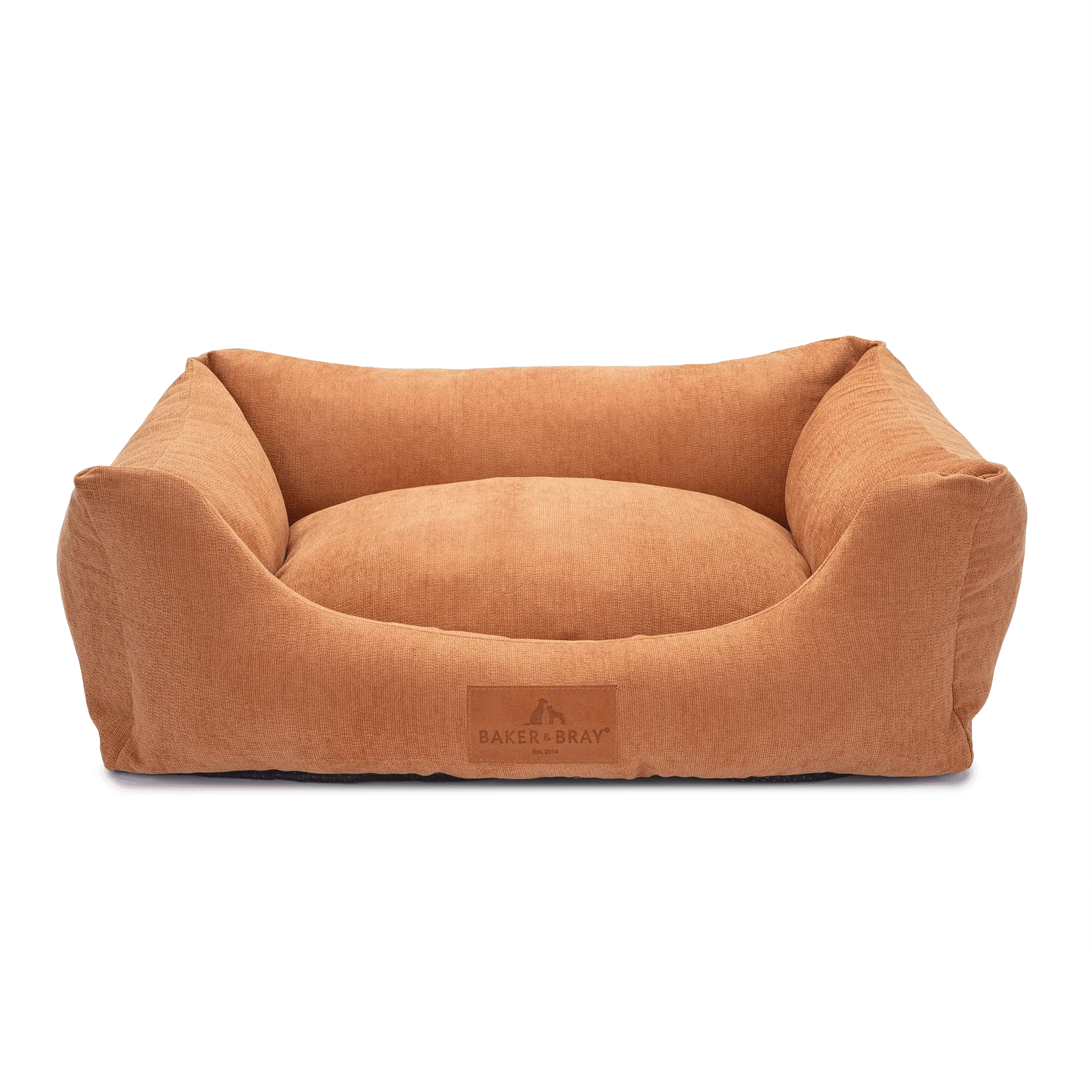
- The Ultimate Orthopaedic Dog Bed by Baker & Bray in Peach Fuzz: The Ultimate Orthopaedic Dog Bed by Baker & Bray in Peach Fuzz is designed for dogs that benefit from stable joint support, structured surrounding comfort, and a predictable sleeping space that maintains its shape through daily use. Built using premium-grade repurposed memory foam, supportive bolsters, and durable recycled materials. This bed uses repurposed memory foam for consistent support and is made from recycled materials, making it a durable, eco-conscious choice for dogs that need structured comfort.
Which orthopaedic dog bed is right for your dog?
Best for
- Dogs with arthritis, hip dysplasia, or joint pain who need pressure relief
- Senior dogs that need extra support for comfortable rest
- Dogs that curl up or lean against bolsters for security
Not ideal for
- Dogs that prefer a flat, open sleeping surface without raised edges
- Very heavy dogs that exceed the bed's weight limit