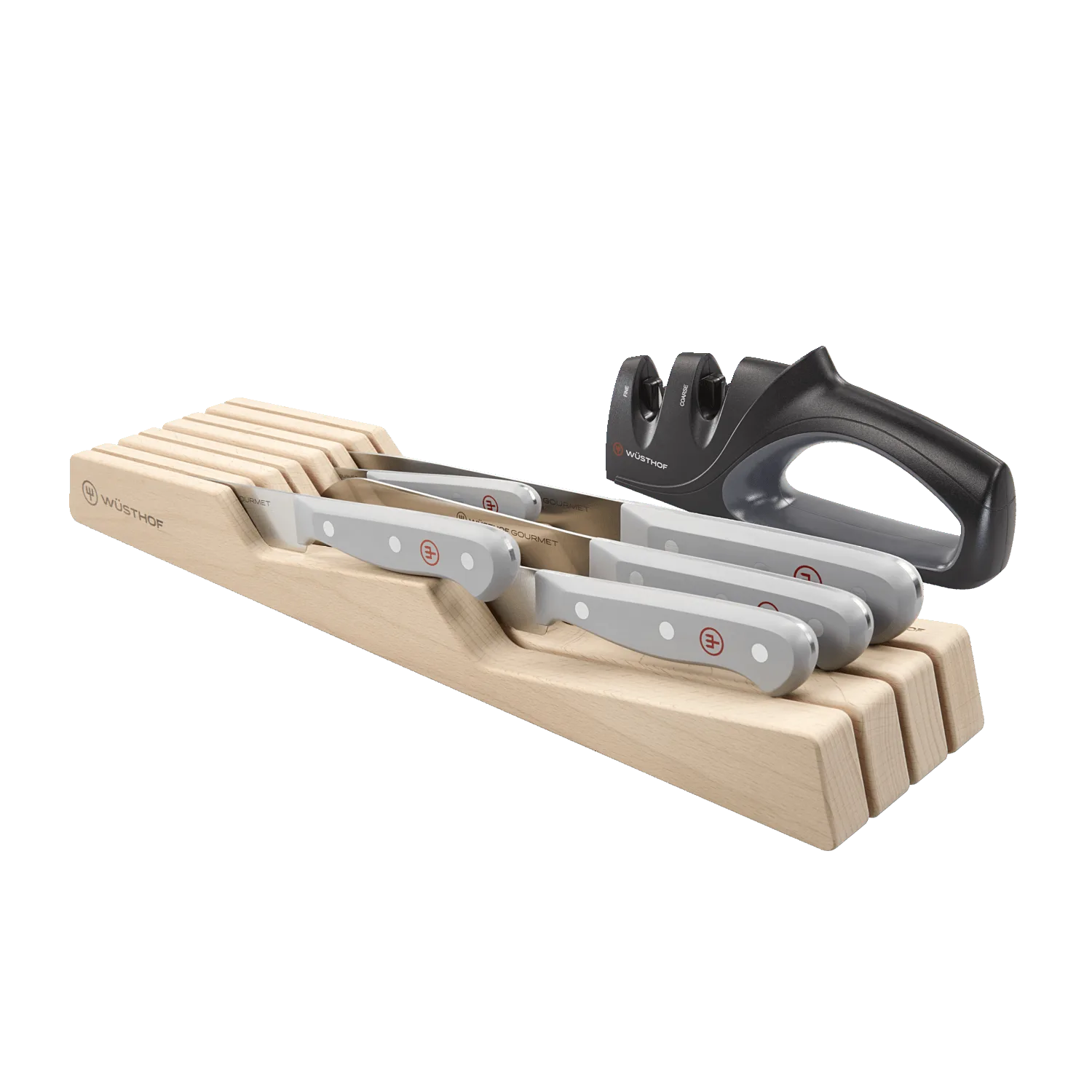
Quick answer
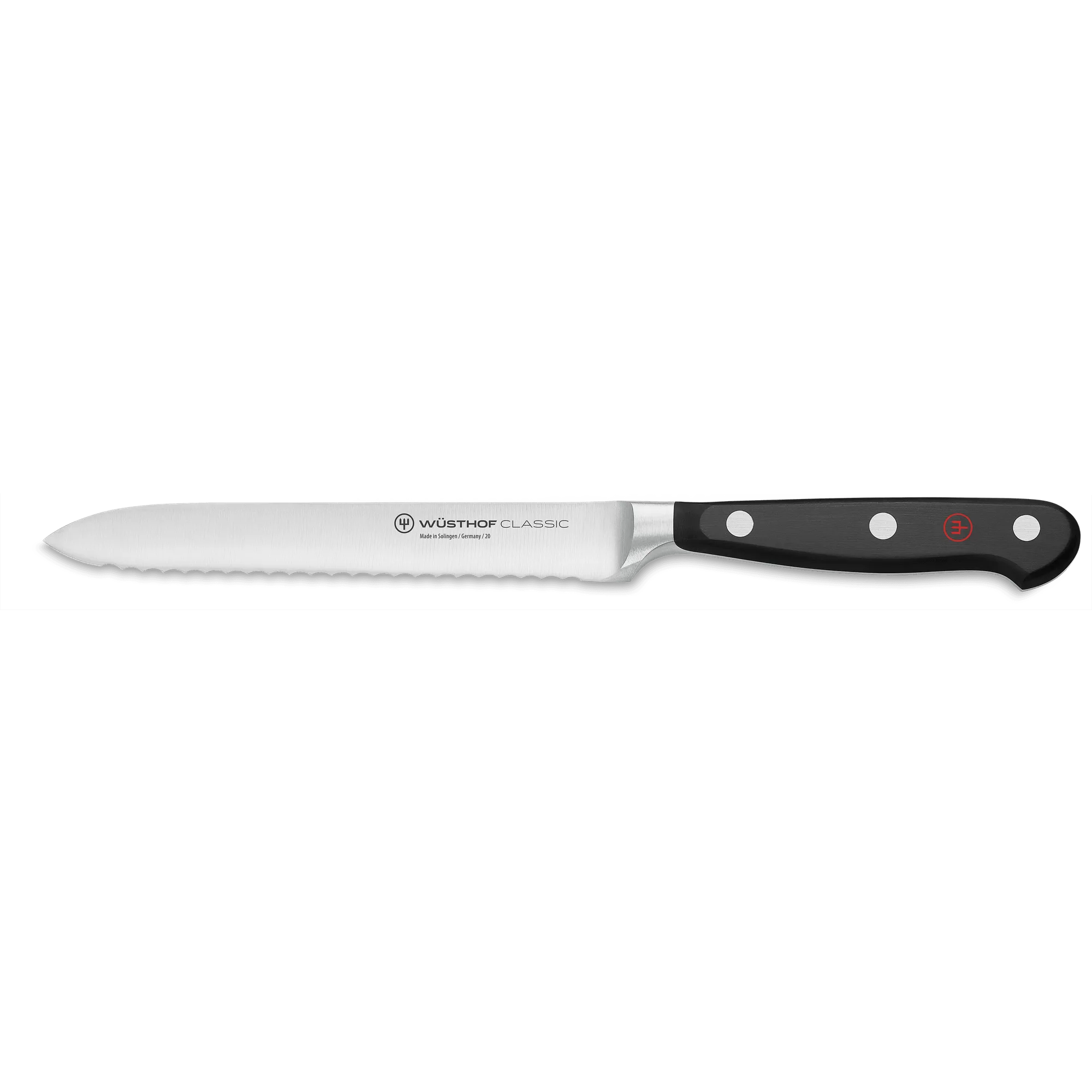
For most detail work—peeling, trimming, and garnishing—choose a paring knife with a 3- to 4-inch straight edge and a handle that fits your grip. If you frequently slice firm tomatoes or crusty rolls, a serrated utility knife like the WÜSTHOF Classic 5" Serrated Utility Knife is a better choice.
Blade length and shape
Paring knives typically range from 2.5 to 4 inches. A shorter blade (2.5–3 inches) gives you more control for peeling and intricate cuts, while a 4-inch blade can handle light slicing tasks. Straight-edge blades are ideal for clean cuts on soft produce; a curved blade (sheep's foot) works well for trimming and peeling because the tip stays out of the way.
Edge type: straight vs. serrated
A straight edge is the standard for paring knives because it allows precise, clean cuts on fruits, vegetables, and herbs. Serrated edges excel on foods with a tough exterior and soft interior, like tomatoes or crusty bread, but they leave a rougher cut on delicate items. If you only do detail work, stick with a straight edge. If you also need to slice rolls or tomatoes, consider a serrated utility knife instead of a paring knife.
Handle comfort and grip
Detail work requires a secure, fatigue-free grip. Look for a handle that fills your palm without slipping, especially when wet. Ergonomic designs with a balanced weight reduce strain during extended prep. If possible, hold the knife before buying—a handle that feels right for your hand size and cutting style is more important than brand or price.
Decision rules for choosing a paring knife
- Match blade length to task: Use 2.5–3 inches for peeling and garnishing, 4 inches for light slicing. Longer blades reduce control on small items. If you mostly peel, choose 3 inches or shorter.
- Straight edge for precision, serrated for tough skins: Straight edges give clean cuts on soft produce. Serrated edges grip tough skins but leave a rougher surface. For tomatoes or crusty bread, a serrated utility knife is more effective than a paring knife.
- Handle fit over features: A handle that matches your grip reduces fatigue and improves control. Ergonomic shapes help, but personal feel matters most. Test the handle if possible; a poor fit negates other benefits.
Knives that complement detail work
- Classic 5" Serrated Utility Knife: The perfect companion for preparing your packed lunch or at brunch: thanks to its fine serrated edge, this utility knife not only cuts cleanly through rolls without tearing, but it is also suitable for vegetables (such as firm tomatoes), fruit, or dry sausage. If your detail work includes slicing tomatoes or crusty rolls, this serrated utility knife handles those tasks without crushing or tearing, which a straight-edge paring knife cannot do as cleanly.
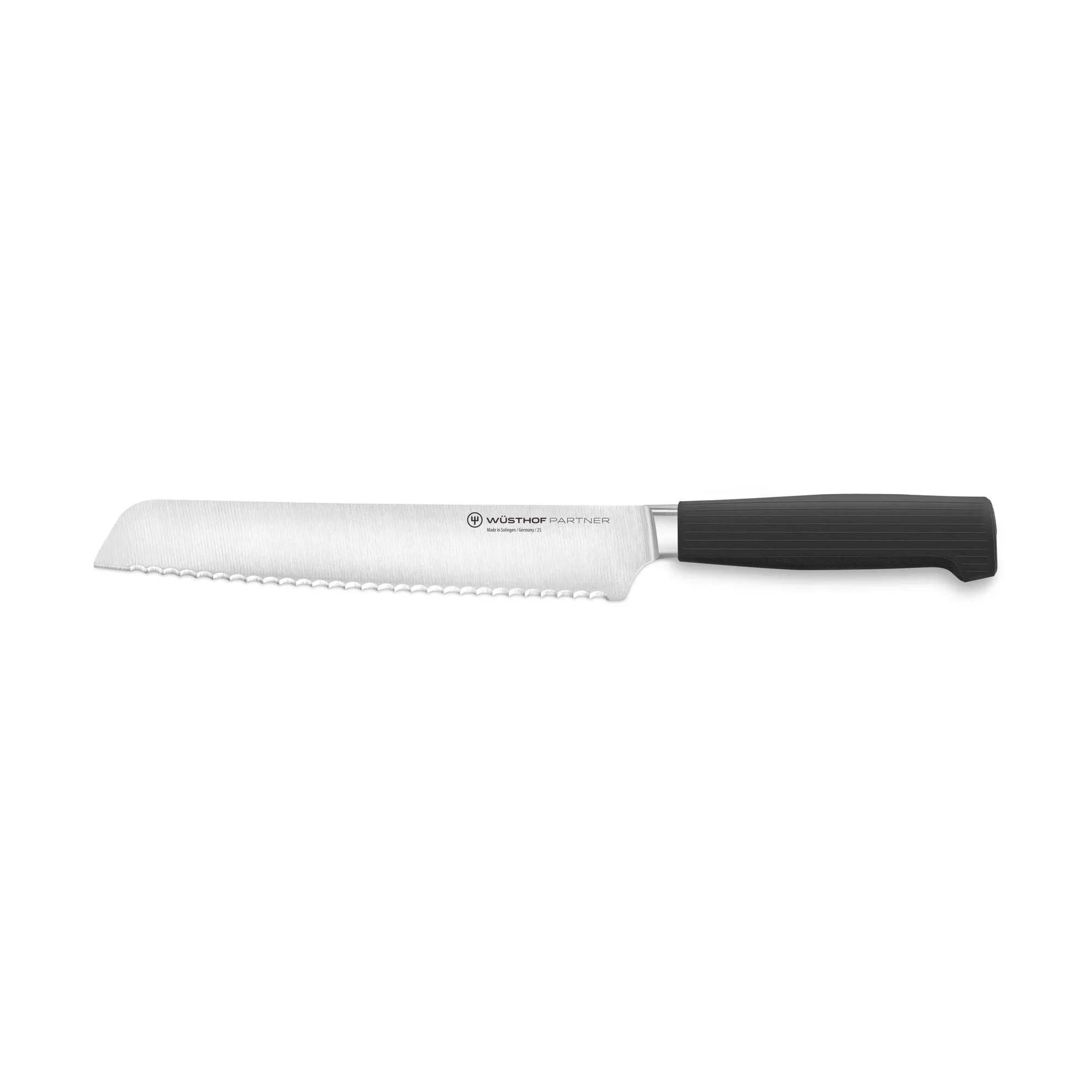
- Partner 8” Bread Knife: Fully forged from a single piece of WÜSTHOF steel, the WÜSTHOF Partner 8” Bread Knife is one of the three most important knives to have in your kitchen. This blade has a finely serrated edge that effortlessly slices both soft breads and crusty loaves without pulling… For bread and large produce, an 8-inch bread knife is a better tool than a small paring knife. It keeps your paring knife focused on detail work and prevents you from forcing a small blade through large loaves.
Who should choose a paring knife
Best for
- Home cooks who frequently peel, trim, or make small garnishes
- Anyone who wants a single small knife for precise vegetable and fruit prep
Not for
- Slicing crusty bread or rolls—use a serrated bread knife instead
- Cutting firm tomatoes or citrus with tough skins—a serrated utility knife works better