Quick answer
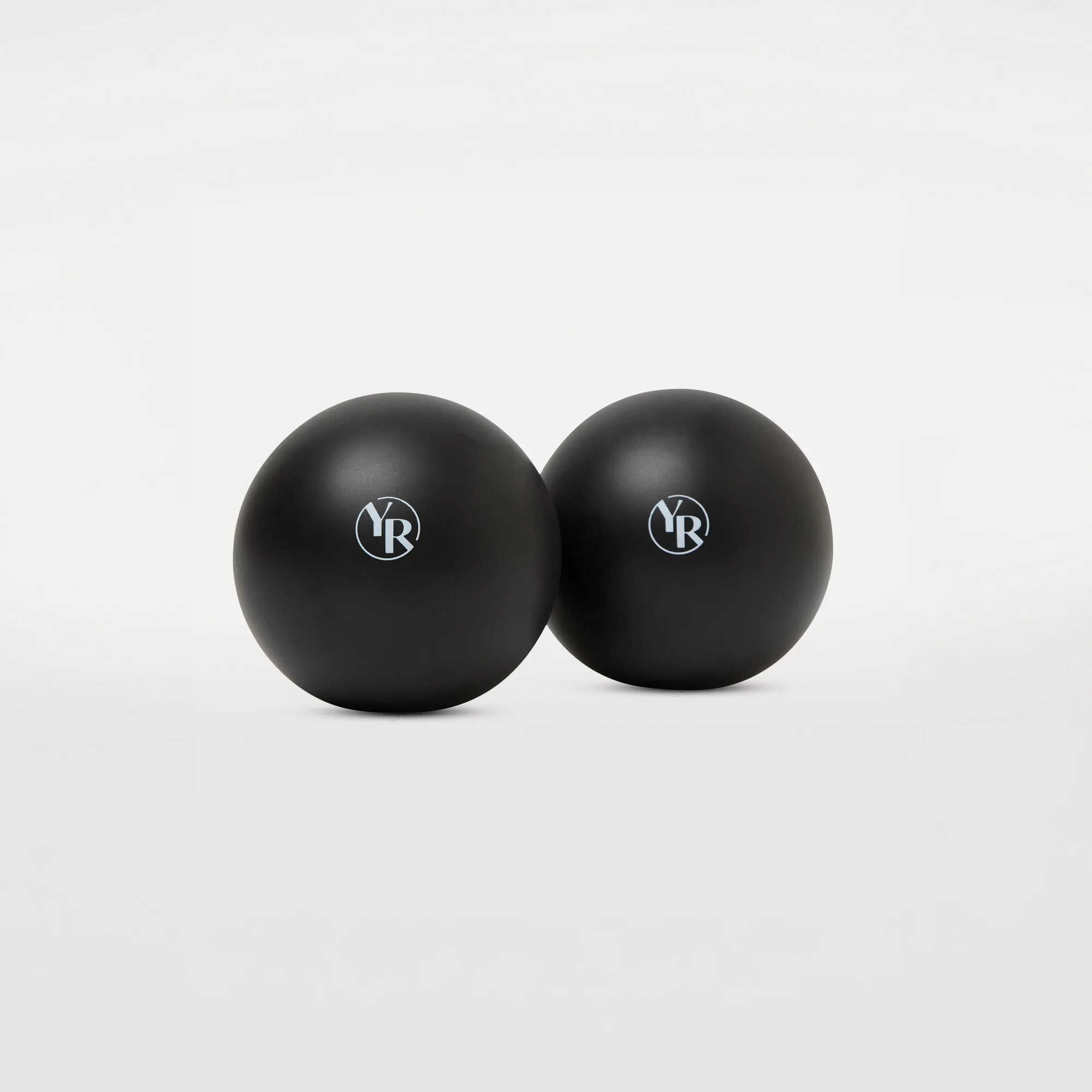
Choose a small Pilates ball (around 9 inches) if your main focus is core activation, spinal articulation, and exercises like pelvic curls or inner thigh work. A medium ball (around 14 inches) works better for full-body support, seated balance, and restorative postures. Your height and the specific exercise type matter more than brand.
Pilates ball
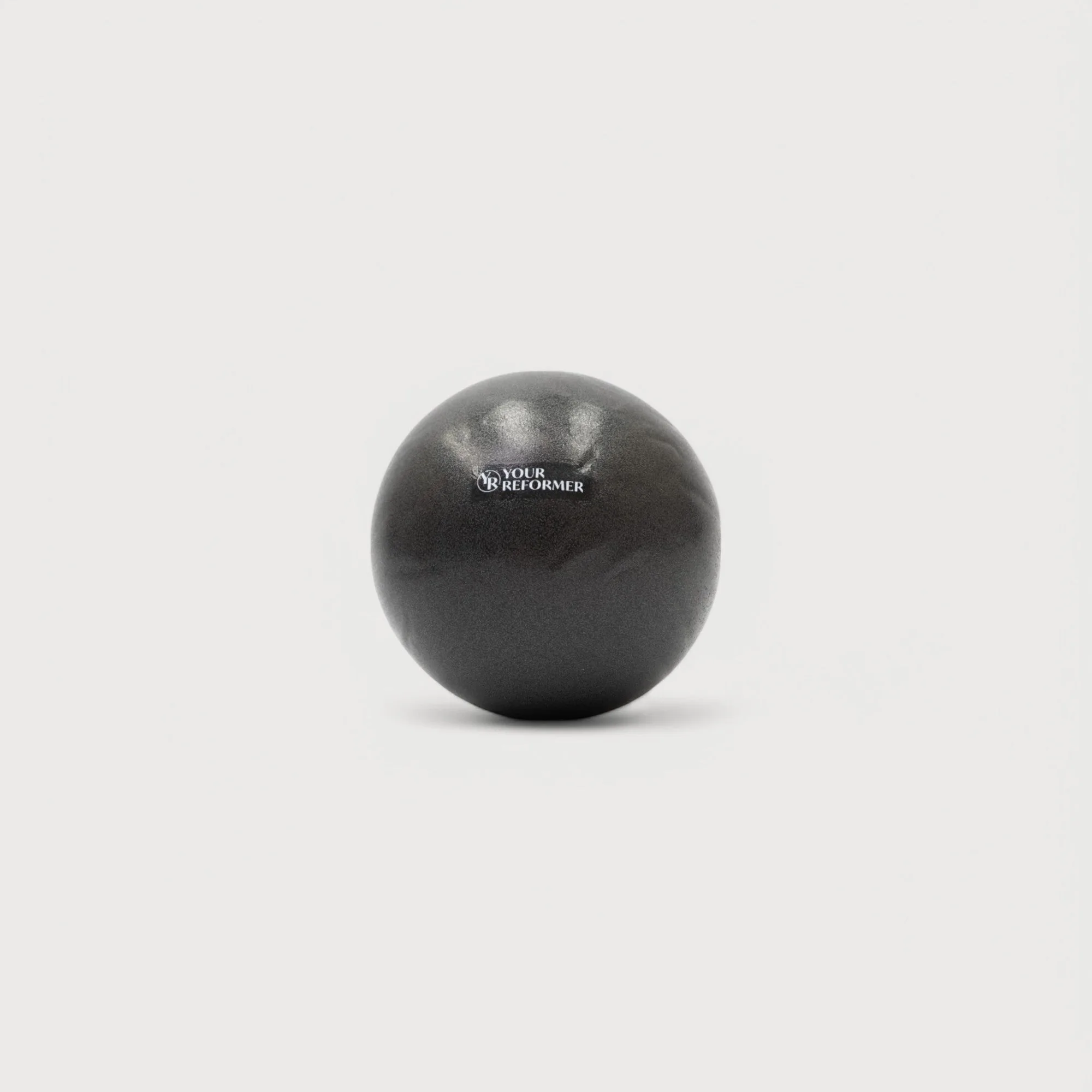
The Pilates ball is one of the most versatile props you can own, but picking the wrong size can turn a targeted core exercise into a frustrating balancing act. The key is matching the ball's diameter to your primary workout goal, not just grabbing whatever is on sale.
This guide breaks down the decision by ball size, exercise type, and body proportions so you can choose with confidence. We also look at how a ball fits into a broader home practice setup, including essential accessories that support your routine.
Why Ball Size Matters in Pilates
In Pilates, the ball is not just a cushion or a toy. It creates instability that forces your deep stabilizers to work harder, or it provides support that allows you to move through a greater range of motion. A ball that is too large can over-stretch your hip flexors during supine work, while one that is too small may not offer enough lift for seated exercises. The wrong size can also cause you to compensate with your lower back or shoulders, reducing the effectiveness of the movement and increasing discomfort.
Most Pilates balls fall into two size categories. Small balls, roughly 9 inches in diameter when inflated, are ideal for targeted core work, inner thigh squeezes, and spinal articulation. Medium balls, around 14 inches, are better suited for full-body support, seated balance, and restorative postures. A few extra-large balls exist for physical therapy settings, but they are rare in general home practice.
- Measure your ball when fully inflated, not from the package, as some balls arrive under-inflated.
Matching Ball Size to Your Workout Goals
If your primary goal is core activation and spinal articulation, a small ball (9 inches) is your best bet. It fits neatly behind your lower back during pelvic curls, between your thighs for inner thigh squeezes, or under your sacrum for bridge variations. The smaller diameter keeps the ball close to your body, so you feel the engagement immediately without having to chase the ball across the mat.
If you want a ball for seated balance work, chest openers, or restorative postures, a medium ball (14 inches) offers more stability and lift. It elevates your hips higher off the mat, which can help with alignment in seated spinal twists or side-lying leg lifts. It also works well as a gentle back support during supine stretching.
- For a balanced home practice, consider owning both sizes if your budget allows and you have storage space.
How Body Proportion Affects Your Choice
Your height and leg length influence how a ball feels during use. If you are under 5 feet 4 inches, a 9-inch ball will likely feel more natural for most exercises, while a 14-inch ball may feel too large for comfortable core work. Taller practitioners, especially those over 5 feet 8 inches, often prefer the 14-inch ball for seated work because it provides enough lift to maintain good posture without hunching.
Arm length also matters for exercises where you hold or squeeze the ball. A small ball is easier to grip and squeeze between your hands or knees, while a medium ball may require more arm span to control. If you have shorter arms, the small ball gives you more control during upper body movements.
- Try borrowing a ball from a friend or studio before committing if you are between sizes.
Your Quick Decision Rules
- Goal: Core activation & spinal articulation: Choose a small 9-inch ball. It fits behind your lower back, between thighs, or under sacrum without rolling away. Small ball for precision work.
- Goal: Seated balance & restorative work: Choose a medium 14-inch ball for better lift, stability, and support during seated twists and chest openers. Medium ball for support.
- Body type: Under 5'4" or shorter arms: A 9-inch ball will feel more natural and easier to control for most exercises. Small ball for shorter frames.
- Body type: Over 5'8" or longer legs: A 14-inch ball provides enough height for proper seated alignment without hunching. Medium ball for taller frames.
- Storage or budget limitation: Start with a 9-inch ball if you do only one. It covers the widest range of core and targeted exercises. Small ball is the versatile starter.
Essential Accessories for Your Home Practice
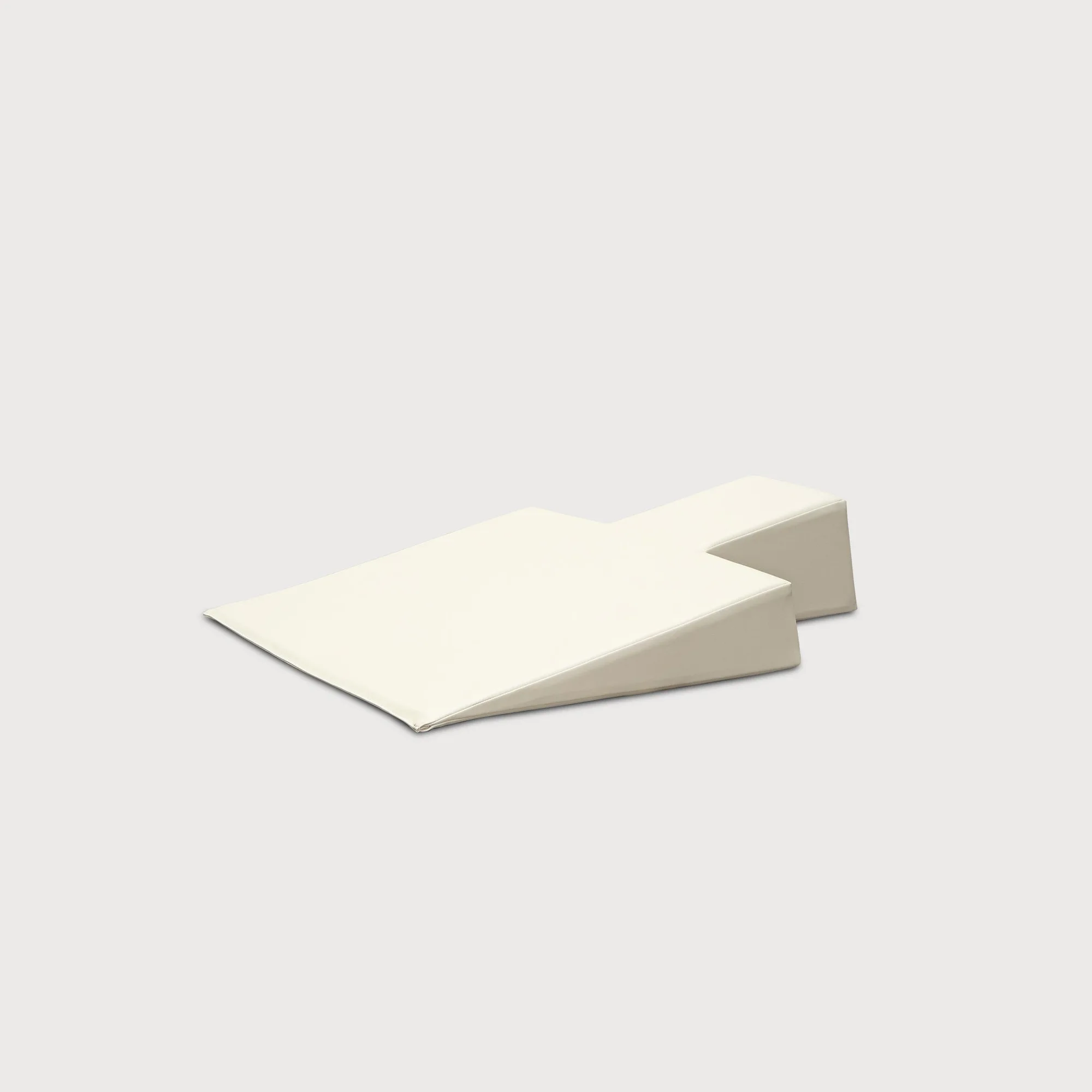
- Pilates Wedge: The Pilates Wedge is a triangular foam support designed to work with your body rather than against it, placing your hips, spine, and pelvis in proper alignment so you can actually feel what each exercise is asking of you. Pairing a wedge with your ball can improve alignment during supine work, especially if you experience lower back discomfort during pelvic curls or bridge variations.
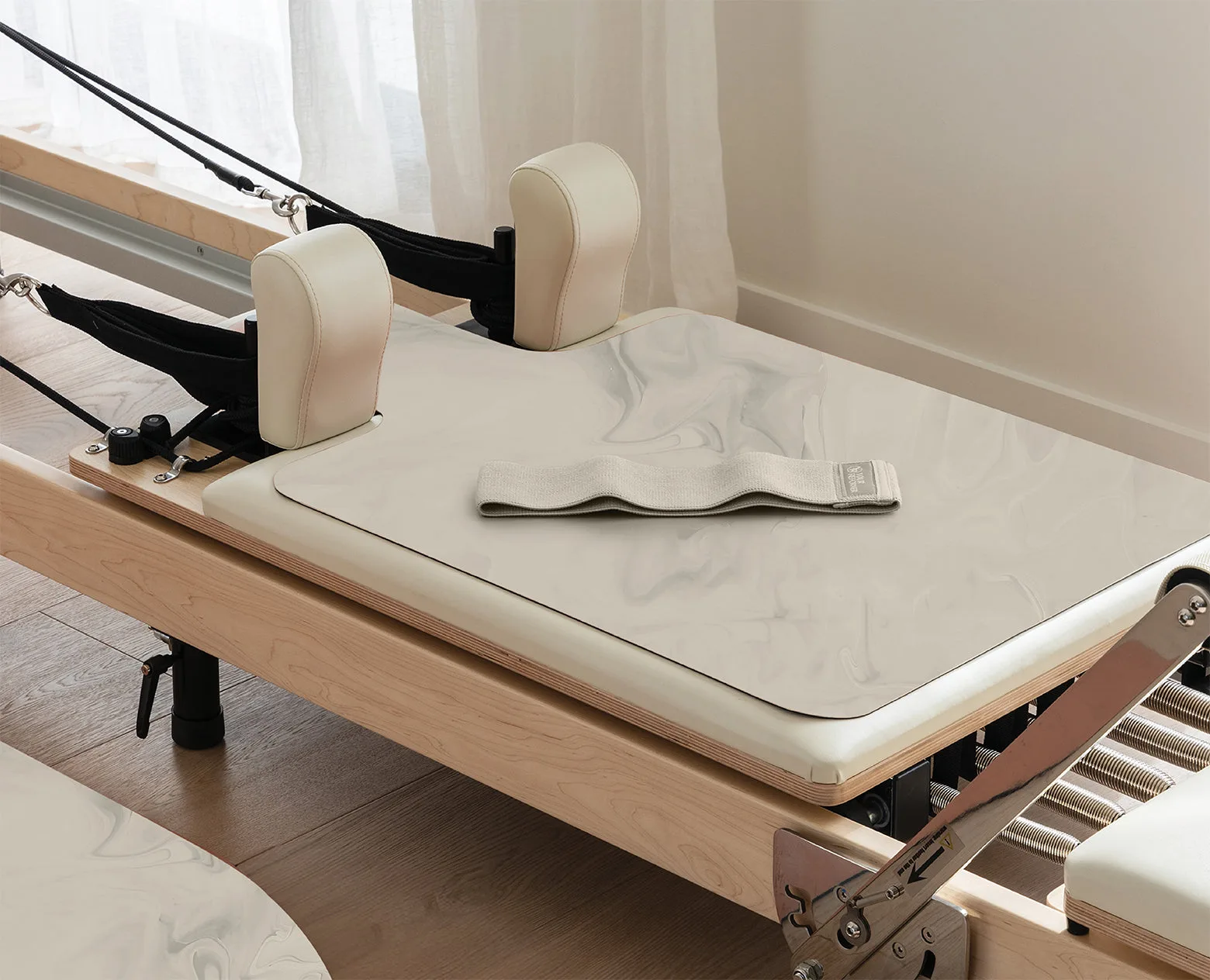
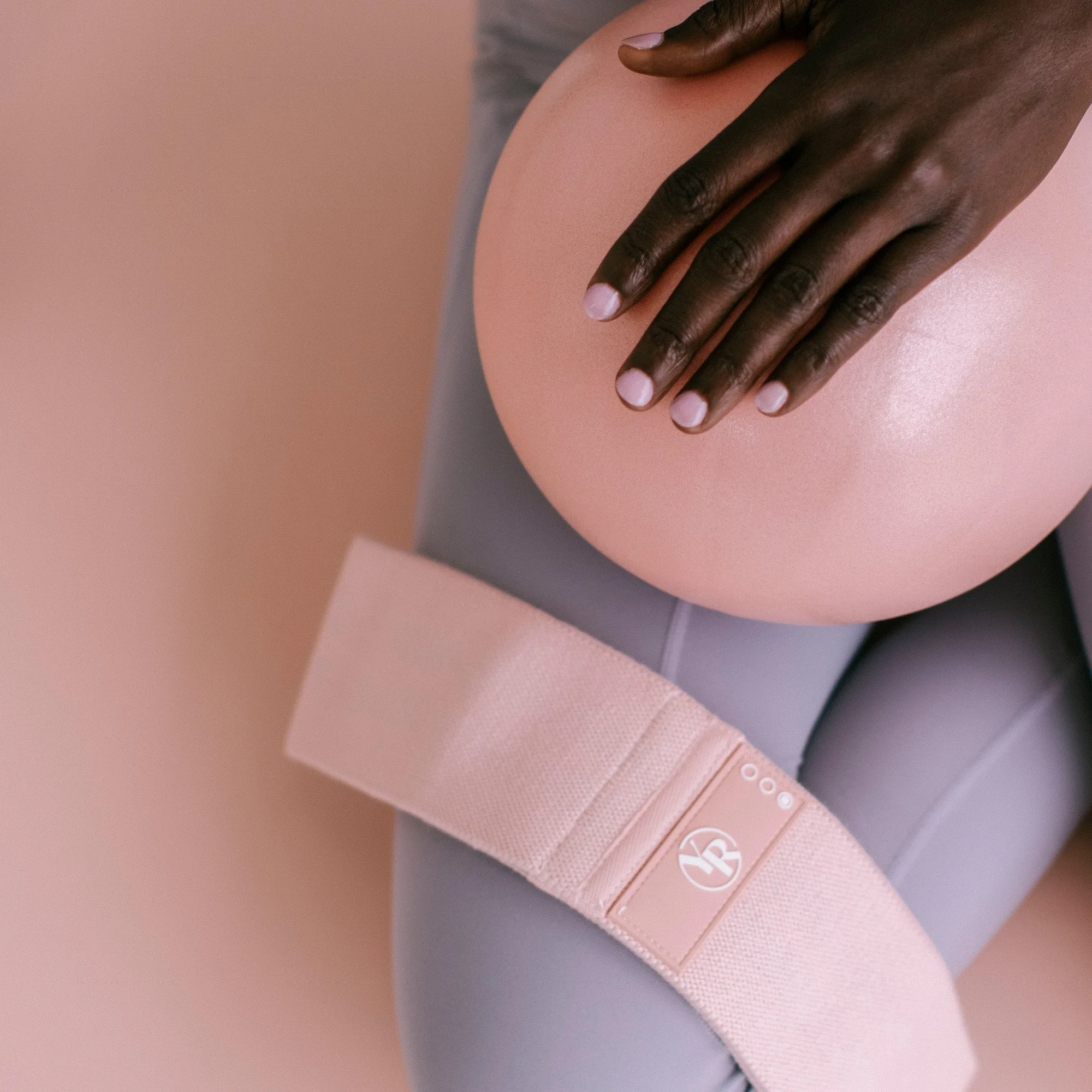
- Mat Pilates Pack: This thoughtfully curated Mat Pilates Pack includes all the essential mat pilates equipment to move with intention—whether you're flowing through your morning routine, squeezing in a lunch break session, or winding down after the kids are asleep. If you are building a home practice, this pack gives you a complete setup so you can focus on your routine instead of tracking down individual pieces.
Which Ball Fits Your Practice?
Best for
- Practitioners who want a single prop for core-focused mat work
- Home users with limited storage who need a versatile, compact ball
Not ideal for
- Practitioners who primarily do restorative or seated balance work and need more lift
- Taller users who find small balls too low for comfortable seated alignment
Choosing the right Pilates ball comes down to matching its size to your primary exercise goals and body proportions. A small 9-inch ball excels at core activation and targeted work, while a medium 14-inch ball offers better support for seated and restorative postures. Pair your ball with a wedge for better alignment or a full mat pack for a complete home setup, and you will get more out of every session.