Quick Answer
When choosing a plushie size, start by measuring your display space and deciding the plushie's purpose. For shelves or desks, 7-inch plushies work well; for statement pieces, go larger. Mixing sizes creates visual interest, but always consider your budget and storage limits.
Plushies come in all shapes and sizes, from tiny keychain companions to life-sized statement pieces. Choosing the right size can be tricky, especially when you're building a collection or planning a display. The right plushie size depends on where you'll put it, how you want it to look, and how much you're willing to spend.
This guide breaks down the key factors to consider, offers practical tips for mixing sizes, and helps you avoid common mistakes. Whether you're a seasoned collector or just starting, you'll leave with a clear plan for your next plushie purchase.
Consider Your Display Space
Before buying any plushie, measure the area where you plan to display it. A bookshelf, desk, or display case each has different depth and height limits. A 7-inch plushie fits easily on a standard shelf, while a 12-inch or larger plushie might need its own dedicated spot. Use a tape measure to visualize how the plushie will sit in the space, and remember to account for its width and depth, not just height.
Think about the overall layout of your collection. If you have a mix of figures and plushies, consider how they'll interact. A large plushie can dominate a shelf, so you might want to place it on a lower shelf or a separate stand. For a cohesive look, group plushies of similar sizes together, or create a focal point with a larger piece surrounded by smaller ones.
- Measure your shelf depth and height before buying to avoid surprises.
- Use risers or stands to create levels and make smaller plushies more visible.
Match Size to Purpose
What will you use the plushie for? If it's for cuddling, a larger size (12 inches or more) is more comfortable. If you want to display it on your desk or bag, a smaller size (7 inches or less) is practical and won't take up too much room. For a statement piece that anchors a shelf or room, go big – but be prepared for the extra cost and space it requires.
Consider the plushie's design and detail level. Smaller plushies may lose some detail, while larger ones can show off more intricate features. For example, a 7-inch plushie like the Pokémon All Star Collection Munchlax Plush captures Munchlax's chubby body and expression in a compact, display-friendly size. If you want a plushie that stands out from across the room, a larger size might be worth the investment.
- For cuddling, choose 12 inches or larger.
- For desk or bag display, 7 inches or smaller is ideal.
- For a focal point, consider a larger plushie that commands attention.
Budget and Storage Trade-offs
Larger plushies cost more, both in price and storage space. A premium 12-inch collectible might be a significant investment, while a 7-inch plushie is often more affordable and easier to store. If you're on a budget, start with smaller sizes and gradually add larger pieces. Keep in mind that plushies need to be stored when not on display – larger ones require more closet or bin space.
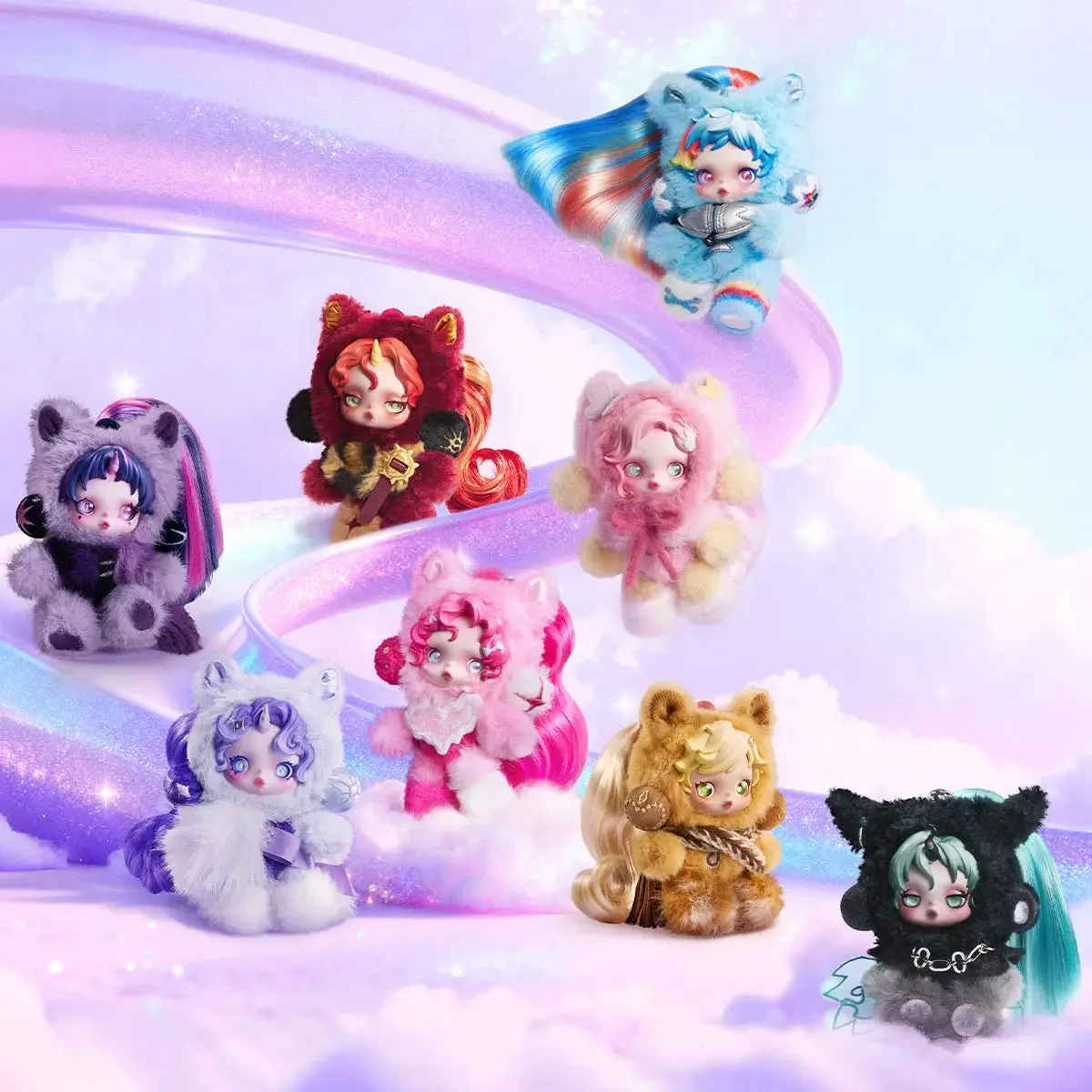
Also, consider the resale value and collectibility. Limited edition or collaboration plushies, like the SKULLPANDA x My Little Pony Plush Doll Pendant Blind Box, come in a set and can be collected in a series. These often come in a standard size, so you don't have to worry about size variations. But if you're collecting a series, consistency in size can be more important than individual size choices.
- Set a budget per plushie and stick to it.
- Plan storage space for plushies not on display.
- For series collections, prioritize consistency in size.
Decision Rules for Choosing Plushie Size
- Measure your space first: Use a tape measure to check the depth, height, and width of your display area. Note the dimensions of plushies you're considering. Avoid buying a plushie that won't fit your shelf or desk.
- Define the plushie's purpose: Decide if the plushie is for cuddling, display, or carrying around. This will narrow down the size range. Cuddling = larger, display = medium, carrying = small.
- Set a budget and stick to it: Larger plushies cost more. Determine your budget per plushie and factor in storage costs. Start with smaller sizes if budget is tight, and expand later.
Plushie Sizes in Practice
- Pokémon All Star Collection Munchlax Plush, 7": This officially licensed plush is 7 inches tall and captures Munchlax's chubby teal body and perpetually hungry expression in soft detail. A 7-inch plushie is a versatile size that fits on most shelves, desks, and even in a backpack. It's a great starting point for a collection or a gift.
- SKULLPANDA x My Little Pony Series Plush Doll Pendant Blind Box by POP MART: Each blind box contains one mystery plush doll pendant, soft and collectible, ready to hang from your bag, keys, or display shelf. This pendant-style plushie is much smaller than a typical display plush, making it perfect for those who want to carry their collection with them or add a subtle accent to a display without taking up much space.
Which Plushie Size Fits You?
Best for
- Small plushies (7 inches and under) are best for desk displays, bag charms, or starting a collection on a budget.
- Medium plushies (8-12 inches) are best for shelf displays and cuddling without taking up too much space.
Not for
- If you have limited shelf space or a tight budget, avoid large plushies (over 12 inches) that require dedicated display areas and higher costs.
Choosing the right plushie size is about balancing your space, purpose, and budget. Start by measuring your display area, decide what you'll use the plushie for, and set a spending limit. With these rules in mind, you can build a collection that looks great and fits your lifestyle. Happy collecting!