Probiotics have become a buzzword in pet wellness, but they are far more than a trend. These beneficial bacteria play a vital role in your dog's digestive health, immune function, and even mood regulation. If you've ever wondered whether a probiotic supplement is right for your pup or how to pick the best one, you're not alone. With so many products on the market, understanding what to look for can make all the difference.
In this guide, we'll walk you through the most important factors to consider when selecting a probiotic for your dog. From specific bacterial strains to dosage guidelines, you'll learn how to support your dog's gut health effectively and safely. We'll also highlight some of the best probiotic options available at Open Farm to get you started.
Why Probiotics Matter for Your Dog's Health
Your dog's gastrointestinal tract is home to trillions of microorganisms that form a complex ecosystem known as the gut microbiome. This community of bacteria, yeasts, and other microbes influences everything from digestion and nutrient absorption to immune system regulation. When the balance of good and bad bacteria is disrupted—due to stress, antibiotics, poor diet, or illness—it can lead to issues like diarrhea, constipation, gas, bloating, and even skin problems.
Probiotic supplements introduce live beneficial bacteria into your dog's gut, helping to restore balance and promote overall wellness. Research shows that specific probiotic strains can reduce the duration of acute diarrhea, improve stool quality, and enhance the immune response. For dogs with chronic digestive issues or those recovering from antibiotic treatment, a high-quality probiotic can be a game-changer. The key is choosing the right strains and ensuring the product is formulated for canine biology.
- Look for a probiotic that lists specific strains (e.g., Enterococcus faecium, Bacillus coagulans) rather than just 'proprietary blend'.
Key Probiotic Strains for Dogs and Their Benefits
Not all probiotics are created equal. Different bacterial strains have different effects on the body, so it's important to match the strain to your dog's specific needs. Here are some of the most researched and effective probiotic strains for dogs:
Enterococcus faecium is one of the most common strains found in canine probiotics. It helps support immune function and can improve stool consistency, making it ideal for dogs with occasional diarrhea. Bacillus coagulans is a spore-forming bacterium that survives stomach acid and reaches the intestines alive, where it aids digestion and helps reduce gas. Lactobacillus acidophilus is well-known for supporting overall gut health and may also help with lactose digestion. Bifidobacterium animalis is often used to alleviate symptoms of irritable bowel syndrome and can reduce inflammation in the gut.
- If your dog has a sensitive stomach, look for a product containing multiple strains to cover a wider range of benefits.
How to Determine the Right Dosage and Form
Probiotic dosage is typically measured in colony-forming units (CFUs). For most dogs, a daily dose of 1 to 10 billion CFUs is effective, but the ideal amount depends on your dog's size, age, and health condition. Small dogs (under 20 pounds) may benefit from 1–2 billion CFUs, while medium to large dogs may need 5–10 billion CFUs. Always start with the lower end of the recommended range and gradually increase if needed, monitoring your dog's response.
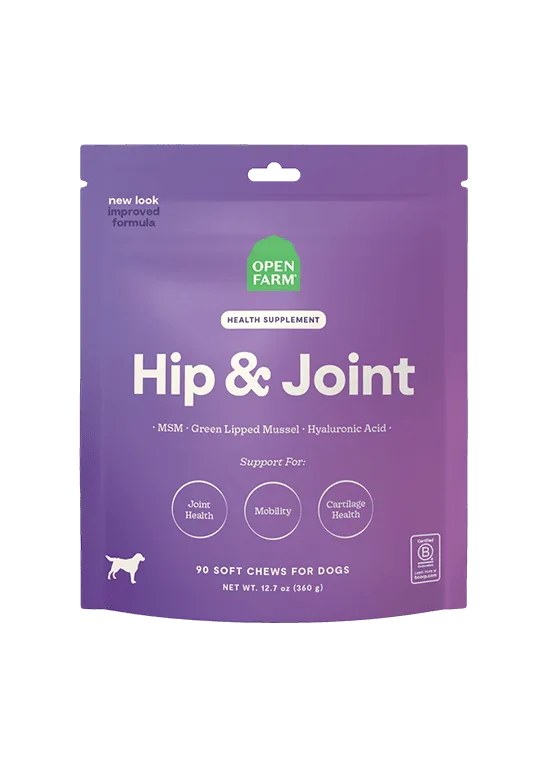
Probiotics come in several forms: powders, chews, capsules, and even freeze-dried treats. Powders can be mixed into food, which is convenient for picky eaters. Chews are easy to administer and often contain additional beneficial ingredients like prebiotics or enzymes. For dogs that need extra support for their joints, consider a product like the Hip & Joint Supplement Chews for Dogs, which combines probiotics with glucosamine and chondroitin for dual benefits. Always check the expiration date and storage instructions, as live probiotics are sensitive to heat and moisture.
- Store probiotic supplements in a cool, dry place or refrigerate them if recommended on the label to maintain potency.
What to Look for in a High-Quality Dog Probiotic Supplement
When shopping for a probiotic supplement, quality matters. Look for products that guarantee live bacteria through the expiration date, not just at the time of manufacture. Third-party testing for purity and potency is a plus. Also, check that the product is specifically formulated for dogs—human probiotics may contain strains or doses that are not appropriate for canine digestion.
Open Farm offers a range of supplements designed with your dog's health in mind. For example, the Hip & Joint Supplement Chews for Dogs not only support joint health but also include probiotics for digestive support. If you're looking for a complete meal that already supports gut health, the Goodbowl Grass-Fed Beef & Brown Rice Dog Kibble is made with whole ingredients and includes probiotics to promote a healthy microbiome. Always read the label to confirm the CFU count and strain list.
- Avoid products with artificial preservatives, fillers, or excessive sugar, which can undermine the benefits of probiotics.
When to Introduce a Probiotic to Your Dog's Routine
Probiotics can be beneficial at any stage of life, but certain situations call for extra support. Puppies transitioning to solid food, senior dogs with declining digestive function, and dogs on antibiotics are prime candidates. If your dog experiences stress-related digestive upset—such as during travel, boarding, or after a change in diet—a probiotic can help stabilize their system.
It's also a good idea to introduce probiotics gradually. Start with a half dose for the first few days and watch for any changes in stool or appetite. Most dogs tolerate probiotics well, but if you notice persistent diarrhea or discomfort, consult your veterinarian. For dogs that are picky about their food, you might consider the Picky Pets Bundle, which includes a variety of tasty options that can be paired with a probiotic powder or chew.

Picky Pets Bundle
- Always consult your vet before starting any new supplement, especially if your dog has a chronic health condition or is on medication.
Choosing the right probiotic supplement for your dog doesn't have to be overwhelming. By focusing on proven strains, appropriate dosage, and high-quality ingredients, you can support your dog's digestive health and overall well-being. To get started, explore the Hip & Joint Supplement Chews for Dogs at Open Farm—they combine joint support with probiotics in a tasty chew your dog will love.