Quick Answer
To choose the right quilt pattern, honestly assess your experience with piecing, cutting, and following instructions. Beginners should start with patterns that use simple squares and straight seams, while advanced quilters can tackle curved piecing, paper piecing, or intricate blocks. Look for patterns that list skill level, and compare the required techniques to what you've already mastered.
Every quilter has faced the same moment: you fall in love with a pattern, buy the fabric, and then realize the instructions assume skills you haven't built yet. Choosing a quilt pattern that matches your current ability saves time, fabric, and frustration, and it keeps quilting fun.
This guide gives you concrete decision rules for picking a pattern at any stage. We'll cover what to look for in beginner, intermediate, and advanced patterns, plus how to read pattern labels and estimate the real difficulty before you cut into your favorite fabric.
Know Your True Skill Level
Before browsing patterns, take a honest inventory of your skills. Have you sewn a perfect quarter-inch seam consistently? Can you cut accurately with a rotary cutter? Are you comfortable following multi-step instructions? These basics matter more than how many quilts you've finished.
A good rule: if you've completed two or three small projects like table runners or baby quilts, you're ready for a simple lap quilt. If you've never made a quilt, choose a pattern with only squares and rectangles. If you've mastered half-square triangles and flying geese, you can move to intermediate patterns.
- Count the number of pieces per block: fewer pieces usually means easier.
- Look for patterns that specify 'beginner' or 'easy', but verify by checking the techniques used.
Match Pattern Complexity to Your Experience
Beginner patterns typically use squares and rectangles, straight seams, and simple grid layouts. They avoid set-in seams, curved piecing, and paper piecing. The Accuquilt GO! Die 55256 Square 3 is a great example of a tool that simplifies cutting squares, making a beginner-friendly pattern even easier.
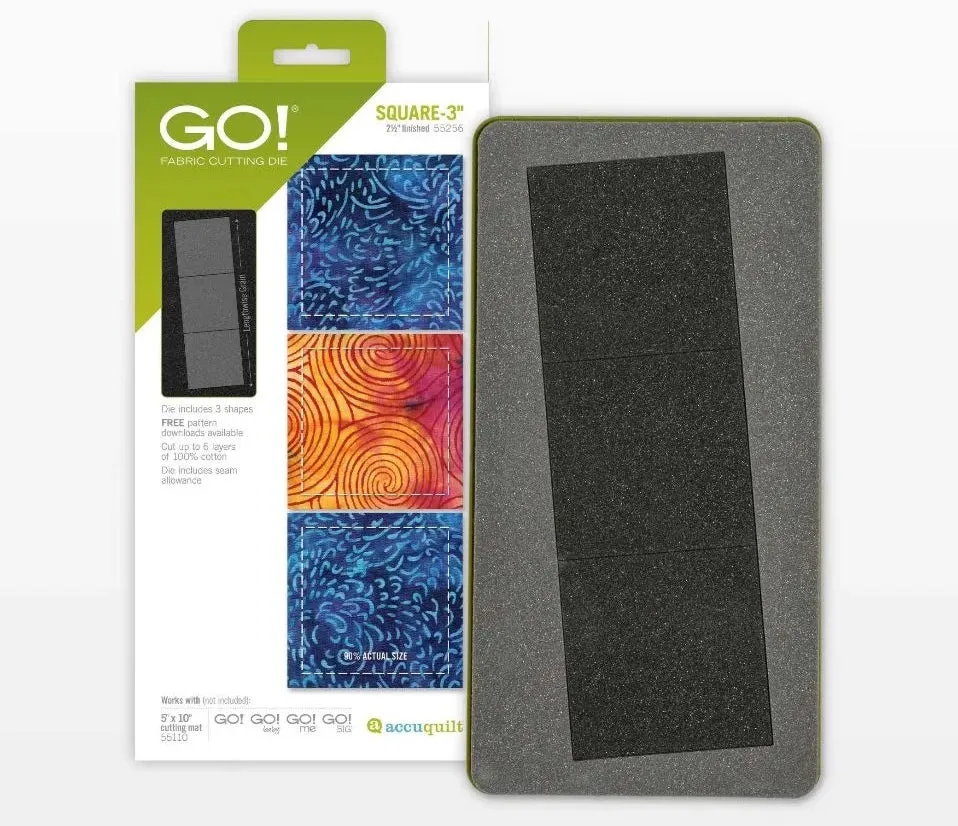
Accuquilt GO! Die 55256 Square 3
Intermediate patterns often introduce half-square triangles, flying geese, or sashing. Advanced patterns may include curved piecing, y-seams, paper piecing, or complex color placement. If a pattern includes techniques you've never tried, plan to practice on scraps first.
- Read the entire pattern before buying to spot any technique you don't know.
- Check the finished size: larger quilts take more time and patience.
Read the Pattern Label Carefully
Most commercial patterns list a skill level, but these labels can be subjective. Look beyond the label and read the materials list. If it calls for specialty rulers, templates, or dies, that adds complexity. Also note the number of blocks and the variety of pieces.
Patterns that require a die cutter, like the Accuquilt GO!, can actually make advanced-looking quilts more accessible because cutting is precise and fast. But if you don't own the die, you'll need to cut by hand, which increases difficulty.
- Check if the pattern requires tools you don't own, such as specialty rulers or dies.
- Look for patterns that include clear diagrams and step-by-step photos.
Decision Rules for Picking a Pattern by Skill Level
- Count the techniques: List every technique the pattern uses: straight seams, half-square triangles, curves, paper piecing, etc. If more than half are new to you, choose a simpler pattern or plan to practice. Stick to patterns where at least 80% of the techniques are ones you've done before.
- Assess the cutting demands: Patterns with many small pieces or bias edges require precise cutting. If you don't have a die cutter or specialty ruler, factor in extra time and potential waste. For your first few quilts, choose patterns with larger pieces and straight grain edges.
- Check the pattern's support: Look for patterns with detailed instructions, diagrams, and online tutorials. A pattern that leaves steps to the imagination is risky for a beginner. If the pattern feels vague, save it for when you have more experience.
Products That Help You Match Your Skill Level
- Accuquilt GO! Die 55256 Square 3: Quilters need squares in all kinds of sizes! The GO! Square-3" finishes at 2 1/2" for you to piece into tons of projects! Fussy cut your prints to frame your favorite bits of fabric. Team this die up with the GO! Half Square Triangle-2 1/2" Finished Square (55257) for lots of design possibilities. This die cuts perfect 3-inch squares (finishing at 2.5 inches) in seconds, making it ideal for beginners who want accurate pieces without the stress of rotary cutting. It also opens up easy patterns like the GO! Sawtooth Nine Patch.
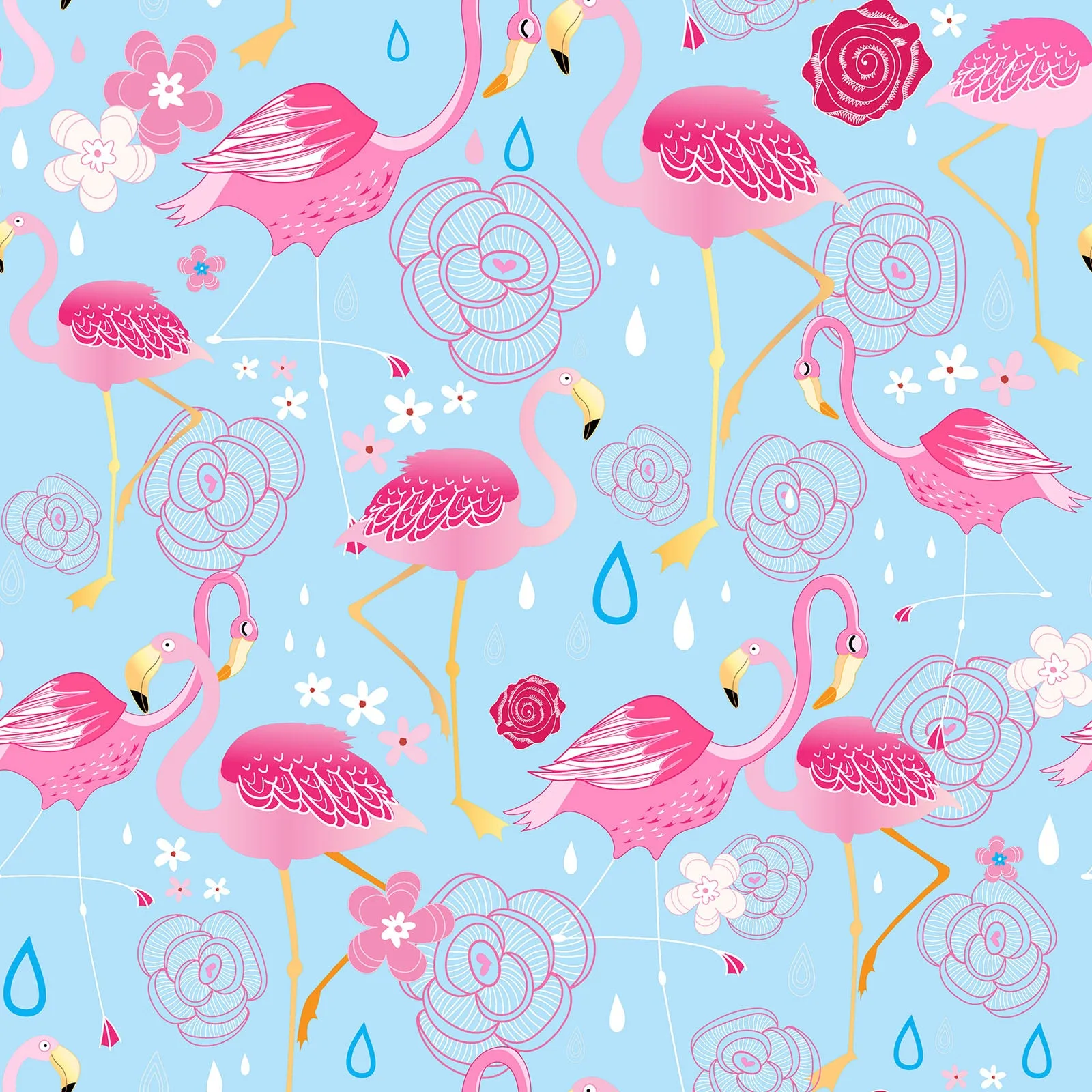
- IN THE BEGINNING - Alice by Jason Yenter - Flamingos - Pink: 100% cotton quilting fabric, 44/45 inch wide. For a beginner pattern, choosing a high-quality 100% cotton fabric like this one ensures it's easy to cut, sew, and press. The playful flamingo print also adds visual interest without requiring complex piecing.
Which Pattern Fits You?
Best for beginners
- Quilters who have completed at least one small project and want to build confidence with simple squares and straight seams.
- Those who want a quick, satisfying project with minimal fabric waste and clear instructions.
Not for beginners
- Patterns with curved piecing, set-in seams, or paper piecing, which require advanced skills and patience.
- Large quilts with many pieces that can overwhelm a new quilter.
Choosing the right quilt pattern is about matching your current skills to the pattern's demands. Start simple, build your confidence, and gradually take on more complex techniques. Remember, every expert quilter was once a beginner—pick a pattern that excites you but doesn't frustrate you, and enjoy the journey.