Quick answer
Choose a quilting kit by matching the tools to the skills you already have. Beginners should start with a set that covers cutting, piecing, and basic machine quilting, while intermediate and advanced quilters get more value from specialty needles, batting, and subscription boxes that add variety. If you are unsure, a one-time box is the lowest-risk way to test what you actually use.
Quilting kits are not one-size-fits-all. A set that delights a first-time quilter can frustrate someone who already owns three rotary cutters and a favorite batting. The right kit depends on what you already have, what you plan to make, and how much you want to spend on tools versus fabric.
This guide gives you decision rules instead of a single recommendation. You will see how to evaluate a kit by skill level, when a subscription makes sense, and which add-on products are worth buying separately.
Start with what you already own
Before buying any kit, take inventory of your cutting, piecing, and finishing tools. If you already own a rotary cutter, ruler, and mat, a large beginner set duplicates what you have. In that case, spend your budget on consumables like batting, needles, and blades, or on a subscription that introduces new materials.
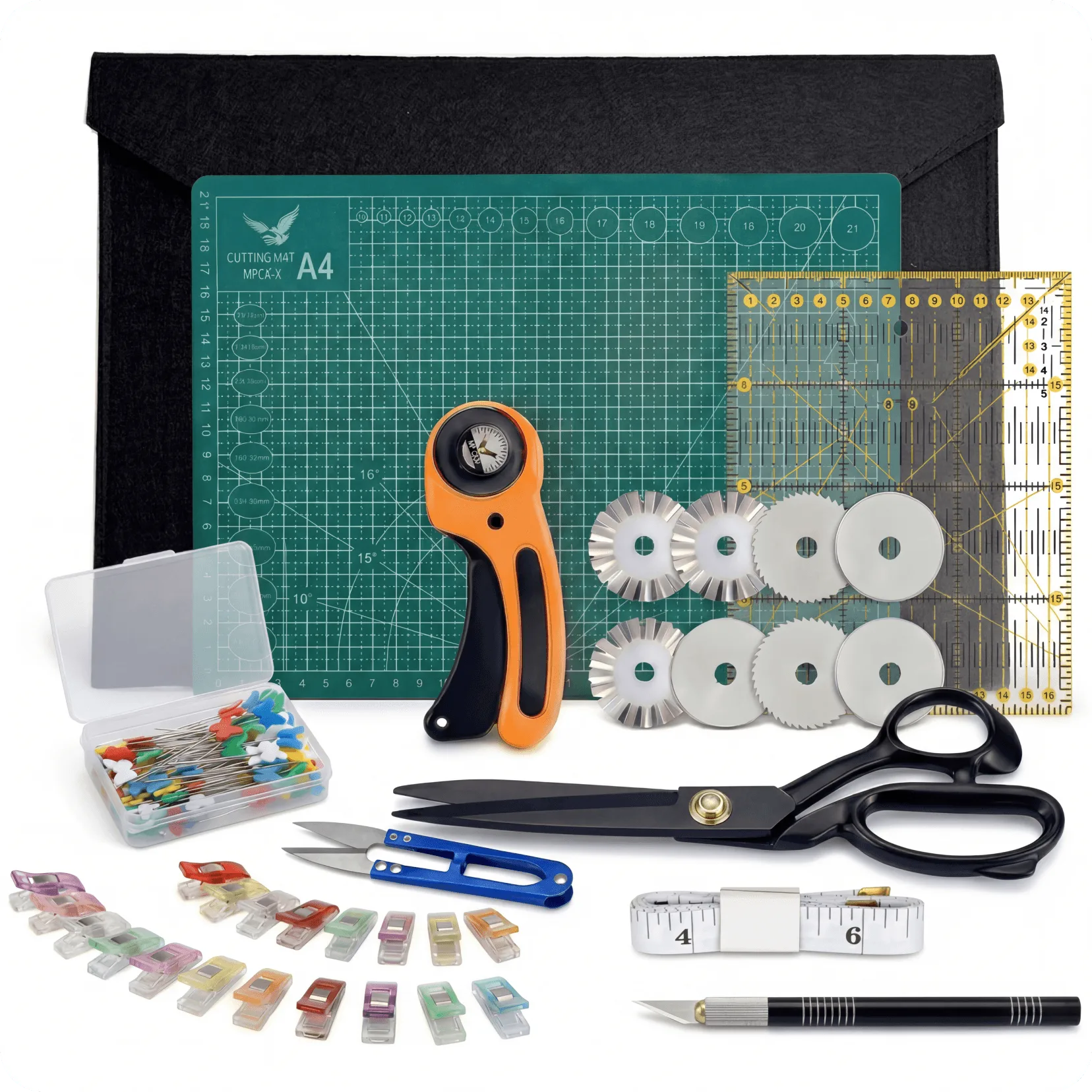
If you are starting from zero, a kit that bundles the core tools saves you from buying mismatched pieces. Look for a set that includes a rotary cutter, blades, pins, and basic measuring tools. The 104-Piece Quilting Set is one example that covers many of these basics in a single purchase.
- List your current tools before you shop to avoid duplicate purchases.
- If you own a cutter but not blades, a blade pack may be a better value than a full kit.
Match kit contents to your skill level
Beginners need tools that reduce common errors: sharp blades, accurate rulers, and reliable needles. A starter quilting kit should let you cut fabric, piece a simple block, and quilt a small project without hunting for missing items. Avoid kits that are mostly decorative fabric with few practical tools.
Intermediate quilters usually need fewer basic tools and more variety. They benefit from kits that include different batting types, specialty needles, or project-specific supplies. Advanced quilters often prefer to buy individual components, such as industrial needles or specific batting blends, rather than a bundled set.
- Beginner: prioritize cutting and piecing tools.
- Intermediate: prioritize variety in batting and thread.
- Advanced: buy individual components that match your machine and project.
Decide between a one-time kit and a subscription
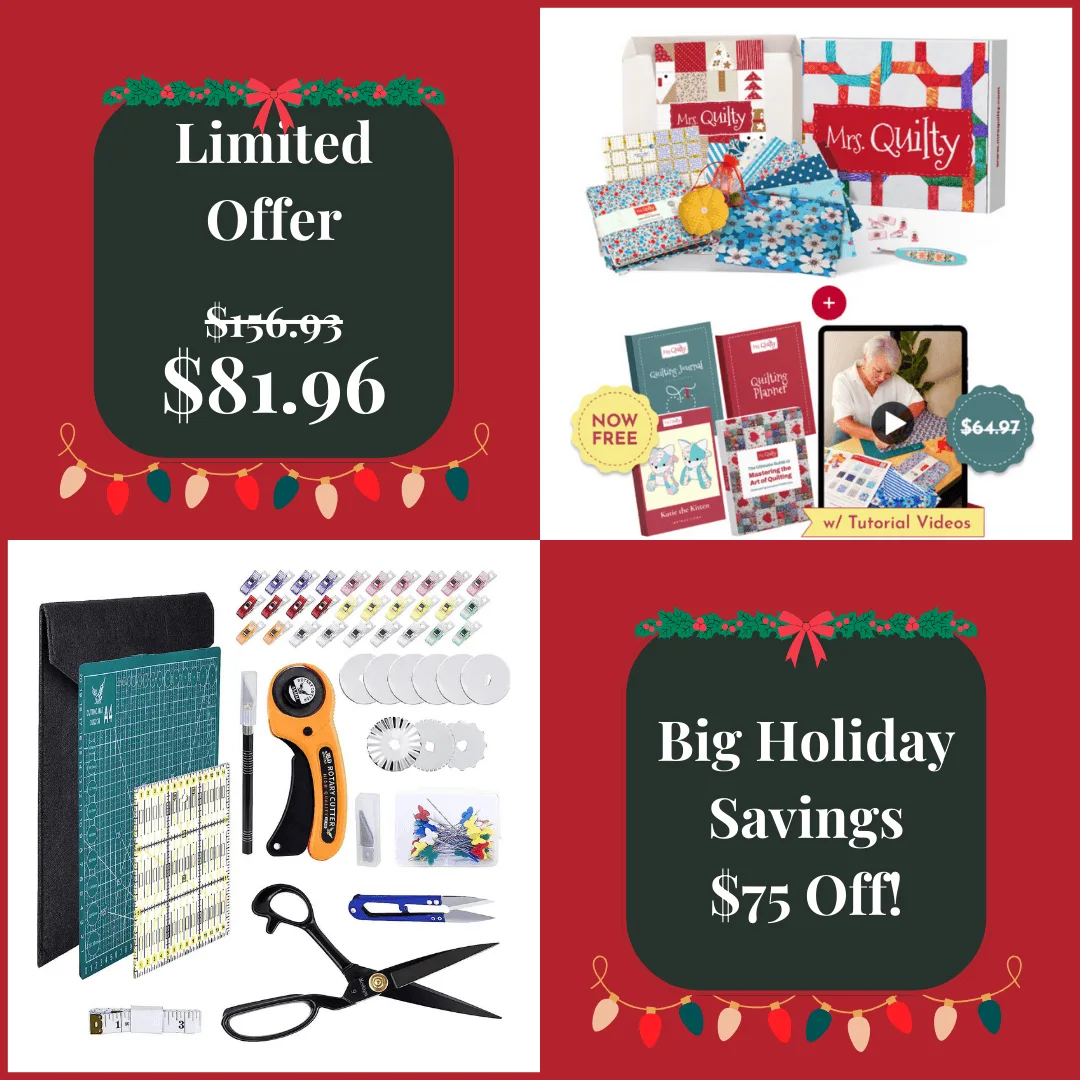
A one-time purchase is best when you know exactly what you need or want to test a service before committing. The One Time Purchase - Mrs Quilty Box lets you sample a curated box without a recurring charge. That is useful if you are unsure whether a subscription fits your quilting pace.
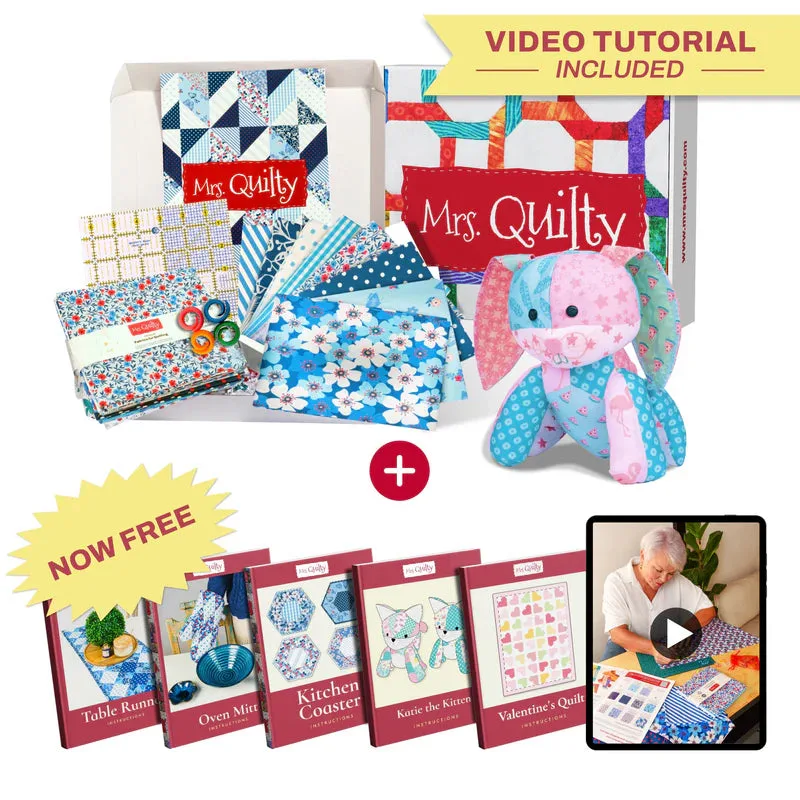
One Time Purchase - Mrs Quilty Box
A subscription makes sense if you quilt regularly and enjoy discovering new materials. It spreads the cost over time and keeps your supplies rotating. The trade-off is less control over what arrives each month. If you prefer to choose every item yourself, stick with one-time kits and individual products.
- One-time box: low commitment, good for testing.
- Subscription: better for regular quilters who like surprises.
- If you are brand-loyal to specific tools, buy those separately.
Check the consumables: batting, needles, and blades
Kits often skimp on consumables, which are the items you replace most often. Batting affects drape, warmth, and how easily you can machine quilt. Needles affect stitch quality and thread breakage. Blades affect cut accuracy. A kit that includes quality consumables can be a better value than one with more tools.
For machine quilting, a mid-loft batting like the 93" x 72" Mid Loft 70% Cotton & 30% Poly Batting for Machines Quilter’s Dream offers a balance of softness and stability. If you prefer a more luxurious drape, the 108" x 93" Mid Loft Bamboo Batting Quilter's Dream blends silk, bamboo, cotton, and Tencel. Both are sized for different project scales, so check dimensions before buying.
- Batting size should exceed your quilt top by several inches.
- Needle size must match your fabric weight and machine type.
- Buy blades in packs if you cut frequently.
Fit guidance: who should buy which kit
If you are a beginner who owns no tools, a comprehensive set like the 104-Piece Quilting Set gives you a running start. If you already have tools and want to explore new materials, the One Time Purchase - Mrs Quilty Box is a low-commitment way to try curated supplies. If you only need to restock, buy the specific consumable you are missing.
Intermediate quilters who quilt larger projects should consider batting by the size they need. The 93" x 72" Mid Loft 70% Cotton & 30% Poly Batting for Machines Quilter’s Dream suits throws and baby quilts, while the 108" x 93" Mid Loft Bamboo Batting Quilter's Dream fits full to queen-size quilts. Advanced quilters who run industrial machines should check needle compatibility before buying any kit.
- Beginners: choose a kit with core tools and clear instructions.
- Intermediate: choose kits with varied batting and thread.
- Advanced: buy components individually to match your setup.
Decision rules for choosing a quilting kit
- If you own no quilting tools: Choose a comprehensive starter kit that includes a rotary cutter, blades, and basic measuring tools. The 104-Piece Quilting Set is designed for beginners and covers many essentials. You will avoid buying mismatched pieces separately.
- If you already own core tools: Skip large kits and buy consumables you actually use, such as batting, needles, or blades. Consider a one-time box like the One Time Purchase - Mrs Quilty Box to sample new materials. Spend on what wears out, not duplicates.
- If you quilt large projects: Check batting dimensions before buying any kit. The 108" x 93" Mid Loft Bamboo Batting Quilter's Dream fits full to queen-size quilts, while the 93" x 72" Mid Loft 70% Cotton & 30% Poly Batting for Machines Quilter’s Dream suits smaller throws. Batting size must exceed your quilt top.
- If you use an industrial machine: Verify needle compatibility. The DVX63 80/12 Industrial Sewing Needle is designed for industrial machines and medium to light-weight fabrics. Wrong needles cause thread breakage and poor stitches.
Product facts to know before you buy
- One Time Purchase - Mrs Quilty Box: A one-time purchase option for the Mrs Quilty subscription box, priced at USD 27.48 (catalog comparison price USD 54.97). Lets you test a curated box without committing to a recurring subscription.
- https://mrs-quilty.com/products/104-piece-quilting-set-perfect-for-beginners-imagesbf-3552bd7da492a117b928d0ef-1386634104-Piece Quilting Set: Perfect for Beginners (ImagesBf): Includes a 45mm rotary cutter and 104 pieces, marketed for beginners and seasoned quilters, priced at USD 30.00 (catalog comparison price USD 59.99). A broad starter kit that covers cutting and basic piecing tools in one purchase.
- DVX63 80/12 Industrial Sewing Needle - Quilting & Fabric Crafts: Designed for industrial sewing machines, suitable for medium to light-weight fabrics, with reduced thread breakage, priced at USD 5.00 (catalog comparison price USD 9.99). A specific needle choice for quilters using industrial machines on lighter fabrics.
- 93" x 72" Mid Loft 70% Cotton & 30% Poly Batting for Machines Quilter’s Dream: 70% cotton and 30% polyester batting with ultra-light scrim base, mid-loft, for machine quilting, priced at USD 14.98 (catalog comparison price USD 29.97). Provides softness and stability for machine quilting projects up to throw size.
Is this kit right for you?
Best for
- Beginners who need a complete set of cutting and piecing tools
- Quilters who want to test a subscription box without commitment
- Intermediate quilters looking for specific batting sizes
Not for
- Advanced quilters who already own every basic tool and prefer buying individual components
- Quilters who need a specific needle type not included in a general kit
- Anyone who prefers to choose every fabric and tool themselves
Choose a quilting kit by matching its contents to your current tools and the projects you actually make. A starter set saves beginners from mismatched purchases, while experienced quilters get more value from specific consumables and one-time boxes. Use the decision rules above to buy only what moves your quilting forward.