Quick answer
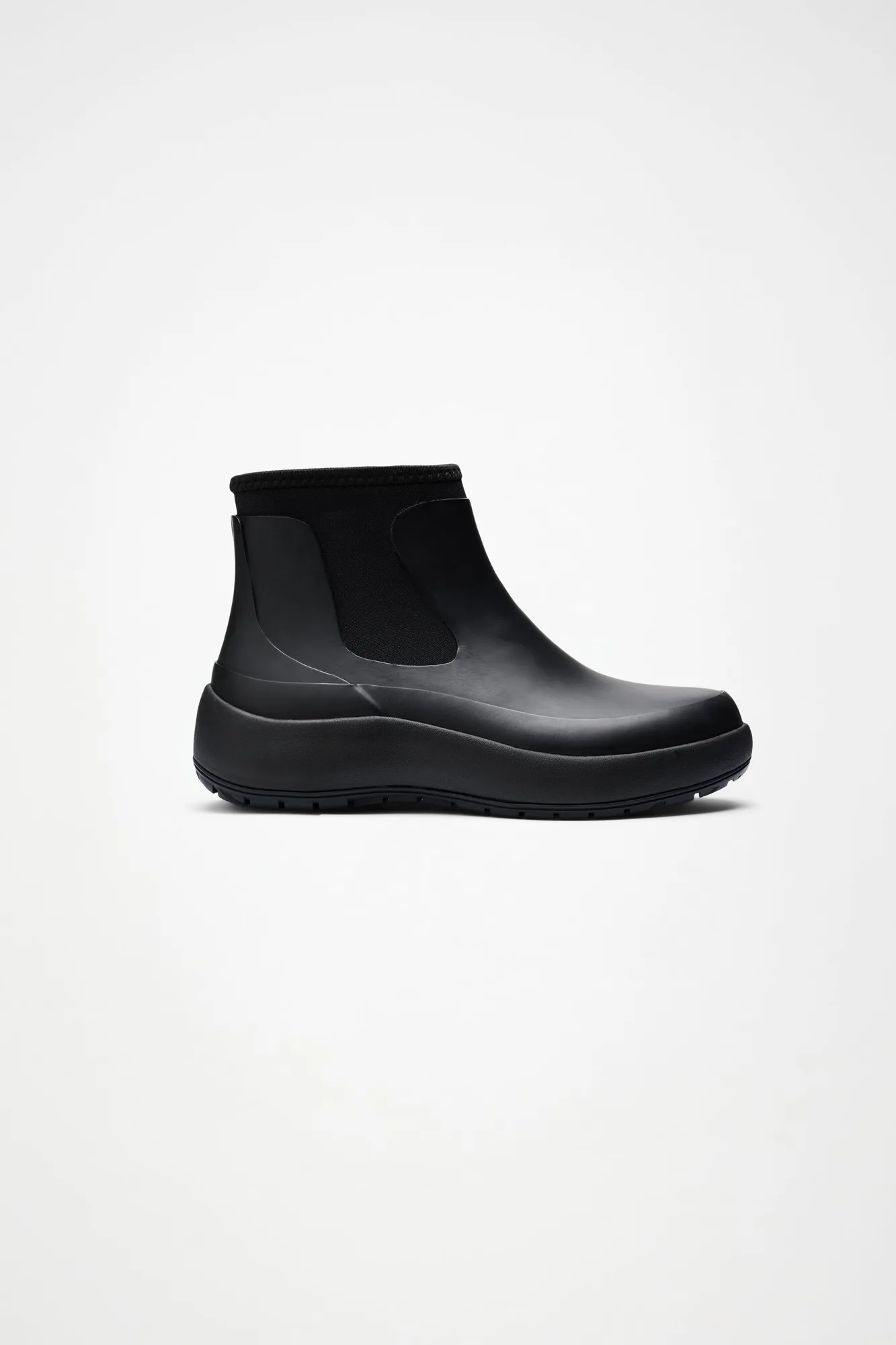
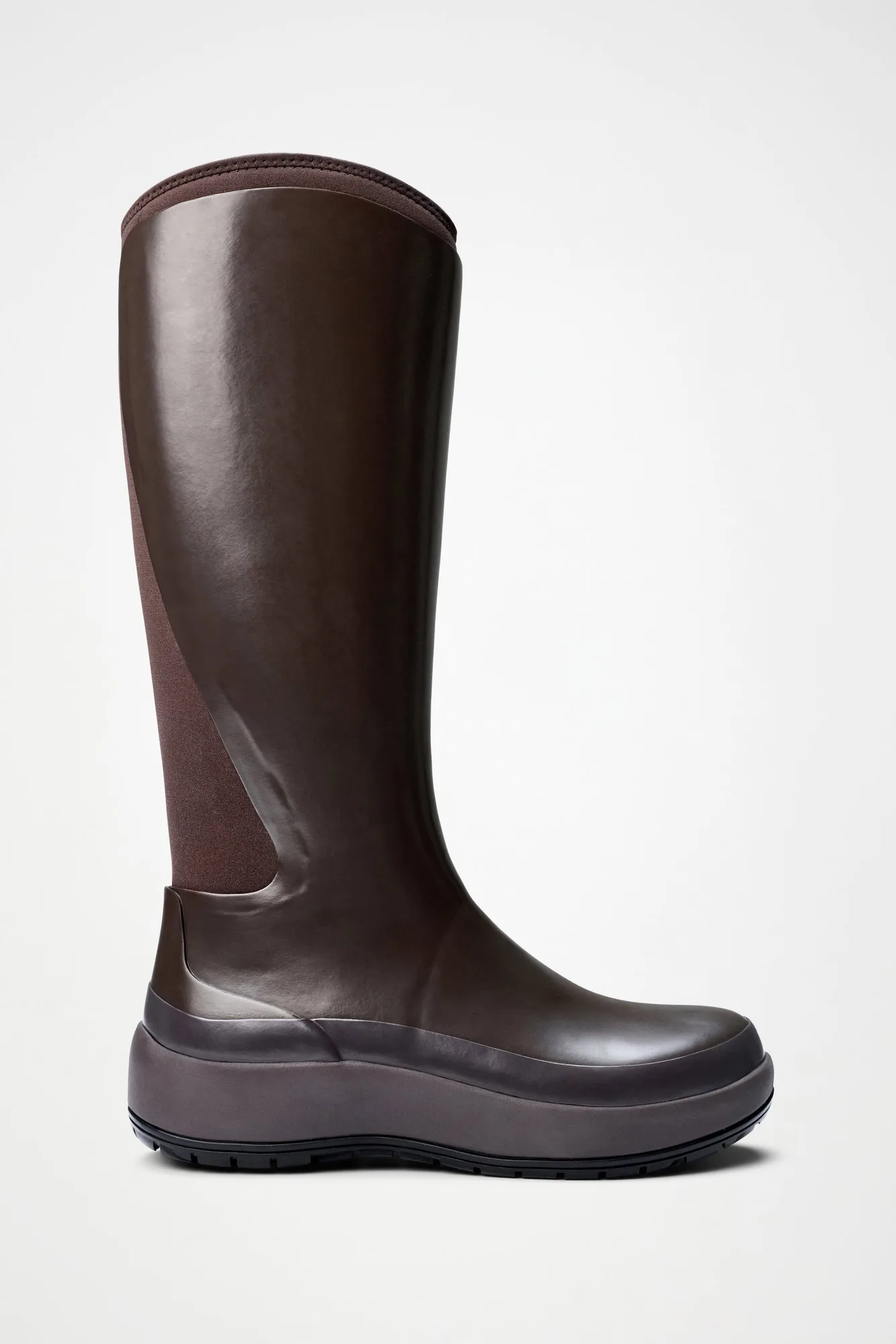
For most commuters, a mid-height rain boot like The Dry Boot M Mid offers the best balance of coverage, comfort, and easy on-off. If you face deeper puddles or longer walks, a high-cut style like The Dry Boot W High provides extra protection.
Mid vs High: What Your Commute Demands
The height of your rain boot directly affects how much water it keeps out. Mid-height boots (around mid-calf) work well for typical sidewalk splashes, light rain, and short walks from parking or transit. High-cut boots extend further up the calf, making them better for deeper puddles, bike commutes, or standing under heavy rain.
Both heights in the Rains Dry Boot range use a waterproof natural rubber shell with a sealed neoprene instep. That instep is key — it flexes as you walk and creates a snug fit around your ankle, so water stays out even when you step into a puddle.
Style and Traction Matter on Wet Pavement
A rain boot that looks clunky can feel out of place at the office or on the train. Rains sculpted city boots have a streamlined silhouette that works with both casual and smart-casual outfits. The grid-like outsole provides solid grip on wet pavement, metal grates, and slippery tiles — a real advantage during rainy commutes.
If you walk more than a mile each way, the cushioned sole in all Dry Boot models adds comfort that standard rubber boots lack. The trade-off: these are city boots, not hiking boots. They handle urban terrain well but are not designed for muddy trails.
Your decision rules
- 1. Count the puddles: If your commute involves standing or walking through standing water deeper than a few inches, choose a high-cut boot like The Dry Boot W High. For standard wet sidewalks and light rain, a mid-height boot like The Dry Boot M Mid is sufficient.
- 2. Match height to your pant style: Mid boots tuck neatly under slim or straight-leg pants. High boots work better with wide-leg or cropped pants where you want a visible boot silhouette. If you wear suits or dress pants, the streamlined mid-height keeps a cleaner line.
- 3. Prioritize easy on-off: If you remove your boots at the office or after a car commute, a mid-height boot with a flexible neoprene instep is faster to slip on and off. High boots require more effort to pull up and may not fit under narrow desk space. Try on your chosen boot with the socks you wear for commuting to confirm the fit is snug but not tight.
Product facts
-
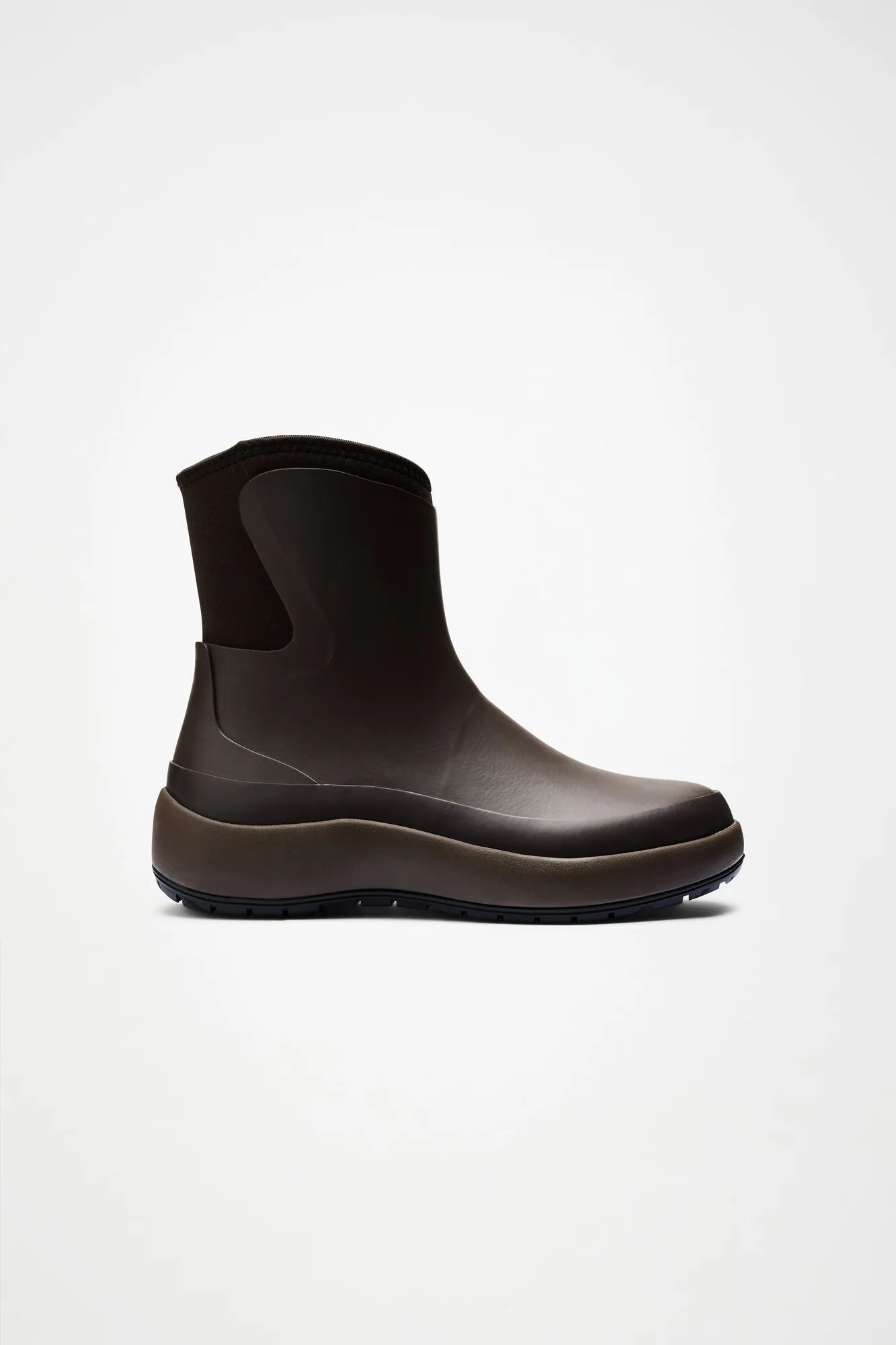
The Dry Boot W Mid: A sculpted, waterproof city boot with a cushioned sole and adaptive neoprene instep. The neoprene instep conforms to your foot for a snug, comfortable fit that prevents water entry during long walks.
The Dry Boot W Mid
-
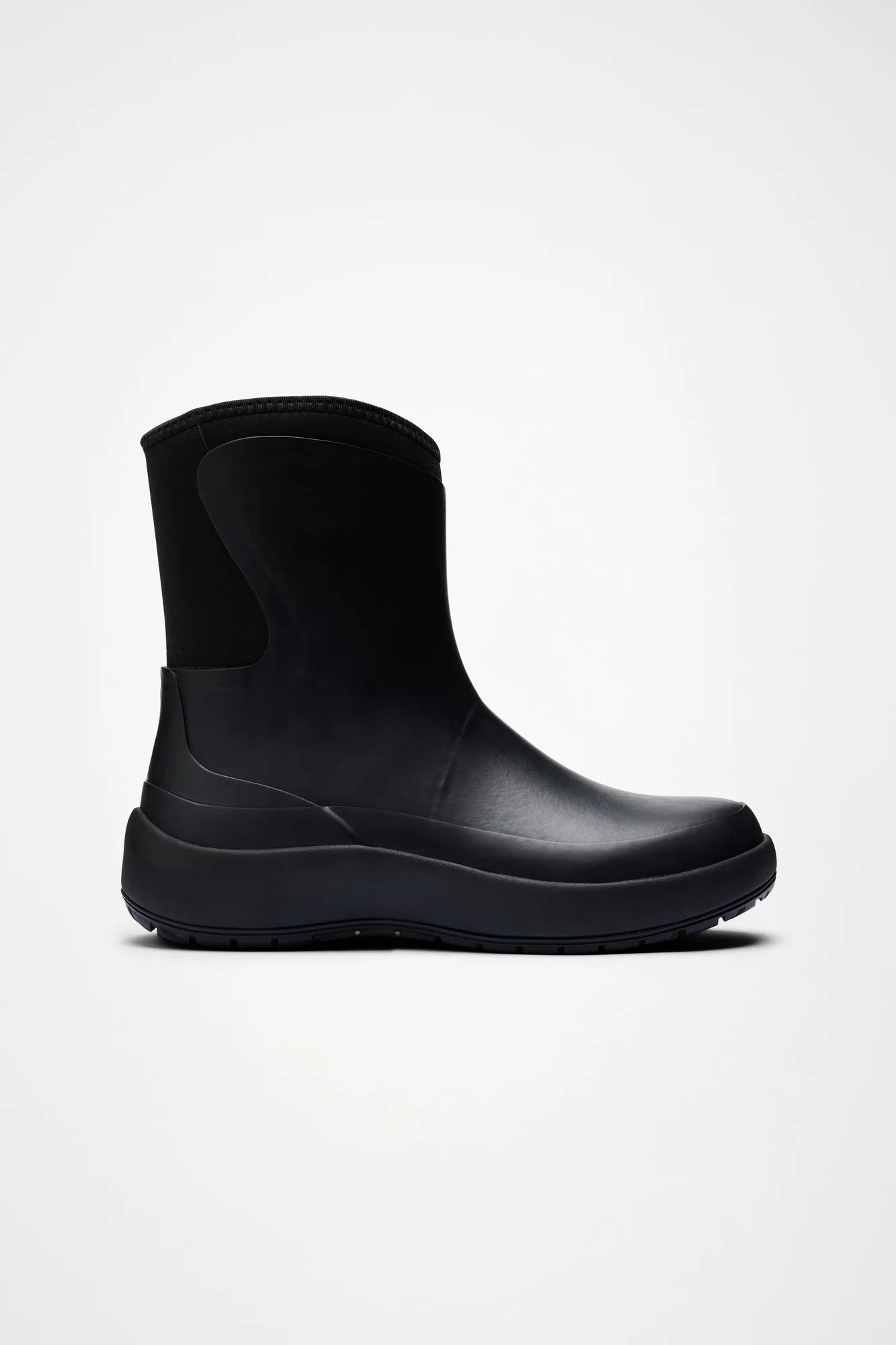
The Dry Boot M Mid: A mid-height city boot made in waterproof, natural matte rubber with a grid-like outsole for solid traction. The mid-height design offers enough coverage for most commutes while being easier to put on and take off than taller boots.
The Dry Boot M Mid
-
The Dry Boot W High: A high-cut, high-shine waterproof rubber boot with a cushioned sole and distinctive grid-like outsole. The high cut provides extra protection against deeper puddles and heavy rain, and the high-shine finish adds a polished look.
-
The Dry Boot W: A rubber city boot with curved lines, cushioned sole, and waterproof natural matte rubber construction. The matte finish and curved silhouette give a modern, understated look that pairs well with both jeans and dress pants.
Which boot fits your commute?
Best for
- Commuters who walk less than a mile on wet pavement and want a sleek, easy-on boot
- Riders (bike, scooter, transit) who need a boot that fits under pants and stows easily
Not for
- Hikers or anyone needing deep tread for mud or loose gravel
- Those who prefer a tall, classic rain boot silhouette that extends above the calf