Quick Answer
To choose the right rocket kit, first assess your building experience and flying space. Beginners should start with a mid-power kit like the 2.6" Patriot, while experienced rocketeers can handle advanced kits like the 7.5" T-LOC or the Io Rocket Kit. Always consider motor size, airframe durability, and recovery system complexity.
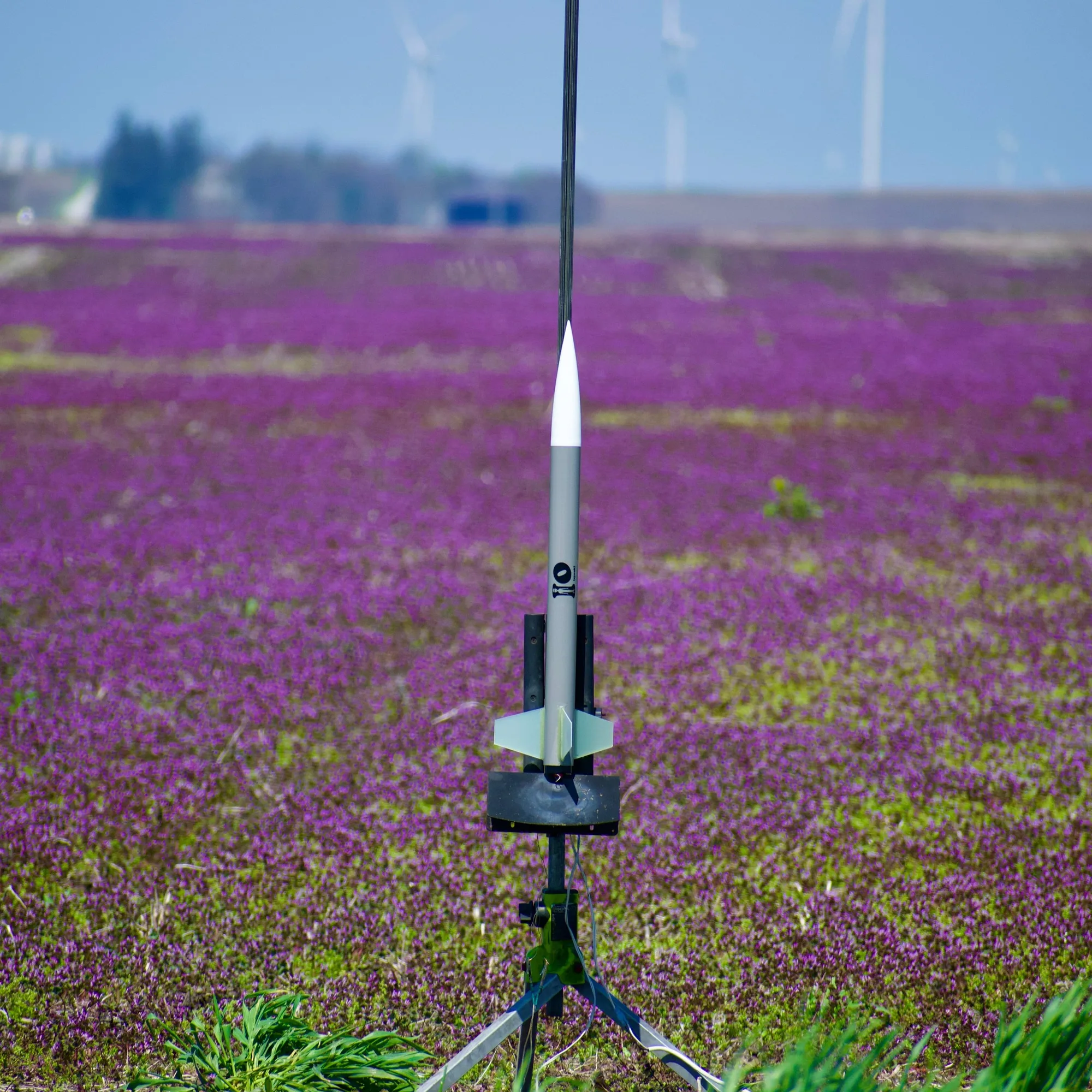
Io Rocket Kit
Selecting a rocket kit that matches your skill level is key to a safe and satisfying launch. A kit that is too complex can lead to frustration, while one that's too simple may not hold your interest. This guide breaks down what to look for at each stage of your rocketry journey.
Whether you're a first-time builder or a seasoned flyer, understanding the differences in construction, motor mounts, and recovery systems will help you make a confident choice. We'll provide concrete decision rules and honest trade-offs to simplify your selection.
Assess Your Building Experience
Your comfort with tools and following instructions is the primary factor. Beginner kits typically feature pre-slotted airframes and simpler fin attachment, while advanced kits may require more complex assembly like epoxy work and electronics integration. Be honest about your skills to avoid a frustrating build.
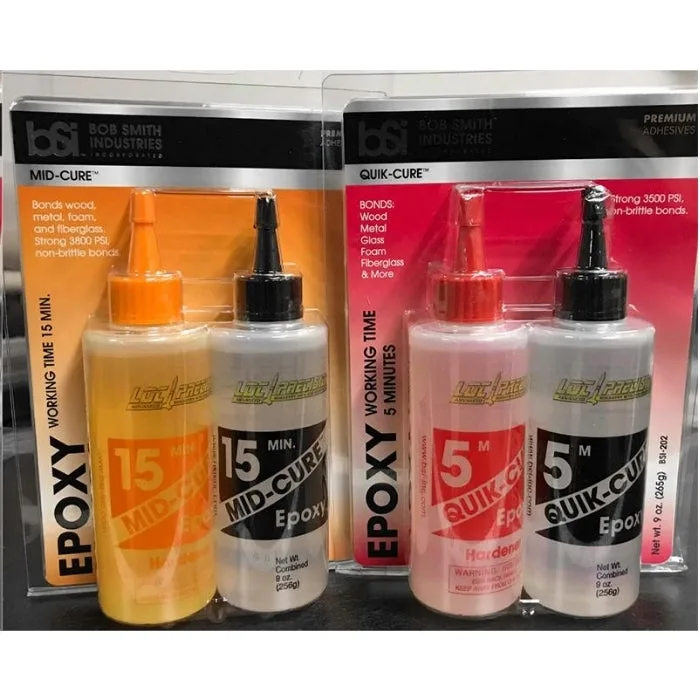
epoxy
Consider the time you're willing to invest. Some kits can be assembled in a weekend, while others, especially those with dual deployment or electronics bays, require more planning and patience. Look for kits that match your available build time and your desire for a challenge.
- Look for kits with through-the-wall fin construction for added durability.
- If you're new to high-power rocketry, start with a kit that includes a motor retainer and adapter for versatility.
Consider Motor Size and Power
Motor mounts determine the power and altitude your rocket can achieve. Mid-power rockets typically use 24mm or 29mm motors, while high-power rockets may use 38mm, 54mm, or even 75mm. Beginners should stick to smaller motors that are easier to handle and require less recovery space.
Some kits offer flexibility, like the Io Rocket Kit, which comes with either a 29mm or 38mm motor mount. Choosing the 38mm version allows you to fly with 29mm motors using an adapter, giving you room to grow as your skills improve.
- For your first high-power flight, a 38mm motor mount is a good balance of performance and manageability.
- Check if the kit includes an adapter to fly smaller motors, which can save money and extend the kit's versatility.
Evaluate Airframe and Fin Construction
The airframe material and fin attachment method affect both durability and ease of assembly. Pre-slotted airframes and through-the-wall fins are common in advanced kits, providing stronger fin bonds and better performance. Beginners may prefer kits with simpler fin mounting, but don't sacrifice durability.
For example, the 2.6" Patriot includes a pre-slotted airframe and through-the-wall fin construction, making it an excellent introduction to mid-power rocketry. It's designed to be easy to assemble yet durable enough for repeated flights.
- Through-the-wall fins are stronger than surface-mounted fins, especially for high-speed flights.
- Pre-slotted airframes reduce measuring errors and speed up assembly.
Understand Recovery Systems
Recovery systems range from simple parachutes to complex dual-deployment setups. Beginners should choose kits with a single, reliable parachute. Advanced rocketeers may want dual deployment for higher altitudes and safer landings, but this adds complexity and requires electronics.
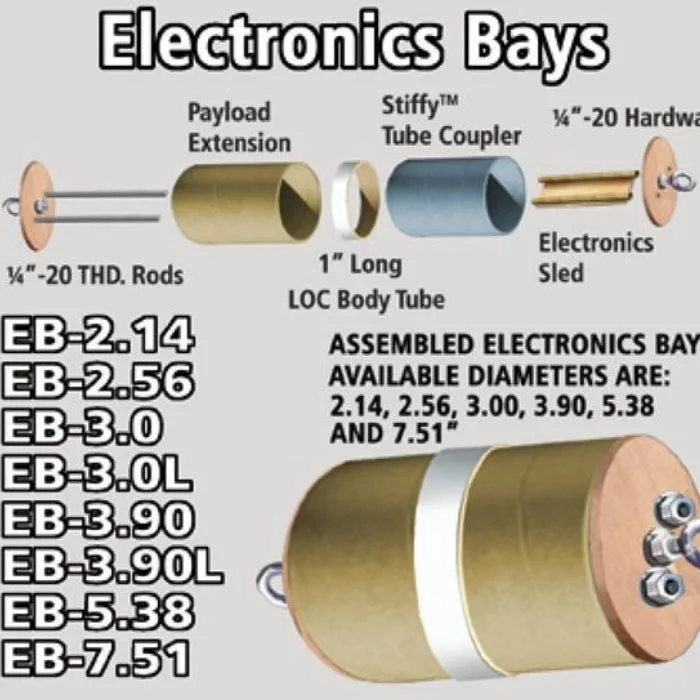
The 7.5" T-LOC solves a common challenge for big short rockets by including an electronics bay hatch, allowing for dual deployment or an electronics bay even with 75mm motors. This feature is a significant advantage for advanced users who want to experiment with altimeters and dual deployment.
- For beginner and intermediate flyers, a single parachute is sufficient.
- If you're interested in electronics, look for kits with a designated electronics bay or hatch.
Decision Rules for Choosing by Skill Level
- Beginner (First Build): Choose a kit with a 24mm or 29mm motor mount, pre-slotted airframe, and simple parachute recovery. Look for easy assembly and durable materials. The 2.6" Patriot is a solid choice for your first mid-power rocket.
- Intermediate (Some Experience): Opt for a kit with a 29mm or 38mm motor mount and through-the-wall fins. Consider kits that allow motor upgrades, like the Io Rocket Kit. The Io Rocket Kit with a 38mm mount gives you room to grow.
- Advanced (Experienced Builder/Flyer): Look for high-power kits with 54mm or larger motor mounts, dual deployment capability, and electronics bays. Expect more complex assembly. The 7.5" T-LOC offers advanced features for serious rocketeers.
Relevant Rocket Kits from LOC Precision
- 2.6" Patriot: Includes factory pre-slotted airframe and through-the-wall fin construction. Now with a decal set! The 2.6" scale PATRIOT is an excellent introduction into mid-power rocketry. Easy to assemble and durable. It includes a 29mm motor mount, 1/8" laser cut fins, and 1/4" centering rings for durability. This kit is ideal for beginners because it offers a straightforward build with pre-slotted parts and a 29mm motor mount, which is manageable for first-time mid-power flyers.
- Io Rocket Kit: The Io is easy to build and easy to fly. It's the perfect rocket for people new to high power! The Io comes with either a 29 or 38mm MMT. To be most versatile, grab the 38mm version and fly it with 29mm motors when you purchase the optional PML PRO 38mm motor retainer and the HAMR 38-29mm adapter. This kit bridges the gap between mid-power and high-power, allowing beginners to start with 29mm motors and later upgrade to 38mm without buying a new rocket.
Fit Guidance: Which Kit Fits You?
Best For
- Beginners who want a reliable, easy-to-build mid-power rocket.
- Intermediate flyers ready to step up to high-power with a versatile motor mount.
Not For
- Advanced users seeking complex dual-deployment or high-altitude performance.
- Those who prefer the challenge of scratch-building or custom modifications.
Choosing the right rocket kit comes down to matching your skills, goals, and launch environment. Start with a kit that offers a comfortable build and safe flight, then progress as you gain confidence. LOC Precision offers a range of kits to support your journey from first launch to advanced high-power flights.