Quick Answer
To choose the right sensory swing, first identify your child's sensory needs: whether they seek deep pressure, vestibular input, or a calming retreat. Then consider the swing type, weight limit, and installation space. For most children, a compression or therapy swing offers versatile benefits, but always prioritize safety and proper installation.
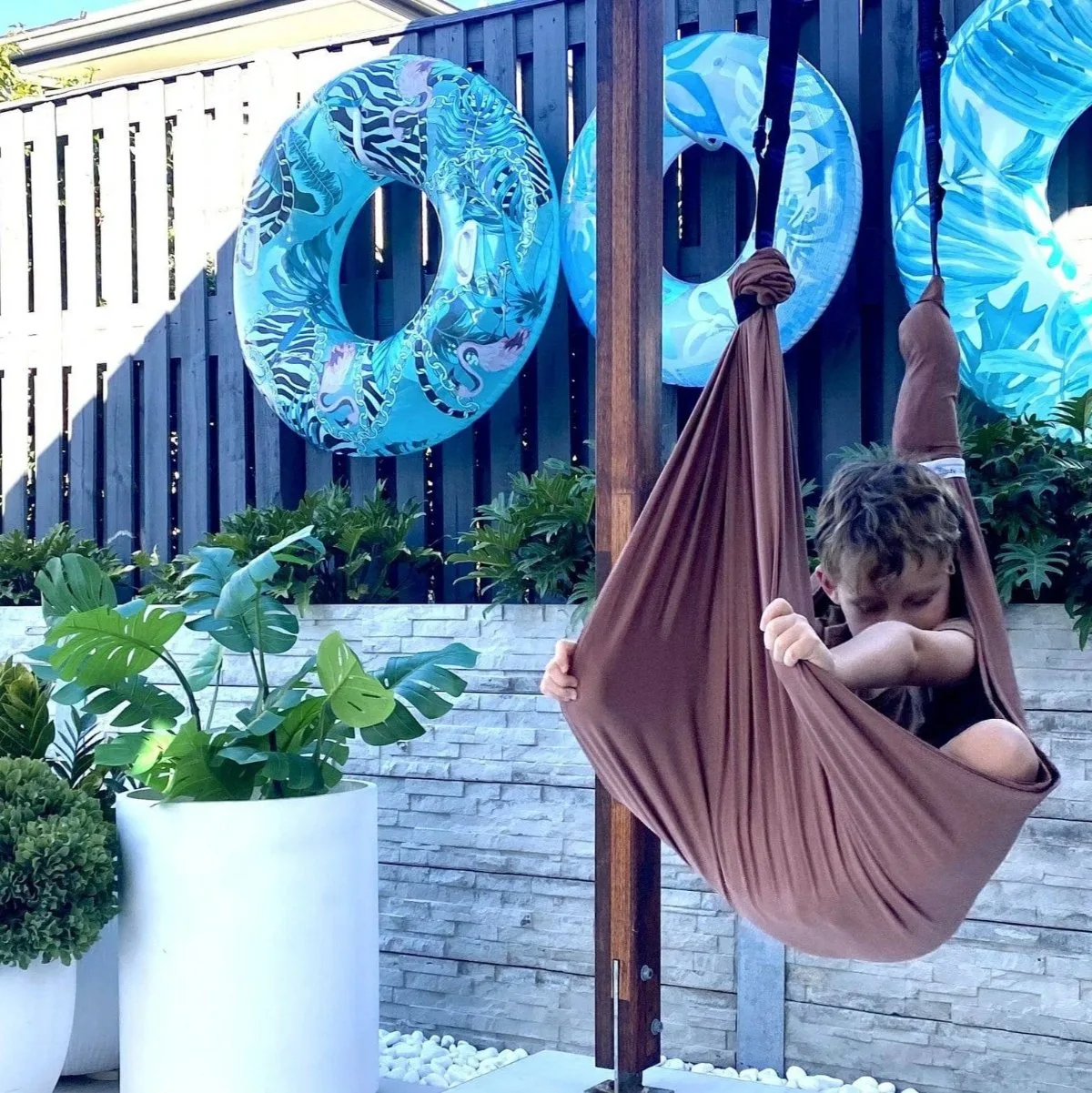
therapy swing
Choosing the right sensory swing can feel overwhelming with so many options available. But the goal is simple: find a swing that meets your child's unique sensory needs and fits safely into your home.
This guide breaks down the key factors—sensory input, swing types, weight limits, and installation—so you can make an informed decision that supports your child's comfort and development.
Understand Your Child's Sensory Needs
Every child seeks different sensory input. Some crave deep pressure and proprioceptive feedback, which helps them feel grounded and calm. Others need vestibular stimulation—movement that engages the inner ear—to regulate their arousal levels. Observing your child's behavior can guide you: do they love being wrapped tightly, or do they seek spinning and swinging?
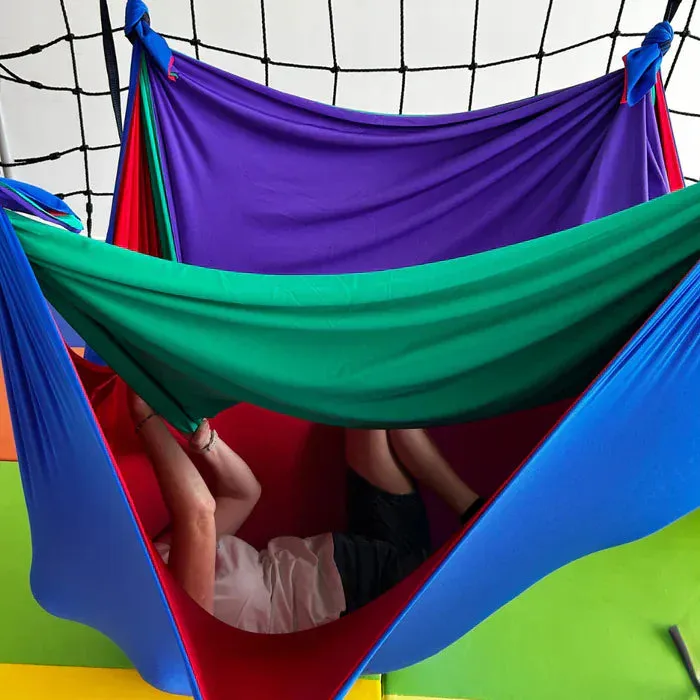
For children who seek deep pressure, a compression swing or therapy hammock provides a snug, cocoon-like feel. For those who need vestibular input, a platform or traditional swing allows more dynamic movement. Identifying the primary need will narrow down your choices significantly.
- Watch how your child plays: do they prefer being squeezed or swinging high?
- Consult an occupational therapist for personalized recommendations.
Explore Different Sensory Swing Types
There are several types of sensory swings, each offering distinct benefits. A 'layered lycra therapy hammock' provides deep pressure and can be used for calming or as a cozy retreat. Platform swings, with a flat surface, are great for vestibular input and can accommodate multiple positions. Traditional bucket or nest swings offer security and are suitable for younger children.
Each type has trade-offs: compression swings are excellent for calming but may not provide the high movement some children crave. Platform swings offer more motion but require more space and supervision. Consider what your child needs most and what your space allows.
- Layered lycra hammocks: best for deep pressure and calming.
- Platform swings: ideal for active vestibular input.
- Traditional bucket swings: good for younger kids who need support.
Consider Weight Limits and Safety
Safety is paramount when choosing a sensory swing. Always check the manufacturer's weight limit and ensure it exceeds your child's weight. Also, consider the swing's age recommendation. Installation is critical: swings must be anchored to a sturdy support, such as a ceiling joist or a swing stand rated for the weight.
Some swings come with installation hardware, but others may require additional equipment. If you rent or cannot drill into ceilings, a portable swing stand is a safer alternative. Never exceed the weight limit, and regularly inspect the swing and its attachments for wear.
- Always follow the manufacturer's weight and age guidelines.
- Use a swing stand if you cannot install a ceiling anchor.
Assess Space and Installation Requirements
Measure your available space before purchasing. Swings need clearance around them to prevent collisions with walls or furniture. Consider the swing's dimensions when hung, including the height from the floor. Some swings are compact and foldable, while others require more room.
If space is limited, a therapy hammock or a smaller compression swing might be more suitable. For larger areas, a platform swing can offer more versatility. Always ensure there is enough room for safe movement and adult supervision.
- Measure ceiling height and floor space accurately.
- Check if the swing requires a stand or ceiling mount.
Decision Rules for Choosing a Sensory Swing
- If your child seeks deep pressure and calming: Choose a compression swing or a layered lycra therapy hammock. These provide a snug, cocoon-like feel that helps regulate the nervous system. Best for children who enjoy being wrapped or swaddled.
- If your child craves movement and vestibular input: Opt for a platform swing or a traditional swing that allows for dynamic swinging and spinning. Ensure you have adequate space and supervision. Best for children who love active play and need to burn energy.
- If you have limited space or installation constraints: Consider a portable swing stand or a compact swing like a therapy hammock that can be easily set up and taken down. Always prioritize safety. Best for renters or small living areas.
Sensory Swing Alternatives and Complementary Tools
- Silicone Slap Band: Silicone Slap Band: Calming Tactile Support for All AgesDiscover the soothing sensation of our Silicone Slap Band, designed to provide calming tactile input for individuals of all ages. Whether you're seeking a moment of relaxation or a fun sensory experience, this band offers a satisfying snap and gentle pressure to help ease anxiety and improve focus. This portable tool can complement sensory swings by providing on-the-go calming input when a swing is not available.
- Hand Exerciser Stress Eggs: Hand Exerciser Stress Eggs – Calm Focus Through Gentle MovementA Soothing Sensory Tool for Hands That Need to MoveThis 3-pack of Sensory Support stress eggs offers soft, resistive squeezing to support calm, focus, and hand strength. Each egg is shaped to sit comfortably in the palm and gives just the right amount of pressure to keep fidgety hands busy. These stress eggs are a great addition to a sensory corner, offering a fine motor activity that can be used before or after swing time to extend calming benefits.
Matching the Swing to Your Child
Best for
- Children who need deep pressure and calming input
- Children who seek vestibular stimulation and enjoy active swinging
Not for
- Children who are not interested in swinging or who have sensory aversions to movement
- Families with very limited space or no safe installation point
Choosing the right sensory swing involves understanding your child's sensory needs, evaluating swing types, and considering safety and space. By following these guidelines, you can create a beneficial and enjoyable sensory experience for your child. Always consult with an occupational therapist for personalized advice.