Quick Answer
To choose the right serum strength, start by identifying your skin type and primary concern. For sensitive skin, opt for lower concentrations (like 1% hyaluronic acid) and soothing ingredients; for aging concerns, consider peptides like Matrixyl at effective percentages. Always patch test and introduce new serums gradually.
Choosing the right serum strength can feel overwhelming with so many options on the market. The concentration of active ingredients directly impacts efficacy and skin tolerance, so it's crucial to match the strength to your skin's needs. This guide will help you decode serum concentrations and select the perfect formula for your skin type and goals.
We'll explore different categories of serums—from hydrating hyaluronic acid to potent vitamin C and peptides—and provide clear decision rules to simplify your choice. Whether you're a skincare newbie or a seasoned enthusiast, you'll leave with the confidence to pick the right serum strength every time.
Understanding Serum Concentrations
Serum concentrations are typically expressed as percentages, indicating the amount of active ingredient in the formula. Higher percentages often mean more potent effects, but they also increase the risk of irritation, especially for sensitive skin. For example, vitamin C serums range from 10% to 20%, with 10-15% being effective yet gentle for most skin types.
Hyaluronic acid serums usually contain 1% to 2% concentrations, as the ingredient can hold up to 1000 times its weight in water, making even low percentages highly hydrating. Peptide serums, like those with Matrixyl, often have proprietary blends where the percentage isn't always disclosed, but efficacy depends on the specific peptide and formulation.
- Always check the ingredient list for the active ingredient's position—higher up means higher concentration.
- Start with a lower concentration and gradually increase if your skin tolerates it well.
Choosing Strength Based on Skin Type
Oily and acne-prone skin can benefit from lighter, non-comedogenic serums like squalane oil, which provides hydration without clogging pores. For dry or mature skin, richer formulations with hyaluronic acid and peptides help restore moisture and firmness. Sensitive skin should opt for soothing ingredients like vitamin B5 and avoid high concentrations of acids or retinoids.
If you have hyperpigmentation or dark circles, look for serums with peptides like Haloxyl, which target pigment absorption. For redness and sensitivity, choose serums with calming ingredients like vitamin B5 and hyaluronic acid to repair the skin barrier.
- For sensitive skin, patch test new serums on a small area for 24 hours before full application.
- Layering multiple serums? Use the thinnest consistency first and wait a few minutes between applications.
Decoding Product Labels and Marketing Claims
Marketing labels like 'high potency' or 'professional strength' can be misleading. Always look for the actual percentage of key active ingredients. For example, a vitamin C serum with 10% L-ascorbic acid is effective, but 20% may be too strong for sensitive skin. Similarly, peptide serums may list the peptide name but not the exact percentage, so rely on the brand's reputation and clinical studies.
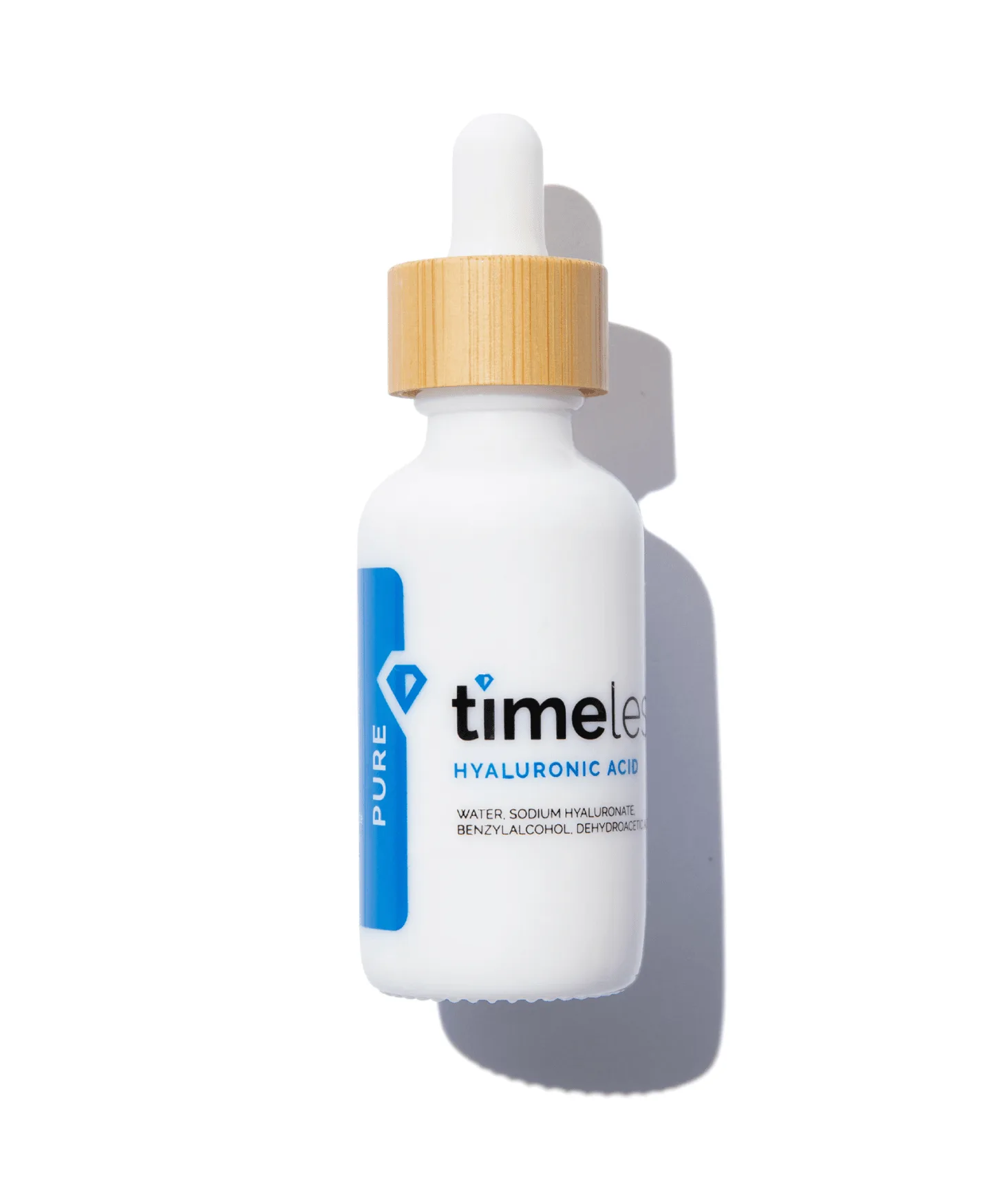
Timeless Skin Care clearly lists concentrations on their product pages, such as 1% pure hyaluronic acid in their serum, making it easier to compare. When in doubt, start with lower strengths and monitor your skin's response.
- Check the ingredient list for the active ingredient's position—higher up means higher concentration.
- Avoid products with added fragrances or dyes if you have sensitive skin.
Decision Rules for Choosing Serum Strength
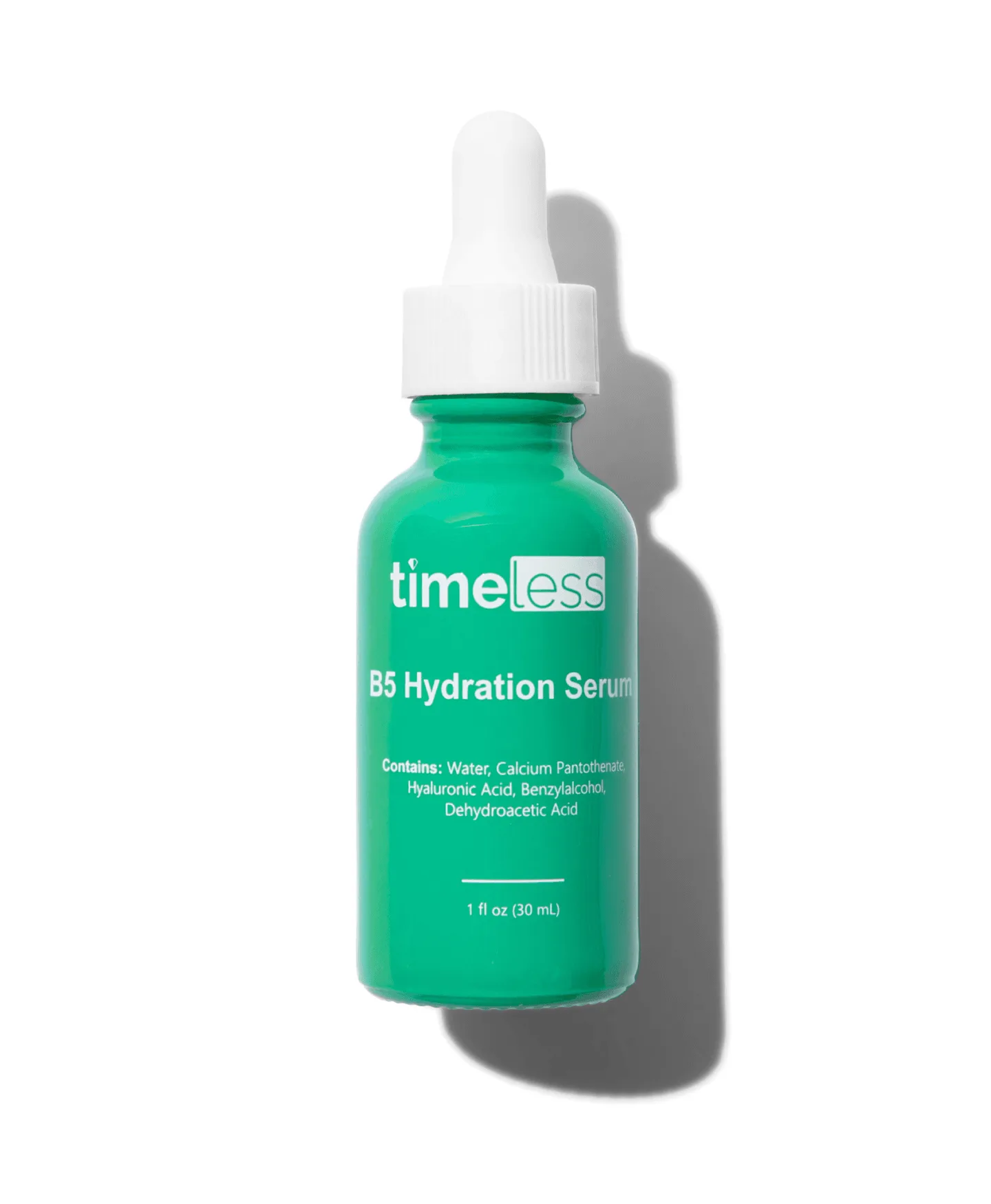
- Skin Type: Sensitive: Choose serums with soothing ingredients like vitamin B5 and hyaluronic acid at low concentrations (1% or less). Avoid high percentages of acids or retinoids. Opt for gentle formulas like Vitamin B5 Serum.
- Skin Concern: Aging: Look for peptides like Matrixyl or Synthe'6' at effective concentrations. While percentages may not be listed, these ingredients are proven to stimulate collagen. Consider Matrixyl® Synthe'6® Serum for targeted anti-aging benefits.
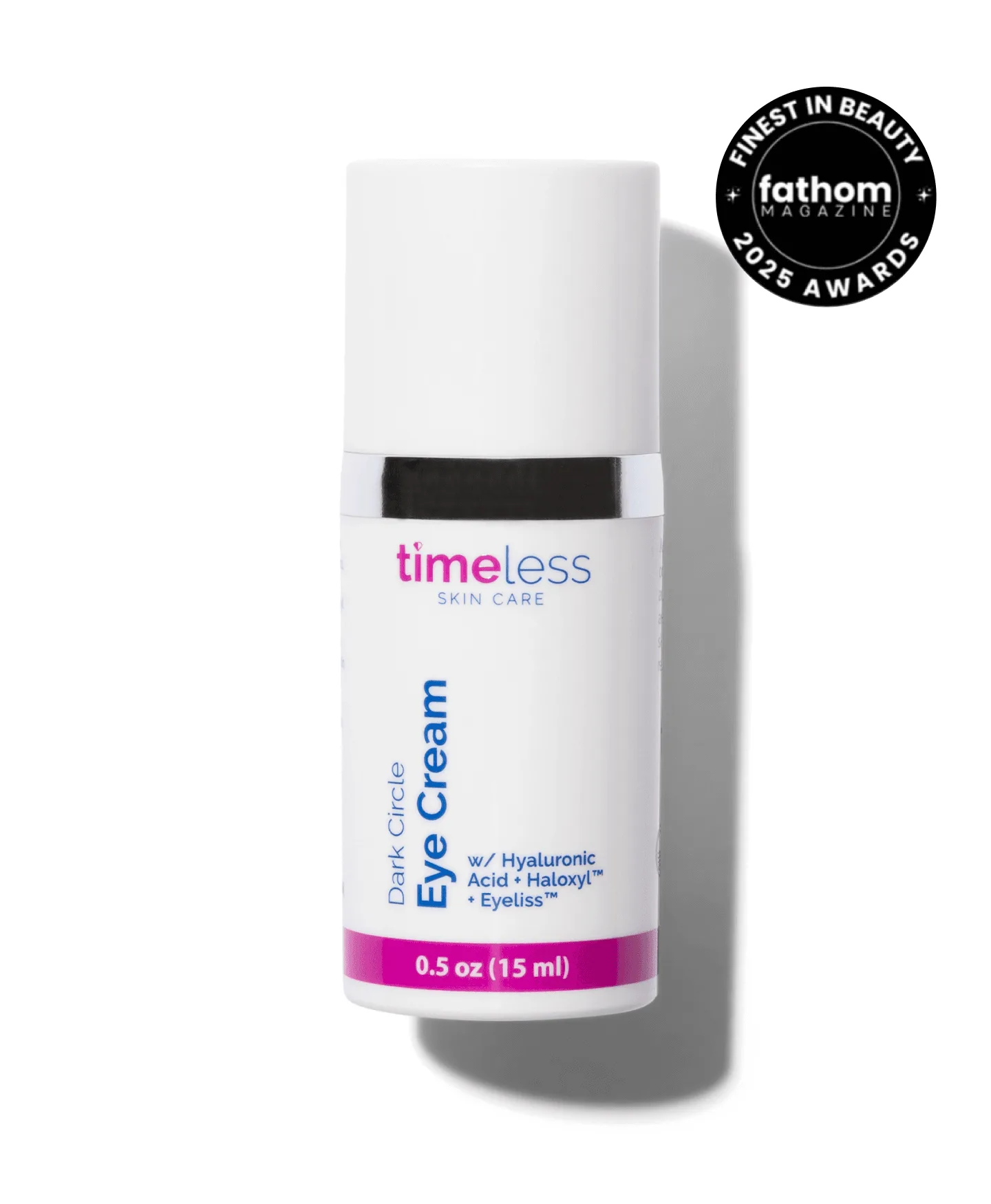
- Skin Concern: Hyperpigmentation: Use vitamin C serums with 10-15% concentration for brightening, or peptide complexes like Haloxyl for dark circles. Always pair with sunscreen. Dark Circle Peptide Complex Eye Cream can help with under-eye pigmentation.
Product Facts: Strength and Formulation
- Hyaluronic Acid 100% Pure: This serum contains 1% pure hyaluronic acid and is vegan, fragrance-free, and dye-free. A 1% concentration is ideal for daily hydration without irritation, making it suitable for all skin types, including sensitive skin.
- Matrixyl® Synthe'6® Serum | Pouches: This serum features Matrixyl® Synthe'6®, a polypeptide that stimulates collagen production, and is vegan and fragrance-free. Peptide serums like this are great for targeting wrinkles and expression lines, but the concentration is proprietary; start with a patch test to ensure compatibility.
Who Should Choose Which Serum
Best for
- Beginners or sensitive skin: low-strength serums like Hyaluronic Acid 100% Pure
- Anti-aging enthusiasts: peptide serums like Matrixyl® Synthe'6® Serum
Not for
- Those with severely irritated skin should avoid high-strength vitamin C or exfoliating acids until the barrier is repaired
- If you prefer multi-tasking serums, single-ingredient options may require layering
Choosing the right serum strength doesn't have to be complicated. By understanding your skin type and concerns, you can select a formulation that delivers results without irritation. Start with gentle, well-formulated products like Timeless Skin Care's serums, and always patch test new additions. For a reliable hydrating option, explore the Hyaluronic Acid 100% Pure Serum to kickstart your routine.