Selecting the right food storage container size is crucial for any commercial kitchen. It affects everything from portion control and food safety to storage efficiency and cost savings. With so many options available, it can be overwhelming to decide which sizes you need. This guide will walk you through the key considerations to help you make informed choices.
Whether you run a bustling restaurant, a catering business, or a small café, understanding how to match container sizes to your specific needs can streamline your operations. From storing prepped ingredients to preserving leftovers, the right container size ensures freshness and minimizes waste.
Why Container Size Matters
The size of your food storage containers directly impacts portion control, which is essential for managing food costs and maintaining consistent serving sizes. Using containers that are too large can lead to over-portioning, while containers that are too small may not hold enough for your needs, causing multiple containers and wasted space.
Additionally, the right container size helps maintain food quality. A container that is too large leaves excess air, which can accelerate spoilage. Conversely, a container that is too full may not seal properly, compromising freshness. Choosing the appropriate size ensures your food stays at its peak quality for longer.
- Consider your menu and typical portion sizes when selecting container sizes.
- Think about how much storage space you have in your fridge, freezer, and dry storage areas.
Understanding Common Container Sizes
Food storage containers come in a range of sizes, typically measured in ounces, quarts, or liters. Common sizes include 1-quart, 2-quart, 4-quart, and larger options like 6-quart or 8-quart. Smaller sizes, such as 4-ounce or 8-ounce, are ideal for dressings, sauces, and individual portions.
For commercial kitchens, it's important to have a variety of sizes to accommodate different tasks. For example, you might use small containers for spices and garnishes, medium sizes for prepped vegetables, and large containers for bulk ingredients like flour or sugar. Having a versatile selection ensures you're prepared for any storage need.
- Start with a mix of small, medium, and large containers to cover most needs.
- Look for containers with clear measurement markings for easy portion identification.
Matching Container Size to Food Type
Different foods require different storage conditions. For instance, liquids like soups and stocks need containers with tight-fitting lids to prevent spills, and they should have enough headspace to allow for expansion when frozen. Dry goods like rice and pasta can be stored in larger containers that seal out moisture and pests.
Perishable items like cut fruits and vegetables benefit from containers that minimize air exposure, so choose sizes that closely match the quantity you'll store. For example, if you typically prep a day's worth of chopped lettuce, select a container that fits that volume without leaving too much empty space.
- For liquids, leave about an inch of headspace to allow for expansion during freezing.
- For dry goods, choose airtight containers that are easy to scoop from, like those with wide openings.
Portion Control and Cost Management
Using the right container size helps with portion control, which directly affects your food costs. By pre-portioning ingredients into appropriately sized containers, you can ensure consistent servings and reduce waste. For example, using small containers for single servings of sauces or dressings prevents overuse and saves money.
In addition, proper portion control supports dietary guidelines and customer satisfaction. When customers receive consistent portions, they know what to expect, which builds trust and encourages repeat business. Investing in a range of container sizes allows you to implement effective portion control strategies.
- Use small containers for condiments and sauces to control portions.
- Label containers with portion sizes and dates to track usage and reduce waste.
Space Efficiency and Organization
Choosing the right container sizes also maximizes your storage space. Uniform containers that stack neatly save valuable shelf and refrigerator space. Consider using containers that are designed to interlock or have flat lids for easy stacking. This is especially important in small kitchens where every inch counts.
Organizing your storage with clearly labeled containers of appropriate sizes makes it easier for staff to find what they need quickly, improving workflow and reducing the time spent searching for ingredients. A well-organized storage area also helps maintain cleanliness and food safety standards.
- Opt for rectangular containers that maximize shelf space compared to round ones.
- Use a labeling system to quickly identify contents and sizes.
Choosing Between Different Brands and Materials
When selecting containers, consider the material and brand reputation. High-quality containers are durable, resistant to staining and odors, and often come with warranties. Cambro offers a wide range of food storage solutions that are designed for commercial use, ensuring longevity and performance.
For example, Cambro's food storage containers are available in various sizes and are made from durable materials that withstand frequent use and cleaning. Additionally, accessories like Food Storage Lids are designed to fit securely, maintaining freshness and preventing leaks. Investing in reliable brands can save you money in the long run by reducing the need for replacements.
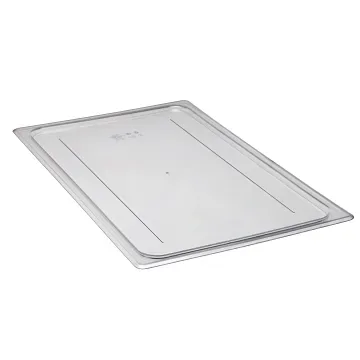
Food Storage Lids
- Look for containers that are dishwasher safe and resistant to chemicals.
- Consider purchasing lids separately to extend the life of your containers.
Practical Tips for Selecting Sizes
Start by assessing your kitchen's needs. Make a list of the types of food you store most often and the typical quantities. This will help you determine which sizes are essential. It's also wise to purchase a few extra containers in popular sizes to accommodate unexpected needs.
Another tip is to consider the storage capacity of your refrigeration units. Measure the depth and height of your shelves to ensure the containers you choose will fit comfortably. Additionally, think about how you'll transport containers, especially if you cater events. Durable, stackable containers are easier to move and store.
- Begin with a basic set of sizes and expand as needed.
- Measure your storage areas before purchasing containers.
- Choose containers with secure lids to prevent spills during transport.
Choosing the right size food storage container is a key decision for any commercial kitchen. By considering portion control, food type, space efficiency, and quality, you can optimize your storage and reduce waste. Explore Cambro's range of food storage solutions to find the perfect sizes for your needs.