Quick Answer
The right ski for your ability level balances length, flex, and shape to match your current skills and future goals. Beginners should choose shorter, softer, and more forgiving skis, while advanced skiers need longer, stiffer, and more responsive models. Always consider your typical terrain and preferred speed to fine-tune the choice.
Choosing the right ski is the most important gear decision you'll make as a skier. The correct pair can make learning easier, boost your confidence, and help you progress faster. The wrong pair can lead to frustration, bad habits, and even injuries. This guide breaks down the key factors—length, flex, and shape—so you can match skis to your ability level and style.
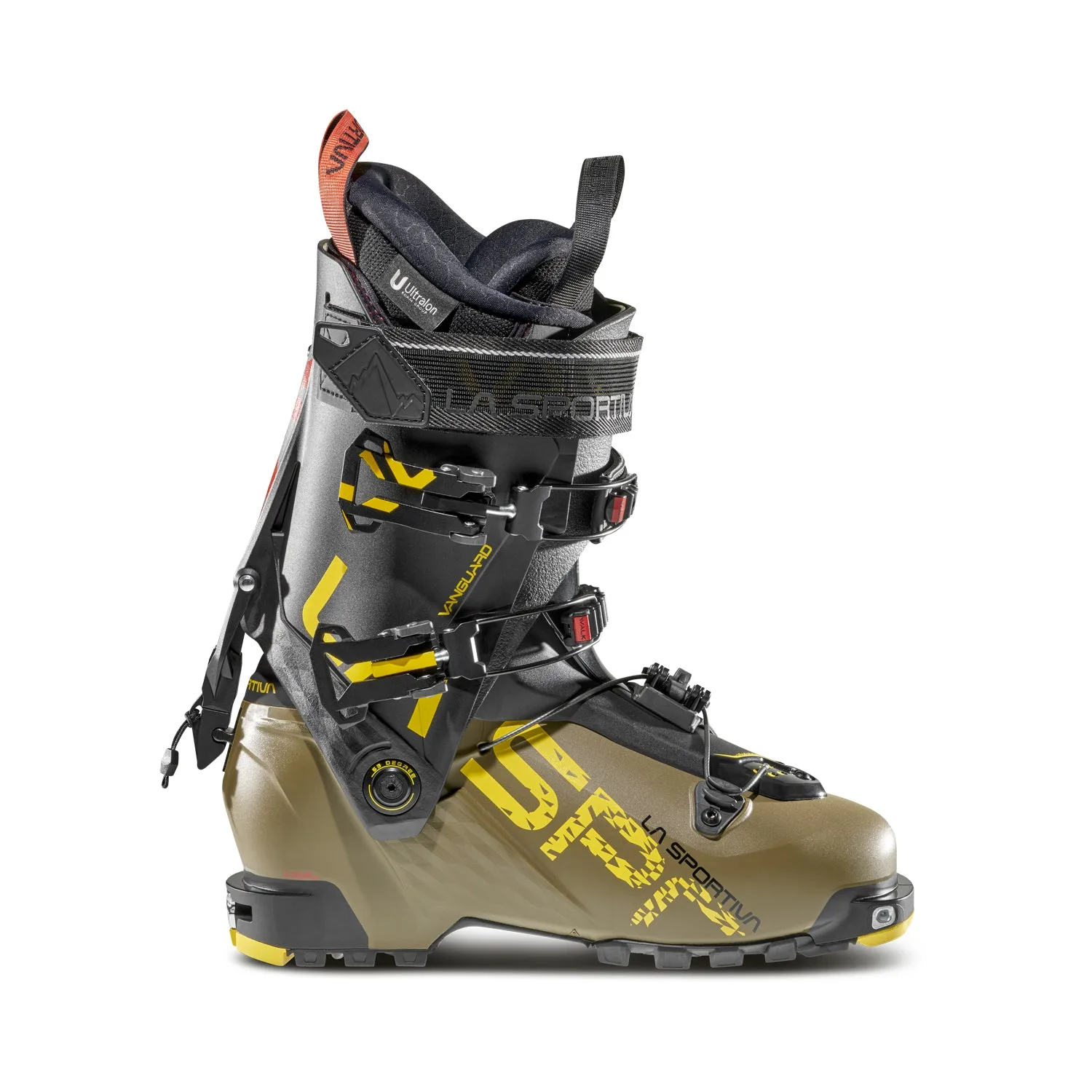
Whether you're a first-timer or a seasoned expert, the principles are the same: understand your current skills, be honest about your goals, and choose gear that supports both. We'll also point you to some La Sportiva accessories that keep your boots functioning at their best, because even the best skis won't perform well if your boots aren't in top shape.
Understanding Ski Length: A Simple Rule of Thumb
Ski length is the most visible factor and the easiest to get wrong. A common starting point is to choose a ski that reaches somewhere between your chin and the top of your head. Beginners should lean toward the shorter end of that range, while advanced skiers can go longer for more stability at speed.
Longer skis offer more float in powder, better stability at high speeds, and more edge hold on hardpack. Shorter skis are easier to turn, more maneuverable in trees and bumps, and less demanding on your legs. If you're between sizes, consider your weight and strength: heavier or stronger skiers can handle a bit more length.
- If you're a beginner, aim for chin-height skis; as you advance, move toward forehead height.
- For all-mountain versatility, choose a length that feels comfortable in varied terrain and conditions.
Flex: How Stiff Should Your Ski Be?
Flex refers to how much the ski bends when you apply pressure. Soft-flexing skis are forgiving: they absorb bumps, are easy to turn at low speeds, and help beginners build confidence. Stiff-flexing skis are powerful and responsive, but they require precise technique and stronger legs to unlock their potential.
As a general guide, beginners should look for soft to medium flex. Intermediate skiers can handle medium flex, which offers a balance of forgiveness and performance. Advanced and expert skiers often prefer stiff flex for aggressive carving, high-speed stability, and demanding off-piste terrain.
Keep in mind that flex is also tied to your weight. A lightweight skier might find a 'medium' flex too stiff, while a heavier skier might overpower a 'soft' ski. If possible, demo skis to feel the flex in action.
- Soft flex: best for beginners and light skiers.
- Medium flex: suits intermediates who want to progress.
- Stiff flex: for advanced skiers who ski fast and aggressively.
Shape: Waist Width and Sidecut
The shape of a ski is defined by its waist width and sidecut. Waist width affects float in powder: wider waists (100mm+) provide better flotation, while narrower waists (under 85mm) are quicker edge-to-edge on groomed runs. Most skiers do well with an all-mountain width around 85-100mm.
Sidecut is the hourglass shape of the ski. A deeper sidecut (larger difference between tip/tail and waist) makes the ski turn more easily, which is great for beginners and carving on hardpack. A shallower sidecut provides more stability at speed and better performance in powder, appealing to advanced skiers.
Consider where you ski most: if you spend 80% of your time on groomers, a narrower, more shaped ski is ideal. If you love powder and off-piste, go wider and less sidecut.
- Narrow waist (<85mm): for groomed runs and carving.
- Mid waist (85-100mm): all-mountain versatility.
- Wide waist (>100mm): powder and soft snow.
Ski Types by Ability Level
Beginner skis are typically shorter, softer, and have a pronounced sidecut to facilitate turning. They are forgiving and help you learn the basics without fighting the equipment. Look for skis labeled 'beginner' or 'progressive' that offer stability at moderate speeds.
Intermediate skis are a step up: they have a bit more length and stiffness to handle varied terrain and slightly higher speeds. They are versatile enough for groomers, bumps, and light off-piste. As you improve, you'll appreciate the added performance without feeling overwhelmed.
Advanced and expert skis are designed for aggressive skiing: longer lengths, stiffer flex, and often metal laminates for damping at high speeds. They respond precisely to input and reward good technique. If you're not ready for that level of input, these skis can feel unforgiving and tiring.
- Beginner skis: short, soft, easy to turn.
- Intermediate skis: medium length and flex, versatile.
- Advanced skis: long, stiff, high-performance.
Decision Rules for Choosing Your Ski
- Assess your ability honestly: If you're a beginner, you need a forgiving ski. If you're advanced, you need a performance ski. Don't overestimate your skills to look good; it will slow your progress. Choose a ski that matches your current level, not the level you aspire to.
- Match length to your height and weight: Use chin-to-forehead as a guide, but adjust based on your weight and strength. Heavier skiers can go longer; lighter skiers should go shorter. When in doubt, size down for easier control, or size up if you want more stability at speed.
- Consider your primary terrain: If you ski mostly groomers, choose a narrower, more shaped ski. If you love powder, go wider. For a mix, pick an all-mountain ski around 90-105mm underfoot. Your ski should match the snow you ski most often.
Gear That Keeps Your Boots Performing
- vanguard-ext-side-8d916271398317e6b5bfa042-891606">Shell Closing Wire Vanguard (Ext. Side): This is a replacement closure wire which holds the buckle that closes over the instep area of the Vanguard Ski Boot. This is the external/lateral wire, which weaves over the top of the boot shell's toe box. A functioning closure wire is essential for a secure fit and precise power transfer to your skis. If your boot's wire breaks, replacing it with the correct part keeps your boots performing like new.
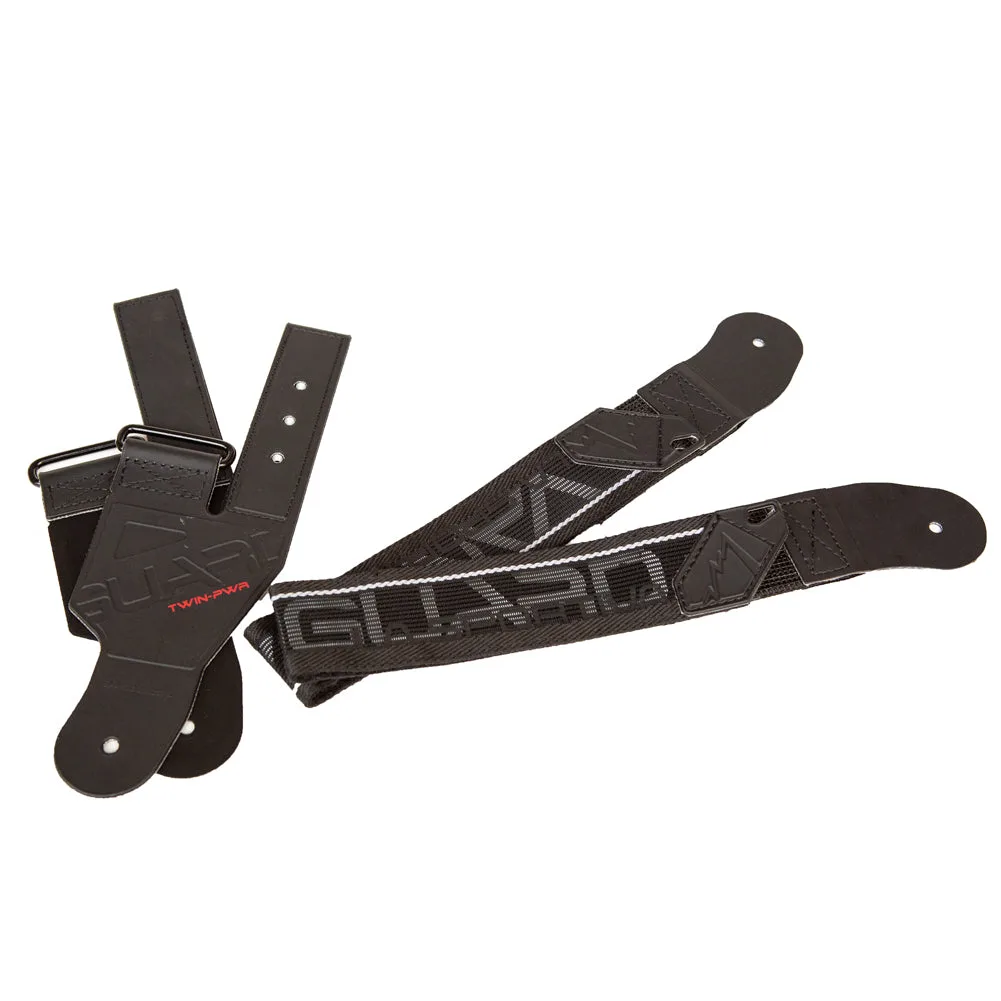
- Cuff Belt Kit Vanguard: This is a single replacement upper cuff strap and Twin-PWR attachment for Vanguard Men's and Women's ski boots. The cuff strap helps hold your heel in place and improves control. If it wears out, replacing it can restore the fit and performance of your boots, ensuring comfort and responsiveness on the slopes.
Best For vs. Not For
Best for
- Beginners who want a forgiving ski to learn on and build confidence.
- Intermediate skiers looking to progress to varied terrain and moderate speeds.
- Advanced skiers who ski aggressively and demand high performance.
Not for
- Skiers who prefer only park and pipe (consider twin-tip freestyle skis).
- Those who ski exclusively in deep powder (look for a dedicated powder ski with a wider waist).
- Racers who need specialized carving skis for gates.
Choosing the right ski is a personal decision that depends on your ability, style, and goals. Use the guidelines above to narrow down your options, and don't hesitate to demo skis before you buy. Remember, even the best ski won't perform well if your boots aren't in top shape—check your gear regularly and replace worn parts like the Shell Closing Wire or Cuff Belt Kit to keep your setup reliable. Happy skiing!