Quick answer
Match your ski to your primary terrain and how you like to ski. All-mountain skis handle everything from groomers to light powder, while freeride skis are built for deep snow and charging big lines.
Waist width and what it means for you
Waist width is the narrowest part of the ski, typically under your foot. It largely determines how the ski floats in powder and how quick it feels edge-to-edge on hardpack. A narrower waist (under 90 mm) is quicker on groomed runs, while a wider waist (over 100 mm) provides better float in deep snow. Skis between 90 and 100 mm are the sweet spot for all-mountain versatility.
Rocker profile and terrain
Rocker (or reverse camber) in the tip and tail makes a ski easier to pivot and more playful in soft snow. Camber underfoot provides edge grip on hard snow. A full rocker ski floats effortlessly in powder but can feel loose on groomers. A camber-dominant ski carves hard but may sink in deep snow. Many modern skis combine both: tip rocker for float, camber underfoot for edge hold.
Trade-offs: versatility vs. specialization
An all-mountain ski like the Salto (92 mm waist) is a great daily driver for mixed conditions. It can handle groomers, bumps, and the occasional powder day. A freeride ski like the Sorriso is wider and stiffer, built for speed and big turns in open terrain. It excels in powder and chop but feels less nimble in tight trees or on hardpack. Choose based on where you ski most often.
Your ski decision rules
- Choose your terrain first: If you ski mostly groomed runs and occasional off-piste, pick an all-mountain ski with a waist between 85-95 mm. If you chase powder and big open faces, go wider (100 mm+).
- Match rocker to your style: For a playful, pivot-friendly ride in soft snow, choose a ski with tip and tail rocker. For hard-charging carves on groomers, choose a ski with more camber underfoot.
- Consider your ski length: Longer skis (up to your height or a few cm more) provide stability at speed and better float in powder. Shorter skis are easier to turn in tight trees and moguls. Beginners and intermediates often prefer a shorter length. Check the size chart for each model to find your recommended length based on weight and ability.
Skis that match your style
-
Ski - Salto (2023): 92mm waist, lightweight paulownia wood core with aluminum stringers, playful tip and tail. This makes the Salto a versatile all-mountain ski that holds an edge in couloirs yet floats well in soft snow.
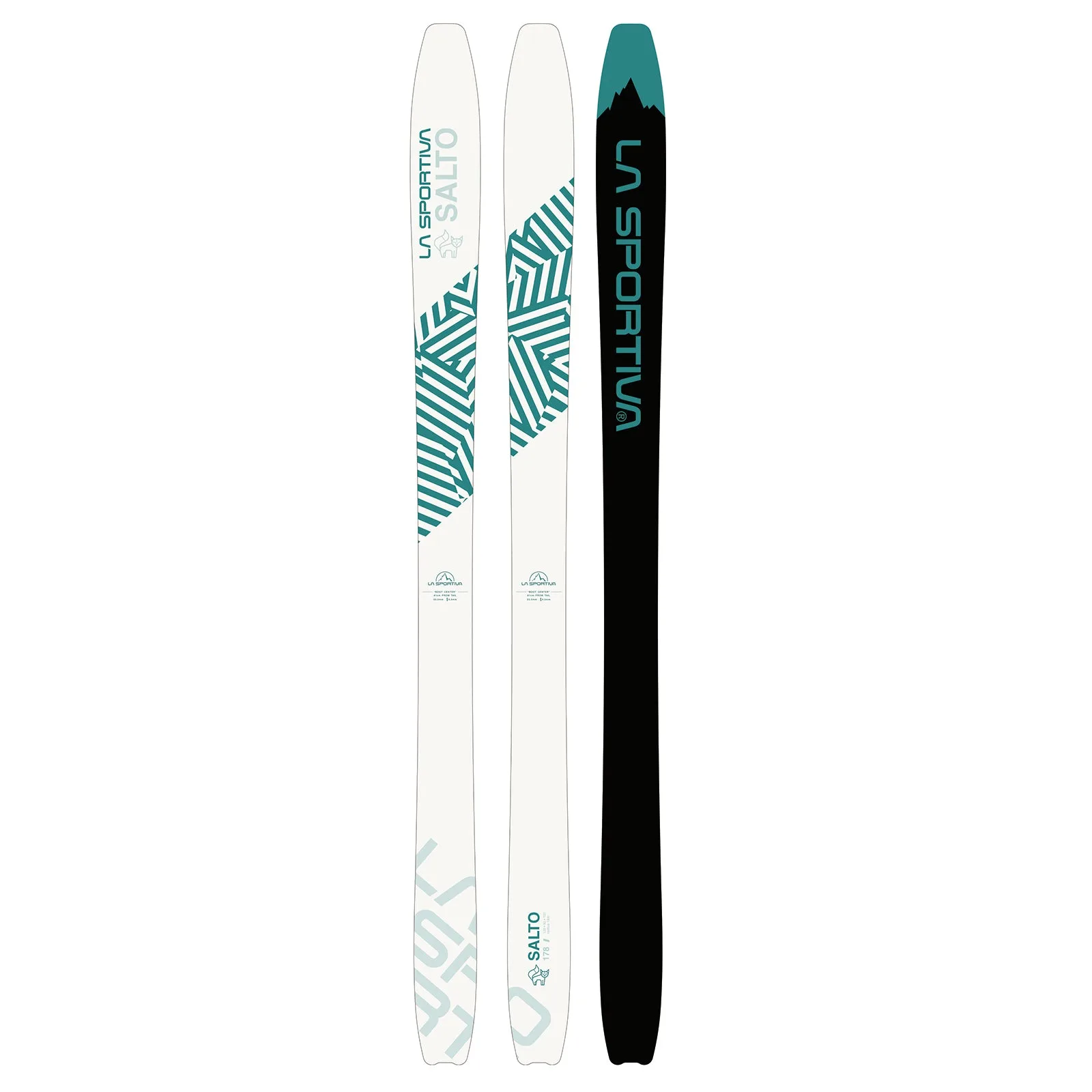
Ski - Salto (2023)
-
Ski - Sorriso: Aggressive backcountry charger built for speed and massive arcs, X45 laminated Paulownia core, surfy powder machine. The Sorriso is for skiers who want to charge steep, open lines in deep snow and don't need quick edge-to-edge agility.
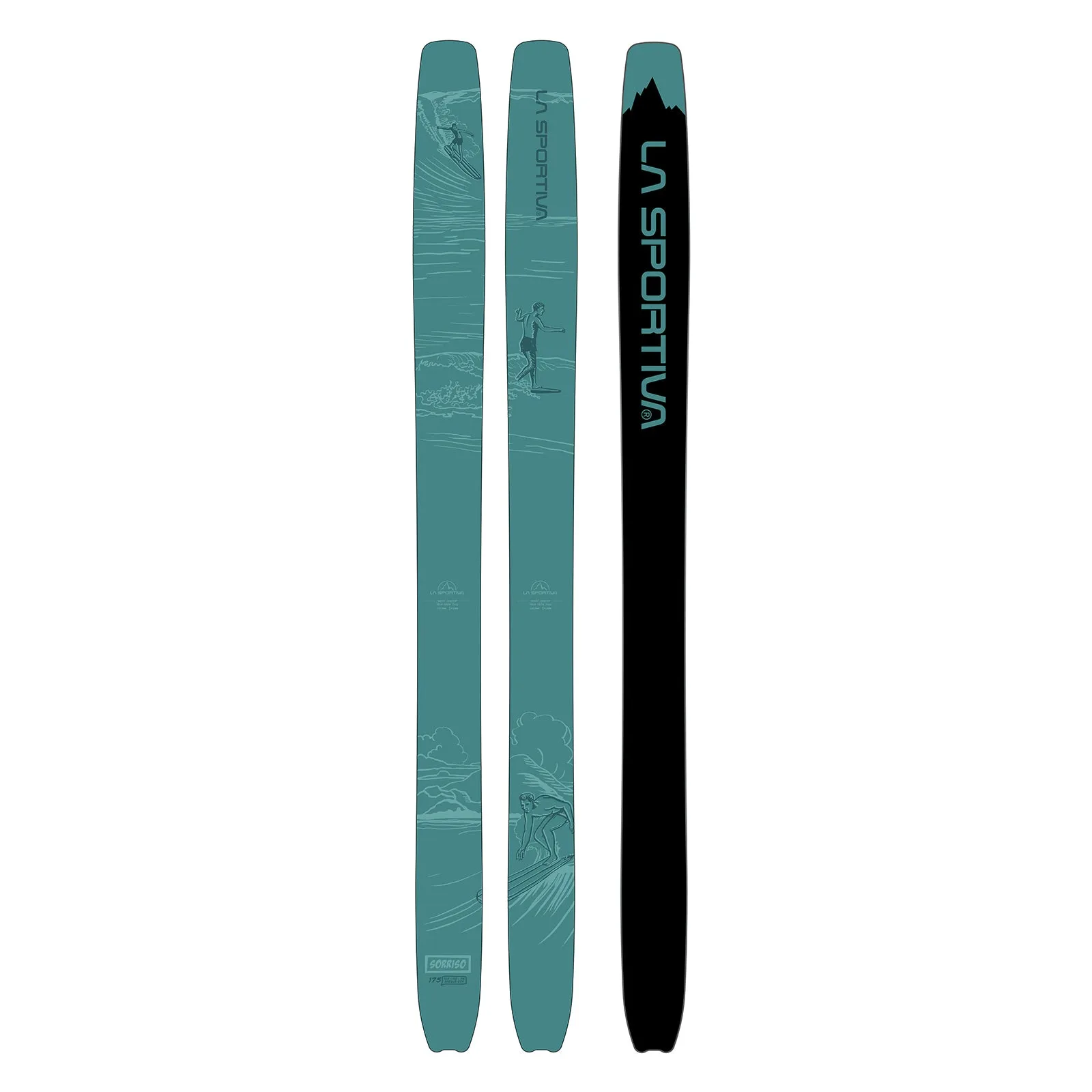
Ski - Sorriso
Which ski fits your style?
Best for
- Skiers who want one ski for everything: all-mountain models like the Salto
- Advanced skiers who prioritize powder and big lines: freeride models like the Sorriso
Not for
- Park or pipe skiers who need a twin-tip and softer flex
- Racers who need a stiff, narrow carving ski