When the mercury drops and snow covers the ground, your sleeping bag becomes the most critical piece of gear in your kit. A 4-season sleeping bag is designed to handle the harshest conditions, keeping you warm and dry when temperatures plummet well below freezing. But with so many options on the market, how do you choose the right one for your winter adventures?
In this guide, we'll break down the essential factors to consider when selecting a 4-season sleeping bag, from temperature ratings and insulation types to weight, packability, and extra features. Whether you're planning a weekend winter campout or a multi-day expedition, this guide will help you make an informed decision.
Understanding Temperature Ratings
The most important specification of any sleeping bag is its temperature rating. For 4-season bags, look for ratings that cover the coldest conditions you expect to encounter. The EN/ISO rating system provides three numbers: comfort, lower limit, and extreme. The comfort rating is the temperature at which a cold sleeper can rest comfortably, while the lower limit is the coldest temperature for a warm sleeper. The extreme rating is survival only, not comfort.
For winter camping, aim for a bag with a comfort rating around 20°F (-6°C) or lower, depending on your personal tolerance. Remember that ratings are based on a standard sleeping pad and clothing, so if you sleep cold, consider a bag rated for even lower temperatures. Also, think about the climate you'll be camping in—a bag rated for -20°F might be overkill for mild winter conditions and add unnecessary weight.
- Check the comfort rating, not just the lower limit.
- Consider your sleeping style: cold sleepers need a warmer bag.
- Account for the coldest night of your trip, not the average.
Insulation Types: Down vs. Synthetic
The insulation material is another crucial factor. Down insulation offers the best warmth-to-weight ratio and packs down smaller, making it ideal for backpacking. However, down loses its insulating properties when wet and takes a long time to dry. For 4-season camping, where snow and moisture are common, you might prefer synthetic insulation, which retains warmth even when damp and dries quickly.
Synthetic bags are also more affordable and easier to care for. On the other hand, high-quality down with a water-resistant treatment can be a great choice for dry winter climates. Consider your priorities: if weight and packability are paramount, down may be worth the investment; if wet conditions are likely, synthetic offers peace of mind. Many 4-season bags use a combination of both to balance performance.
- Down: lightweight, compressible, but expensive and loses loft when wet.
- Synthetic: heavier and bulkier, but insulates when wet and dries fast.
- Hybrid bags offer a compromise for varied conditions.
Key Features for Winter Camping
Beyond insulation, several features enhance a bag's performance in cold weather. A draft collar and draft tube prevent warm air from escaping through the neck and zipper. A mummy shape with a snug hood reduces dead space that your body has to heat. Look for a bag with a full-length zipper that can be opened for ventilation if you overheat, and consider a two-way zipper for easy access.
Some bags include a pillow pocket or pad sleeve to keep your sleeping pad in place. If you're using an insulated sleeping pad, a pad sleeve can be a game-changer. Also, check the shell fabric: a water-resistant or waterproof shell adds protection against condensation and snow. Finally, consider the bag's stuff sack and whether it uses a compression sack to minimize pack size.
- Draft collar and draft tube are essential for retaining heat.
- Mummy shape and hood minimize heat loss.
- Water-resistant shell helps in snowy conditions.
Weight and Packability
If you're backpacking, weight and packability are critical. A 4-season bag is inherently heavier and bulkier than a 3-season bag, but there are differences among models. Down bags are significantly lighter and pack smaller, making them ideal for multi-day trips where every ounce counts. Synthetic bags, while heavier, are often more budget-friendly and perform better in wet conditions.
Consider the type of camping you'll do: car camping allows for heavier, more comfortable bags, while backpacking demands lightweight gear. If you're planning a mix, look for a bag that balances warmth and weight. Some manufacturers offer both down and synthetic versions of the same design, so you can choose based on your needs.
- Down bags save weight and space but cost more.
- Synthetic bags are heavier but more durable and affordable.
- Think about your trip type: car camping vs. backpacking.
Matching Your Sleeping Bag with Other Gear
Your sleeping bag doesn't work in isolation. To stay warm in 4-season conditions, you need a quality sleeping pad with adequate insulation. An insulated pad prevents heat loss to the ground. For example, the Insulated Static V Luxe SLTM Sleeping Pad offers excellent warmth and comfort for winter camping. Pairing a 4-season bag with an insulated pad ensures you stay warm from below.
Additionally, consider a liner to add extra warmth and keep your bag clean. A good pillow also contributes to comfort. The Pillow X LargeTM 4-Pack provides plush support for a restful night. And for inflating your pad, a pump sack or the Pump Seal can save energy and reduce moisture in your pad.
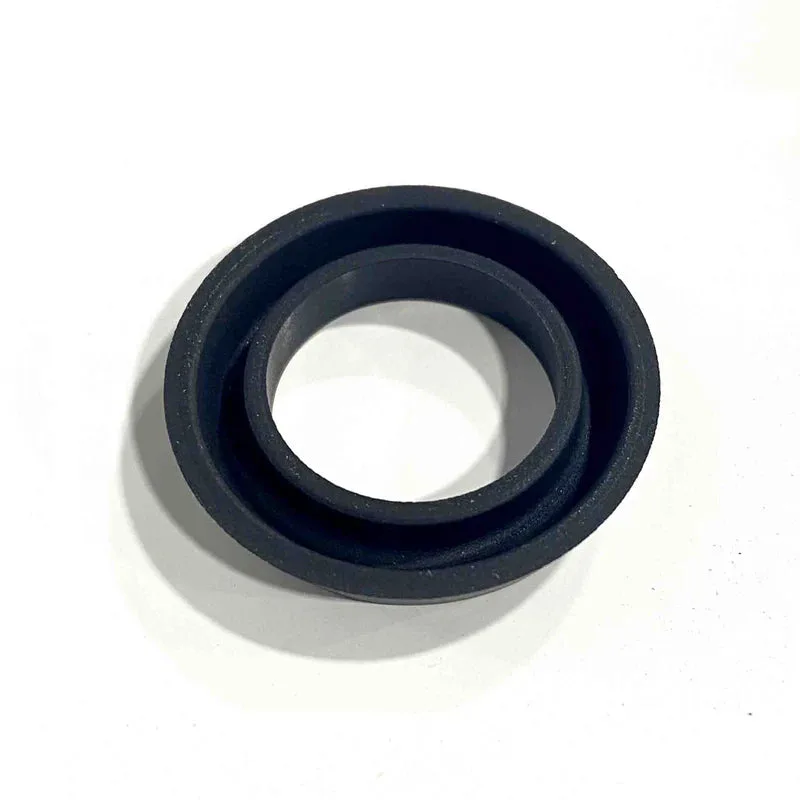
Pump Seal
- Use an insulated sleeping pad to prevent ground heat loss.
- Add a liner for extra warmth and hygiene.
- A comfortable pillow improves sleep quality.
Choosing the right 4-season sleeping bag is a balance of temperature rating, insulation type, features, and weight. By understanding your needs and the conditions you'll face, you can select a bag that keeps you warm and comfortable all winter long. Explore our selection of sleeping bags and accessories to find the perfect setup for your next cold-weather adventure.