When the temperature drops, your sleeping pad becomes just as important as your sleeping bag. A pad that lacks insulation can drain your body heat all night, leaving you shivering despite a warm-rated bag. Choosing the right winter sleeping pad is a science of R-value, insulation, and fit—and getting it right means the difference between a restful night and a miserable one.
In this guide, we break down everything you need to know about selecting a pad for cold weather camping, from understanding R-value to picking the right insulation type. We'll also highlight some top Klymit insulated pads that are built to keep you warm in the harshest conditions.
Why R-Value Matters for Winter Camping
R-value measures a pad's ability to resist heat loss. The higher the R-value, the better the pad insulates you from the cold ground. For winter camping, experts recommend an R-value of at least 4, but for extreme cold, you may want 5 or higher. Klymit insulated pads typically offer R-values between 4 and 5, making them suitable for most winter conditions.
When you're shopping, look for the R-value on the product spec. Many Klymit pads, like the Static V series, have insulated versions with enhanced R-values. Remember, your sleeping bag's warmth rating is only half the equation—without proper ground insulation, you'll lose heat rapidly.
- For mild winter (above 20°F): R-value 3-4
- For moderate winter (20°F to 0°F): R-value 4-5
- For extreme cold (below 0°F): R-value 5+
Types of Insulation: Air vs. Foam
Sleeping pads come in three main types: air pads, foam pads, and hybrid air+foam pads. Air pads are lightweight and pack small, but they need insulation to prevent heat loss. Foam pads are durable and provide insulation on their own, but they're bulky and less comfortable. Hybrid pads combine air chambers with foam or synthetic insulation for the best of both worlds.
Klymit's insulated air pads use a combination of reflective film and synthetic insulation to trap body heat. This makes them lightweight and packable while still offering high R-values. For winter backpacking, an insulated air pad is a great choice because it saves weight and space in your pack.
- Air pads: light, compact, but need insulation
- Foam pads: durable, insulating, but bulky
- Hybrid pads: best balance of comfort and insulation
Key Features to Look For
When choosing a winter sleeping pad, consider the pad's thickness, width, and valve design. Thicker pads (3 inches or more) provide better cushioning and insulation. Wider pads offer more comfort for side sleepers. Look for easy-to-use valves that allow quick inflation and deflation, especially when you're wearing gloves.
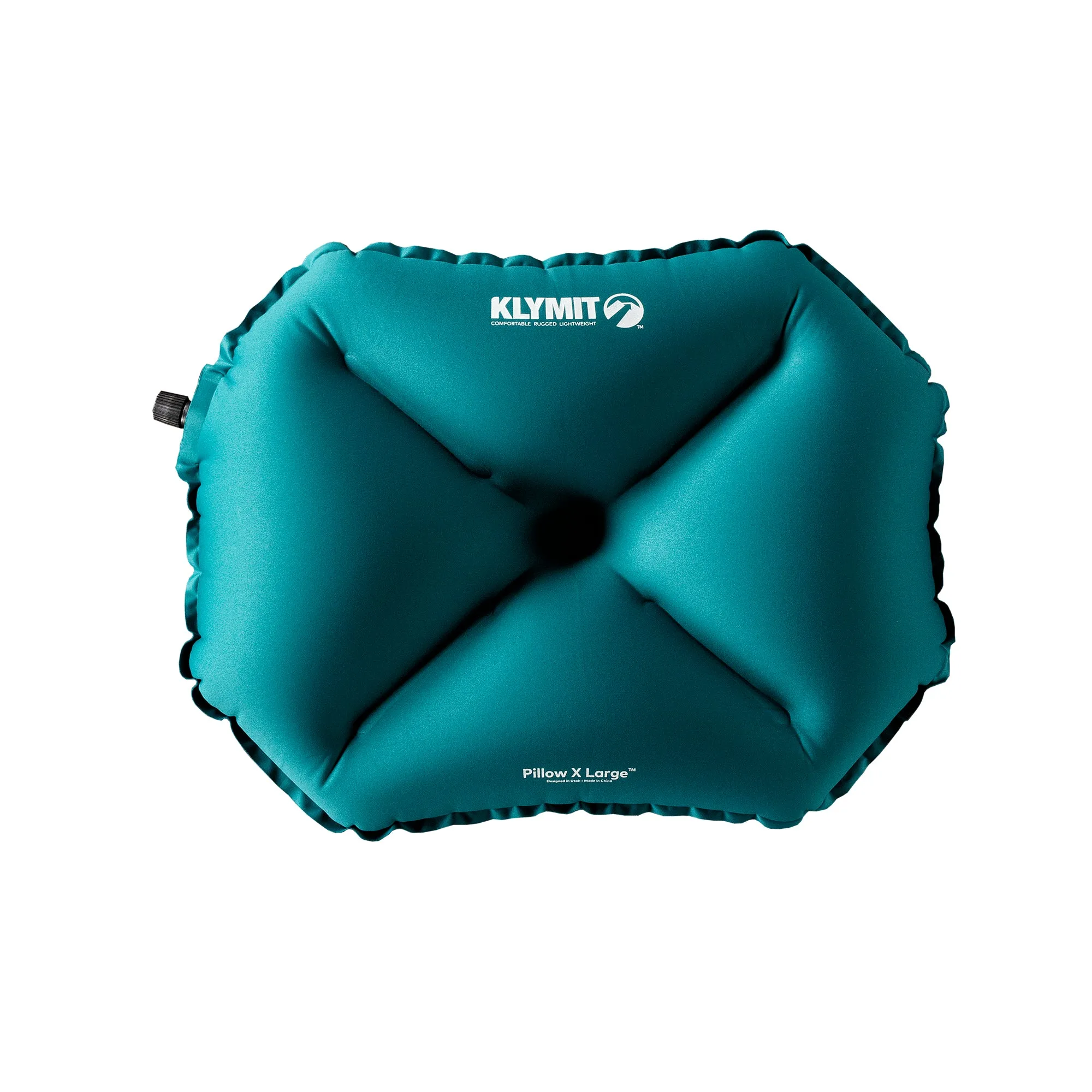
Klymit pads feature their unique V-chamber design that reduces heat loss and improves comfort. Many models also come with an integrated pump sack for fast inflation, which is a lifesaver in cold weather. Additionally, some pads have a high-traction fabric to prevent your sleeping bag from sliding off.
- Thickness: at least 2.5 inches for winter
- Width: consider your sleeping style and shoulder width
- Valve: look for a two-way valve for quick deflation
Top Klymit Pads for Winter Camping
Klymit offers several insulated pads that are perfect for cold weather. The Static V series is a popular choice, with the Static V ShortTM Sleeping Pad being a great option for those who want to save weight without sacrificing warmth. It has an R-value of 4.4, making it suitable for most winter conditions.
For those who need extra warmth, the Insulated Static V pad features a higher R-value and added insulation. If you're car camping and can afford more weight, the Klymit Double Sleeping Pad is an excellent choice for two people, providing ample insulation and comfort.
- Static V ShortTM: lightweight, R-value 4.4, great for backpacking
- Insulated Static V: higher R-value for colder conditions
- Double pad: ideal for couples winter camping
How to Use Your Winter Sleeping Pad Effectively
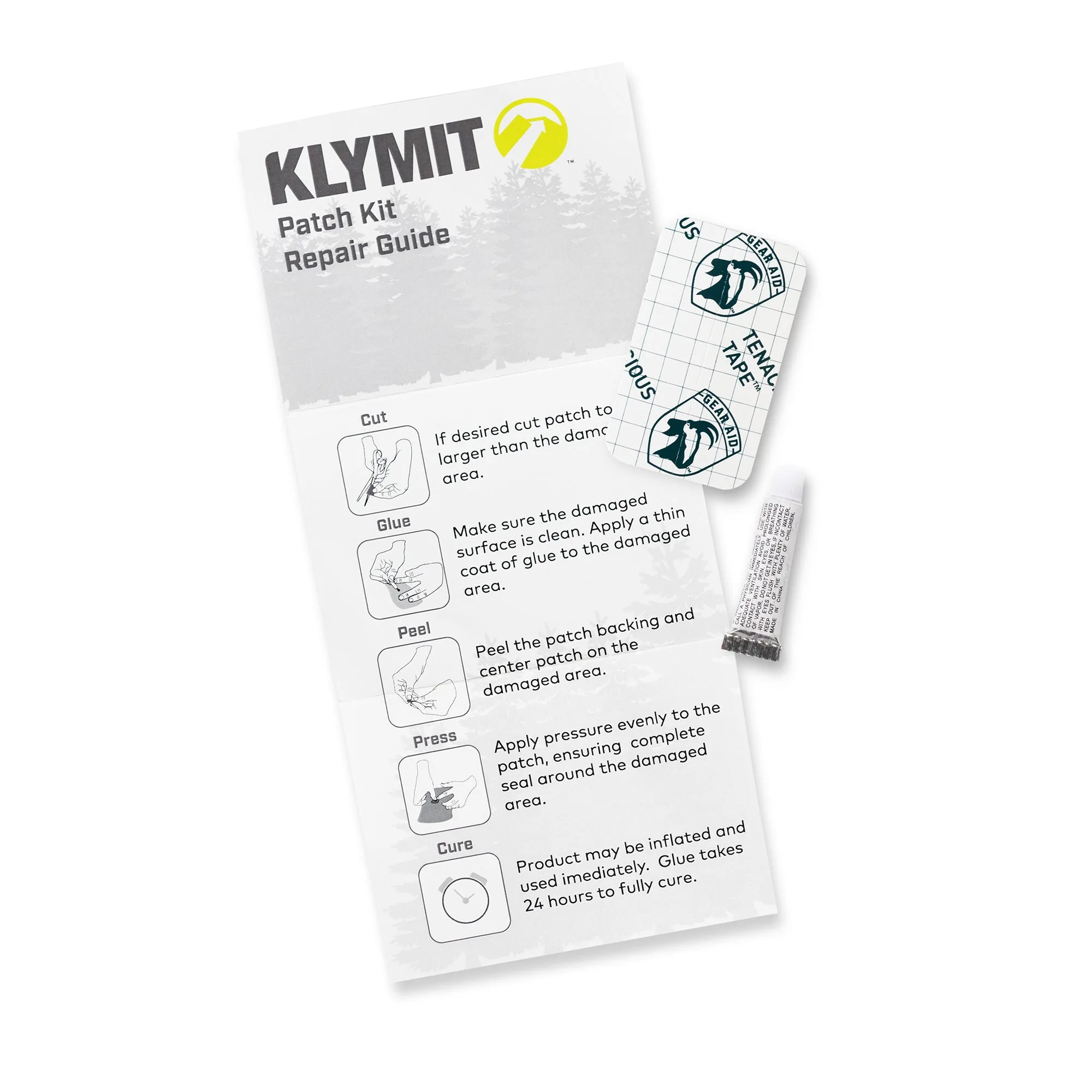
Once you've chosen the right pad, proper use is key. Always inflate your pad fully and allow it to loft for a few minutes before sleeping. Place a reflective emergency blanket under your pad for extra insulation. Also, keep your pad away from sharp objects and use a https://klymithvx.com/products/patch-kit-aa7c05b0bc8e2b4ae7bf6734-474986patch kit if you get a puncture.
If you're using an air pad, make sure the valve is sealed tightly. Some Klymit pads come with a repair kit and a stuff sack that doubles as a pump. In extreme cold, consider pairing your pad with a foam pad for extra insulation.
- Inflate fully and let it loft
- Use a ground sheet for extra insulation
- Carry a repair kit for emergencies
Choosing the right winter sleeping pad is essential for a warm and comfortable night in the backcountry. Focus on R-value, insulation type, and features that suit your camping style. Klymit's insulated pads offer excellent warmth-to-weight ratios, making them a top choice for cold weather adventures. Explore the Static V ShortTM Sleeping Pad to start your winter camping journey on the right foot.