Quick answer
Choose a full slip when you need smooth coverage from bust to hem under dresses, and a half slip when you only need skirt coverage from waist down. Match the slip length to your hem, pick a fabric that reduces static and adds a light layer, and use the brand's size chart rather than your dress size.
A slip is one of those quiet layers that can make or break how a dress or skirt looks and feels. The right one keeps fabric from clinging, smooths the line under thin or unlined pieces, and adds a bit of opacity where you want it. The wrong one bunches, rides up, or shows at the hem.
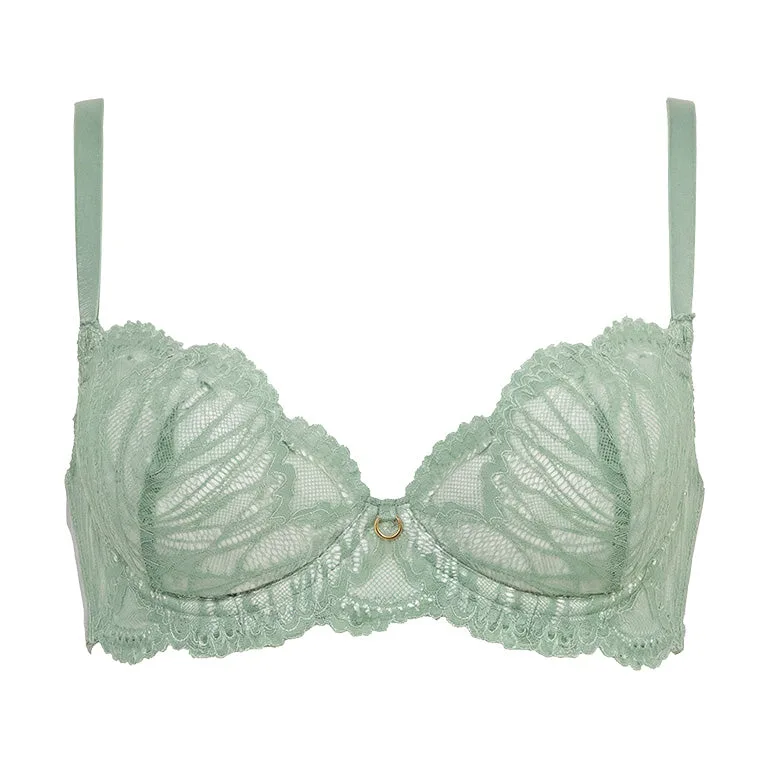
This guide gives you decision rules for choosing between a full slip and a half slip, picking fabrics that fight static, and getting the size right. You'll also see how shaping layers like the Jasmine Shaping Bra 26S2 and the Cotton Wireless Lace Bra Camisole 24 can work with a slip when you want a more polished silhouette.
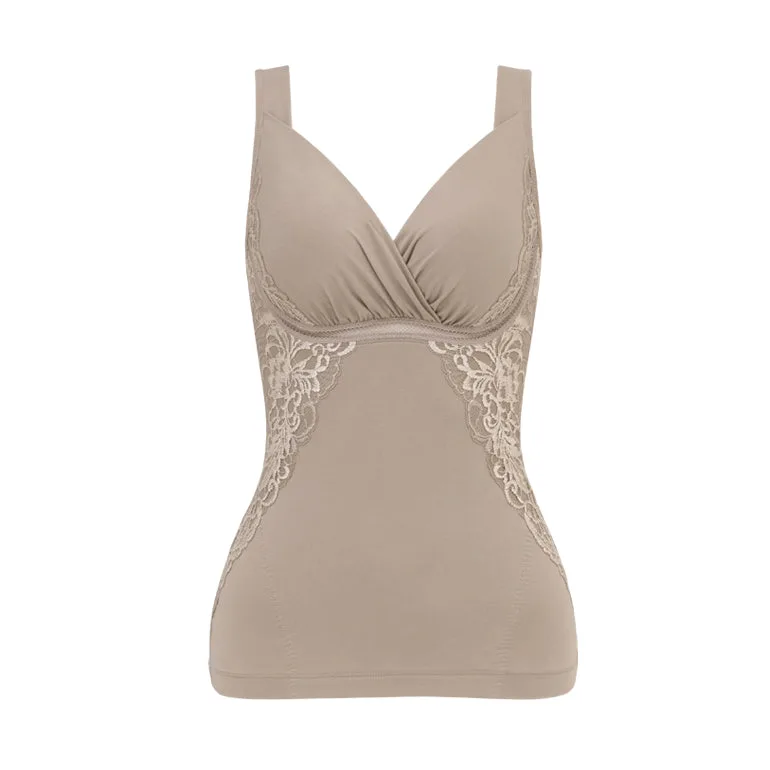
Cotton Wireless Lace Bra Camisole 24
Full slip vs half slip: start with the garment
The fastest way to choose is to look at what you're wearing. If your dress is unlined, sheer, or made of a clingy fabric like jersey or silk, a full slip covers from the bust or straps down to the hem, giving you one smooth layer. If your top half is fine but your skirt clings or shows through, a half slip from waist to hem is lighter and less bulky.
Think about where the problem actually is. A full slip for a dress solves both opacity and cling in one piece, but it adds a layer over your bra and can feel warm. A half slip for skirts is easier to wear with separate tops and lets you keep your usual bra or camisole. Neither is better; they solve different problems.
- Choose a full slip for unlined dresses, sheer fabrics, and anything that clings from bust to knee.
- Choose a half slip for skirts, or when only your lower half needs smoothing or opacity.
- If you want bust shaping without a full slip, a wireless bra camisole can cover the top half while a half slip handles the bottom.
Match slip length to hem length
Slip length should be slightly shorter than your outer hem, usually by an inch or two. If the slip is longer, it peeks out when you sit or walk. If it's much shorter, it can bunch at the waist and create ridges. For midi dresses, a midi-length full slip or half slip works; for mini skirts, a short half slip is enough.
If you're between lengths, go shorter rather than longer. A slip that ends above the hem stays hidden and still prevents cling in the areas that matter most. For maxi dresses, look for a full slip that ends a few inches above the hem so it doesn't drag.
- Measure your dress or skirt from waist to hem, then choose a slip 1–2 inches shorter.
- For skirts with slits, check that the slip doesn't show through the slit when you move.
- If you wear both mini and midi skirts, a short half slip is the more versatile choice.
Fabric and anti-static choices
Static cling is the main reason slips exist, so fabric matters. Smooth, silky synthetics like nylon and polyester glide against outer fabrics and reduce friction, which helps prevent static. Cotton and cotton-blend slips feel breathable but can cling more, especially in dry weather. If static is your main problem, look for an anti-static slip or a silky finish.
For hot weather, a lightweight mesh or tricot slip adds less heat. For cold weather, a slightly heavier slip can add a thin layer of warmth under skirts. If you have sensitive skin, look for a soft cotton-lined crotch or a smooth waistband that won't dig. The goal is a layer you forget you're wearing.
- Choose silky nylon or polyester for anti-static performance under clingy dresses.
- Choose cotton or cotton blends if breathability matters more than static control.
- Check the waistband: a flat, covered elastic is less likely to show under fitted skirts.
Slip sizing guide: measure, don't guess
Slip sizing usually follows your body measurements, not your dress size. Measure your waist, hips, and sometimes your bust, then compare to the brand's size chart. If you're between sizes, size up for comfort and to avoid the slip riding up; a slip that's too tight will roll at the waist and feel restrictive.
Length is separate from size. A size medium half slip may come in different lengths, so check both. If you're tall or short, length matters more than you think. A slip that's the right size but the wrong length will still show or bunch.
- Measure your waist and hips, then use the brand's slip sizing guide.
- Size up if you're between sizes; a too-tight slip rolls and rides up.
- Check the length measurement separately from the size.
Layering a slip with shaping pieces
A slip can work alongside shaping pieces, but the order matters. Put on your bra or shaping bra first, then the slip, then your dress. If you're wearing a camisole with built-in support, you may not need a full slip on top; a half slip underneath handles the skirt. This keeps the layers smooth without bulk.
For a polished look under a fitted dress, a shaping bra like the Jasmine Shaping Bra 26S2 gathers tissue from the back and underarms for a smoother line, while a slip prevents the dress from clinging. If you prefer wireless support, the Cotton Wireless Lace Bra Camisole 24 uses patented mesh tape to lift and shape without wires, and its lace and power net combo helps enhance the waistline.
- Layer order: bra or shaping bra, then slip, then dress.
- If your camisole already smooths your top half, a half slip is enough for the bottom.
- Avoid wearing a slip over a girdle if it creates ridges; choose one smoothing layer per zone.
Decision rules for choosing a slip
- If your dress is unlined or sheer: Choose a full slip in a color close to your skin tone or the dress lining. Full slip for dress coverage from bust to hem.
- If only your skirt clings: Choose a half slip that ends 1–2 inches above the hem. Half slip for skirts is lighter and easier to layer.
- If static is the main problem: Choose a silky nylon or polyester anti-static slip rather than cotton. Smooth fabrics reduce friction and cling.
- If you're between sizes: Size up and check the length separately from the size. A too-tight slip rolls and rides up.
Products that pair well with slips
- Jasmine Shaping Bra 26S2: The Jasmine Shaping Bra 26S2 is a Step 1 shaping bra lavishly featuring Italian stretch raschel lace, with a wide cup structure that gently gathers tissue from the back and underarms. If you want a smoother bust and back line under a slip, this bra adds shaping where a slip alone won't.
- Cotton Wireless Lace Bra Camisole 24: The Cotton Wireless Lace Bra Camisole 24 offers lifted and supported comfort with patented mesh tape, and its lace and power net combo helps enhance waistline and gently lift and shape the bust. This camisole can replace a full slip on top when you want wireless support and a slimming effect without extra layers.
Who should choose a full slip vs half slip
Best for
- Unlined or sheer dresses that need full coverage
- Clingy fabrics like jersey or silk that show every line
- Anyone who wants one smooth layer from bust to hem
Not for
- Skirts worn with separate tops where only the lower half needs smoothing
- Hot weather when you want the least amount of layering
- Anyone who prefers a wireless camisole for bust support instead of a full slip
The right slip comes down to where you need coverage and how much layering you want. Start with the garment, match the length, pick a fabric that fights static, and use the size chart. With those rules, your slip stays hidden and your dress or skirt looks smoother.