Quick Answer
To choose the right sneakers for your outfits, start by defining the primary role they'll play—daily comfort, athletic performance, or style anchor. Then prioritize fit and material based on your activities, and use color and silhouette to tie them into your existing wardrobe.
Sneakers are often the hardest-working piece in a wardrobe, yet many people choose them based on looks alone. The result is a closet full of shoes that either hurt your feet or clash with your favorite jeans. This guide walks you through practical decision rules, so you can pick sneakers that feel good and look right with what you already own.
We'll cover fit fundamentals, material trade-offs, and how to match sneaker silhouettes to different outfit types. You'll also learn why recycled and natural materials can be a smart choice for both comfort and the planet.
Start with Fit: The Foundation of Any Sneaker Choice
Fit is the most important factor when selecting sneakers, because even the most stylish pair will fail if it causes blisters or foot fatigue. A good rule of thumb is to leave about a thumb's width of space between your longest toe and the end of the shoe. This allows for natural foot swelling during the day and prevents your toes from jamming on descents or long walks.
Try sneakers on in the afternoon or evening, when your feet are slightly larger. Wear the same socks you plan to use—thin for casual wear, thicker for athletic use. Walk around on a hard surface to check for heel slip and arch support. If you have wide feet, look for brands that offer wide sizing or known for generous toe boxes.
- Always measure both feet—one is often larger.
- Bring your orthotics or insoles to the fitting if you use them.
Match the Silhouette to Your Outfit
Sneaker silhouette dramatically changes how an outfit reads. Chunky 'dad' sneakers add a casual, streetwear vibe and pair well with wide-leg pants or midi skirts. Slim, low-profile sneakers are more versatile and can work with dresses, tailored trousers, or jeans without overwhelming the look.
Consider the proportion of your outfit. If you wear slim-fit pants or leggings, a sleek sneaker creates a streamlined line. For voluminous bottoms like wide-leg trousers or A-line skirts, a chunkier sneaker can balance the visual weight. Neutral colors like white, black, or beige offer maximum flexibility, while bold colors can serve as a statement piece.
Material Matters: Natural, Recycled, and Performance Fabrics
Sneaker materials affect breathability, durability, and environmental impact. Natural fibers like cotton and wool are breathable and comfortable, but may not offer the same water resistance as synthetics. Recycled materials, such as recycled polyester or polyamide, provide performance benefits while reducing waste.
For everyday casual wear, a sneaker with a cotton or wool upper can keep your feet comfortable in moderate temperatures. If you need water resistance or extra support for athletic activities, look for synthetic blends. Remember that natural materials may require more careful cleaning, so consider your willingness to maintain them.
- Check the care label before buying—some materials are hand-wash only.
- Recycled materials often perform as well as virgin synthetics, so don't assume lower quality.
Color and Coordination: Making Sneakers Work with Your Wardrobe
The easiest way to ensure sneakers match your outfits is to choose a color that appears in several pieces of your wardrobe. White or off-white sneakers are classic and go with almost everything, but they show dirt easily. Black or dark gray are more forgiving and can ground lighter outfits.
If you want a pop of color, consider sneakers in a shade that complements your outerwear or accessories. For example, if you often wear earth tones, a pair in olive or rust can tie your look together. Avoid colors that clash with your most-worn pants, like bright red if you favor pastel trousers.
Decision Rules for Sneaker Selection
- Primary Use: Define what you'll do in these sneakers: daily walking, gym workouts, or casual style. Different activities demand different support and cushioning. Choose a shoe that matches your main activity to avoid discomfort.
- Fit Check: Always try on with appropriate socks and check for toe room and heel slip. Walk around to ensure comfort. If your toes touch the front, size up.
- Material Preference: Decide between natural, recycled, or synthetic based on breathability, water resistance, and care requirements. Natural and recycled materials are great for everyday wear, synthetics for performance.
- Color Coordination: Pick a color that appears in your wardrobe or complements your most-worn pieces. Neutral colors offer versatility; bold colors make a statement.
Sneaker Options from Our Collection
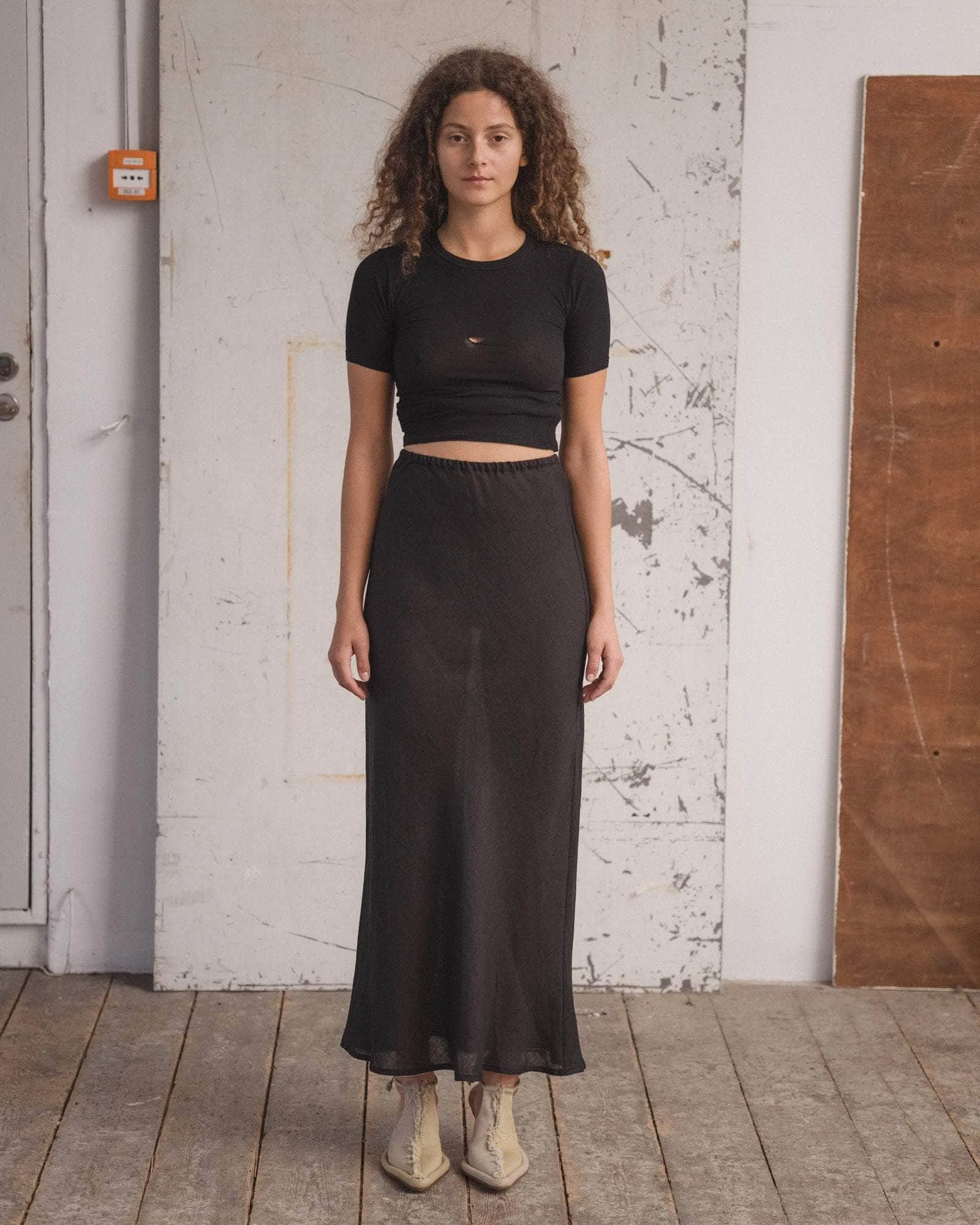
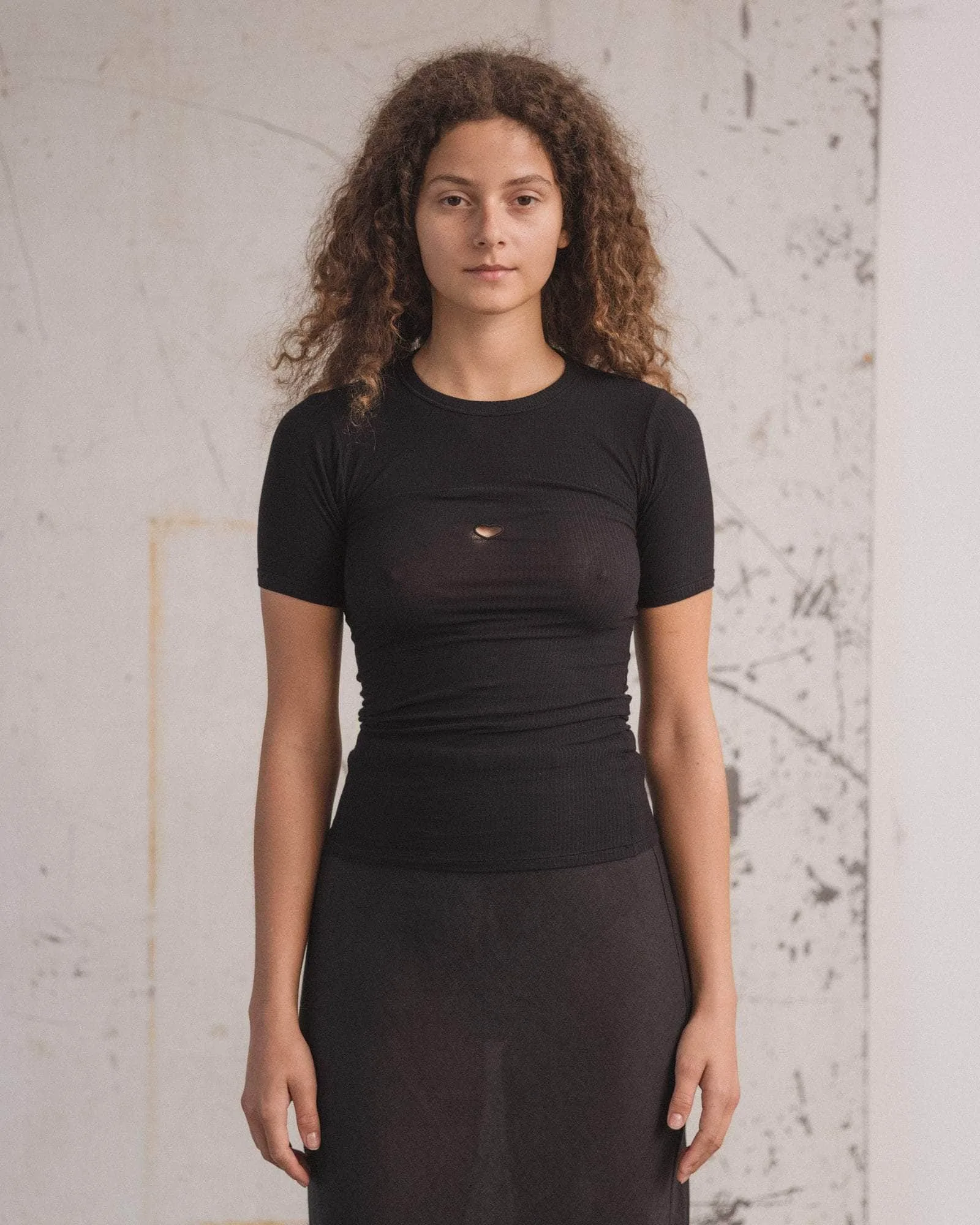
- Dydine Skirt: Sheer linen skirt with thin elastic waistband and bias cut, made from 100% Linen. Pairing a sheer, flowy skirt with sneakers creates a balanced casual look; the bias cut moves nicely with a low-profile sneaker.
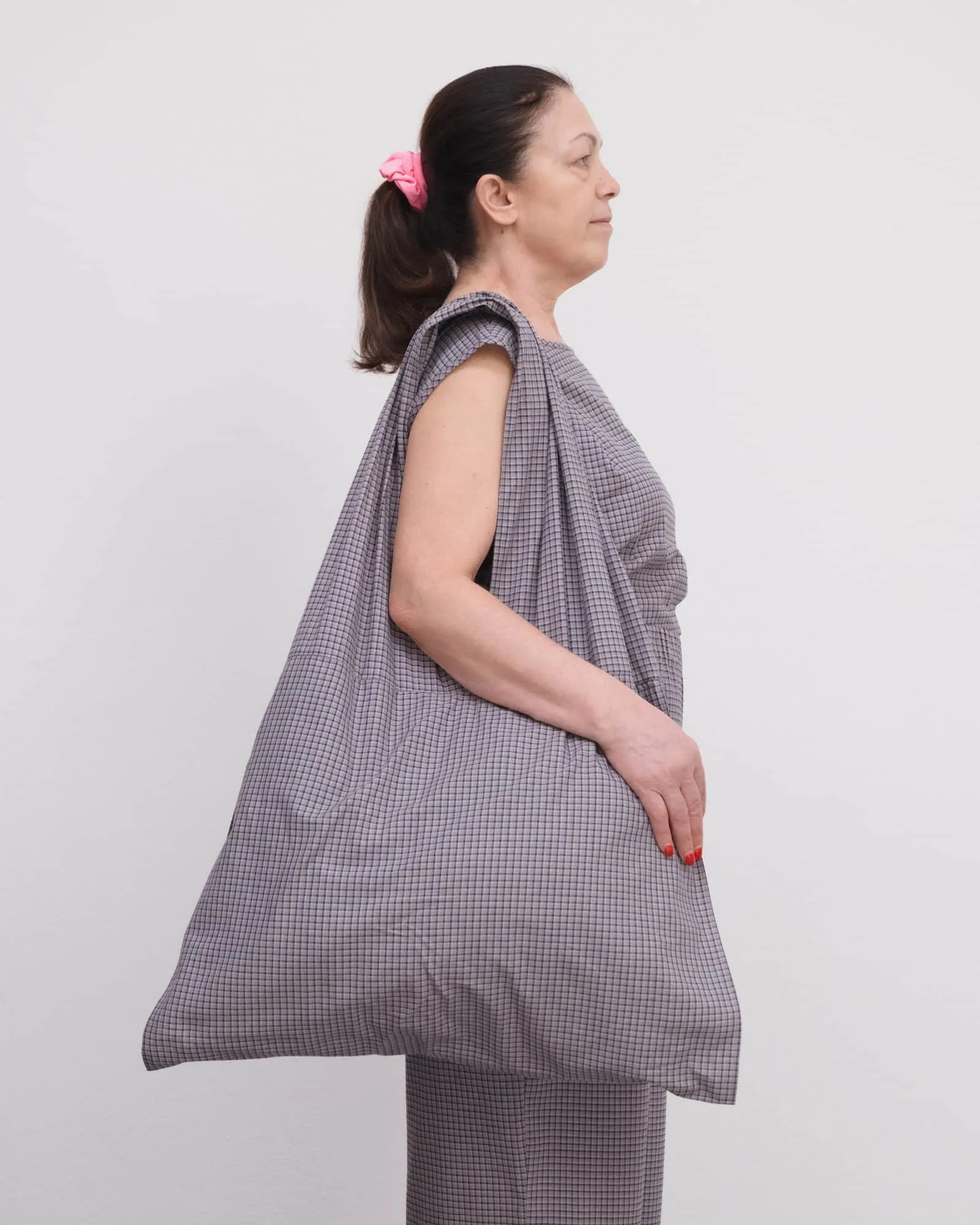
- Hale Bag: Recycled denim bag made from 66% Organic Cotton and 34% Recycled Cotton, with a fabric loop over the bag. This bag's recycled cotton content aligns with eco-conscious sneaker choices, and its casual style complements sneaker outfits.
Who Should Choose What
Best for
- People who prioritize comfort and versatility in casual outfits
- Eco-conscious shoppers looking for recycled or natural materials
Not for
- Athletes needing high-performance cushioning and support for intense training
- Those who prefer formal dress shoes for professional settings
Choosing the right sneakers for your outfits comes down to fit, silhouette, material, and color. By following these decision rules, you can find a pair that feels good, looks great, and complements your wardrobe. Remember, the best sneaker is one you'll reach for again and again.