Quick Answer
To choose the right soap, first identify your skin type: dry skin needs moisturizing ingredients like oils and glycerin, oily skin benefits from clarifying and balancing formulas, sensitive skin requires fragrance-free and gentle options, and combination skin works best with a balanced, non-stripping soap. Look for natural soaps that avoid harsh sulfates and synthetic fragrances, and always patch-test a new product before full use.
Walk down any soap aisle and you'll see hundreds of bars, liquids, and specialty cleansers—but the best soap for your skin isn't the one with the loudest label. It's the one that matches your skin's natural needs. Using the wrong soap can leave dry skin flaky, oily skin greasier, or sensitive skin red and irritated. This guide gives you clear decision rules based on your skin type, plus what to look for in natural soap formulas.
Your skin type is not a permanent label—it can shift with seasons, hormones, and age. So instead of memorizing a single product, learn how to read ingredient lists and evaluate what a soap will actually do. That way, you can adapt your choice whenever your skin changes.
Know Your Skin Type First
Before you shop, take a simple at-home check. Wash your face with a mild cleanser, pat dry, and wait 30 minutes without applying anything. If your skin feels tight and looks dull, you likely have dry skin. If it looks shiny and feels slick, especially in the T-zone, you probably have oily skin. Redness, itching, or stinging after washing points to sensitive skin. If you see oil in some areas and dryness in others, you have combination skin.
Your skin type determines which soap ingredients will help and which will hurt. For dry skin, avoid harsh detergents like sodium lauryl sulfate (SLS) that strip natural oils. For oily skin, skip heavy creams that can clog pores. For sensitive skin, choose fragrance-free formulas with soothing botanicals. Combination skin needs a balanced soap that cleans without over-drying.
- Do the bare-face test to identify your skin type accurately.
- Re-check your skin type every season—winter often increases dryness.
What to Look for in a Natural Soap
Natural soap benefits go beyond marketing: plant-based oils, herbal extracts, and essential oils can nourish while they cleanse. Look for soaps made with olive, coconut, or shea butter for moisture, and ingredients like turmeric, neem, or aloe for their soothing and clarifying properties. Avoid synthetic fragrances, parabens, and ammonia-based additives, which are common irritants.
However, 'natural' is not a guarantee of suitability. Even natural essential oils can trigger sensitivity in some people. Always check the full ingredient list and do a patch test on your inner arm before using a new soap on your face or body. If a product causes stinging or redness, it's not right for you—regardless of how natural it claims to be.
- Patch-test new soaps for 24 hours on a small skin area.
Matching Soap to Your Skin Type
For dry skin, choose a soap that is creamy, hydrating, and free of sulfates. Look for ingredients like glycerin, honey, or milk. For oily skin, pick a soap with clarifying herbs like neem, tea tree, or charcoal that can help balance oil without stripping. Sensitive skin needs the simplest formula—fragrance-free, dye-free, and hypoallergenic. Combination skin benefits from a soap that is neither too rich nor too astringent, often one with a balanced base like oatmeal or aloe.
If you have a specific concern like acne or hyperpigmentation, consider a soap that addresses that issue while still matching your skin type. For example, a soap with turmeric may help with dullness, but if you have dry skin, ensure it also contains moisturizing agents. Always prioritize skin comfort over trend ingredients.
- Read labels for 'sulfate-free' if you have dry or sensitive skin.
Decision Rules for Choosing Soap
- Rule 1: Identify Your Skin Type: Do the bare-face test or consult a dermatologist. Your skin type is the foundation for every other choice. Know your type before you buy.
- Rule 2: Check the Ingredient List: Avoid sulfates, parabens, and synthetic fragrances. Look for moisturizing oils for dry skin, clarifying herbs for oily skin, and minimal ingredients for sensitive skin. Ingredients matter more than brand claims.
- Rule 3: Patch Test Before Full Use: Apply a small amount to your inner arm and wait 24 hours. If no irritation occurs, it's likely safe for your face or body. A 24-hour test can save you from a bad reaction.
- Rule 4: Observe How Your Skin Feels: After using a new soap for a few days, note if your skin feels tight, greasy, or comfortable. Adjust your choice if you see breakouts, dryness, or redness. Your skin is the final judge.
Natural Options That Support Skin Health
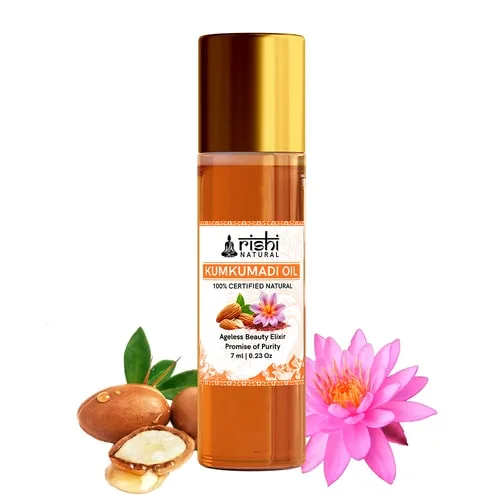
- Kumkumadi Face Oil - All Natural Certified – Ayurvedic Elixir For Youthful Skin, Anti Ageing Face Oil - Kumkumadi Tailam: Rishi Natural Kumkumadi Face Oil is a luxurious blend of saffron, sandalwood, and essential herbs that deeply nourishes and brightens your skin. This Ayurvedic formula helps reduce dark spots, pigmentation, and fine lines, leaving your skin radiant and youthful. Ideal for all skin types, it absorbs quickly without greasiness. While not a soap, this face oil is a great follow-up after cleansing, especially for dry or mature skin. It adds moisture and targets pigmentation without clogging pores, making it a smart addition to your routine after choosing the right soap.
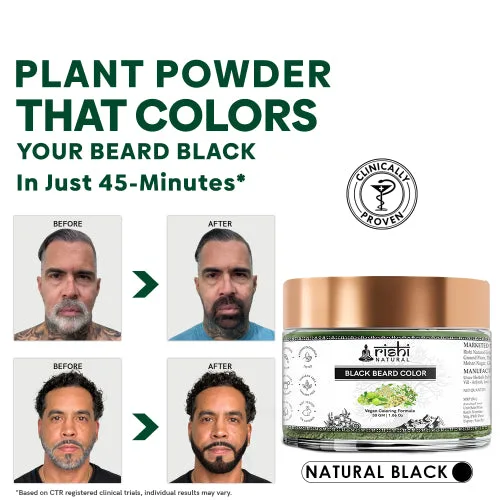
- Beard Black Color – Instant Natural Black Beard - Natural Look, Plant Based Dye, Ammonia-Free: Enhance your beard with Rishi Natural Beard Color in a rich, deep Beard Black Colour. Specially crafted for men, this best beard color ensures full, even coverage while nourishing your beard hair. Made with plant-based ingredients, it is free from harsh chemicals like ammonia and parabens. For men with sensitive facial skin, choosing an ammonia-free beard color is as important as choosing the right soap. This plant-based dye minimizes irritation, so you can color your beard without compromising skin comfort.
Who Should Use What
Best For
- People with dry or sensitive skin who need a gentle, moisturizing cleanser without harsh additives.
- Those who prefer natural, plant-based ingredients and want to avoid synthetic chemicals like ammonia and parabens.
Not For
- People who prefer a high-foaming, strong cleansing bar that strips oil—this can worsen dryness and irritation.
- Anyone with a known allergy to specific essential oils; always check the ingredient list first.
Choosing the right soap for your skin type doesn't have to be complicated. Start with your skin's basic needs, read labels for gentle and natural ingredients, and always patch-test new products. With these decision rules, you can build a cleansing routine that keeps your skin comfortable, balanced, and healthy—no matter the season.