Sunscreen is the most important step in any skincare routine, but finding the right one for your skin type can feel like a chore. With so many formulas, textures, and SPF levels, how do you know which is best? This guide will walk you through everything you need to consider, from SPF basics to ingredient choices, so you can confidently choose a sunscreen that protects your skin without causing breakouts, dryness, or irritation.
Whether you have oily, dry, sensitive, or combination skin, there is a perfect SPF out there for you. We'll break down the key factors to look for, explain the difference between physical and chemical filters, and highlight some standout products from Skinstitut that cater to various skin needs.
Understanding SPF: What Does the Number Really Mean?
SPF, or Sun Protection Factor, measures how well a sunscreen protects your skin from UVB rays, the kind that cause sunburn and contribute to skin cancer. An SPF 30 blocks about 97% of UVB rays, while SPF 50 blocks about 98%. While the difference seems small, SPF 50 offers significantly more protection, especially for those with fair skin or a history of sun damage.
But SPF is only part of the story. Broad-spectrum protection is essential because it shields your skin from both UVA and UVB rays. UVA rays penetrate deeper and cause premature aging, while UVB rays burn the surface. Always look for a sunscreen labeled 'broad-spectrum' to ensure comprehensive defense.
- SPF 30 blocks 97% of UVB rays, SPF 50 blocks 98%.
- Broad-spectrum sunscreens protect against both UVA and UVB rays.
- No sunscreen blocks 100% of UV rays, so reapplication is key.
Sunscreen for Oily and Acne-Prone Skin
If you have oily or acne-prone skin, the thought of applying sunscreen might make you cringe. Heavy, greasy formulas can clog pores and trigger breakouts. The key is to look for lightweight, oil-free, or non-comedogenic sunscreens that absorb quickly and leave a matte finish. Gel-based or fluid textures are often ideal because they feel weightless on the skin.
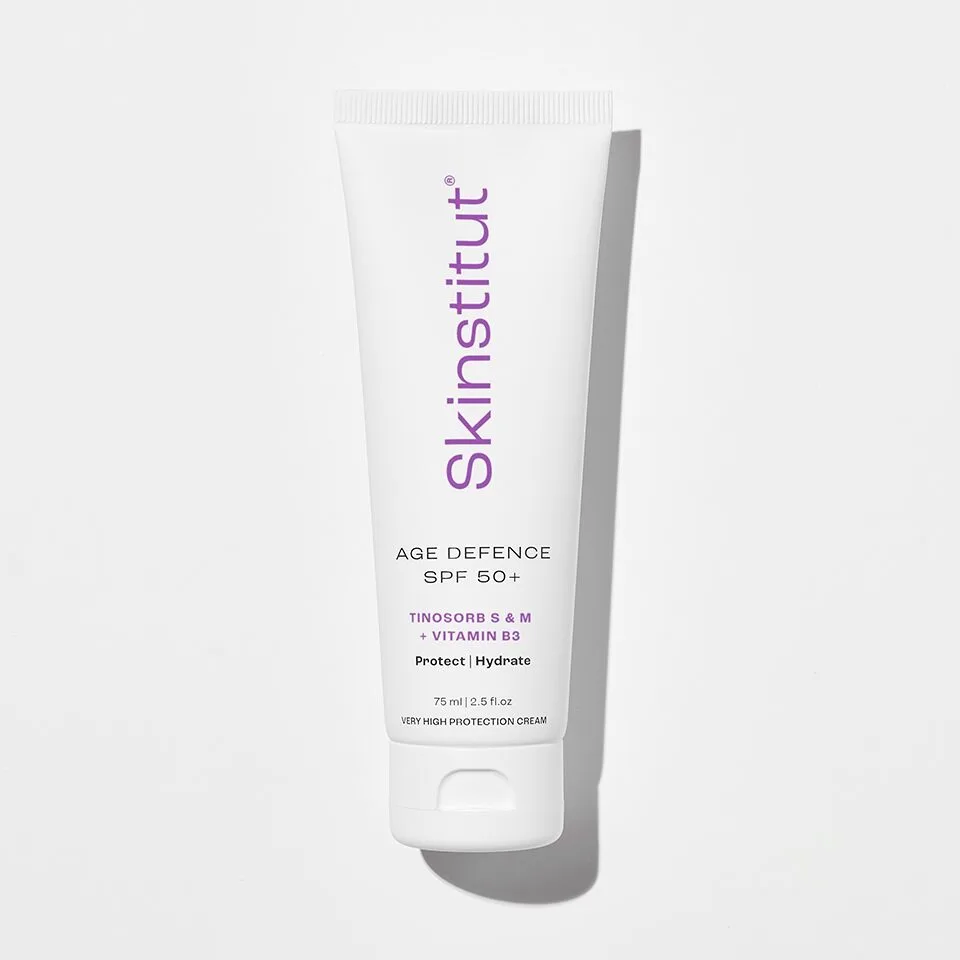
Ingredients like niacinamide can help control oil production, while hyaluronic acid provides hydration without the grease. A great option is the Age Defence SPF 50+, which offers high protection in a lightweight, non-greasy formula that suits oily skin types. It also contains antioxidants to fight free radicals, making it a multitasker for daily wear.
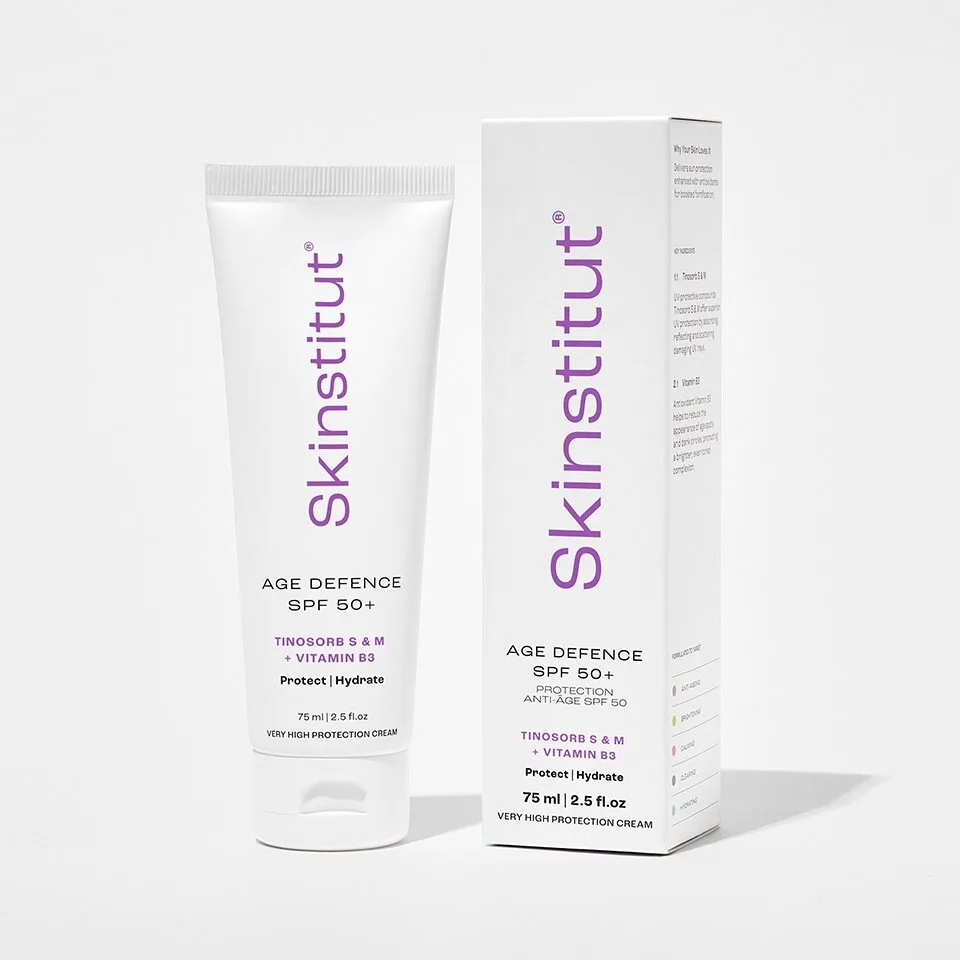
Age Defence SPF 50+
- Look for labels like 'oil-free', 'non-comedogenic', or 'matte finish'.
- Gel or fluid textures are less likely to feel heavy.
- Niacinamide and hyaluronic acid are beneficial ingredients for oily skin.
Sunscreen for Dry and Dehydrated Skin
Dry skin needs a sunscreen that not only protects but also hydrates. Creamy, moisturizing formulas with ingredients like hyaluronic acid, glycerin, or ceramides help lock in moisture and prevent the skin from feeling tight or flaky. Avoid alcohol-based sunscreens, which can further dry out the skin.
A nourishing SPF can double as your moisturizer in the morning, simplifying your routine. For an extra boost of hydration, consider layering a hydrating serum underneath. The 1% Hyaluronic Complex Serum is a fantastic choice to prep your skin before sunscreen, ensuring a smooth, plump base.
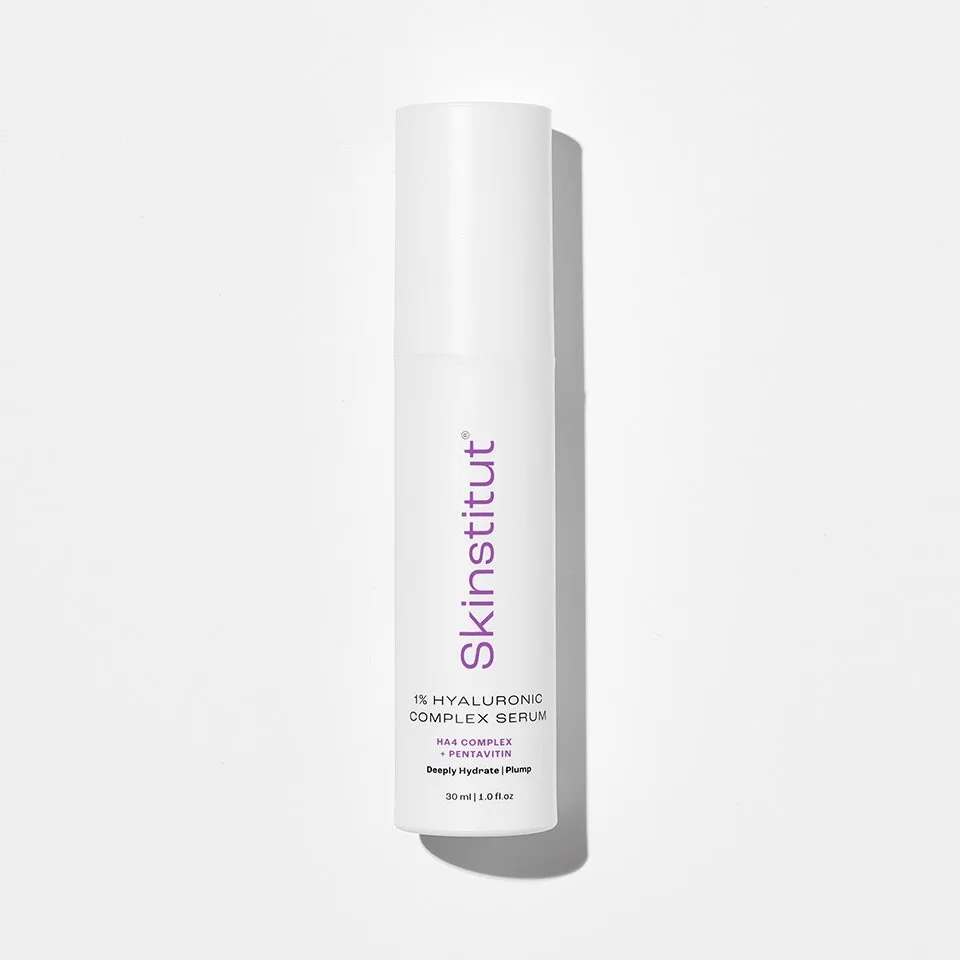
1% Hyaluronic Complex Serum
- Choose creamy or lotion formulas that provide moisture.
- Look for hydrating ingredients like hyaluronic acid, glycerin, and ceramides.
- Avoid alcohol-based sunscreens that can strip moisture.
Sunscreen for Sensitive and Reactive Skin
Sensitive skin requires extra care when choosing sunscreen. Mineral (physical) sunscreens with zinc oxide or titanium dioxide are often better tolerated because they sit on the skin's surface and reflect UV rays, rather than being absorbed. They are less likely to cause irritation or allergic reactions. Look for fragrance-free and hypoallergenic formulas.
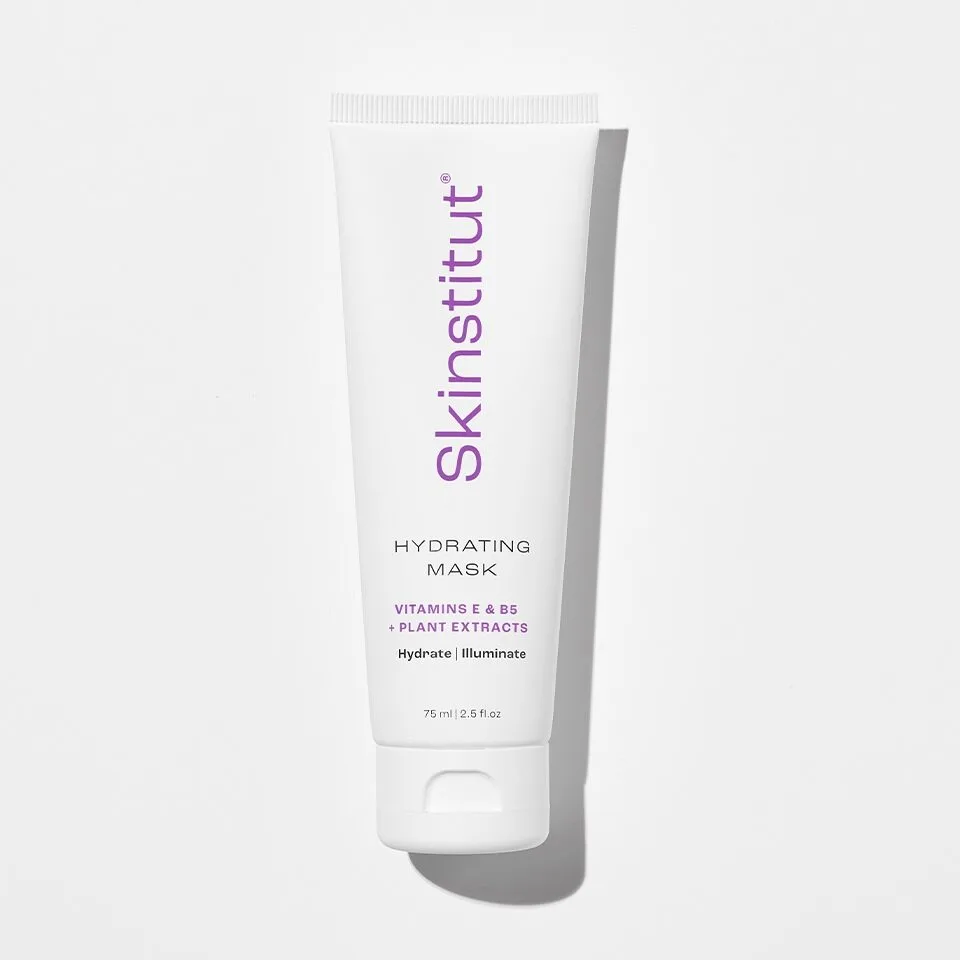
Patch testing is always a good idea before applying a new sunscreen to your face. The Age Defence SPF 50+ is formulated to be gentle on sensitive skin, but if you have particularly reactive skin, you might also want to incorporate soothing products like the Hydrating Mask to calm any post-sun exposure redness.
- Mineral sunscreens are less irritating for sensitive skin.
- Opt for fragrance-free and hypoallergenic labels.
- Always patch test a new sunscreen on a small area first.
Sunscreen for Combination Skin
Combination skin can be tricky: you may have an oily T-zone but dry cheeks. The best sunscreen for you is one that balances both needs. A lightweight lotion or gel-cream that hydrates without being too heavy is often ideal. You can also use different sunscreens on different areas of your face if needed.
For combination skin, a product like the Age Defence SPF 50+ works well because it provides broad-spectrum protection without leaving a greasy residue. If you find your cheeks still feel dry, apply a moisturizer first, then follow with sunscreen.
- Look for balanced formulas that are neither too heavy nor too light.
- Consider using different sunscreens for different areas if necessary.
- Layering a moisturizer before sunscreen can help dry patches.
Key Ingredients to Look for in a Sunscreen
Beyond SPF, the ingredients in your sunscreen can make a big difference. Antioxidants like vitamin C and E help neutralize free radicals caused by UV exposure, while niacinamide can soothe and brighten. Hydrating ingredients like hyaluronic acid keep your skin comfortable throughout the day.
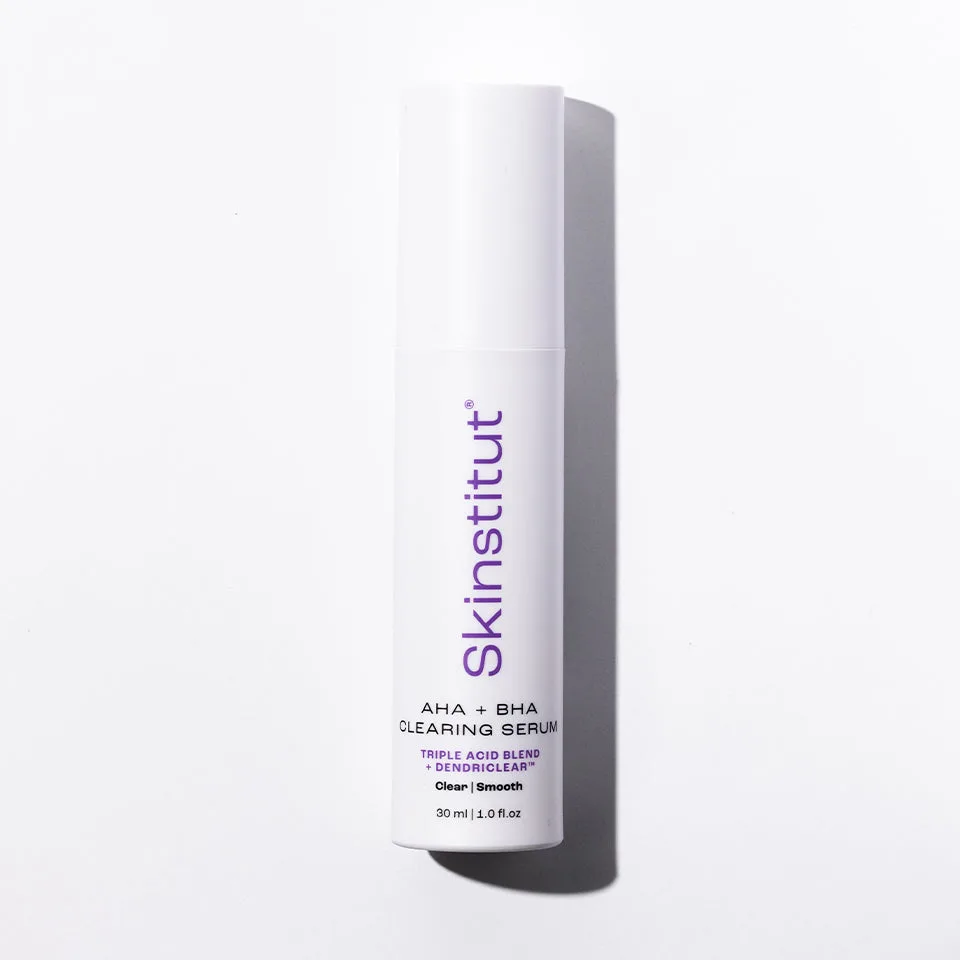
Some sunscreens also include skin-repairing ingredients that support your skin barrier. For example, the Age Defence SPF 50+ contains antioxidants that complement its high protection. If you're also using active serums, like the AHA + BHA Clearing Serum for acne, a good sunscreen is non-negotiable to protect your skin from increased sun sensitivity.
- Antioxidants like vitamin C and E boost protection.
- Niacinamide helps soothe and brighten.
- Hyaluronic acid adds hydration.
How to Apply Sunscreen Correctly
Applying sunscreen correctly is just as important as choosing the right one. You need about a teaspoon for your face and neck, and it should be the last step in your skincare routine before makeup. Don't forget often-missed areas like your ears, the back of your neck, and your hands.
Reapply every two hours, or more frequently if you're swimming or sweating. If you wear makeup, consider using a powder or spray sunscreen for touch-ups. And remember, sunscreen is not just for sunny days – UV rays can penetrate clouds and windows, so make it a daily habit.
- Use about a teaspoon for face and neck.
- Reapply every two hours, especially after swimming or sweating.
- Apply every day, even when it's cloudy or you're indoors.
Choosing the right SPF for your skin type doesn't have to be complicated. By understanding your skin's needs and looking for the right ingredients, you can find a sunscreen that offers protection without compromising comfort. For a versatile option that suits many skin types, consider the Age Defence SPF 50+ – it's a reliable choice that keeps your skin safe and healthy.