Choosing the right teapot can transform your tea experience. Whether you are a seasoned enthusiast or just beginning your journey, the vessel you brew in affects not only the flavor but also the aroma and temperature of your tea. With so many options—ceramic, glass, cast iron, and more—it can be overwhelming to know where to start.
This guide will walk you through the key factors to consider when selecting a teapot for different types of tea. From delicate green teas to robust black blends, we will help you match your brewing equipment to your favorite leaves. By the end, you will feel confident in choosing a teapot that brings out the best in every cup.
Why Teapot Material Matters
The material of your teapot influences heat retention, heat distribution, and even the subtle flavors of your tea. Ceramic teapots, including porcelain and stoneware, are versatile and neutral, making them ideal for most teas. They do not impart any additional flavors and are easy to clean. Glass teapots, like the Replacement Glass Teapot Lid design, allow you to watch the leaves unfurl, which is especially enjoyable for flowering or whole-leaf teas.
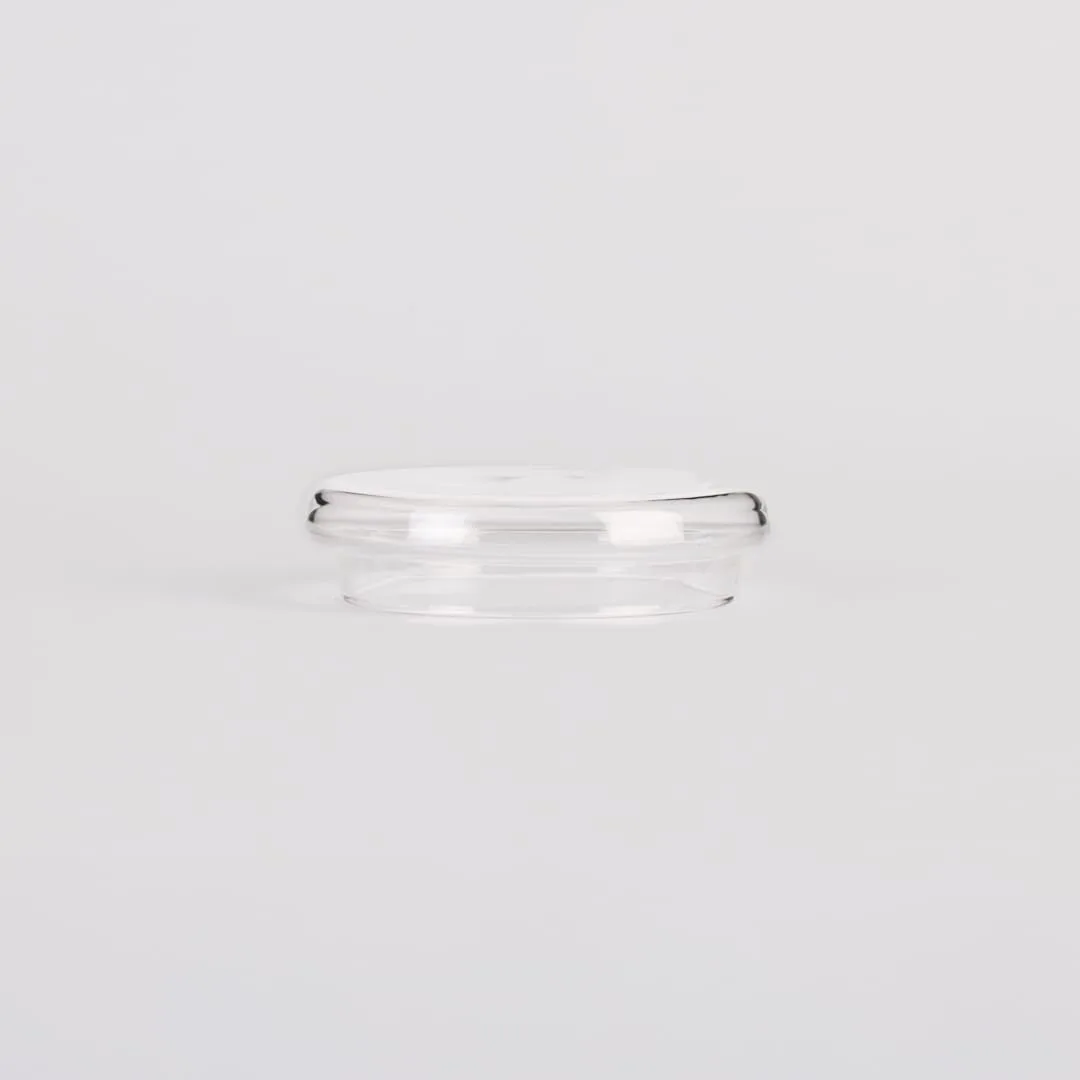
Replacement Glass Teapot Lid
Cast iron teapots, often used for Japanese greens, retain heat exceptionally well but can be heavy. They are best for teas that require high temperatures and longer steeping times. Yixing clay teapots, prized in Chinese tea culture, absorb the essence of the tea over time, making them perfect for dedicated use with one type of tea, such as oolong or pu-erh.
- Ceramic: neutral flavor, good for all teas, easy to clean.
- Glass: visual appeal, best for delicate greens and herbals.
- Cast iron: excellent heat retention, ideal for black and dark teas.
- Yixing clay: enhances flavor over time, best for single tea types.
Teapot Size and Shape: Matching Your Tea Type
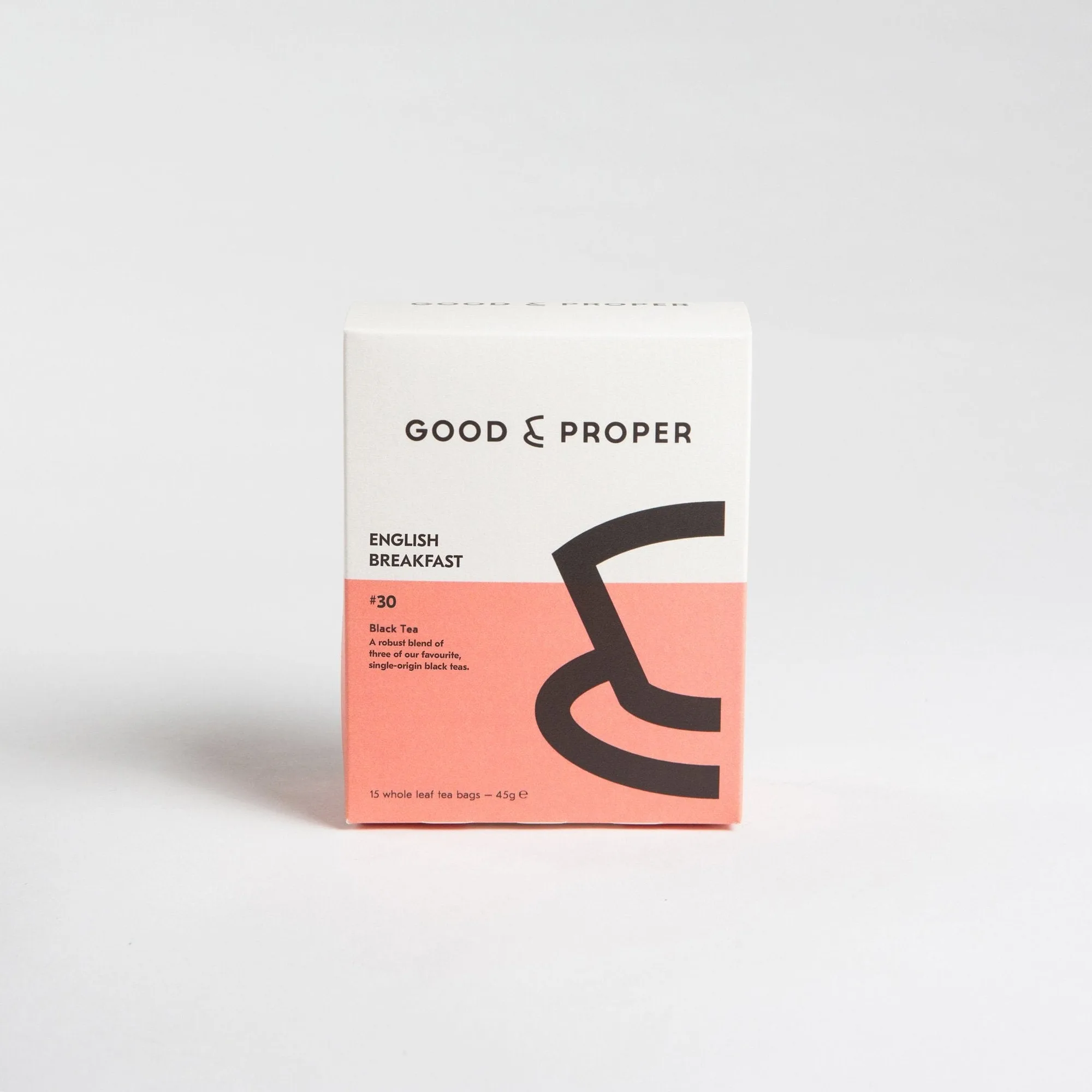
Size matters when brewing tea. A smaller teapot (around 150-300 ml) is perfect for concentrated brews like gongfu-style oolongs or pu-erh, where multiple short infusions are desired. A medium teapot (400-600 ml) suits daily drinking of black teas, such as English Breakfast, or green teas like Jade Tips (Mao Jian). Larger teapots (700 ml and above) are great for sharing with guests or brewing light, voluminous teas like white tea.
Shape also plays a role. Wide, low teapots allow tea leaves to expand fully, which is beneficial for whole-leaf teas. Taller, narrower teapots are better for teas that require less leaf movement, such as finely cut black teas. For herbal infusions like Lemongrass, a spacious pot ensures the herbs have room to release their flavors.
- Small teapots (150-300 ml): ideal for gongfu, oolong, pu-erh.
- Medium teapots (400-600 ml): versatile for black, green, and white teas.
- Large teapots (700+ ml): perfect for gatherings and herbal blends.
- Wide shapes: best for whole-leaf teas; narrow shapes: for finely cut leaves.
Brewing Temperature and Teapot Selection
Different teas require different water temperatures, and your teapot should help maintain that temperature throughout the steeping process. For delicate green teas like Jade Tips (Mao Jian), a thin-walled ceramic or glass teapot allows heat to dissipate quickly, preventing bitterness. Black teas, such as Darjeeling 2nd Flush, benefit from a thicker-walled pot that retains heat, ensuring a full extraction of flavors.
Herbal teas and tisanes, like Hibiscus, often require boiling water and longer steeping times. A glass teapot or a heat-resistant ceramic pot works well here, as it can handle high temperatures without cracking. If you enjoy matcha, a dedicated Matcha Bowl (Chawan) is essential for whisking, but for brewing loose-leaf teas, a teapot with a built-in infuser can simplify the process.
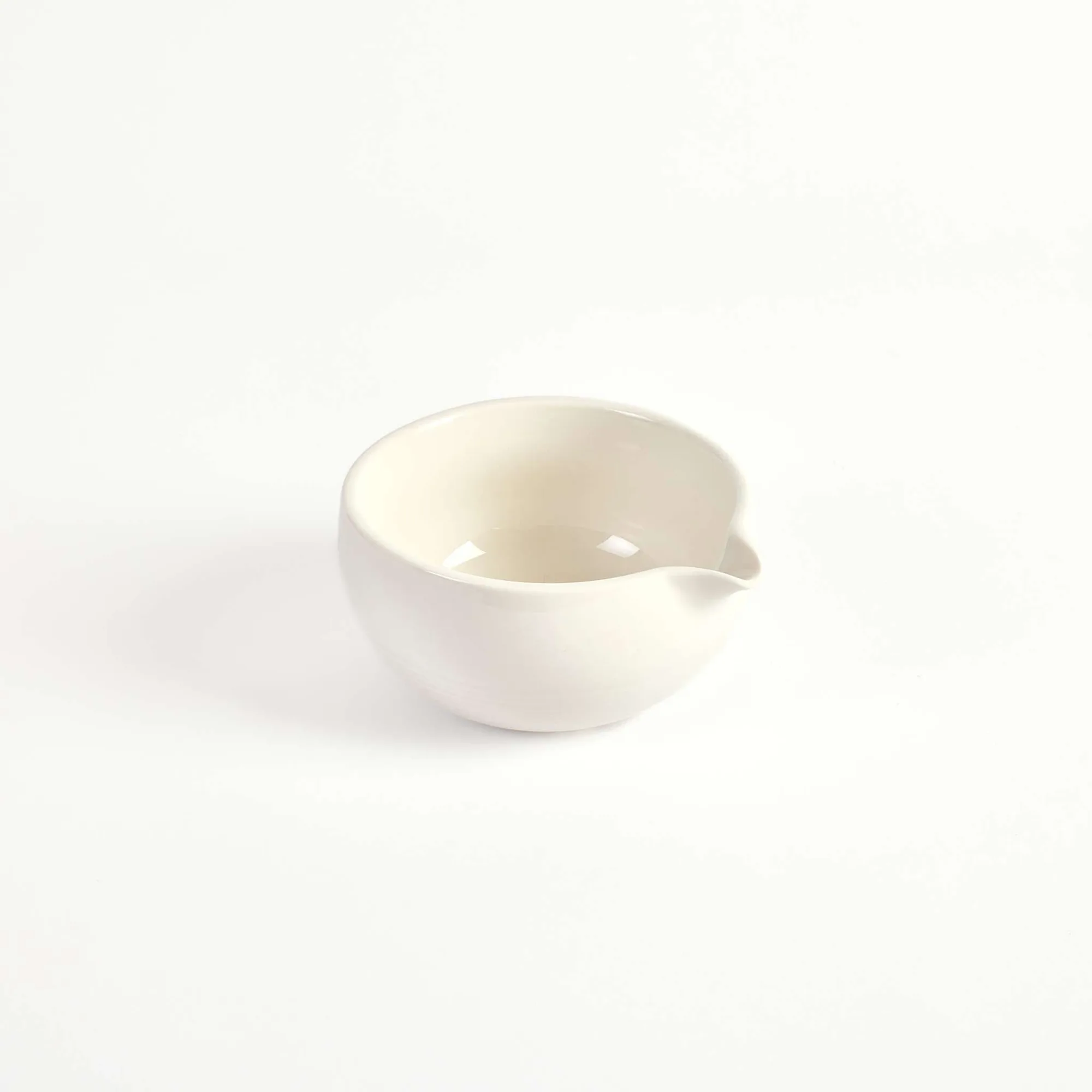
Matcha Bowl (Chawan)
- Green tea: thin walls, lower heat retention (70-80°C).
- Black tea: thick walls, good heat retention (90-100°C).
- Herbal tea: heat-resistant material, boiling water (100°C).
- Oolong tea: medium thickness, variable temperatures (80-95°C).
Practical Considerations: Infusers, Lids, and Maintenance
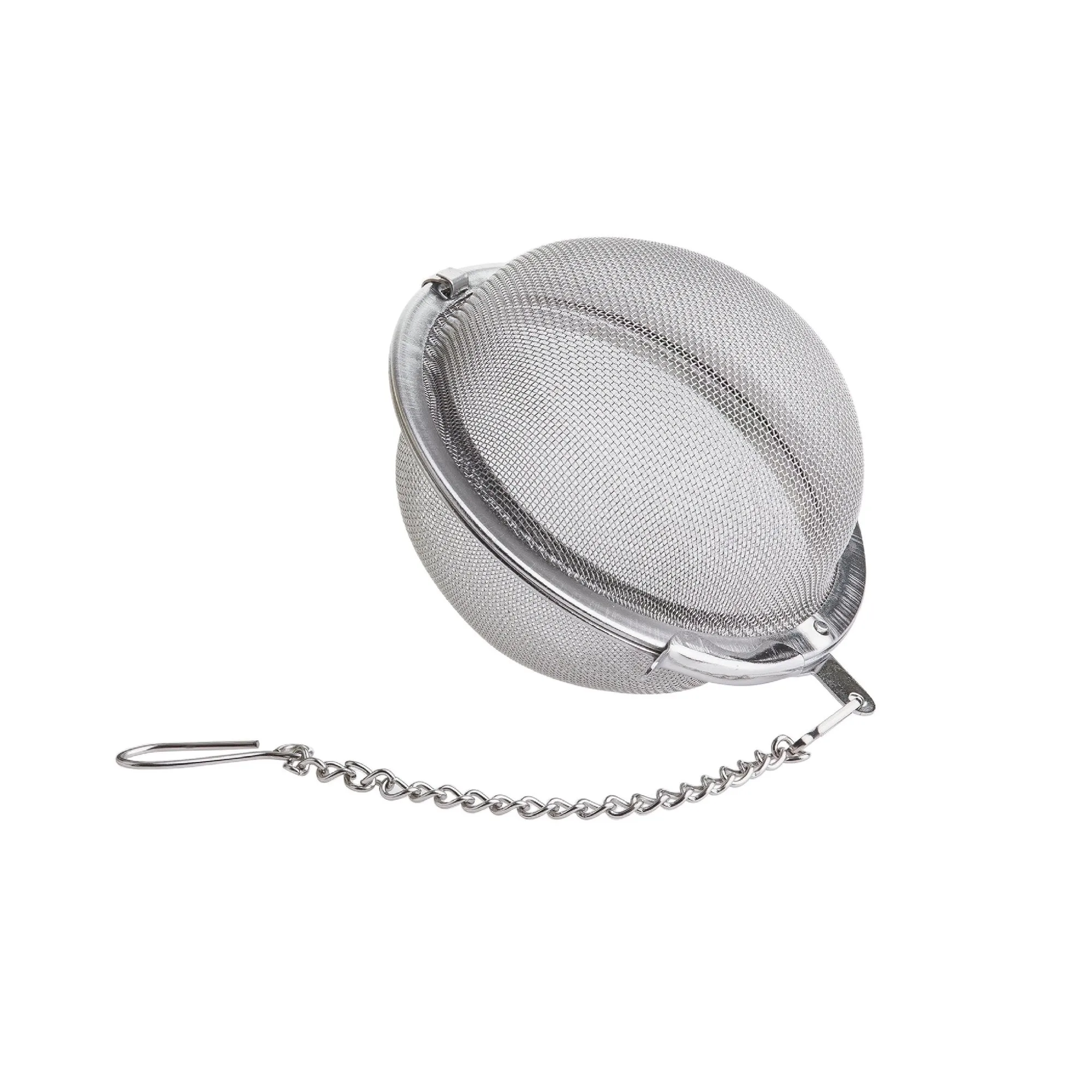
A teapot with a built-in infuser or a separate strainer makes brewing loose-leaf tea more convenient. Look for fine mesh infusers that allow water to circulate freely while keeping small particles out. Some teapots come with a removable infuser basket, making it easy to stop steeping when the tea is ready. If you prefer tea bags, a simple teapot without an infuser is sufficient.
Lids are another important detail. A well-fitting lid helps retain heat and aroma. If you own a glass teapot, consider having a spare Replacement Glass Teapot Lid on hand in case of breakage. Cleaning your teapot regularly is crucial—avoid using soap on unglazed clay pots, and rinse glass or ceramic pots with hot water to prevent flavor buildup.
- Infusers: fine mesh for loose-leaf; removable baskets for easy cleaning.
- Lids: ensure a snug fit to retain heat; replace if damaged.
- Cleaning: rinse with hot water; avoid soap for unglazed pots.
- Storage: keep teapot dry and in a safe place to avoid chipping.
Matching Teapots to Specific Tea Types
For black teas like English Breakfast, a medium-sized ceramic or cast iron teapot is ideal. The robust flavor benefits from high heat and full extraction. Green teas, such as Jade Tips (Mao Jian), are best brewed in a thin-walled porcelain or glass pot at lower temperatures to preserve their delicate notes. Oolong teas, especially those meant for multiple infusions, shine in a small Yixing clay or gaiwan.
White teas require gentle brewing, so a wide, shallow teapot that allows the leaves to expand is recommended. Herbal teas and tisanes, like Lemongrass or Hibiscus, are very forgiving—any heat-resistant teapot will work, but glass lets you enjoy the vibrant colors. For matcha, skip the teapot entirely and use a Matcha Bowl (Chawan) with a bamboo whisk for the traditional preparation.
- Black tea: ceramic or cast iron, medium to large size.
- Green tea: thin porcelain or glass, small to medium size.
- Oolong tea: Yixing clay or gaiwan, small size for gongfu.
- White tea: wide, shallow pot; low temperature.
- Herbal tea: glass or ceramic, any size; boiling water.
Choosing the right teapot enhances every sip, from the first infusion to the last. Whether you are brewing a classic English Breakfast or a delicate green tea, the right vessel makes all the difference. Explore our collection of teaware and find the perfect teapot for your favorite teas today.