Quick answer
For most bag making, choose a bonded polyester thread in a 40 wt or 50 wt size, matched to a fresh needle and the fabric you are sewing. Polyester thread for bags gives you strength, UV resistance, and low stretch, which is exactly what handles, zipper seams, and strap anchors need. Size up to a heavier thread only when the seam itself is heavy, and always test on a scrap sandwich before you commit.
Thread is the one supply that touches every seam in a bag, yet it is usually the last thing makers think about. Choose well and your handles, zipper openings, and strap anchors hold up to daily use. Choose poorly and you get skipped stitches, frayed seams, or thread that snaps when the bag is loaded.
This guide gives you concrete decision rules for fiber, weight, and needle so you can buy once and sew with confidence. If you already know your fabric and hardware, you can pick thread in a single pass.
Start with fiber: polyester, cotton, or nylon
Fiber decides how the thread behaves over time. Bonded polyester is the default for bags because it resists stretching, fading, and moisture, and it holds up to the abrasion that straps and zipper seams see every day. Cotton thread is pleasant to sew and takes a press well, but it weakens with sunlight and repeated washing, so it belongs on decorative work or light pouches rather than load-bearing seams.
Nylon thread is strong and elastic, which makes it useful for stretchy or high-flex areas, but it can be fussy to tension and is overkill for most woven bag projects. If you are unsure, polyester is the safe middle ground for almost every bag you will make.
- Use bonded polyester for handles, straps, zipper seams, and anything that carries weight.
- Save cotton thread for topstitching details or projects that will not be washed often.
- Avoid mixing fiber types in the same seam if you can help it; they age differently.
Thread weight guide: what 40 wt and 50 wt actually mean
Thread weight is a measure of thickness, and the numbers run opposite to what most people expect: a smaller number means a thicker thread. In bag making, 50 wt is a fine, all-purpose choice for piecing, quilting, and light seams. A 40 wt thread is slightly heavier and is the workhorse for construction seams, topstitching, and zipper installation on medium to heavy fabrics.
Heavier threads like 30 wt or 20 wt are for visible topstitching and heavy-duty straps, not for fine seams or tight curves. If you try to force a thick thread through a lightweight fabric, you will get puckers and needle deflection. Match the thread weight to the fabric weight, not to the hardware you happen to be installing.
- 50 wt: piecing, linings, light pouches, and delicate fabrics.
- 40 wt: main construction seams, zipper installation, and topstitching on canvas or faux leather.
- 30 wt and heavier: decorative topstitching and heavy strap assemblies only.
Match thread to fabric and needle
The needle carries the thread, so the two have to agree. A universal or sharp needle in size 80/12 handles 50 wt thread and lightweight canvas. Step up to a 90/14 or 100/16 for 40 wt thread and heavier fabrics like water-resistant canvas or faux leather. If you are sewing through multiple layers of webbing, interfacing, and vinyl, a leather or denim needle in a larger size keeps the thread from shredding.
Fabric texture matters too. Smooth, drapey linings like SilkyFlow take a fine needle and 50 wt thread without marking. Firm, coated fabrics need a larger needle and a slightly longer stitch so the thread sits on the surface instead of sinking in.
- Change your needle every project or two; a dull needle causes more thread problems than the thread itself.
- Test on a scrap sandwich of every layer in your bag before you sew the real seam.
- If the thread shreds or frays, go up one needle size before you change the thread.
Thread color and finish: practical rules
Color is a design choice, but it also affects how forgiving your seams look. Matching thread hides wobbles in topstitching and is the safest choice for beginners. Contrasting thread turns topstitching into a feature, but it also highlights every uneven stitch, so save it for when you are confident and your machine is tensioned well.
For the thread finish, bonded or glazed polyester resists fraying and runs smoothly through the machine. Unbonded thread is cheaper but sheds fibers and can leave lint in your bobbin case. If you sew bags regularly, bonded polyester pays for itself in fewer interruptions.
- Match thread to your main fabric for construction seams; use contrast only on topstitching.
- Buy one spool of neutral polyester in 40 wt and one in 50 wt as your baseline kit.
- Store thread out of direct sunlight; UV degrades thread over time.
Decision rules for buying bag making thread
- If you are sewing a first bag: Buy 40 wt bonded polyester in a color that matches your main fabric, plus a size 90/14 needle. This covers construction seams, zipper installation, and most topstitching.
- If your fabric is lightweight or drapey: Use 50 wt polyester thread and a size 80/12 sharp needle, and shorten your stitch slightly. Fine thread and a fine needle prevent puckers and needle marks on smooth linings.
- If you are sewing through webbing, vinyl, or multiple layers: Step up to 40 wt or heavier thread and a 100/16 needle, and lengthen your stitch. A larger needle keeps thick thread from shredding and reduces skipped stitches.
- If your thread keeps breaking: Re-thread the machine, check the bobbin, then change the needle before you blame the thread. Most breakage is a needle or tension problem, not a bad spool.
What to keep on hand
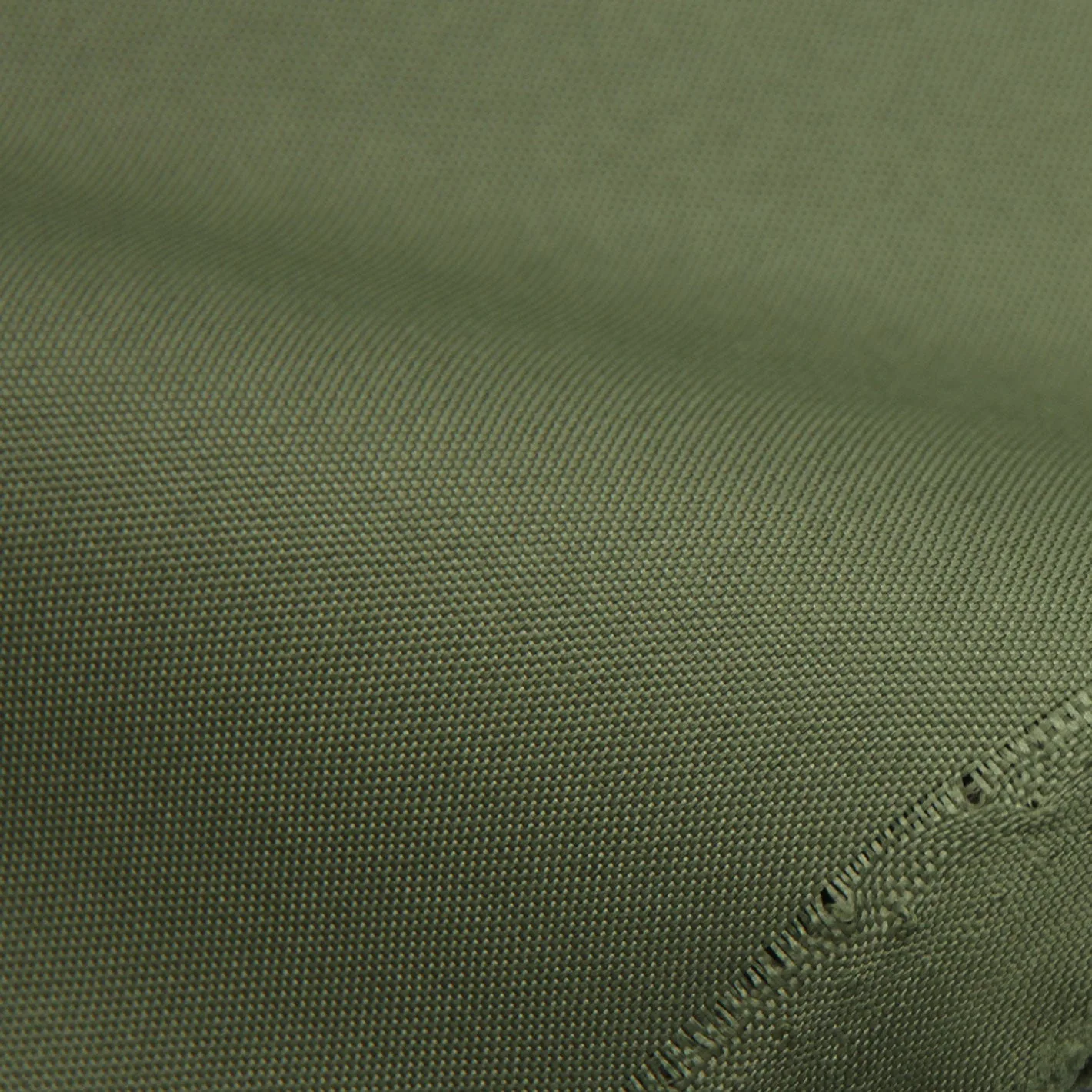
- Cricket Green - Lightweight Water Resistant Canvas: A 300 Denier polyester canvas with a clear PU back coating, described as the go-to lining for pouches, wristlets, wallets, and everyday bags. A coated canvas lining is a good place to use 50 wt polyester thread and a size 80/12 needle so you do not punch visible holes in the coating.
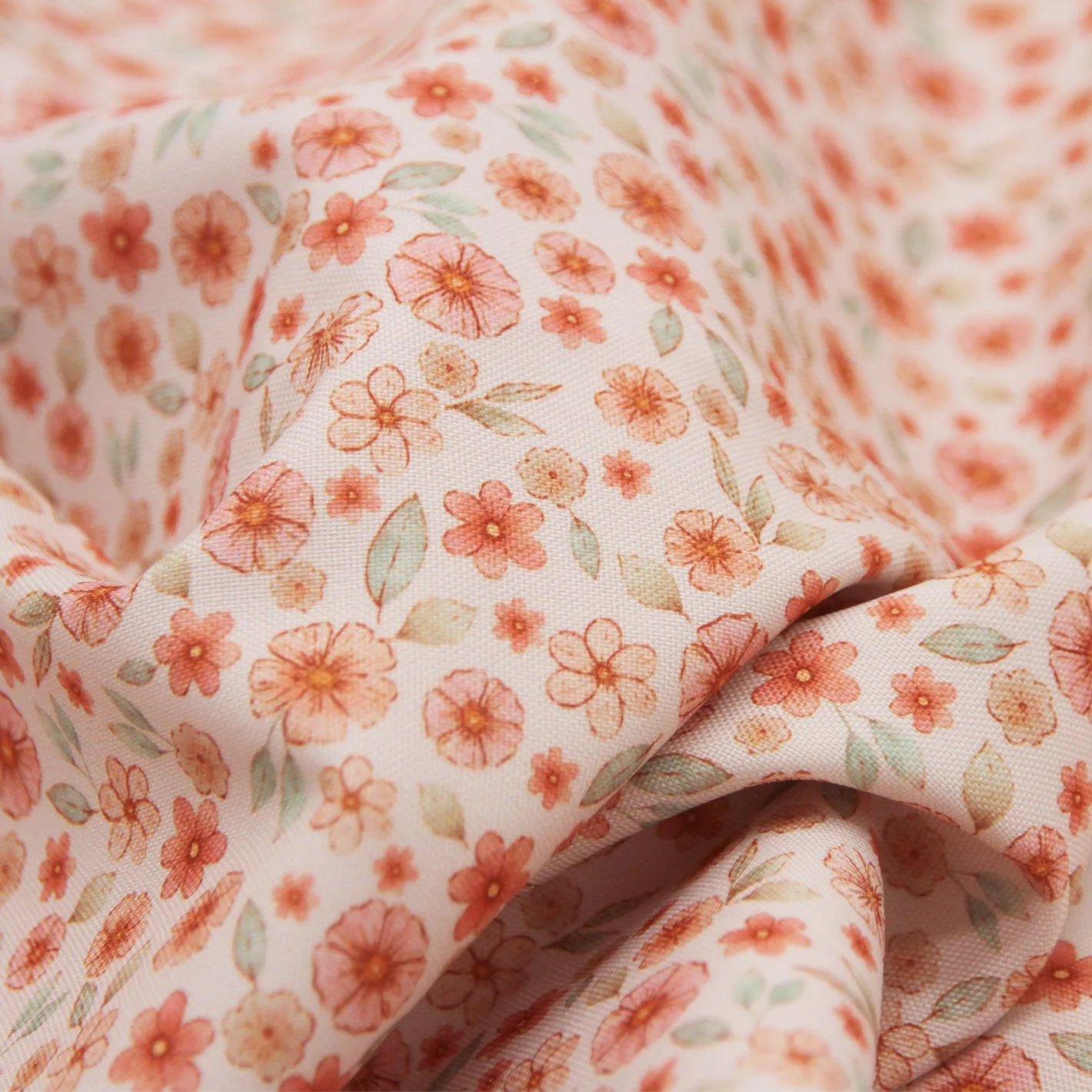
- Sweet as a Peach - SilkyFlow Fabric: A 300 Denier water-resistant canvas that is smooth, drapey, and has a subtle sheen for a polished lining finish. Smooth, drapey linings show needle marks easily, so pair this with a fine 50 wt thread and a fresh sharp needle.
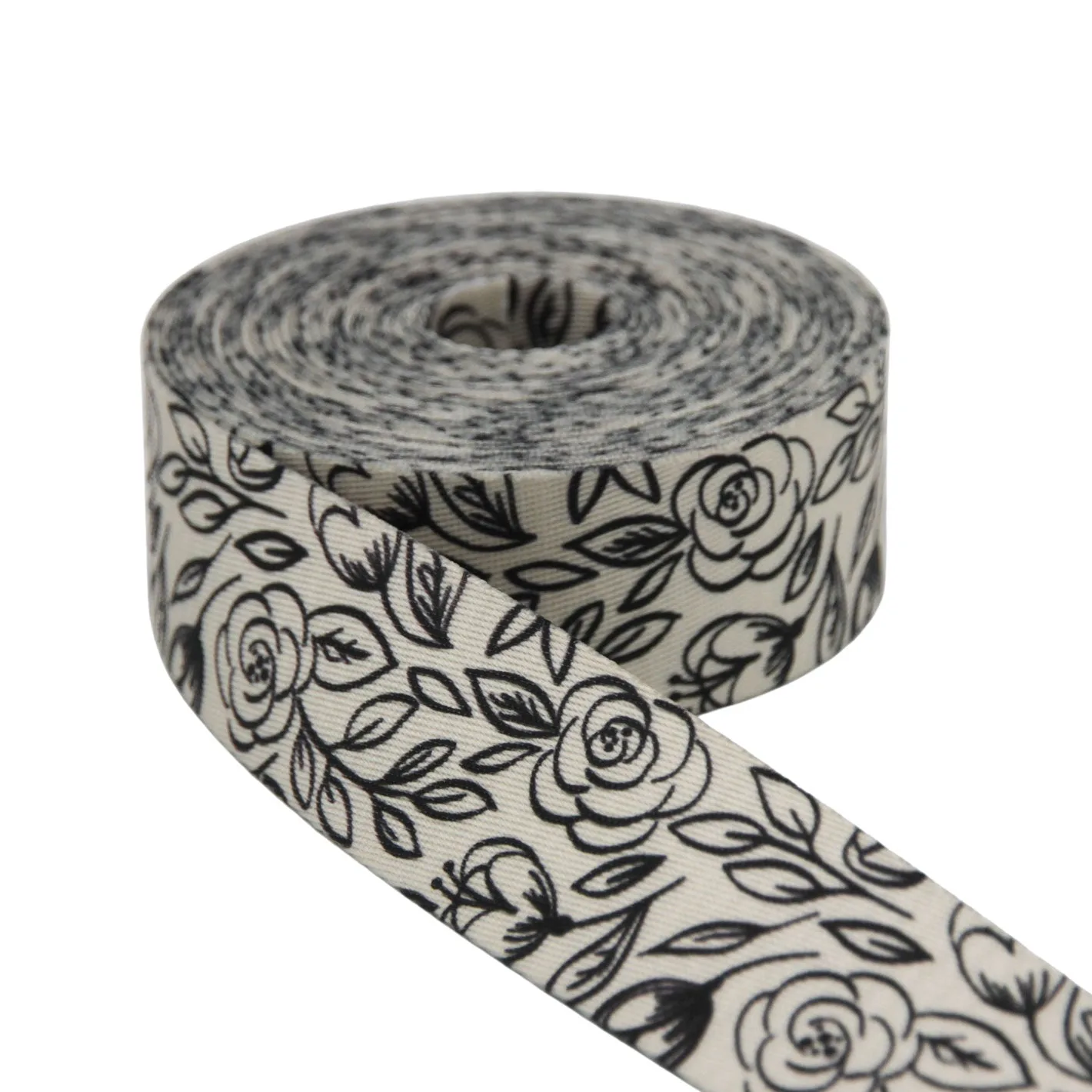
- Inked Rose - Printed Webbing: Polyester webbing for bag straps, handles, and key fobs, described as soft and pliable and easy to sew on a domestic machine. Pliable polyester webbing sews cleanly with 40 wt polyester thread, which matches the webbing's own fiber for consistent aging.
Who this thread choice fits
Best for
- Bag makers sewing everyday bags, pouches, and wallets with woven or coated fabrics
- Sewists who want one reliable polyester thread setup for construction and topstitching
- Beginners who want clear rules instead of guessing at fiber and weight
Not for
- Quilters seeking fine 50 wt cotton thread for piecing and heirloom quilting
- Sewists working only with stretch knits, who need a different thread and needle combination
- Makers who want a single heavy decorative thread for every seam regardless of fabric weight
Pick bonded polyester in 40 wt for most bag seams, drop to 50 wt for linings and light fabrics, and match your needle to the thread and fabric every time. Test on a scrap sandwich, keep a neutral spool of each weight on hand, and your seams will hold up as well as the bag around them.