Quick Answer
Choose a winter hat that covers the ears, fits snugly without being tight, and is made from soft, breathable materials like organic cotton or wool. Look for a chin strap or tie for babies and active toddlers. Avoid hats with loose pom-poms or decorations that could be a choking hazard.
When the temperature drops, keeping your child's head warm isn't just about comfort—it's about safety. Children lose heat quickly, and a well-chosen winter hat can make all the difference during outdoor play or commutes. But with so many styles and materials, how do you pick the right one?
This guide breaks down the key factors: material, fit, coverage, and safety. Whether you're shopping for a newborn or a preschooler, you'll know exactly what to look for—and what to avoid.
Material Matters: Warmth vs. Breathability
The material of the hat determines how warm it is and how comfortable it feels against your child's sensitive skin. For most winter days, a hat made from organic cotton or a cotton blend is soft, breathable, and less likely to cause itching. However, for very cold or windy days, you may need something more insulating, like fleece or wool—but beware: wool can be scratchy. If your child has sensitive skin, choose a hat with a soft lining or opt for a cotton-fleece blend.
Consider the weather in your area. If winters are mild and wet, a water-resistant outer layer can keep the hat from getting soggy. For dry, freezing conditions, a thicker knit or fleece hat will trap heat better. Always check the label for care instructions, as some materials require hand washing.
- For everyday wear: organic cotton or cotton-fleece blends are soft and breathable.
- For extreme cold: look for wool or a hat with a fleece lining for extra insulation.
- For wet snow: choose a hat with a water-repellent finish or a waterproof outer layer.
Fit and Coverage: Snug but Not Tight
A good winter hat should cover the ears completely and sit comfortably on the head without leaving red marks. Measure your child's head circumference and compare it to the hat's size chart. Many hats come in sizes like 0-6 months, 6-12 months, etc., but these vary by brand. If between sizes, size up for a slightly looser fit that can accommodate growth, but ensure it's not so big that it slips over the eyes.
For babies and toddlers, look for hats with a chin strap or ties to keep the hat in place. However, ensure the strap is not too tight and is easy to release for safety. For older children, a snug fit without straps is usually sufficient. Avoid hats with long cords or drawstrings that could pose a strangulation hazard.
- Measure your child's head circumference before buying.
- Check the size chart; if between sizes, size up for a bit of room.
- For babies, choose a hat with a chin strap or ties to keep it on.
Style vs. Function: What to Look For
While style matters, function should come first. A cute hat that doesn't stay on or isn't warm enough is useless. Look for features like a fold-up brim for extra ear coverage, or a soft inner band that prevents itching. Some hats come with a pom-pom on top, which is adorable but can be a choking hazard for babies—if you choose one, make sure it's securely attached and not easily pulled off.
For older kids, a hat with a fun pattern or their favorite color might encourage them to wear it. But always prioritize warmth and fit. If your child plays outside actively, a hat that wicks moisture away from the skin is better than one that traps sweat, which can lead to chilling.
- Prioritize function: coverage, warmth, and secure fit.
- Check that any decorations (pom-poms, buttons) are securely sewn.
- For active kids, choose a moisture-wicking material to prevent sweat buildup.
Decision Rules: How to Choose the Right Winter Hat
- Check the material: For mild winters, choose organic cotton or a cotton blend. For freezing temperatures, opt for wool or fleece-lined hats. Ensure the material is soft and non-irritating. If your child has sensitive skin, avoid scratchy wool and choose a hat with a soft lining.
- Measure for the right fit: Measure your child's head circumference and compare with the size chart. The hat should cover the ears and sit snugly without leaving marks. If between sizes, size up. A hat that is too tight is uncomfortable; too loose will not stay on. Always check the fit before buying.
- Consider coverage and safety: For babies, choose a hat with a chin strap or ties. Avoid long cords or loose decorations that could be a choking hazard. Ensure the hat covers the ears completely. Safety first: no loose pom-poms or drawstrings for young children.
Product Picks: Winter Hat Options
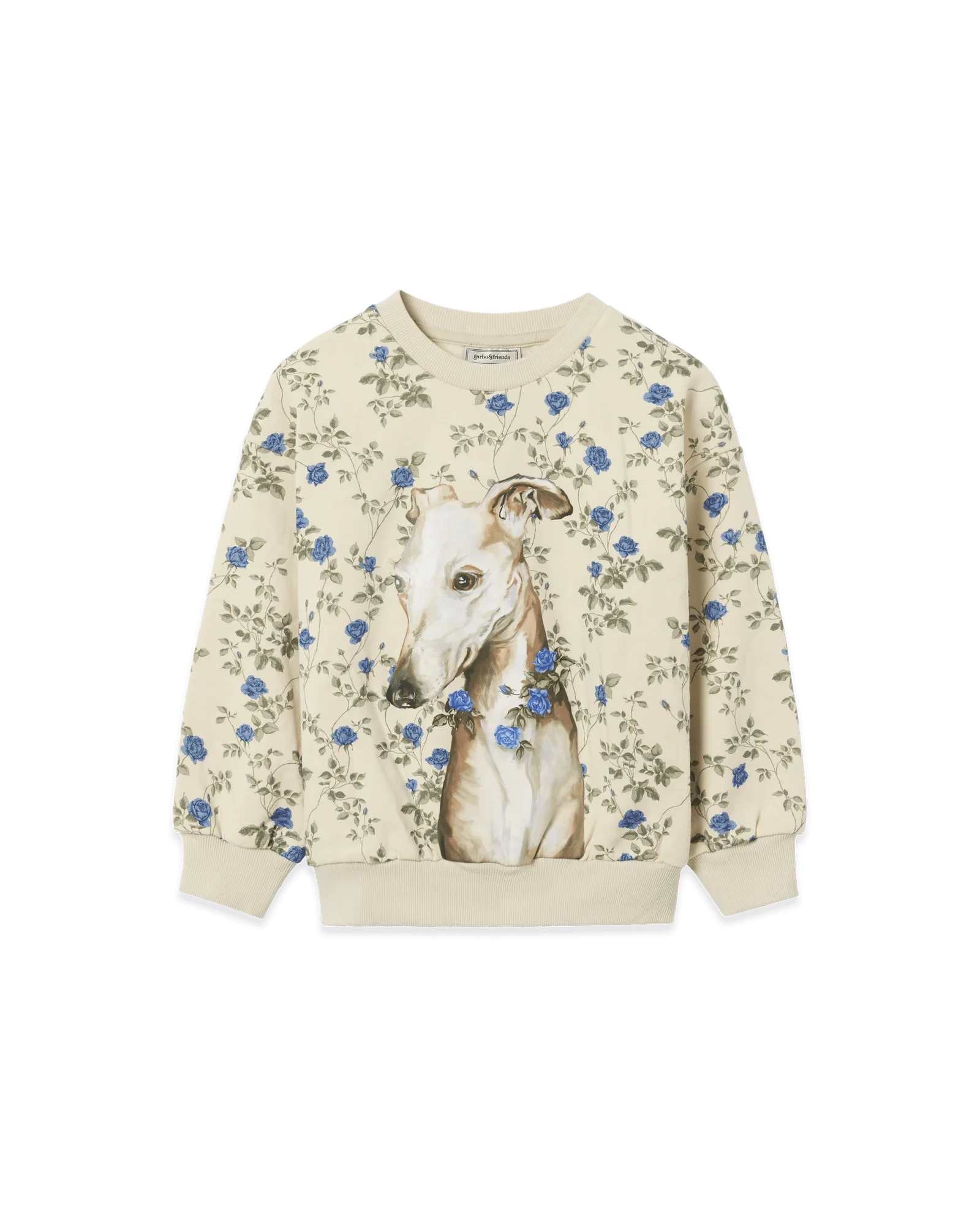
- Sweatshirt: Sweatshirt with round neckline made in soft organic cotton. The sweatshirt has a relaxed fit with dropped shoulders and long sleeves. Baby sizes 50/56-86/92 have a hidden press button on one shoulder for easy dressing. While not a hat, this sweatshirt shows the brand's commitment to soft, organic materials that are gentle on sensitive skin. Pair it with a hat for a complete winter outfit that's comfortable and non-irritating.
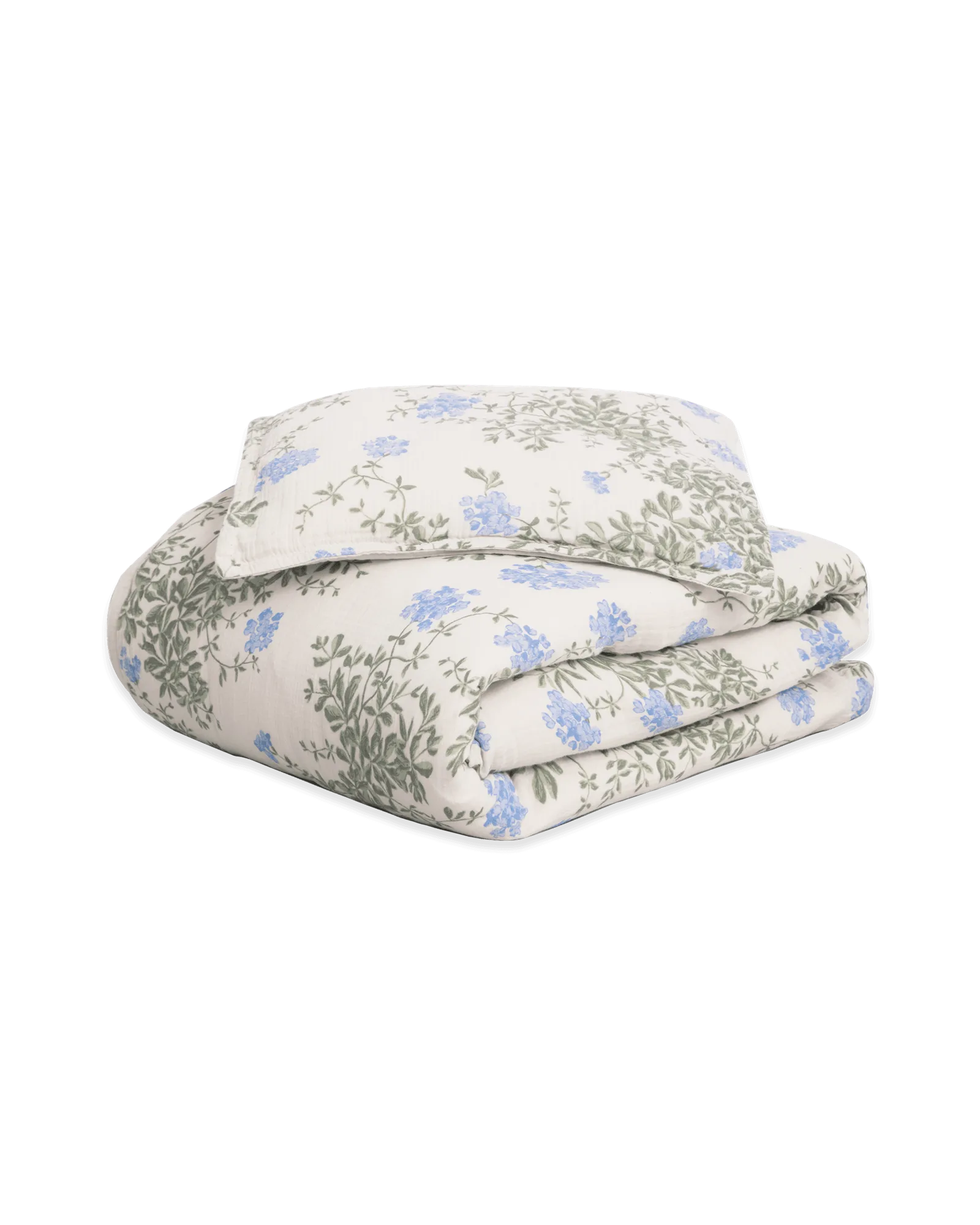
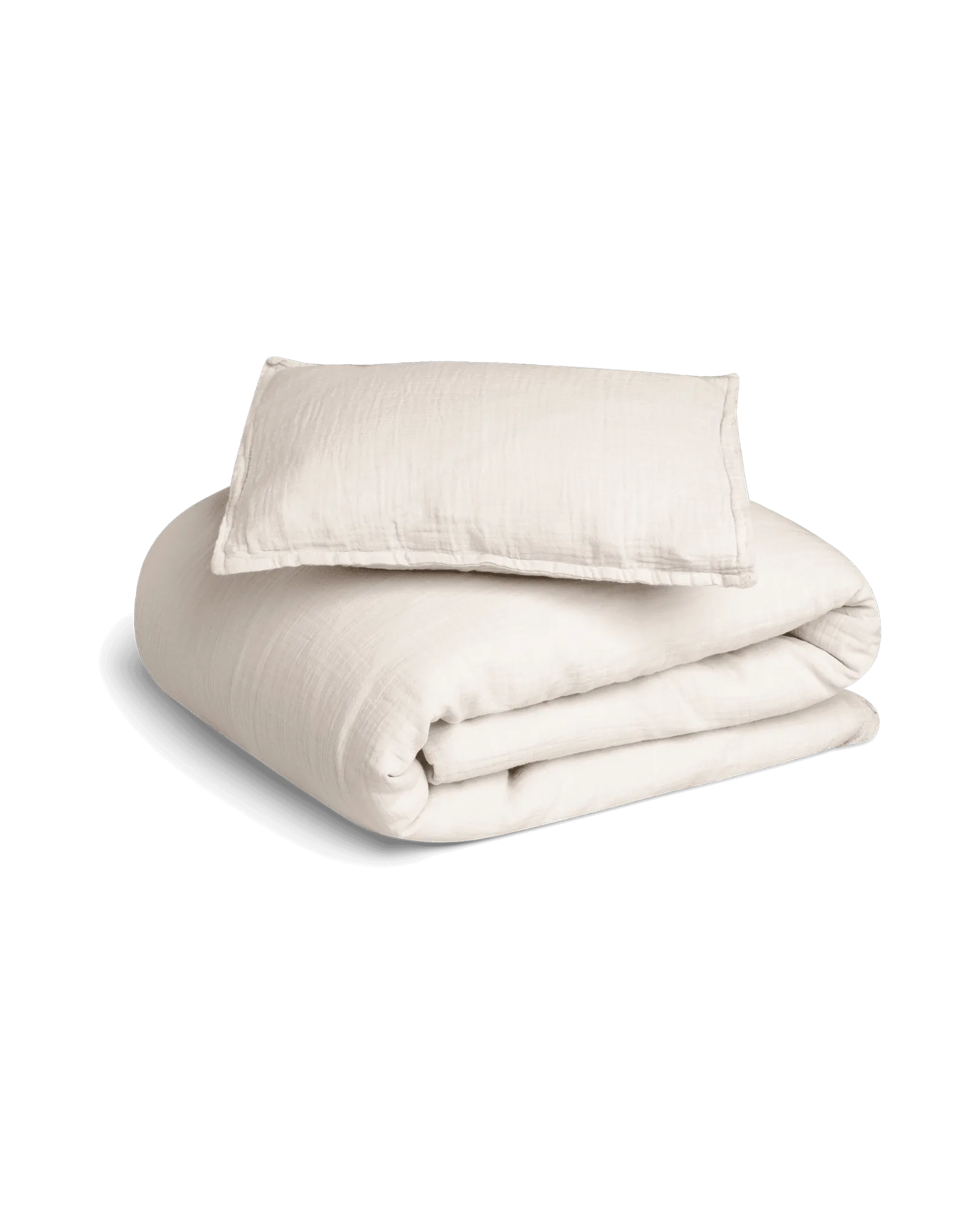
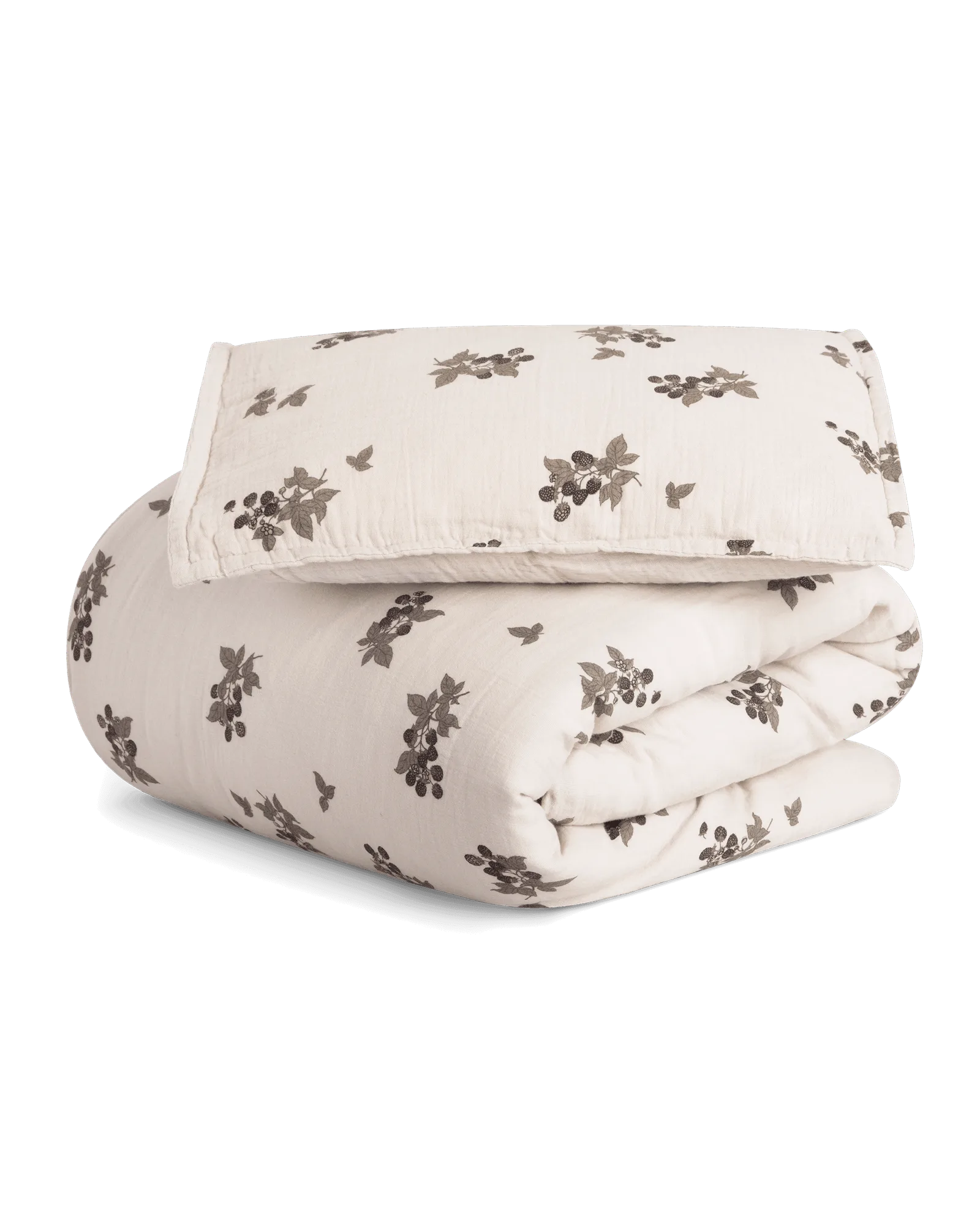
- https://garboandfriendsedl.com/products/muslin-bed-set-junior-blackberry-4cf65f33e0a60ec4079256e3-1050965https://garboandfriendsedl.com/products/muslin-bed-set-junior-eggshell2-307b5038f64b6662e5309044-1050977https://garboandfriendsedl.com/products/muslin-bed-set-junior-pelagonium-4dfa57baaa6c1fb3505ed774-1050988Muslin Bed Set Junior: Muslin cotton bed set for crib in 100% organic cotton – tightly woven with fine yarn for a beautifully textured, heavenly soft and lightweight feel that's gentle against your baby's skin. The muslin weave gets softer with every wash. Designed in Scandinavia. Includes duvet cover and pillowcase. This bed set highlights the brand's focus on organic cotton that softens over time. When choosing a winter hat, look for similar materials that are soft and breathable for your child's comfort.
Best For vs. Not For
Best For
- Babies and toddlers who need extra warmth and secure fit with chin straps
- Children with sensitive skin who require soft, non-itchy materials like organic cotton
Not For
- Very cold climates where a heavy insulated hat with ear flaps is needed
- Children who play vigorously and need a moisture-wicking athletic hat
Choosing the right winter hat for your child comes down to material, fit, and safety. Prioritize warmth, comfort, and a secure fit that covers the ears. With these decision rules, you'll find a hat that keeps your little one cozy all season long.