Quick answer
Match the pull to the zipper size first: #3 pulls fit #3 zipper tape and #5 pulls fit #5 zipper tape, and mixing them causes wobble or jams. Then choose the finish and shape based on how the bag will be used and how often the zipper will be pulled.
A zipper pull is the part you touch every time you open a bag, so it is worth getting right. The most common mistake is buying a pull that does not match the zipper size, which leads to a loose, rattly slider or one that will not move at all.
This guide walks through the practical decisions: size matching, finish choice, shape and grip, and when it is smarter to replace the whole zipper instead of just the pull. It is written for bag makers who want a pull that works, not just one that looks good in a photo.
Start with zipper size, not style
Zipper pulls are sized to match the zipper tape they run on. A #3 pull is built for #3 zipper tape and a #5 pull is built for #5 zipper tape. If you force a #5 pull onto #3 tape, it will feel loose and may slip off; if you force a #3 pull onto #5 tape, it will bind and be hard to move. Check the zipper size before you shop for pulls.
If you are not sure what size your zipper is, look at the coil or teeth width. #3 is the lighter, narrower option used on pouches and small wallets. #5 is heavier and is the common choice for handbags, backpacks, and anything that gets opened often. Once you know the size, the pull selection becomes much simpler.
- Write the zipper size on the tape roll or store it with the pull so you do not mix them later.
- If you are buying a bundle or mystery pack, check the size listed before assuming a pull will fit.
Metal or nylon: pick based on wear, not just looks
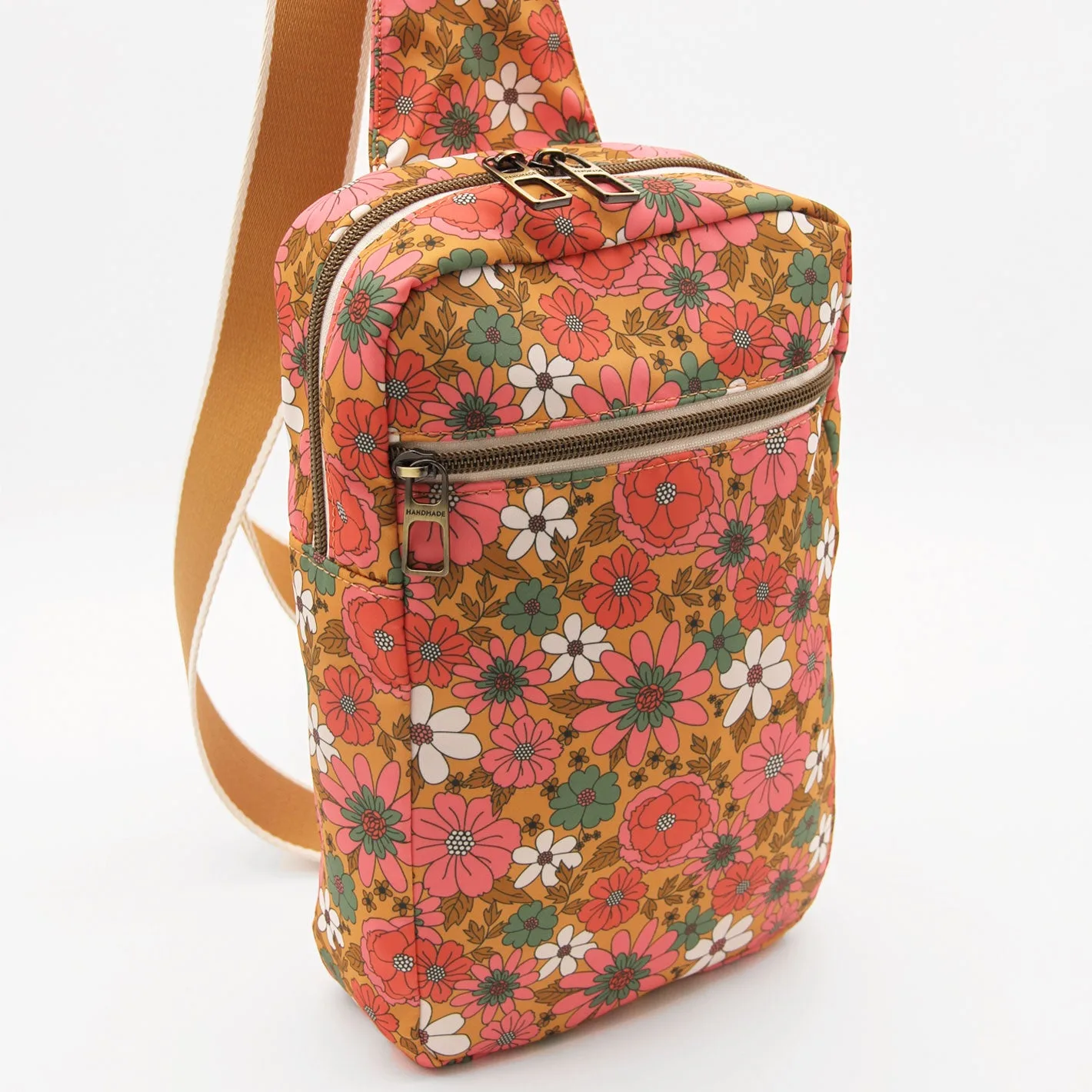
Metal zipper pulls feel more substantial and add a bit of weight and shine, which suits bags with hardware like snaps, rings, or buckles. They are a good fit when you want the pull to read as part of the design. The trade-off is that metal can feel cold and may show scratches over time, especially on a bag that gets tossed in a tote or car.
Nylon pulls are lighter and quieter, and they come in colors that can match or contrast with your zipper tape. They are a practical choice for kids' items, lightweight pouches, and projects where weight matters. If you want a pull that disappears into the design, a nylon pull in a matching color is often the better call.
- Match the pull finish to your other hardware: silver pulls with silver snaps, gunmetal with gunmetal, and so on.
- For a bag that will be washed or wiped down often, choose a pull with a smooth finish that does not trap lint.
Shape and grip: how the pull will be used
A long, flat pull is easy to grab and works well on a bag you open while wearing gloves or on a zipper that sits low. A short, rounded pull is less likely to catch on fabric and is a good choice for a small pouch that lives inside a larger bag. Think about how the zipper will be reached, not just how the pull looks on the finished project.
If the zipper is on a curve or near a seam, a pull that is too wide can rub against the fabric or the bag's edge. Test the pull on a scrap of your zipper tape before installing it. A few seconds of testing saves unpicking later.
- For a wristlet or keychain pouch, a slightly longer pull is easier to find by touch.
- For a coin purse, a low-profile pull keeps the shape clean and prevents snagging.
When to swap the pull and when to replace the zipper
If the zipper tape and slider are in good shape, swapping just the pull is a quick fix. This is common when a pull breaks, when you want a different color, or when you are upgrading a ready-made pouch. You only need to match the pull to the existing zipper size, and the swap takes a minute.
If the zipper itself is damaged, the coil is bent, or the slider no longer closes the teeth, a new pull will not fix it. In that case, replace the zipper tape and slider together. For new projects, it is usually easier to buy zipper tape by the yard and add the pull you want, rather than trying to retrofit a pull onto a zipper that was not made for it.
- Check the slider: if it slides smoothly and closes the teeth, a pull swap is enough.
- If the zipper tape is fraying or the coil is misshapen, plan for a full zipper replacement.
Decision rules for choosing a zipper pull
- Match the number: Use #3 pulls on #3 zipper tape and #5 pulls on #5 zipper tape. Do not mix sizes, even if the pull looks close. Check the zipper size before you buy the pull.
- Choose finish by hardware: Pick a pull finish that matches or intentionally contrasts with your snaps, rings, and buckles. Silver and gunmetal are common neutrals; gold and rose gold read as accents. Lay the pull next to your hardware before installing it.
- Pick shape by use: Long pulls are easier to grab on bags and low zippers. Short, rounded pulls snag less on small pouches and curved openings. Test the pull on a scrap of zipper tape before sewing it in.
- Swap or replace: If the tape and slider are fine, swap only the pull. If the coil is damaged or the slider will not close, replace the zipper tape and slider. A new pull will not fix a broken zipper.
Products that make pull selection easier
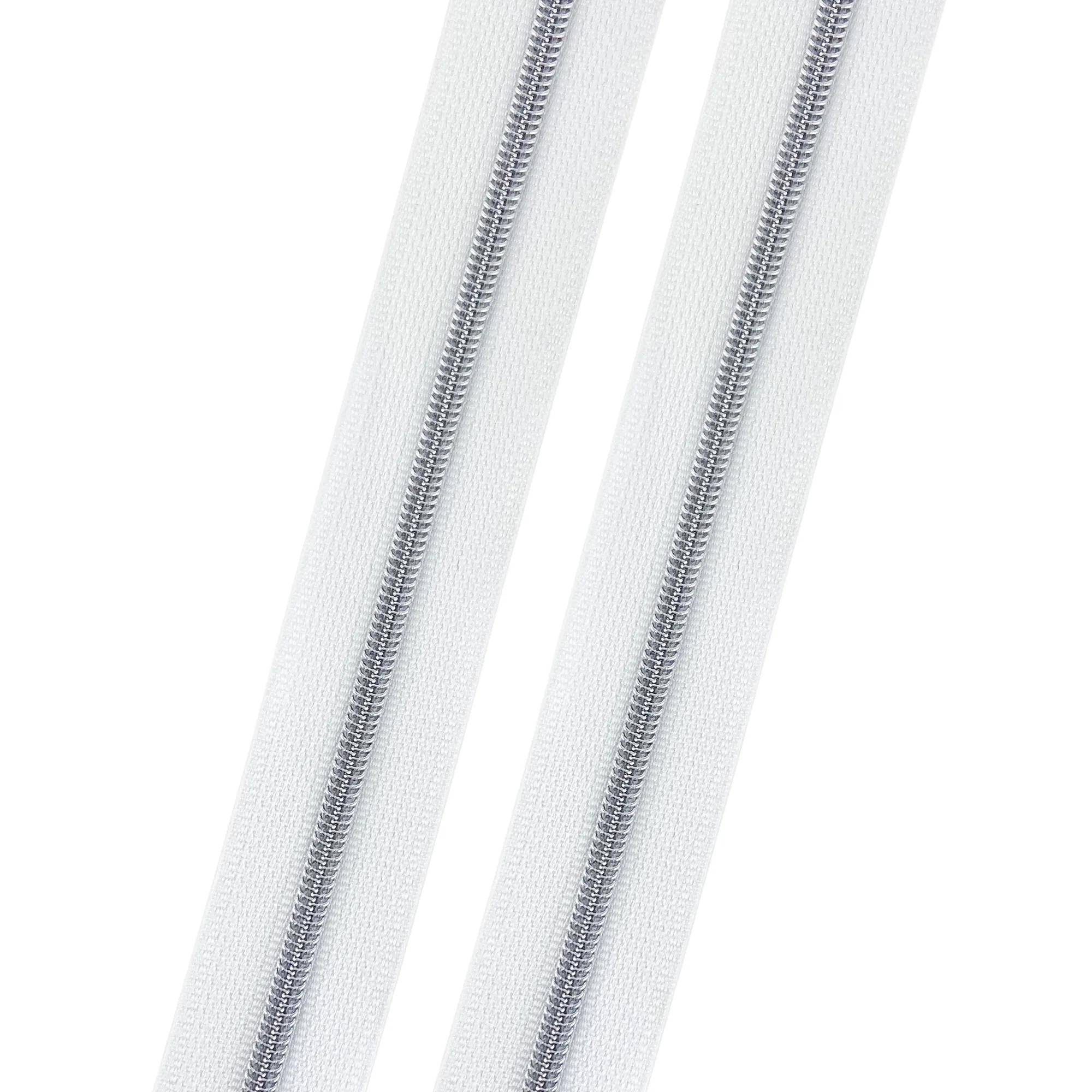
- White - #3 Silver Nylon Coil Zipper Tape: Size #3 zipper tape is ideal for handbags, pouches, and backpacks, and the nylon coil can be cut to any length and sewn over without breaking your needles. If you are building a small pouch or wallet, this is a #3 tape, so you will need #3 pulls. The cut-to-length format lets you size the zipper to the project before adding the pull.
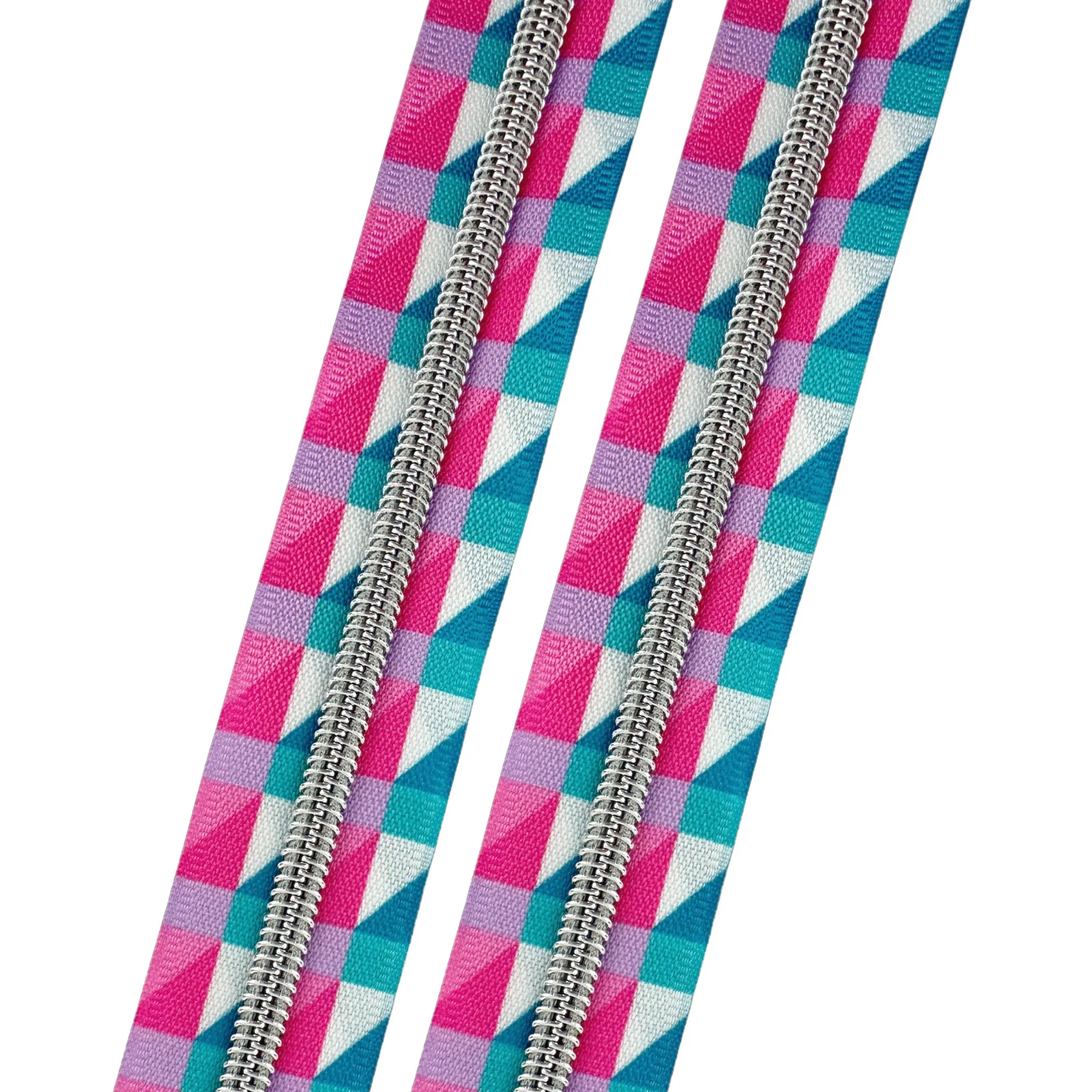
- Geometric - #5 Silver Nylon Coil Zipper Tape: Size #5 zipper tape is ideal for handbags, pouches, and backpacks, and the nylon teeth look like metal but can be sewn over without breaking your needles. For a larger bag that gets opened often, #5 tape gives you a sturdier zipper. Pair it with #5 pulls so the slider and pull match and the zipper runs smoothly.
- Nylon Zipper Tape - Mystery Pack: Each pack includes 6 different zipper tapes, 1 yard of each, and pulls are not included. This is a good way to test colors before committing to a full roll, but you will need to buy pulls separately and confirm the size of each tape in the pack.
Who this guide is for
Best for
- Bag makers choosing pulls for a new #3 or #5 zipper project
- Sewists replacing a broken or mismatched pull on an existing pouch or bag
- Anyone buying zipper tape by the yard and adding pulls separately
Not for
- Repairing a zipper with damaged coil or a slider that no longer closes
- Projects that use non-standard zipper sizes not covered by #3 or #5 pulls
- Anyone looking for a pull that will fit every zipper regardless of size
Choose the pull size to match your zipper tape, then pick the finish and shape around how the bag will be used. If the zipper itself is failing, replace the tape and slider rather than just the pull, and you will get a smoother result with less rework.