Quick answer
Choose machine quilting thread color by deciding whether you want the stitching to blend or stand out, then match the thread value to your quilt top. For blending, pick a shade slightly darker than the fabric's average tone. For contrast, use a color that repeats elsewhere in the quilt. Always stitch a test sample before committing to the whole quilt.
Decide blend or contrast before you pick a color
The first decision is not which color, but what job the thread should do. Blending thread disappears into the piecing and lets the quilt pattern carry the design. Contrast thread becomes a visible design element, so every stitch line needs to be intentional. If you are quilting an all-over design over busy prints, blending usually looks cleaner. If you are outlining a focal block or adding a motif in an open background, contrast can be the right choice.
- Blend: match the thread value to the fabric, not the exact print.
- Contrast: choose a color already present in the quilt so it looks deliberate.
- If you are unsure, make a test sandwich with both options before quilting the real top.
Match thread value, not just hue
Value is how light or dark a color reads from a distance. A thread that matches the hue but is too light will look like a halo; too dark and it looks like a shadow. Squint at your fabric from a few feet away to judge value. For blended quilting, a thread one shade darker than the fabric's average tone usually disappears best. For a quilt top with many values, choose a mid-tone thread that sits between the lightest and darkest fabrics.
- Photocopy or photograph the fabric in black and white to compare values quickly.
- Pull three candidate threads and lay them across the quilt top in daylight.
- Avoid matching a single busy print; match the overall fabric family instead.
Weigh polyester vs cotton quilting thread
Polyester thread is strong, smooth, and has a slight elasticity that helps it run at high speed without looping or puckering. Cotton thread has a matte finish and blends naturally with cotton fabric, which many quilters prefer for heirloom-style projects. Neither is universally better. The practical difference shows up in sheen, strength, and how the thread behaves in your machine. If your quilt will be washed often or quilted densely, polyester's strength is an advantage. If you want a soft, traditional look and your machine tension is dialed in, cotton is a solid choice.
- Polyester: stronger, smoother, good for high-speed and dense quilting.
- Cotton: matte finish, blends with cotton fabric, traditional look.
- Match thread weight to your project; a 40-weight thread is a common all-purpose choice for machine quilting.
Test tension and stitch quality before quilting
Even a perfect color choice fails if the tension is wrong. Make a small quilt sandwich from the same fabrics, batting, and thread you plan to use. Stitch in the direction you will quilt and check both sides. You want balanced stitches with no top thread pulling to the back or bobbin thread showing on top. Adjust top tension in small increments and re-test. If you change thread type, re-test again because polyester and cotton often need different settings.
- Use a fresh needle sized for your thread and fabric.
- Clean the bobbin area before testing to avoid lint-related tension changes.
- If stitches pucker, loosen top tension slightly and test again.
Step-by-step thread color selection
- Audit the quilt top: Lay the finished top flat and note the dominant colors, the lightest and darkest values, and any focal blocks. This tells you whether blending or contrast will serve the design. Checkpoint: if the top is busy, lean toward blending; if it has open space, contrast can work.
- Pull three candidate threads: Choose a slightly darker blend option, a mid-tone option, and one contrast color already present in the quilt. Lay them across the top in daylight, not under warm indoor lighting. Common mistake: judging color under a lamp; daylight changes how value reads.
- Test on a quilt sandwich: Stitch a small sample with each candidate using the same batting and backing. Check tension, stitch quality, and how the color reads from a distance. Checkpoint: if you see pokies or looping, fix tension before judging color.
- Commit and note your settings: Once you choose, write down the thread brand, color number, needle size, and tension setting. Keep the sample with your project notes for future quilts. Next step: if the color still feels off, try one shade darker before unpicking anything.
Thread and fabric facts that affect your choice
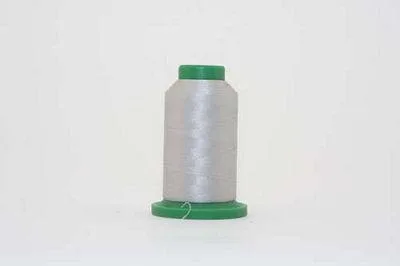
- Isacord 1000m Polyester 0151 Cloud Thread: Isacord 1000m Polyester 0151 Cloud Thread is 100% polyester and engineered for high-speed running without looping or puckering. A smooth, reliable polyester is a practical pick when you want strong, consistent stitching for dense quilting or frequent washing.
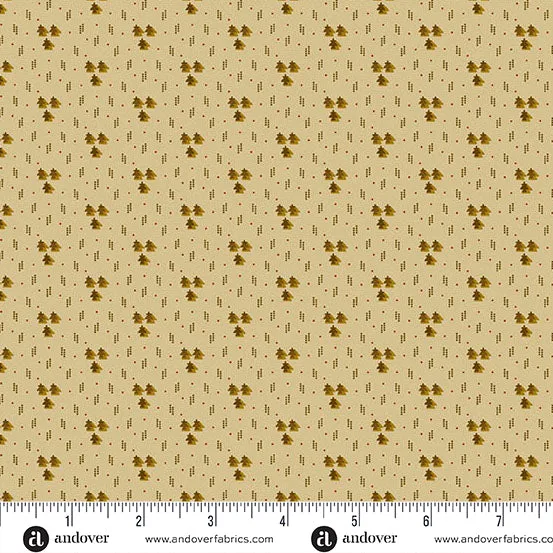
- Toasted Trifecta A-5870-L Fawn Fabric: Toasted Trifecta A-5870-L Fawn Fabric is a cotton from Andover Fabrics' Toasted collection, a warm neutral designed for blending and backgrounds. A neutral background fabric like this makes thread value easy to judge; a slightly darker thread will blend while a contrasting thread will read as a design line.