Quick answer
Match the thread's weight and finish to the original before you worry about hue. Pull one strand of the kit thread, lay your candidate beside it in daylight, and compare value (light versus dark) first, then hue. If the value matches and the fiber behaves the same, the color swap will stitch cleanly and the design will still read correctly.
You bought a kit, stitched part of it, and now something is off. Maybe a thread is running short, maybe a color clashes with your sofa, or maybe you simply want to make the design yours. Changing needlepoint colors is a normal part of the craft, and it does not require a color theory degree.
The trick is to change colors without changing how the canvas stitches. A substitute thread that is too thick, too shiny, or too dark can distort a design even when the hue looks right in the skein. The steps below walk through a repeatable process, using real kit examples so you can see how the decisions play out.
Start with the fiber, not the color
Before you audition a single hue, identify what the kit actually gave you. Pepperpot Silk is a single-ply silk that lays smoothly and has a soft sheen; Essentials wool/silk blend is more matte and slightly more forgiving on canvas. If you swap a silk for a cotton of the same color, the stitched area will look flatter and may not cover the canvas the same way.
Check the mesh count too. An 18-mesh canvas like the one in the Witch's Legs Halloween Needlepoint Kit holds a finer thread than a 16-count canvas. The Yellowstone National Park Needlepoint Kit uses 16-count canvas, so a slightly heavier thread is appropriate there. Matching fiber and weight first prevents the most common substitution mistake: a beautiful color that stitches up lumpy.
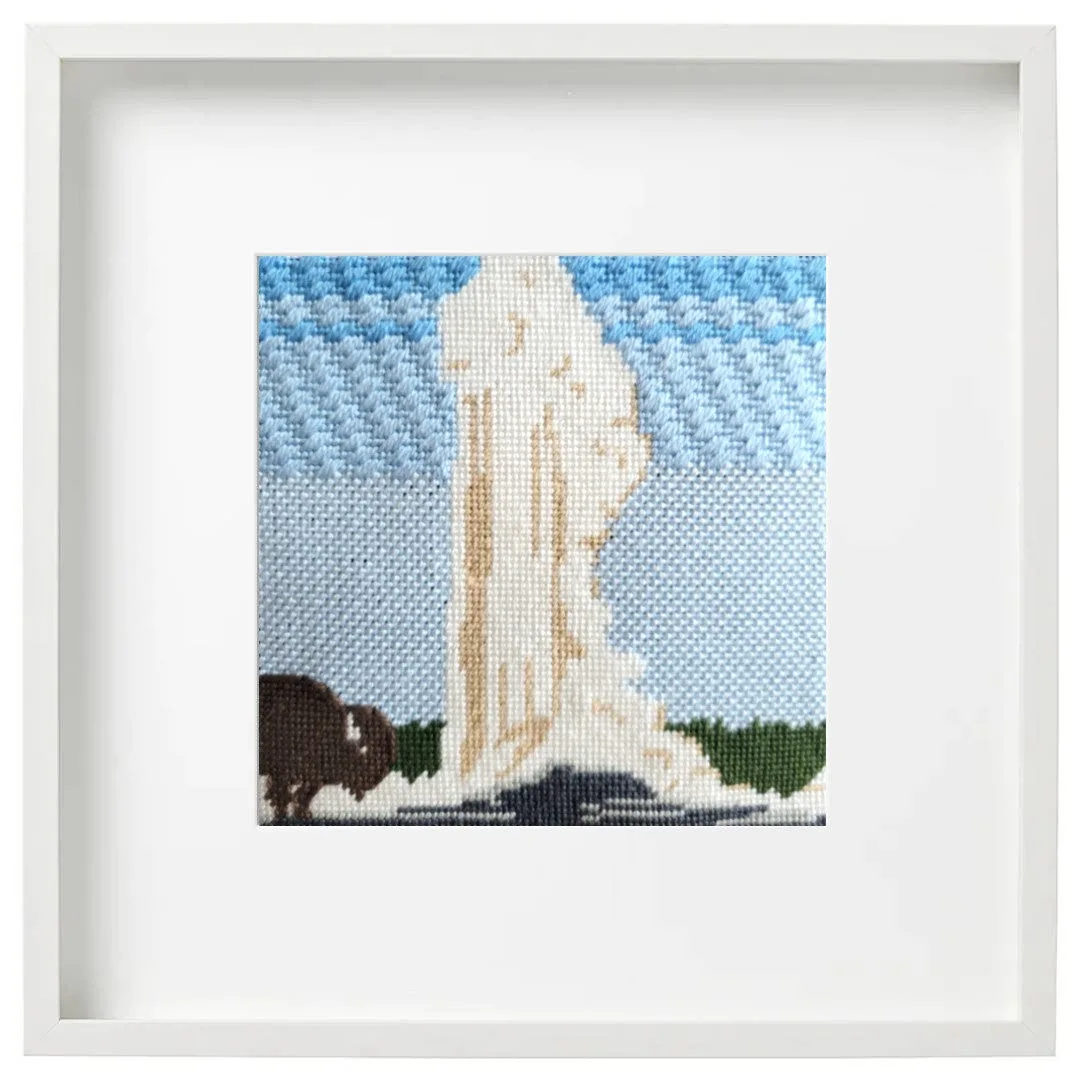
Yellowstone National Park Needlepoint Kit
- Pull one strand from the kit and one from your candidate; if the candidate is noticeably thicker or thinner, keep looking.
- Write the fiber name on a sticky note and keep it with the canvas so you do not lose track mid-project.
Compare value in daylight, then hue
Value is how light or dark a color is, and it matters more than hue in needlepoint because value creates the shading that makes a design readable. Lay both threads side by side on a white paper towel near a window. Squint. If one disappears into the other, the values match. If one jumps out, you have a value mismatch even when the colors look similar.
Only after the value matches should you compare hue. This is where changing needlepoint colors gets fun: you can shift a leaf from olive to sage, or a ballerina's tutu from pink to lavender, as long as the light and dark relationships stay intact. The Nutcracker Ballerina Needlepoint Ornament Kit relies on that contrast between Pepperpot Silk and metallic threads, so a swap that flattens the value range will dull the sparkle.
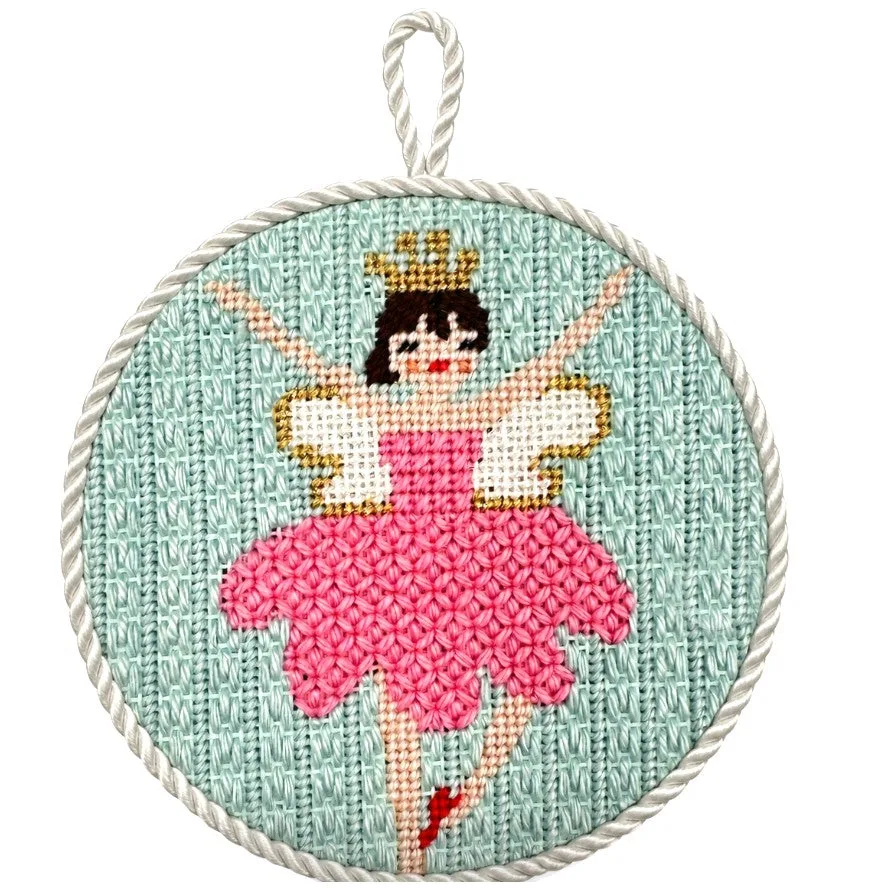
Nutcracker Ballerina Needlepoint Ornament Kit
- Photograph your layout with your phone; screens exaggerate saturation, so use the photo only as a secondary check.
- If two candidates tie on value, choose the one with the same finish as the original.
Test on a scrap of the same canvas
Never commit a full skein to the design until you have stitched a small patch. Cut a one-inch square of canvas from the kit's margin if one exists, or use a spare piece of the same mesh count. Stitch a few tent stitches with your candidate and let them sit for a minute. You are checking coverage, sheen, and how the thread behaves when pulled through the hole.
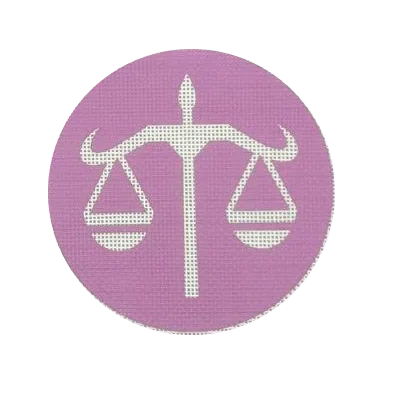
This test catches problems that a side-by-side comparison cannot. A thread that looks perfect in the skein may fray, twist, or leave bald spots on 18-mesh canvas. The Libra Needlepoint Canvas + Optional Thread Pack is a good example of a kit where the optional thread pack exists precisely because thread choice changes the finished look; if you are supplying your own threads, the scrap test is non-negotiable.
- Stitch in the same direction you plan to use on the real canvas so the test reflects the final texture.
- If the test patch looks thin, try two strands before you abandon the color.
Plan the swap across the whole design
A single color change rarely stays single. If you darken the sky, the clouds may need to lighten, and the foreground may need a warmer tone to stay in front. Sketch a quick map of the design and mark which areas share a color family. Then decide whether you are making a small adjustment or a full palette shift.
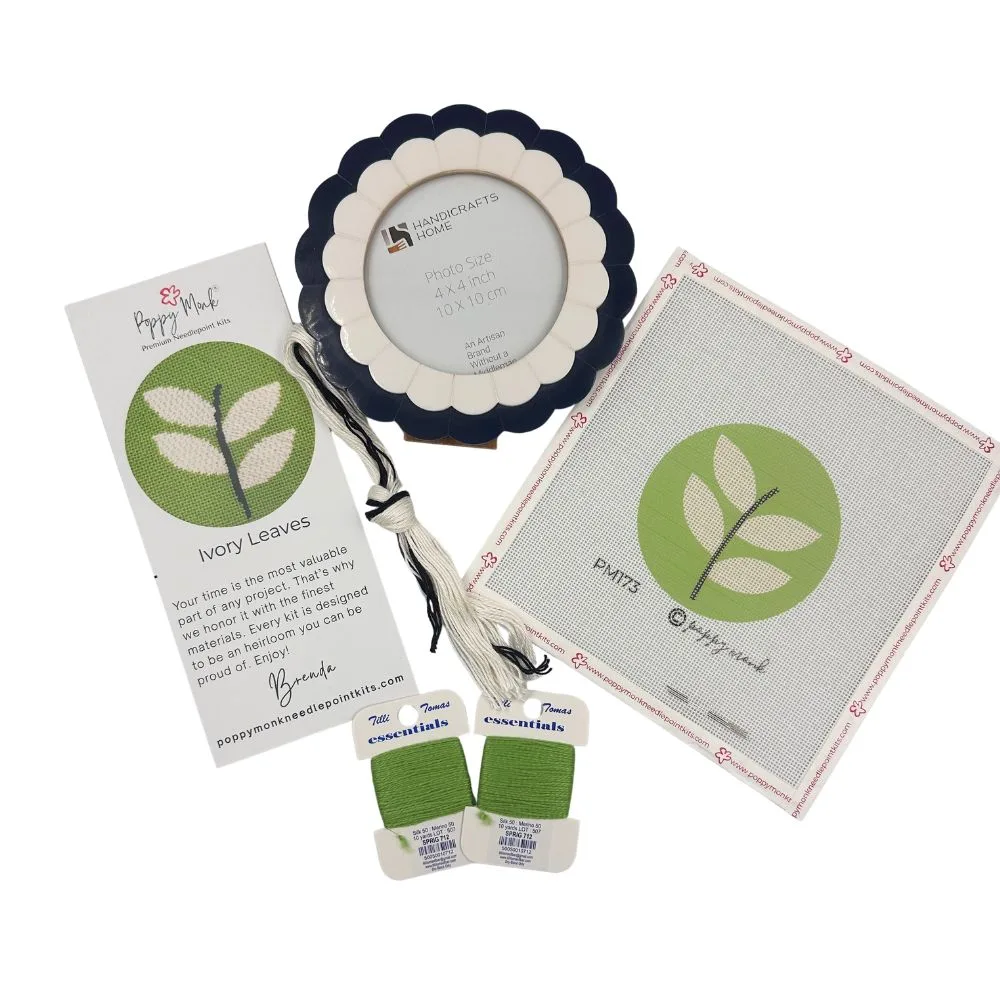
Kits with a limited palette are easier to shift than kits with many close values. The Ivory Leaf + Frame Needlepoint Bundle uses a hand-picked selection of Pepperpot Silk and Essentials wool/silk blend threads, which means the original palette already balances matte and shiny finishes. If you replace the wool/silk with a shiny silk, the leaf may lose its quiet background role. Keep a note of which areas are meant to recede and which are meant to pop.
- Photocopy or photograph the canvas before you start so you have a reference if you lose your place.
- Change one color family at a time and step back to view the canvas from a few feet away.
Buy enough thread and keep records
Substitute threads are rarely sold in the exact quantity the kit provided. Buy one extra skein of each new color, especially if you are stitching a large area or using a thread that is prone to tangling. Running out mid-area creates a visible seam even when the color matches perfectly.
Keep a simple record: the original thread name, the substitute name, the dye lot if one is printed, and where you used it. If you later need to repair a stitch or extend the project, that note saves you from guessing. The Fishy Business luggage tag kit is small enough that a single extra skein covers almost any mistake, but larger canvases deserve a written plan.
- Store leftover substitute threads in a labeled bag with the kit, not in your general stash.
- If you are matching a dye lot, buy all you need at once; later batches may not match.
Your thread color swap, step by step
- Identify the original fiber and weight: Read the kit's thread list or pull a strand and compare it to your candidates. Note whether it is silk, wool/silk, cotton, or metallic, and whether the canvas is 16-count or 18-mesh. Checkpoint: if the candidate is visibly thicker or thinner, stop and find a closer match.
- Match value in daylight: Lay the original and the candidate side by side on white paper near a window. Squint to compare light versus dark before you compare hue. Checkpoint: if one thread disappears into the other when you squint, the value matches.
- Stitch a test patch on the same canvas: Use a margin scrap or spare canvas of the same mesh count. Stitch a few tent stitches and inspect coverage, sheen, and fraying. Checkpoint: if the test looks thin or fuzzy, try a different strand count or a different thread.
- Map the swap across the design: Mark which areas share a color family and decide whether you are adjusting one color or shifting the whole palette. Keep receding areas quiet and focal areas strong. Checkpoint: view the canvas from a few feet away; if the focal point no longer reads, adjust the value contrast.
- Buy extra and record what you used: Purchase one extra skein per new color and write down the original name, substitute name, dye lot, and where you used it. Next step: store the note and leftover thread with the kit so future repairs are easy.
Kit examples that show how thread choices work
- Witch's Legs Halloween Needlepoint Kit: A 4-inch diameter design on 18-mesh mono canvas with a hand-picked selection of single-ply Pepperpot Silks and sparkly threads. The 18-mesh canvas demands a fine thread, so any substitute must be thin enough to cover without bulk; the mix of silk and sparkle also shows why finish matters as much as hue.
- Yellowstone National Park Needlepoint Kit: A 5-inch by 5-inch design on 16-count canvas with Pepperpot Silk thread and a sparkly metallic for geyser drama. The 16-count canvas accepts a slightly heavier thread, and the deliberate contrast between matte silk and metallic is a reminder to preserve value and finish when swapping colors.
- Libra Needlepoint Canvas + Optional Thread Pack: A 4-inch Zodiac Libra design offered with an optional thread pack choice. This kit makes thread selection an explicit decision, which is exactly the situation where a scrap test and a value check pay off before you commit to a full palette.
Changing needlepoint colors is less about finding a perfect match and more about protecting the design's value structure and the canvas's stitch quality. Match the fiber, check the value in daylight, test on scrap, and buy one extra skein. Do that, and the kit you already own becomes the kit you actually wanted.