Quick Answer
Choose toddler rainwear with fully taped seams, a waterproof yet breathable fabric, and room for one warm layer underneath. Prioritize easy on-and-off features like snaps or elastic cuffs, and size up only if your child is between sizes. For everyday use, a rain jacket and separate rain pants give the most flexibility.
Waterproof vs. Water-Resistant: Know the Difference
Water-resistant fabrics shed light drizzle but eventually soak through in steady rain or puddle play. True waterproof rainwear uses a coating or membrane and taped seams to block water completely. Look for terms like 'waterproof' and 'taped seams'—if a jacket only says 'water-repellent,' it's better for windy days than downpours.
Breathability Matters for Comfort
A fully waterproof jacket that doesn't breathe will trap sweat, leaving your toddler clammy and cold. Breathable fabrics allow moisture vapor to escape while keeping rain out. Many rain jackets use a polyurethane (PU) coating that balances waterproofness with some breathability. If your child runs hot, prioritize breathability; for short walks, it's less critical.
Sizing: Room to Move, Not to Swim
Rainwear should fit comfortably over a single layer (like a long-sleeve tee or light sweater) without being baggy. A jacket that's too large lets water pool in the sleeves and can be a tripping hazard. Check the sleeve length: it should cover the wrist but not hang past the fingers. For pants, the hem should sit at the ankle, not drag on the ground. If your child is between sizes, size up for room to grow, but ensure cuffs are adjustable.
Features That Make a Difference
Look for a hood that stays up (elastic or adjustable), elasticized cuffs to keep water out, and a front closure that's easy for you but secure. Reflective details add visibility on gloomy days. For pants, elastic waistbands and ankle cuffs are practical. Avoid drawstrings at the neck, which can be a safety hazard.
Rain Boots: Fit and Safety
Toddler rain boots should have a snug fit with room for thick socks, but not so loose that they slip off. Check the sole for grip—rubber with deep treads works best on wet surfaces. Boots that are too heavy can tire little legs; lightweight options are easier for toddlers to walk in. Always test boots on both feet and watch for heel slippage.
Decision Rules for Toddler Rainwear
- For daily commutes or daycare: Choose a waterproof jacket with taped seams and a hood, plus separate rain pants. This combo handles light rain and puddles without overheating. Check for breathability if your child will wear it for more than 30 minutes.
- For heavy rain or extended outdoor play: Invest in a fully waterproof rain suit (jacket and pants) with sealed seams and elastic cuffs. A puddle suit keeps the whole body dry. Avoid cotton layers underneath; synthetics or wool wick moisture better.
- For mild, drizzly days: A water-resistant jacket with a hood may suffice, especially if your child is mostly in a stroller or car. Water-resistant is lighter and more breathable but won't hold up in a downpour.
Products That Support Dry Adventures
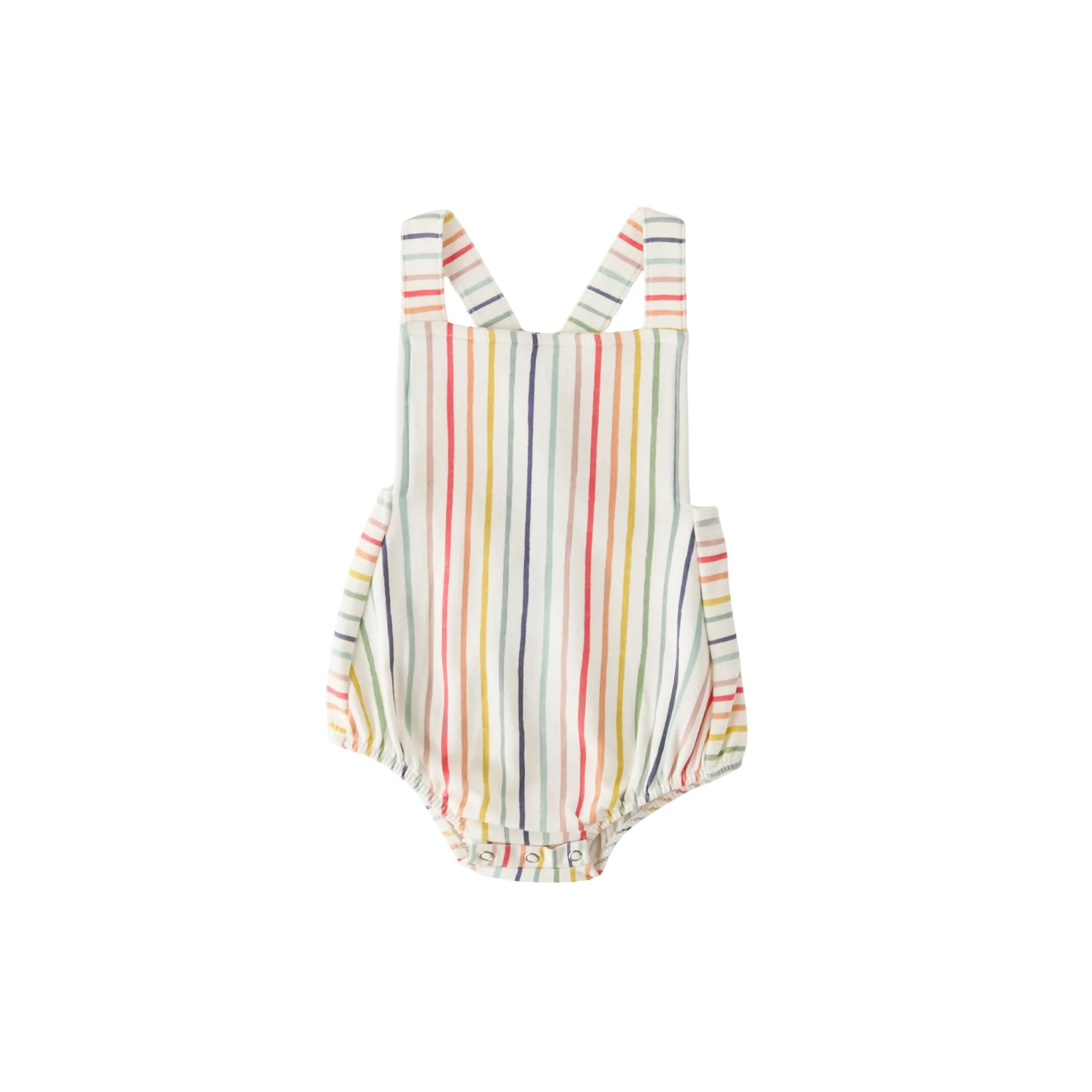
- Criss Cross One Piece - Stripes Away Rainbow: GOTS-certified 100% organic cotton with adjustable back snaps. Soft organic cotton is gentle on skin, and the adjustable snaps help the garment grow with your child, making it a comfortable base layer under rainwear.
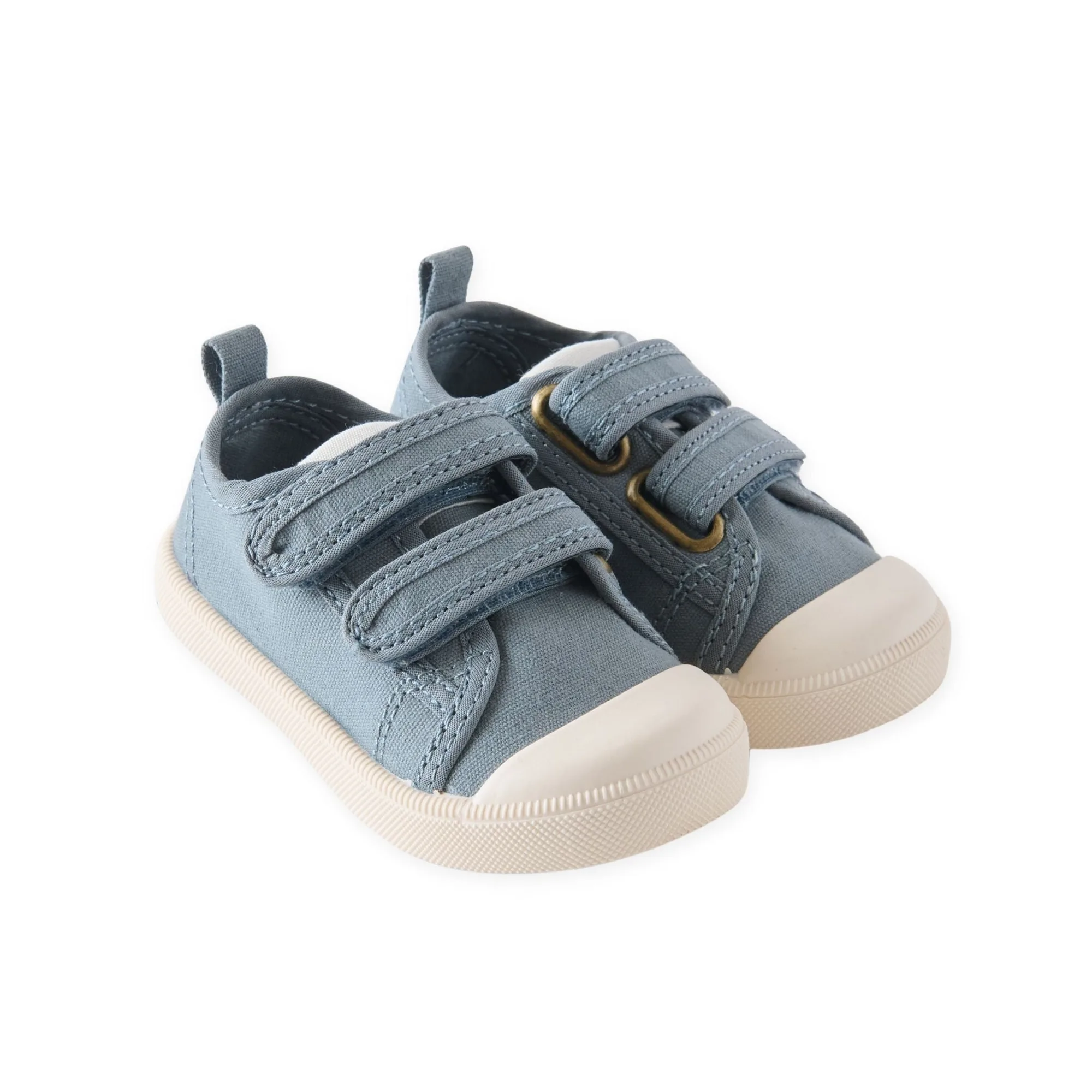
- Recess Sneakers - Maritime Blue: 100% cotton canvas with a wide toe box, slip-resistant sole, and zero-drop design. These sneakers support natural movement and provide grip, but they are not waterproof. For rainy days, pair them with rain boots or choose a waterproof alternative.
Fit Guidance for Toddler Rainwear
Best for
- Toddlers who need room to move and layer
- Parents who want easy on-and-off for quick outings
Not for
- Children who need a slim fit for safety (e.g., near playground equipment)
- Those who prefer a snug fit for warmth without layering