Quick Answer
Choose a travel tote bag that fits your airline's personal item size first, then add laptop protection only if you actually carry a computer. If you fly often, a structured carry on tote with a flat base and a padded sleeve beats a floppy tote every time. If you mostly take day trips, prioritize light weight and a secure top closure over extra compartments.
A tote is the easiest bag to grab for a flight, but it is also the easiest bag to buy badly. Most travel tote problems come down to three things: it does not fit under the seat, it has no real laptop protection, or it collapses into a shapeless pile the moment you set it down.
This guide gives you decision rules instead of a long list of features. You will learn how to size a personal item bag for your airline, when a travel tote with laptop sleeve padding is worth it, and how to combine a tote with packing cubes so a day trip does not turn into a repacking session at the gate.
Start With the Size Rule, Not the Style
The single most useful rule: measure your airline's personal item limit before you fall in love with a tote. Personal item bags are typically smaller than carry-on bags, and they must slide under the seat in front of you. If a tote is overstuffed, it stops being a personal item and becomes a bag the gate agent may ask you to check.
A practical target is a tote that holds a 13 to 16 inch laptop, a small pouch, a water bottle, and a light layer without bulging. If your tote has a flat, reinforced base, it will stand up on the floor and slide under the seat more predictably. Soft, unstructured totes look better but collapse when half empty, which makes them harder to pack and retrieve items from.
- Test the fit at home: pack the tote the way you would for a flight, then set it beside your carry-on. If it is taller than your carry-on handle, it will likely be awkward under a seat.
- Choose a tote with a top zipper or a secure closure if you will use it in crowded boarding lines or on public transit.
Decide Whether You Need a Laptop Sleeve Built In
A travel tote with laptop sleeve padding solves two problems at once: it protects your computer and it keeps the laptop vertical so it does not slide around. But built-in sleeves add bulk and structure, which can make the tote less useful as a pure day bag. If you carry a laptop on most trips, the sleeve is worth it. If you carry a laptop once a month, a separate padded sleeve is more flexible.
A separate sleeve also lets you move your laptop between bags without repacking. For example, the SWISSGEAR Ballistic 13" Padded Laptop Sleeve uses a ballistic fabric exterior that resists punctures and abrasions, with a padded interior finished in ultra-soft fleece to prevent scratches. That kind of sleeve can live inside a tote on flight days and stay in your day bag on the ground.
- If you carry a 16 inch laptop, check the sleeve or tote's stated laptop size before buying. A 13 inch sleeve will not fit a 16 inch machine.
- A wrap-around, reinforced interior edge on a sleeve adds drop protection at the corners, which is where laptops usually take damage.
Match the Tote to the Trip Type
For flights, prioritize a personal item bag that opens wide, has a dedicated laptop or tablet area, and keeps small items from migrating to the bottom. For day trips, prioritize light weight, a comfortable shoulder strap, and a closure you can open one-handed. The same tote rarely excels at both, so decide which job matters more.
If you need one bag for a flight plus a day of walking, look for a tote with a removable or stowable strap and a flat back panel. That combination carries well on the plane and still looks reasonable at a museum or a casual lunch. If you need to carry a change of clothes, a tote alone will not do it; pair it with a packing cube set so your clothes stay compressed and separate.
- For short trips, pack clothing in a packing cube and keep the tote for electronics, documents, and a layer.
- For day trips, leave the laptop sleeve at the hotel and carry only what you need for the day.
Check the Details That Break First
Zippers, strap attachments, and base material decide how long a tote lasts. A tote that carries a laptop puts constant load on the strap anchors, so look for reinforced stitching or a strap that runs down the side of the bag rather than attaching at a single point. A coated or ripstop base handles wet airport floors and rough pavement better than thin woven fabric.
Interior organization matters more than exterior pockets. A zippered interior pocket for a passport or wallet, plus one or two slip pockets, keeps you from digging at the security bin. If a tote has no interior pocket, plan to add a small pouch so your keys and cards do not end up loose in the main compartment.
- Check the zipper pull size: small pulls are harder to grip when your hands are full.
- Look for a luggage pass-through sleeve if you also travel with a rolling suitcase; it keeps the tote stable on the handle.
Decision Rules for Buying a Travel Tote
- Rule 1: Size to the personal item limit: Measure your airline's under-seat allowance and choose a tote that fits it when packed, not when empty. A tote that only fits when empty will fail on the return trip. If you cannot find the limit, choose a tote no taller than your carry-on's handle height.
- Rule 2: Built-in sleeve or separate sleeve: Carry a laptop on most trips: choose a travel tote with laptop sleeve padding. Carry a laptop occasionally: buy a padded sleeve and use a lighter tote. Match the sleeve to your laptop size, such as 13 inch or up to 16 inch.
- Rule 3: Structure beats softness for flights: A flat, reinforced base and a secure top closure make a tote easier to pack, easier to slide under a seat, and harder for items to spill in transit. If the tote cannot stand on its own when half packed, it will be frustrating on travel days.
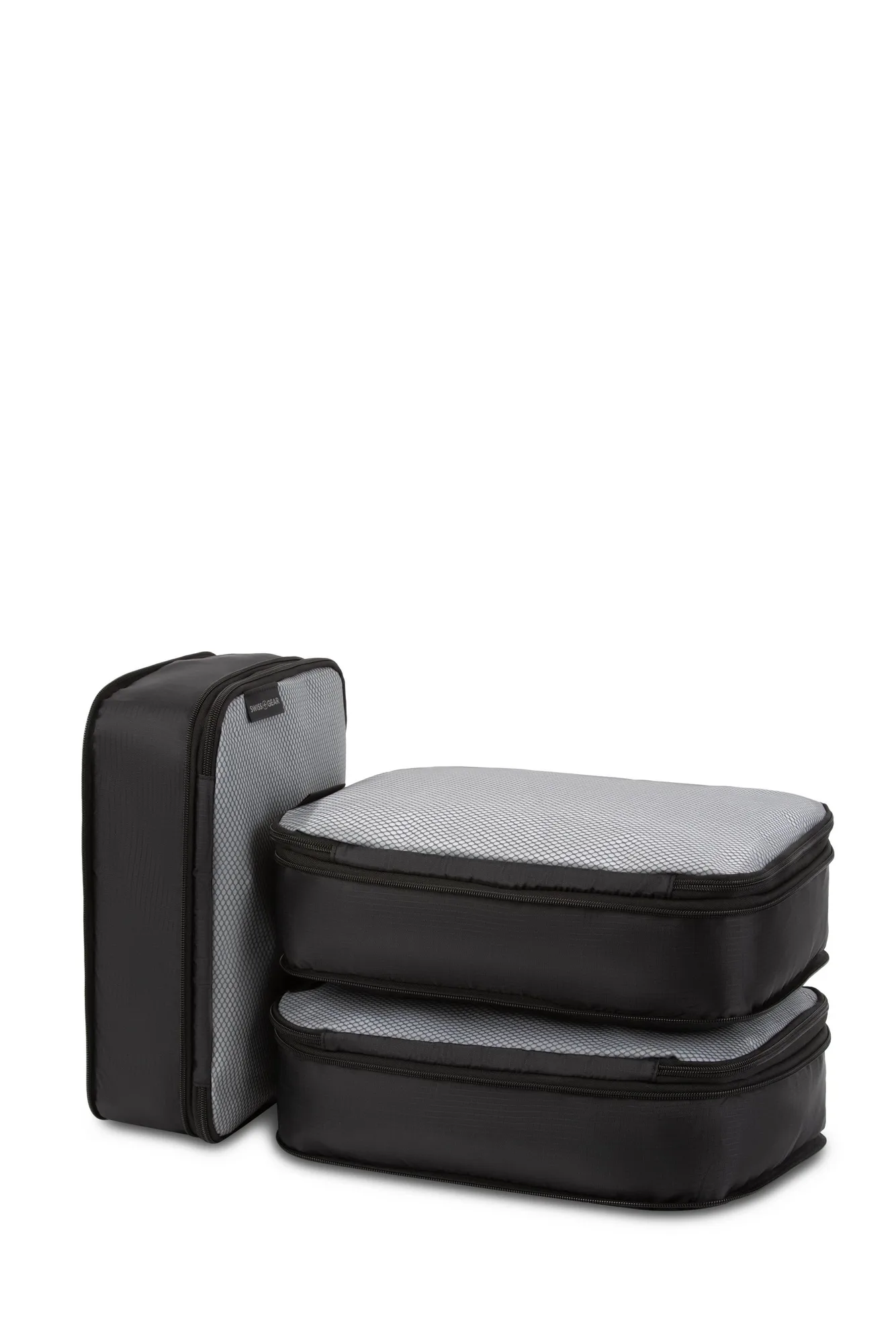
- Rule 4: Organize with cubes, not pockets: Use packing cubes for clothing and a small pouch for cables and cards. This keeps the tote's main compartment usable and makes repacking fast. A 3-piece cube set covers most short trips; add a second set for longer travel.
Products That Fit These Rules
- SWISSGEAR Ballistic 13" Padded Laptop Sleeve: An extremely durable exterior made from ballistic fabric resists punctures and abrasions, while a generously padded interior is finished with ultra-soft fleece to prevent scratches and scuffs. If you prefer a flexible tote without a built-in laptop compartment, this sleeve adds real protection for a 13 inch laptop or tablet and can move between bags.
- SWISSGEAR Ballistic 16" Padded Laptop Sleeve: The main compartment is sized to fit laptops up to 16 inches, with generous padding and a wrap-around, baffled, interior edge for added protection against accidental drops and bumps. Full-size laptop owners get corner and edge protection without buying a structured tote, and the sleeve fits inside most personal item bags.
- SWISSGEAR Travel Smart 3-Piece (S/M/M) Packing Cube Set: Made from durable ripstop polyester with a coated mesh top panel on each cube for protection and visibility, plus strong dual zippers that make it easy to expand or compress contents. Packing cubes keep clothing compressed and visible, so a tote can carry a day or two of clothes without turning into a loose pile.
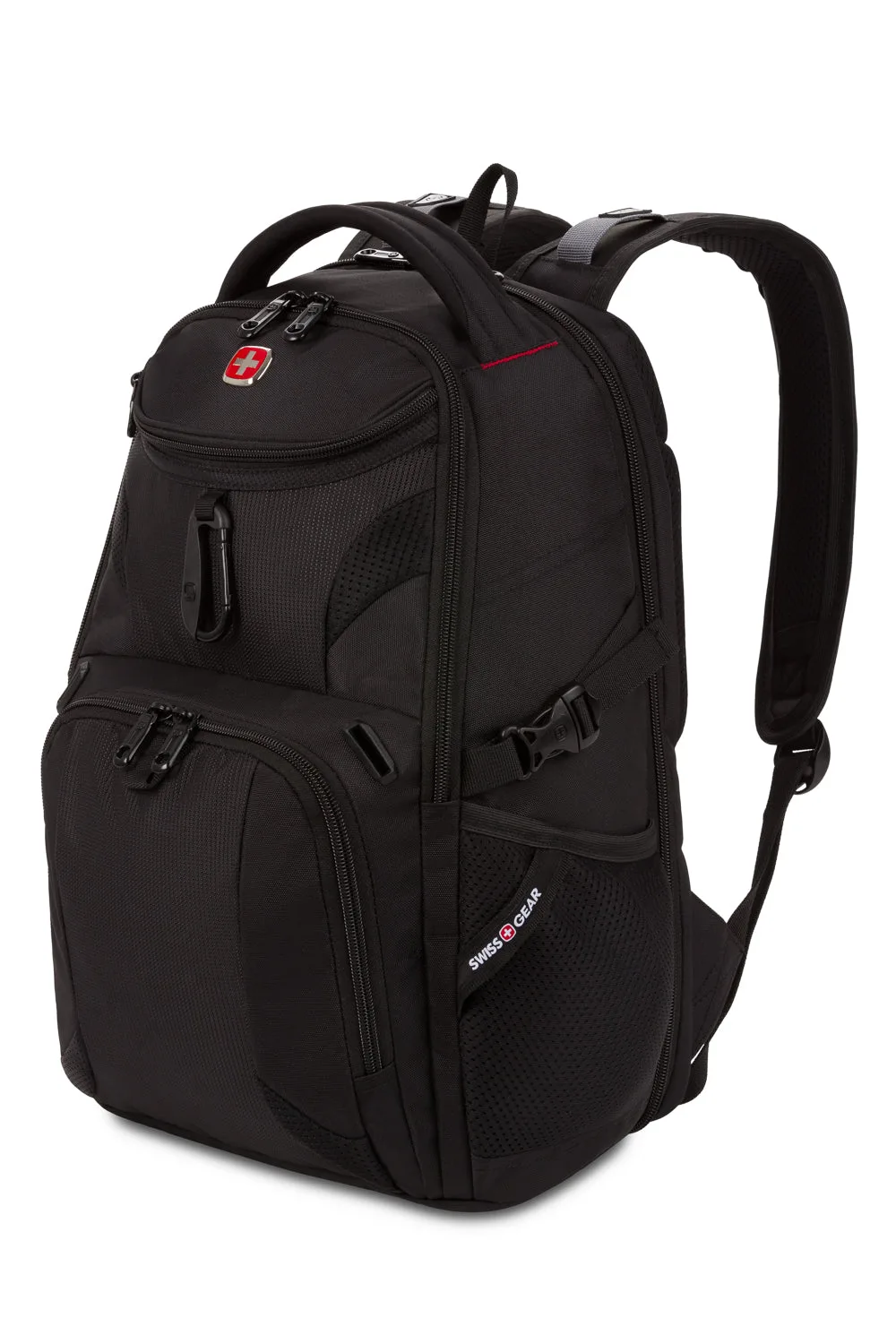
- SWISSGEAR Voyager USB 21.5" Travel Laptop Backpack: Designed with the versatility of carry-on luggage, with a spacious expandable clothing compartment, clothing straps, an oversized zippered mesh side compartment, and two removable zippered accessory bags. If your tote cannot hold everything for an overnight trip, this backpack covers the clothing and organization while the tote handles personal items.
Who This Tote Advice Is For
Best for
- Travelers who need a personal item bag that fits under the seat and still holds a laptop
- Day-trippers who want one tote that works on a flight and around town
- Commuters who want a carry on tote with real laptop protection
Not for
- Travelers who need to carry several days of clothing in one bag; choose a travel backpack or duffel instead
- Anyone who needs maximum laptop protection in a dedicated case; a padded laptop sleeve or slimcase is a better primary bag
- Trips where you must check a bag and want a wheeled option; a rolling garment bag or hardside suitcase is more suitable
Pick the tote that matches your most common trip, not your most ambitious one. Size it to your airline's personal item limit, decide up front whether you need a built-in laptop sleeve, and use packing cubes to keep the main compartment usable. If you need more capacity for an overnight, add a travel backpack and let the tote handle the personal items.