Quick answer
Ask the recipient exactly which ingredients to avoid, then buy from a seller who states the allergen and diet information clearly on the product page. Match the box to one confirmed restriction at a time, and treat vague phrases like "healthy" or "natural" as unverified. If you cannot confirm an ingredient list, choose a non-food gift instead.
Buying treats for someone with a dietary restriction goes wrong for one predictable reason: the giver guesses. They assume gluten free means the same thing to everyone, or that a vegan treat box is automatically safe for a nut allergy. It is not, and the mistake usually shows up only when the box is already open.
The fix is a short, boring process. Confirm the restriction, read the actual product information, check for cross-contact language, and only then choose the box. This guide walks through that order, with the checkpoint that matters at each stage.
Start with the restriction, not the box
Before you browse anything, get the specifics in writing. "Gluten free" and "celiac" are not interchangeable in practice, and a dairy intolerance is different from a milk protein allergy. Ask which ingredients must be avoided, whether trace amounts matter, and whether the restriction is medical or a preference. A short message is enough.
This step decides everything downstream. If the answer is "no gluten at all, including cross-contact," you are shopping differently than if the answer is "she prefers to avoid dairy when she can." Write the answer down and keep it in front of you while you shop, because it is easy to drift once packaging starts looking appealing.
- Checkpoint: if the recipient cannot or will not specify, buy a non-food gift rather than guessing.
Read the ingredient list before the marketing copy
Product pages lead with mood words. Ingredient lists and allergen statements are where the real information lives. Look for a full ingredient list, a "contains" line for major allergens, and any statement about shared equipment or facilities. If a page only says "clean" or "wholesome," you have learned nothing useful.
For a gluten free snack box, look for an explicit gluten free claim rather than the absence of wheat in the name. For a vegan treat box, check for eggs, dairy, honey, and gelatin, which appear in sweets more often than people expect. When a detail is missing, treat it as unknown rather than assuming it is fine.
- Common mistake: trusting a product name or photo instead of the stated ingredients.
Decide how much cross-contact risk is acceptable
Cross-contact, sometimes called cross-contamination, is the part most gift buyers skip. A product can contain no wheat and still be made on equipment that also handles wheat. For a mild preference that may not matter. For a medical restriction, it usually does.
Decide this before you shop, not at checkout. If the recipient needs strict avoidance, limit yourself to sellers who describe their production setup or who specialize in that diet. If the restriction is a preference, you have far more boxes to choose from and can focus on flavor and variety instead.
- Checkpoint: if the seller says nothing about shared facilities, assume shared facilities.
Match the box format to the restriction
Some formats are easier to buy safely than others. Single-category boxes, like a dedicated gluten free snack box, usually have clearer labeling than mixed boxes that combine food, cosmetics, and household items. Mixed boxes are not automatically a problem, but each item needs its own check.
If the recipient has multiple restrictions, narrow the box rather than trying to satisfy everything at once. A smaller box that is fully safe beats a larger one where half the contents have to be given away. Variety matters less than whether the person can actually eat what arrives.
- Practical tip: for multiple restrictions, look for a box built around one diet and add a separate non-food extra.
Check the subscription terms and timing
Subscription boxes renew, and that matters when the contents change month to month. A box that is safe this month may include a different product next month. Before you commit, check whether you can pause, skip, or cancel, and whether the seller lists upcoming contents in advance.
Timing is the other half. If the gift needs to arrive by a specific date, confirm the shipping window rather than assuming. A dietary friendly gift that shows up two weeks late is still a problem, even if the ingredients are perfect.
- Common mistake: buying a recurring box without checking how to pause it when the next theme does not fit.
Write the restriction on the gift note
Even a well-chosen box benefits from a note. If the recipient lives with others, a line like "gluten free, please keep separate from the bread bin" prevents a shared-kitchen mistake. It also tells the recipient you actually checked, which is the point of the gift.
Keep the note practical rather than apologetic. State what you confirmed and what you could not confirm, so the recipient can make their own call about anything borderline. That honesty is more useful than a confident claim you cannot back up.
- Checkpoint: if you could not verify an item, say so on the note instead of leaving it ambiguous.
Your step-by-step checklist
- Step 1: Confirm the restriction: Ask which ingredients to avoid and whether trace amounts matter. Get the answer in writing before you browse. If you cannot get a clear answer, stop here and choose a non-food gift.
- Step 2: Read the ingredient and allergen lines: Find the full ingredient list and the "contains" statement. Ignore mood words like clean or wholesome. No ingredient list means the product is unverified, not safe.
- Step 3: Decide on cross-contact tolerance: For a medical restriction, prioritize sellers who describe their production setup. For a preference, you can be more flexible. Silence about shared facilities should be read as shared facilities.
- Step 4: Pick the box format: Choose a single-diet box over a mixed one when the restriction is strict or multiple restrictions apply. A smaller fully safe box beats a bigger box with items the recipient must give away.
- Step 5: Check renewal and shipping terms: Confirm how to pause or cancel a subscription, and verify the delivery window against the date you need. Contents change monthly, so a safe box this month is not guaranteed next month.
- Step 6: Add a practical gift note: State what you confirmed and flag anything you could not verify, so the recipient can judge for themselves. Honesty about the gaps is more useful than an unverified guarantee.
What the catalog tells you
- Adventure Club - Geography, Travel & Reading Kits / Educational Gifts for Kids: Every month, the box delivers illustrated letters and artifacts for an educational expedition to a new country, with activities to complete. A non-food option sidesteps ingredient and cross-contact questions entirely, which makes it the safer pick when you cannot confirm a restriction.
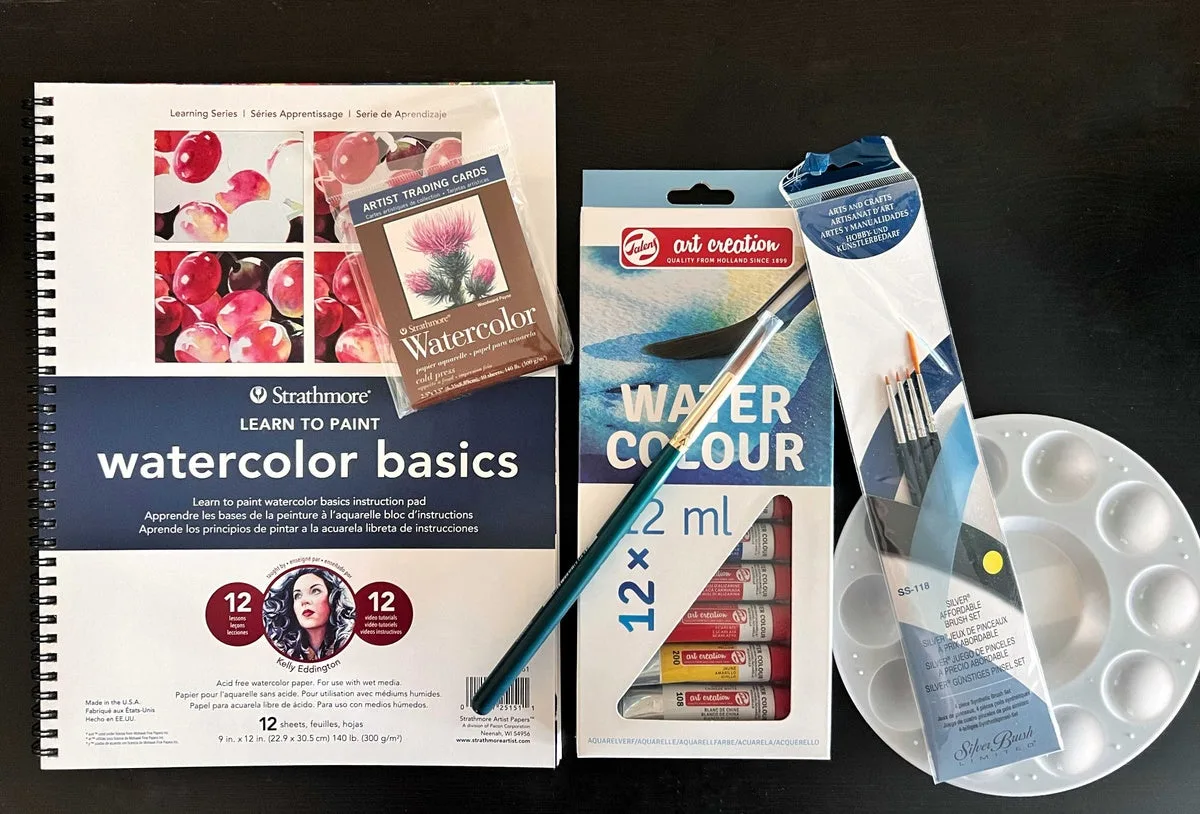
- Young Artist January 2021 - Art Creation Watercolor: The set includes Art Creation Watercolor Tube 12 Set, Silver Brush Sterling Studio Miniature Set, a Robert Simmons Brush, Strathmore Learn to Paint Watercolor Basics, Strathmore Artist Trading Card Packs, and a round watercolor palette. A consumable art kit is a workable allergy friendly gift for someone who cannot receive food, though you should still check the recipient has no sensitivity to art materials.
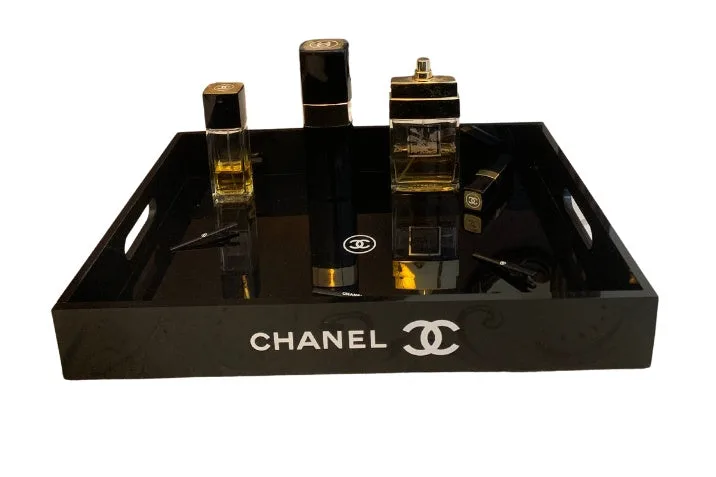
- Chanel Makeup Large Vanity Tray- Free Shipping: Sleek black acrylic tray measuring 15" L x 11" W x 2" H, designed for organizing cosmetics and accessories on a vanity or dressing table. A storage or display gift carries no dietary risk, so it works when the restriction is strict or when you simply do not know the details.
Choosing treats for someone with a dietary restriction is mostly a research task, not a shopping one. Confirm the restriction, read the real product information, decide how strict you need to be about cross-contact, then pick a box that fits. When the details are unclear, a non-food gift is a better answer than a hopeful guess.