Quick answer
Choose a tripod stand that is rated for at least 1.5 times your speaker's weight, has a 35mm pole if your speaker uses a standard socket, and raises the tweeter to ear level when people are standing. For most party speakers up to 15 inches, a stand with a 110–130 cm base height and a 35mm pole is the safest starting point.
Check the mounting socket before anything else
Look at the bottom of your speaker. A standard tripod pole is 35mm in diameter. If the socket is smaller or the speaker has no socket, you need a different stand or a mounting adapter. Measure the socket depth too; a shallow socket can let a heavy speaker sit too high on the pole and feel unstable.
- 35mm pole: fits most party speakers with a built-in socket.
- No socket: use a shelf-style stand or a stand with a top plate.
- Oversized socket: add a pole adapter sleeve rather than forcing the speaker on.
Weight capacity: use a 1.5x safety margin
A stand rated for exactly your speaker's weight will flex and may tip when someone bumps it. Add the weight of any accessories, then multiply by 1.5. For example, a 12 kg speaker plus a 1 kg wireless receiver needs a stand rated for at least 19.5 kg. If the stand's capacity is not listed, treat that as a limitation and choose a different model.
Height: aim for ear level, not ceiling level
For standing audiences, the tweeter should sit roughly at 1.5–1.7 meters. For seated audiences, 1.1–1.3 meters works better. A tripod stand with a base height around 110 cm and an adjustable pole up to 180 cm covers most party and event setups. Taller is not automatically better: a higher center of gravity makes the stand easier to knock over, especially outdoors.
Legs, locks, and feet: the stability details
Tripod legs should spread wide enough that the feet sit outside the speaker's footprint. Look for a locking pin or safety pin on the height adjustment, not just a friction knob. Rubber feet grip smooth floors; spike feet dig into grass. If you often set up on uneven ground, a stand with independently adjustable legs is worth the extra cost.
Decision rules for buying a speaker tripod stand
- Rule 1: Match the pole to the socket: Measure your speaker's mounting socket diameter and depth. If it is not 35mm, buy an adapter or a different stand. No socket? Skip tripod stands and look for a shelf stand.
- Rule 2: Overrate the weight capacity: Add speaker weight plus accessories, then multiply by 1.5. Choose a stand rated at or above that number. If capacity is not published, assume it is too low for a 15-inch speaker.
- Rule 3: Set height by audience posture: Standing crowd: 1.5–1.7 m tweeter height. Seated crowd: 1.1–1.3 m. Use a stand with a locking pin, not just a friction knob. Higher is not better if the stand becomes top-heavy.
- Rule 4: Check the feet for your venue: Rubber feet for indoor floors, spike feet for grass or gravel. Independently adjustable legs help on uneven ground. Buy the feet that match where you actually set up.
Speaker weight and size examples
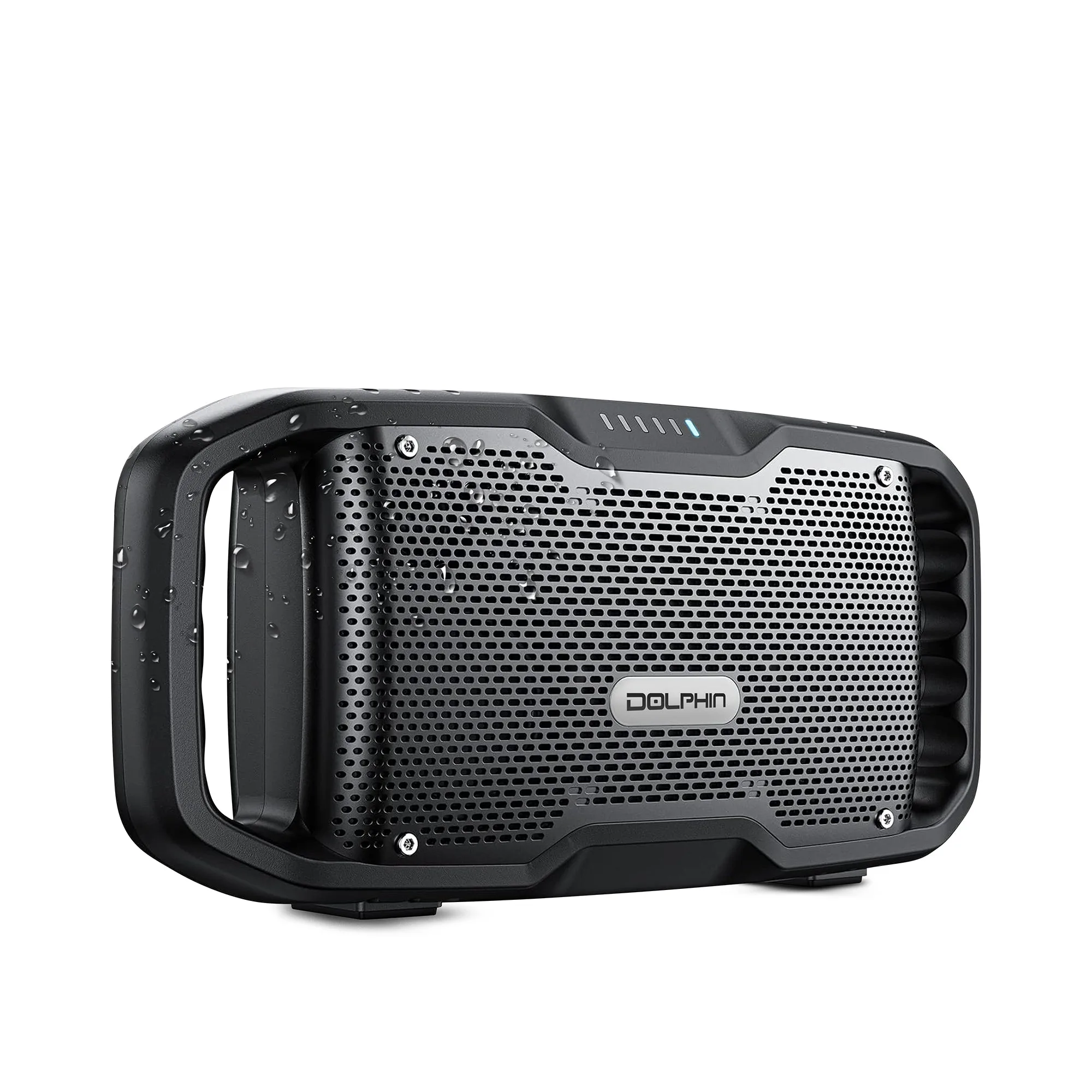
- SOUNDBYTE 100: SOUNDBYTE 100 is a compact speaker with IPX5 water resistance, a 20-hour battery, and a built-in power bank. Its compact size makes it a good candidate for a lightweight tripod stand, but check the socket diameter before buying.
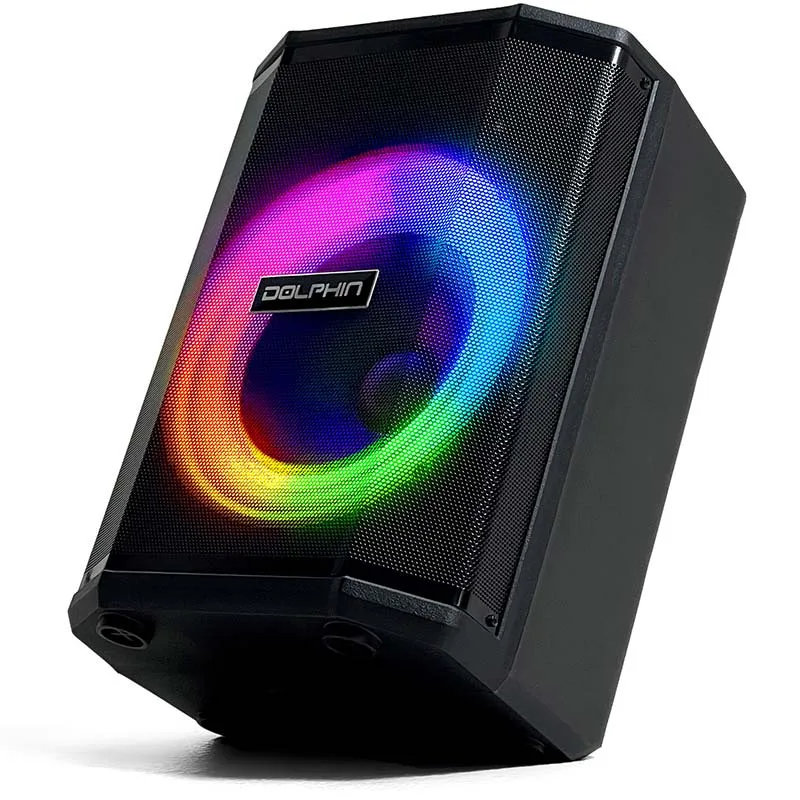
- Tilt 880: Tilt 880 is a rechargeable 8-inch party speaker with a tiltable design, WaveSync technology, and a 3000mAh battery. The tiltable design may change how the speaker balances on a pole, so confirm the stand's weight rating with the tilt feature in mind.
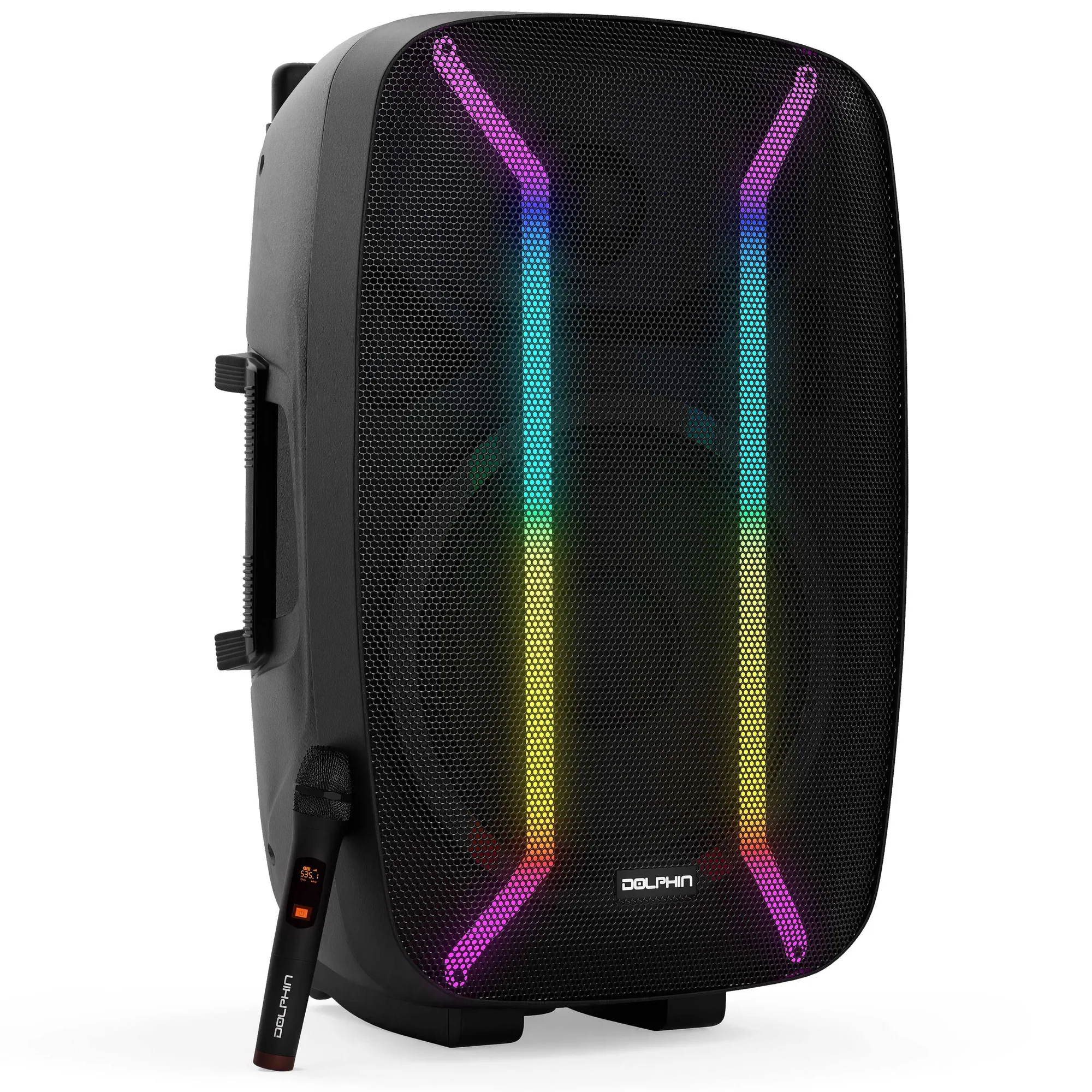
- ELITE 2115: ELITE 2115 is a 15-inch rechargeable speaker with a three-channel mixer, 6000mAh battery, and trolley. A 15-inch speaker is heavier, so choose a stand rated well above its weight and consider a model with a wide leg spread.
Who should buy a tripod stand
Best for
- DJs and party hosts who need to raise a speaker with a built-in 35mm socket
- Mobile setups where quick height adjustment and portability matter
- Indoor and outdoor events with a standing or dancing audience
Not for
- Speakers without a mounting socket or with a non-standard socket size
- Very heavy subwoofers that exceed typical tripod weight limits
- Permanent installations where a wall or ceiling mount is safer