Quick answer
Prioritize a smooth, breathable fabric with a soft, non-pinching waistband and no scratchy tags. Fit should be close but not tight, and the leg length should match your build. Start with a single pair to test before committing to a full drawer swap.
Start with fabric: why MicroModal and Lycra work for reactive skin
Fabric is the first filter. Look for a blend that feels smooth against the skin, moves with you, and manages moisture. MicroModal with Lycra is a strong starting point: it is soft, has 4-way stretch, and is breathable and moisture-wicking. That combination reduces the friction and dampness that often trigger irritation.
Avoid heavy, stiff fabrics or rough seams that rub. If you are comparing options, check whether the fabric is described as breathable and moisture-wicking—those two properties matter more than thread count or marketing terms.
Check the waistband: soft, wrapped, and logo-less
A waistband that pinches or leaves marks can cause irritation all day. Look for a fabric-wrapped waistband that is soft and stays put without digging in. A logo-less design also removes a common source of rubbing.
If you have reacted to waistbands before, avoid wide elastic bands with exposed rubber. A wrapped waistband distributes pressure more gently and is less likely to leave red marks.
Go tagless: printed care labels prevent scratching
Traditional sewn-in tags are a frequent culprit for itching and redness at the back waist. Choose underwear with a printed care label—no tag to scratch or cut out.
If you already own tagged underwear, cutting the tag can leave a sharp edge. Replacing those pairs with tagless options is a more reliable fix for sensitive skin.
Match leg length to your build to prevent chafing
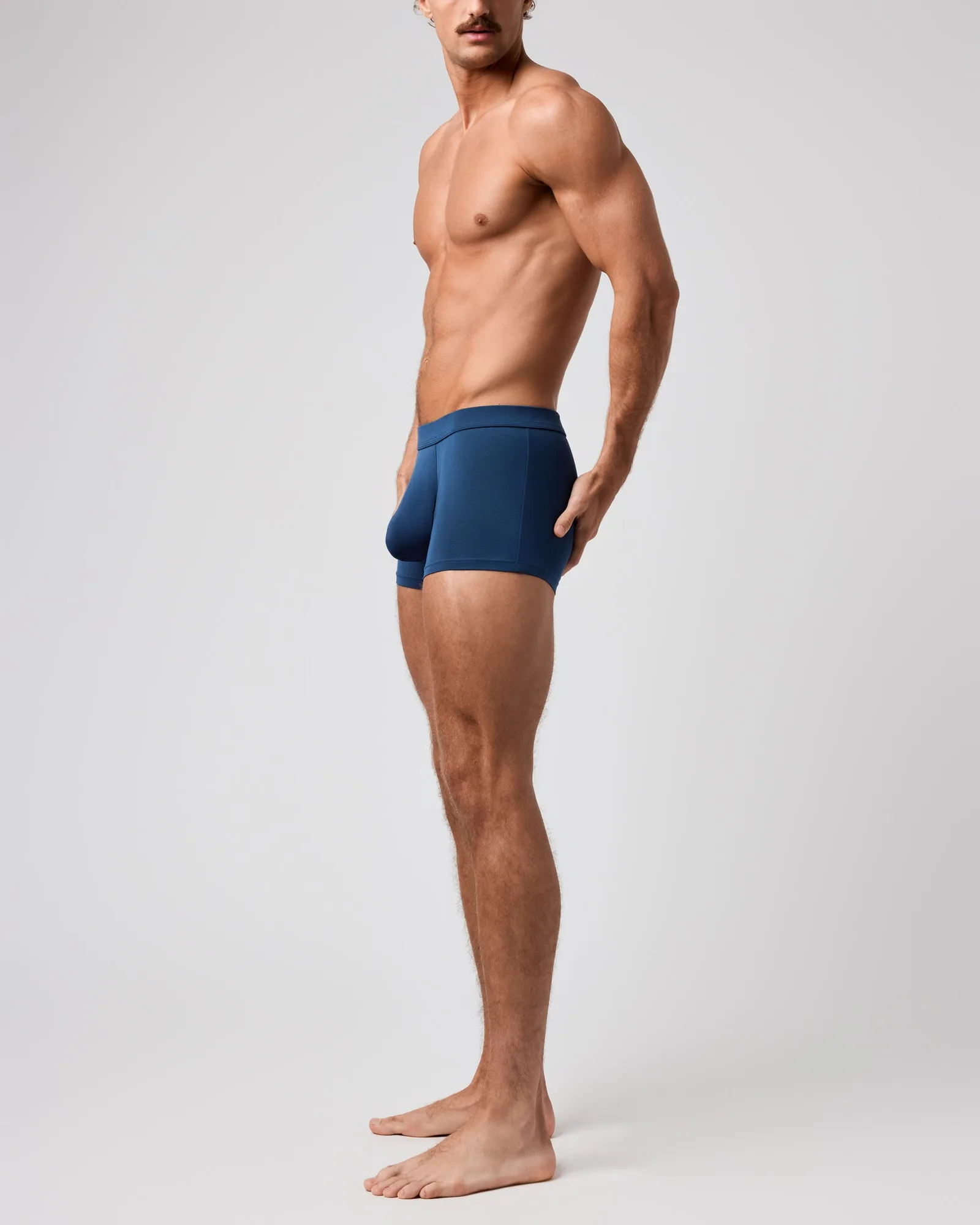
Leg length affects where fabric rubs. A shorter 3-inch inseam works well for average to thinner legs and reduces bunching. A mid-length 6-inch inseam is better for average to thicker legs and for sports, where more coverage helps prevent inner-thigh friction.
If you chafe between the thighs, a longer leg can act as a barrier. If you chafe at the leg opening, a shorter leg with a smooth hem may be more comfortable. There is no single best length—match it to where you feel friction.
Get the fit right: close but not tight
A good fit stays in place without compressing. If the waistband leaves deep marks or you need to adjust constantly, the size or cut is wrong. Breathable fabric helps, but fit determines whether air can circulate and whether seams stay put.
Check the pouch design too. Anatomical separation, like the AnatoMax Pouch, keeps fabric from pressing and reduces skin-on-skin contact that can lead to irritation. If a pouch feels restrictive or causes rubbing, size up or try a different style.
Test one pair before you replace your drawer
Sensitive skin reactions can take a few hours or a full day to show. Wear a new pair for a normal day—including sitting, walking, and any workout—before buying more. Wash them first according to the care label to remove any finishing agents.
If a pair passes the test, rotate it in and phase out the ones that cause irritation. Keep notes on fabric, waistband style, and leg length so you can repeat what works.
Your step-by-step process for sensitive-skin underwear
- 1. Choose a smooth, breathable fabric blend: Look for MicroModal with Lycra or a similar soft, 4-way stretch, moisture-wicking fabric. Avoid rough or heavy materials that trap heat and rub. Checkpoint: the fabric should feel cool and smooth against your inner wrist before you wear it.
- 2. Pick a soft, wrapped waistband with no exposed elastic: A fabric-wrapped, logo-less waistband stays put without pinching. Avoid wide rubber bands that leave marks. Common mistake: assuming a wider waistband is always more comfortable—pressure distribution matters more than width.
- 3. Go tagless with a printed care label: Sewn-in tags are a top cause of itching at the back waist. Printed labels eliminate that friction point. If you cut tags out, you may create a sharp edge—choose tagless instead.
- 4. Match leg length to your build and activity: 3-inch inseam suits average to thinner legs and reduces bunching. 6-inch inseam suits average to thicker legs and sports, adding a barrier against chafing. Checkpoint: if you chafe between thighs, go longer; if you chafe at the leg opening, go shorter.
- 5. Verify fit: close but not tight: You should forget you are wearing them. If you need to adjust constantly or see deep marks, size up or try a different cut. An anatomical pouch can reduce skin-on-skin contact. Common mistake: sizing down for support—it increases friction and irritation.
- 6. Wash before first wear and test one pair: Wash according to the care label to remove finishing agents. Wear the pair for a full day including sitting and moving before buying more. Next step: if it passes, rotate it in and phase out the pairs that cause irritation.
Product facts that matter for sensitive skin
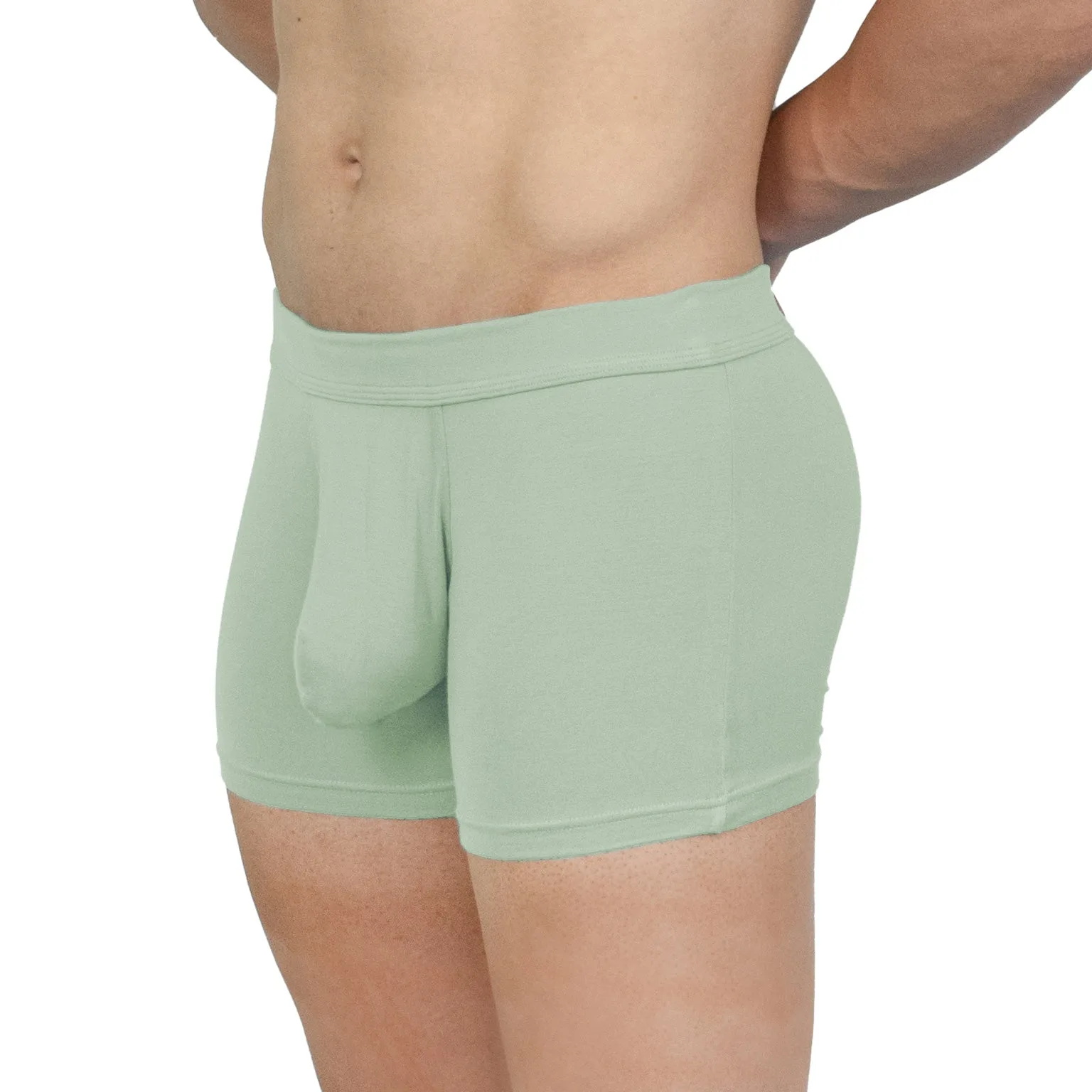
- EliteMan - Boxer Brief 3 inch Leg: Boxer Brief with shorter legs 3” inseam; ideal for average to thinner legs; AnatoMax Pouch; super soft logo-less fabric wrapped waistband; printed care label; MicroModal/Lycra blend; breathable; moisture-wicking; odor-resistant. The short leg reduces bunching for thinner builds, the wrapped waistband and printed label minimize common irritation points, and the breathable, moisture-wicking fabric helps keep skin dry.
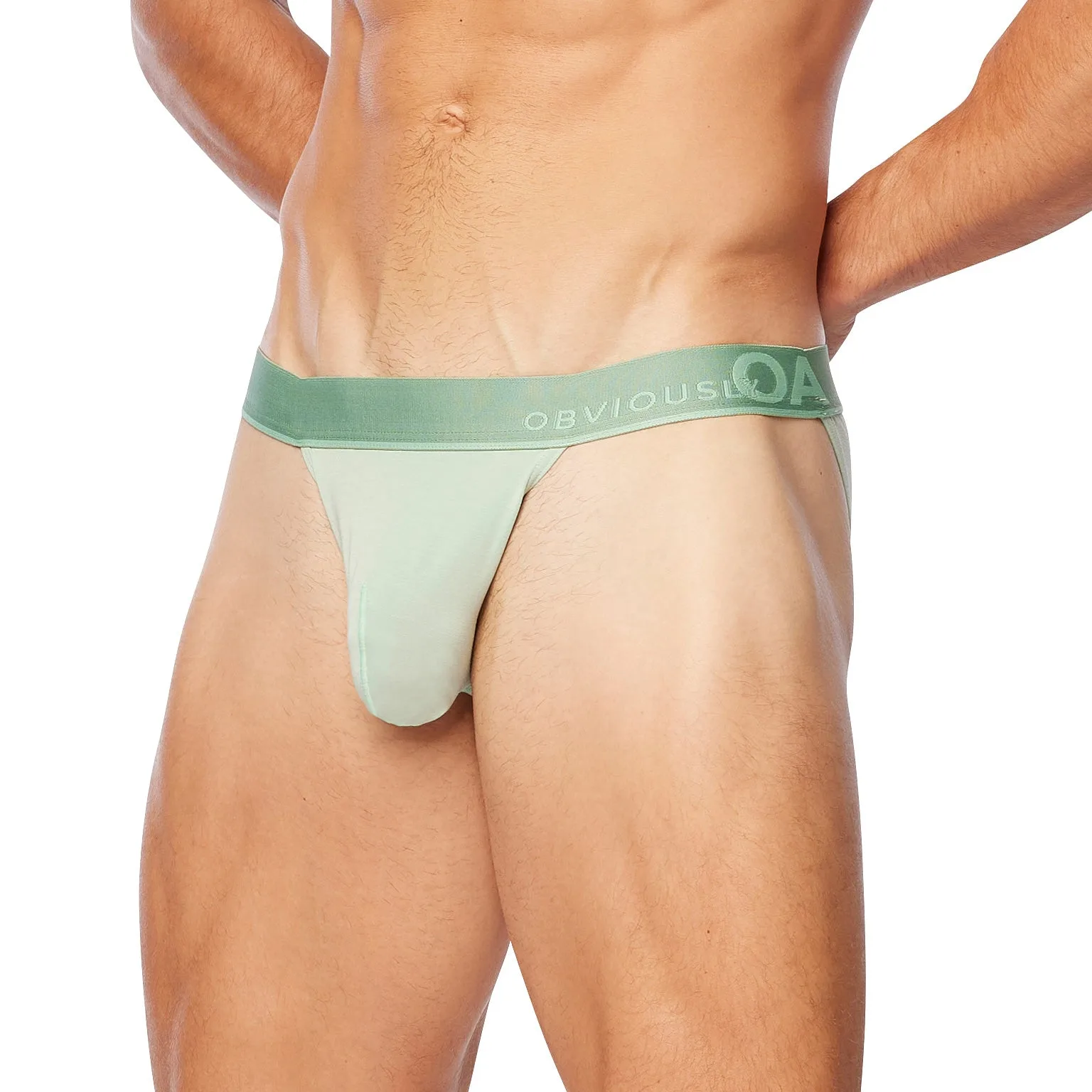
- PrimeMan - Thong: Elastic free thong section; AnatoMax Pouch; super soft logo waistband; printed care label; MicroModal/Lycra blend; breathable; moisture-wicking; odor-resistant. The elastic-free thong section removes pressure at the back and sides, which can be a trigger for sensitive skin, while the pouch and fabric support comfort and dryness.