Quick Answer
For sensitive skin, choose underwear made from breathable, natural fibers like Supima® cotton, with soft, non-binding waistbands and minimal synthetic trim. Avoid tight fits and heavily dyed or scented fabrics. Look for styles with a relaxed rise and full coverage to reduce friction.
If you’re prone to itching, redness, or general discomfort, your underwear might be the culprit. The skin in that area is delicate and easily irritated by synthetic fabrics, tight elastic, or harsh dyes. But you don’t have to sacrifice style for comfort—you just need to know what to look for.
This guide walks you through the key features of irritation-free underwear, from fabric choices to fit, and highlights specific styles that work well for sensitive skin. We’ll also cover when a certain type might not be the best choice, so you can make an informed decision.
Focus on Breathable, Natural Fabrics
The most important factor is fabric. Natural fibers like cotton allow air to circulate and absorb moisture, which helps prevent the dampness that can lead to chafing and irritation. Look for high-quality cotton, such as Supima®, which is known for its softness and durability. Supima® is a premium cotton grown in the US, and its long fibers create a smoother, stronger fabric that feels gentle on skin.
Synthetic fabrics like polyester or nylon can trap heat and moisture, increasing friction and irritation. However, not all synthetics are bad—some, like certain microfiber knits, are designed to be ultra-lightweight and smooth. The key is to look for moisture-wicking properties and a soft, second-skin feel. But if you have very sensitive skin, cotton is often the safest bet.
Pay Attention to Waistbands and Edges
Elastic waistbands and leg openings can be a major source of discomfort. Look for underwear with soft, lace-trimmed edges that lie flat and don’t dig into your skin. A wide, stretchy waistband can distribute pressure more evenly, but it must be made from a soft material. Avoid tight, scratchy elastic that leaves marks or causes itching.
For sensitive skin, a high-rise style with a wide lace waistband can offer both comfort and elegance. The lace should be soft and flexible, not stiff or scratchy. Also, consider the rise: a higher rise can prevent the waistband from sitting on a sensitive area, while a lower rise might be less irritating for some. It’s all about personal preference and where your skin reacts.
Evaluate Fit and Coverage
The right fit is crucial. Underwear that is too tight can cause friction and chafing, while too loose can bunch up and irritate. Look for a style that offers a comfortable, secure fit without being restrictive. For many, a classic rise thong or a bikini with medium coverage strikes a good balance. A thong minimizes fabric and reduces the risk of chafing between the legs, but it’s not for everyone.
Consider your daily activities. If you’re active, you might prefer a style that stays in place and wicks moisture. If you’re sitting for long periods, a smoother, seamless style might be more comfortable. Always choose underwear that you can forget you’re wearing—that’s a sign of a good fit.
Check Dyes and Chemicals
Dyes and finishing chemicals can also trigger skin reactions. Opt for underwear that is either undyed or uses gentle, low-impact dyes. Many brands, including Hanky Panky, offer a range of colors, but if you have extreme sensitivity, you might want to stick to lighter shades like white or beige, which typically require less dye. Also, avoid products with added fragrances or harsh detergents when washing.
If you’re unsure, look for underwear that is labeled as hypoallergenic or dermatologist-tested. However, keep in mind that “hypoallergenic” is not a regulated term, so it’s still important to check the fabric content and construction. When in doubt, choose simple, breathable styles with minimal trim.
Decision Rules for Sensitive Skin Underwear
- Fabric rule: Choose underwear made primarily from natural, breathable fibers like Supima® cotton. If you prefer synthetic, ensure it’s moisture-wicking and ultra-soft. Check the fabric content: aim for at least 90% cotton or a specialized soft knit.
- Waistband rule: Look for soft, stretchy waistbands—preferably lace or wide elastic—that don’t leave marks. Avoid tight, scratchy elastic. Run your finger along the waistband: it should feel smooth and flexible, not stiff.
- Fit rule: Select a rise and coverage that minimizes friction. If you’re prone to chafing, a thong might work; if you prefer more coverage, choose a bikini or high-rise style. Try different styles to see which feels most comfortable throughout the day.
Product Features That Matter for Sensitive Skin
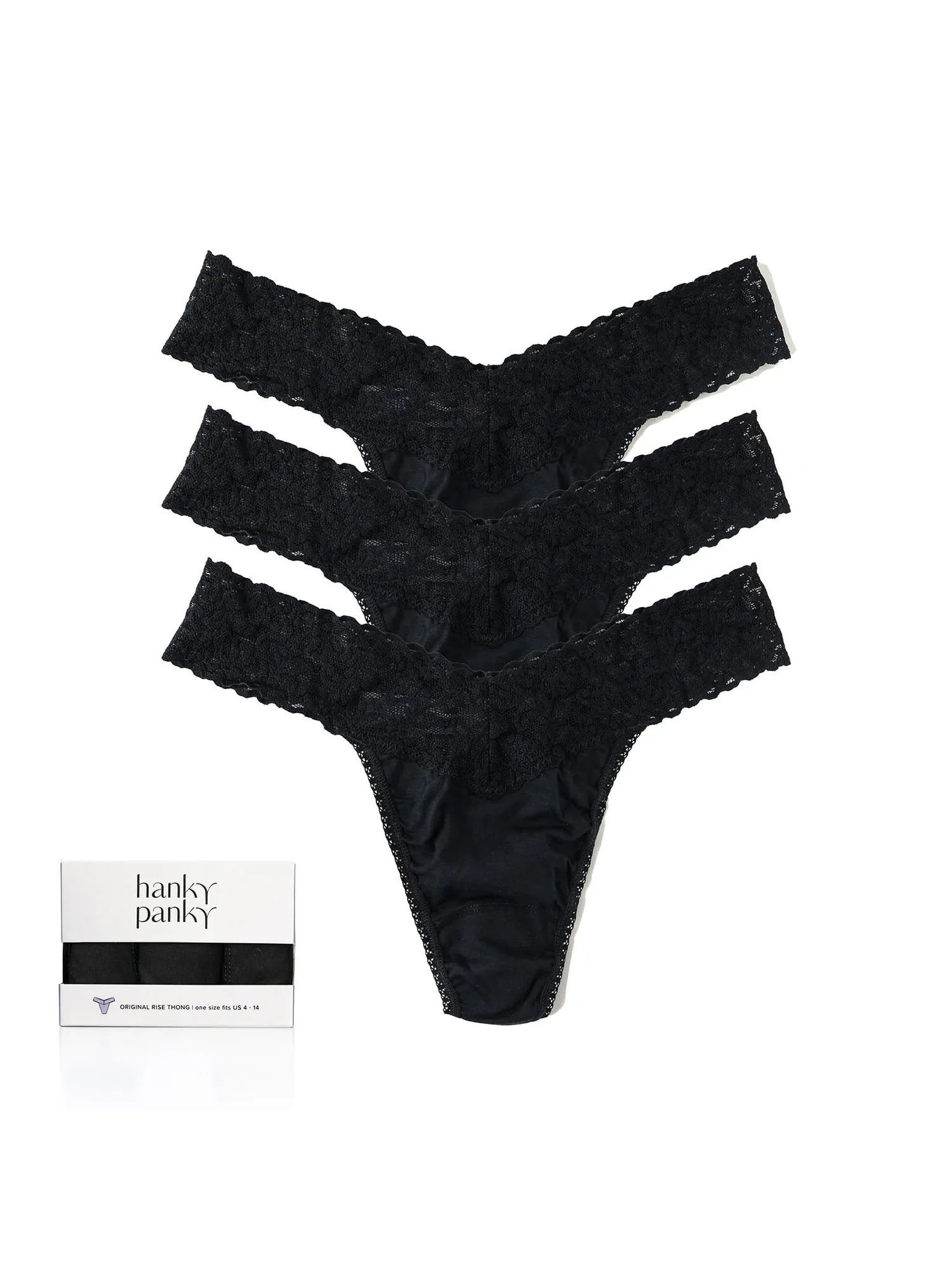
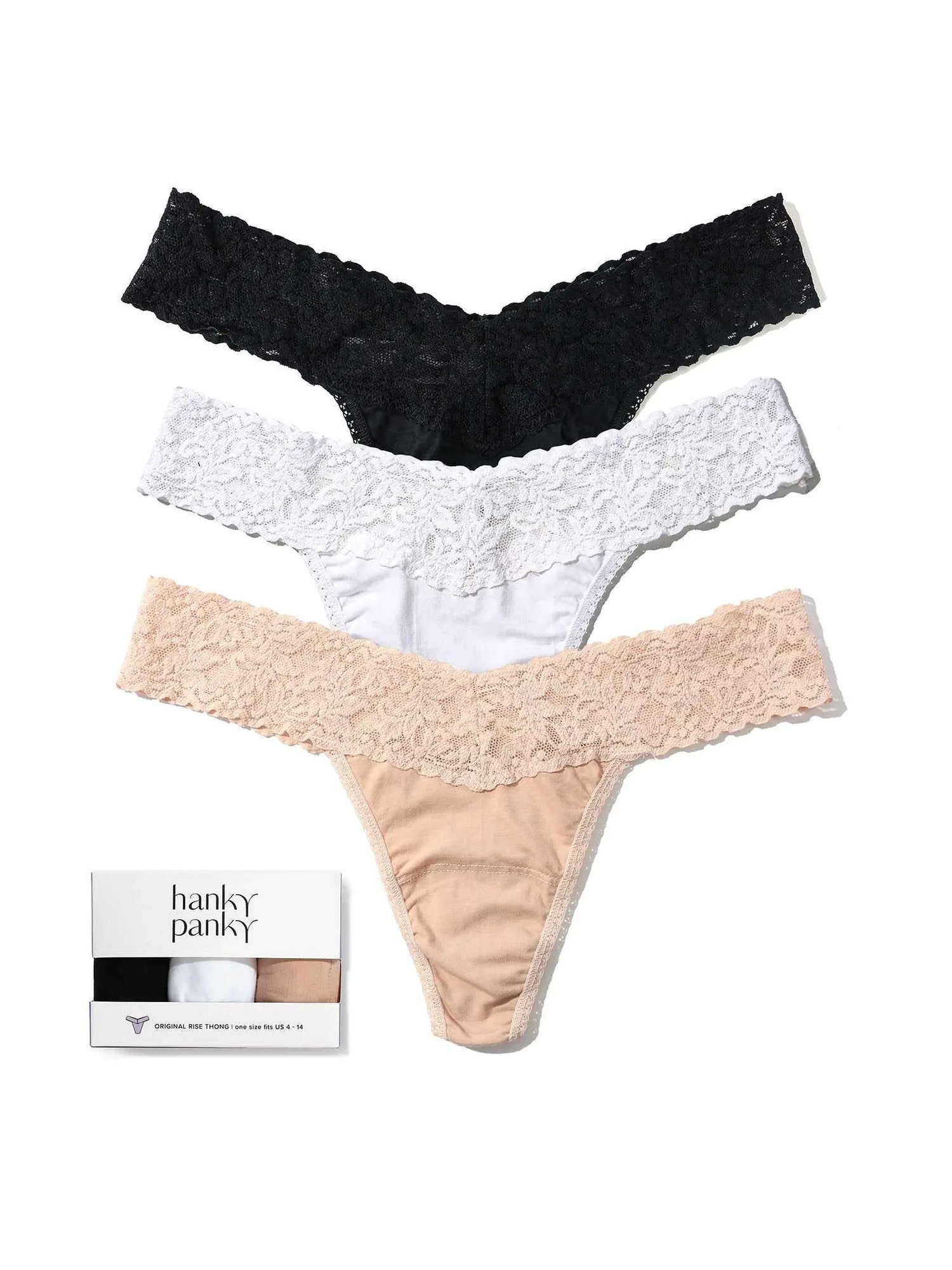
- https://hankypankyex.com/products/3-pack-supima-cotton-original-rise-thongs-with-lace-bla-179e8b56f7005d43cfc77da3-9332283 Pack Supima® Cotton Original Rise Thongs Black/White/Chai: Soft lace waistband combined with Supima® cotton-spandex for the ultimate in comfort. Supima® is US-grown and known for its premium properties of strength, softness and color retention. The breathable, soft Supima® cotton reduces irritation, while the lace waistband is gentle on the skin. This pack includes white and chai, which are lighter shades that may be less irritating for very sensitive skin.
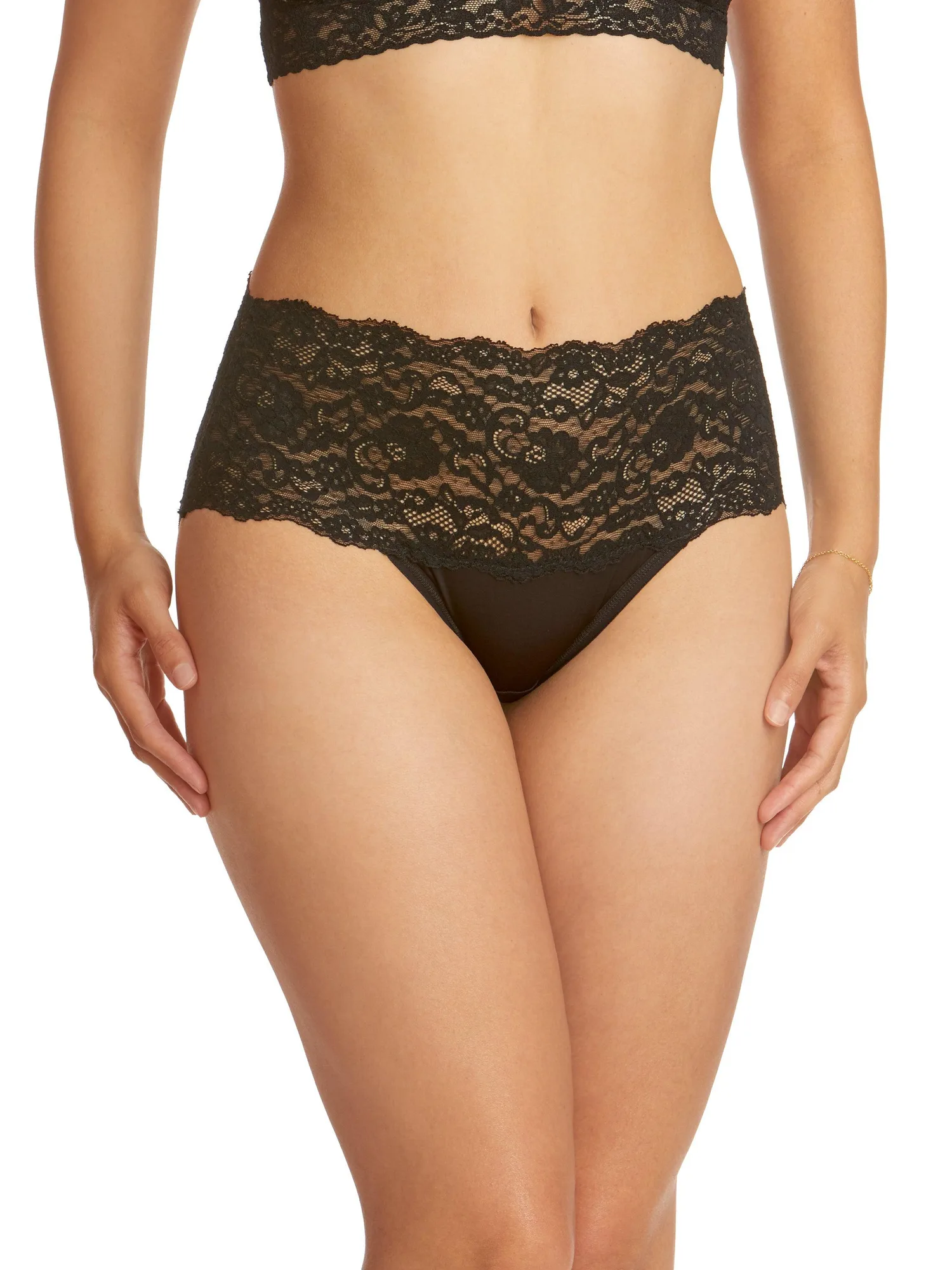
- Silky Skin High Rise Panty Black: Crafted with an extra-wide lace waistband and luxuriously silky jersey fabric, these panties offer a smooth, flattering fit that feels as good as it looks. The wide, soft waistband distributes pressure and prevents digging in, while the silky jersey fabric is smooth and non-abrasive. The high-rise design offers full coverage, which can be comforting for sensitive skin.
Fit Guidance
Best for sensitive skin
- Women who experience irritation from synthetic fabrics or tight elastic
- Those who prefer breathable, natural materials and a comfortable, non-restrictive fit
Not ideal for
- Women who prefer seamless, invisible underwear under tight clothing—cotton styles may have visible lines
- Those who require extra support or shaping, as cotton underwear typically offers minimal compression
Choosing underwear for sensitive skin doesn’t have to be a trial-and-error process. Prioritize breathable fabrics like Supima® cotton, soft waistbands, and a fit that reduces friction. By following these simple rules, you can stay comfortable and confident all day, without irritation.