Quick answer
For most 2–3 day trips, choose a soft-sided weekender around 35–45L with a wide opening, a comfortable shoulder strap, and one separate compartment for shoes or laundry. Pick a duffel if you mostly carry it by hand or over your shoulder; pick a structured carry-on weekender with wheels if you want to roll through airports and train stations without carrying the weight.
A weekender is the bag you reach for when a carry-on feels like overkill but a backpack feels like too little. The problem is that "weekender" covers everything from a 25L gym duffel to a 50L rolling bag, and the wrong pick shows up as shoulder pain, a bag that won't fit the overhead bin, or a suitcase you never actually carry.
This guide gives you decision rules instead of a single winner. You'll learn how to match capacity to trip length, when a duffel beats a rolling carry-on weekender, and which features are worth paying for. To make the trade-offs concrete, we'll use real CALPAK options like the Hue Front Pocket Carry-On Luggage and the Luka Everything Laptop Tote Bag as reference points.
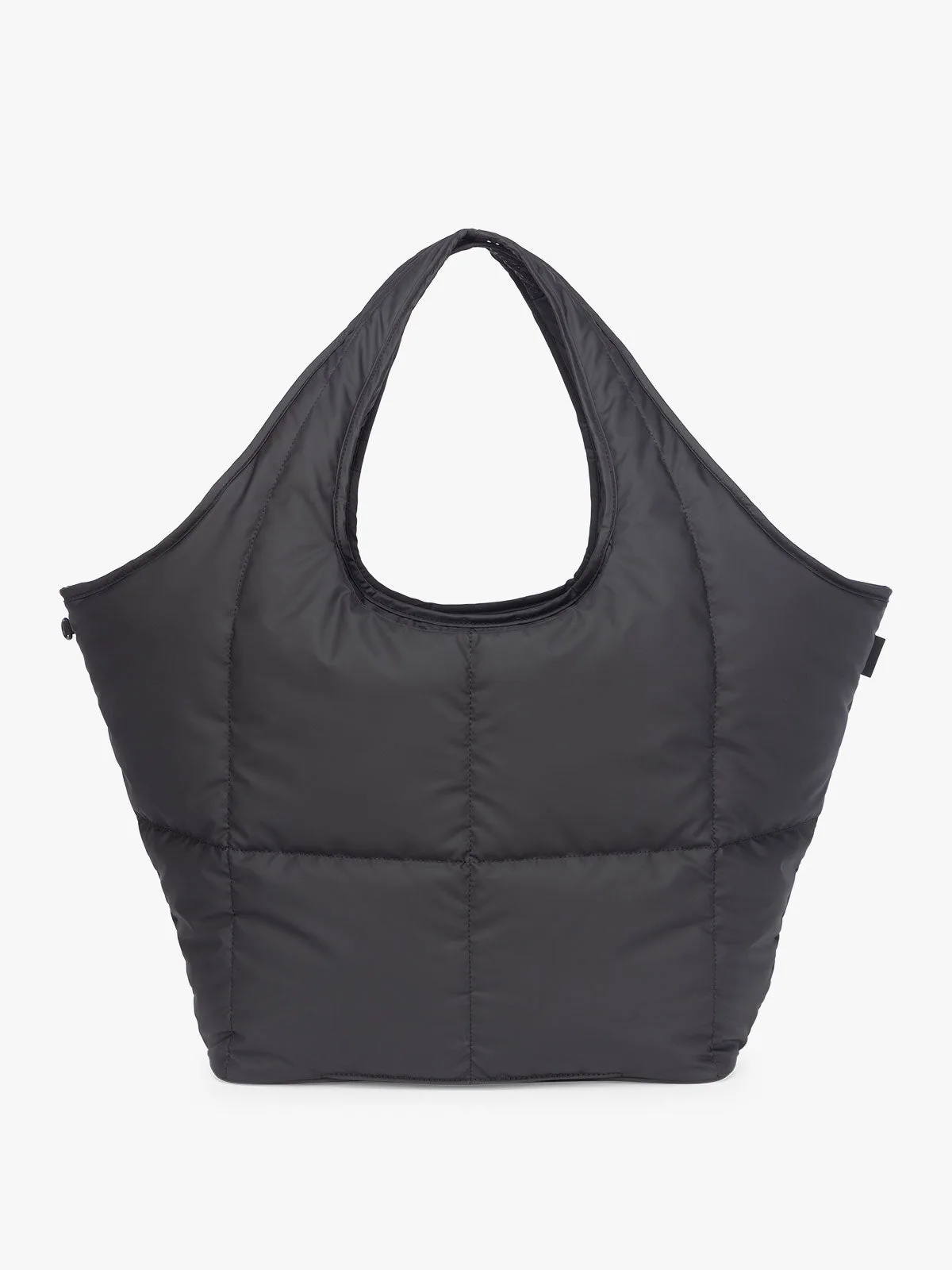
Luka Everything Laptop Tote Bag
Start with capacity, not style
Capacity is the fastest way to narrow the field. For a 2–3 day trip in warm weather, 30–40L is usually enough for clothes, a toiletry kit, and one pair of shoes. If you're packing bulkier layers, a laptop, or gear for two people, look at 40–50L. Anything above 50L starts to behave like a small suitcase and is harder to carry comfortably.
Be skeptical of vague size claims. A bag listed only as "weekender" without liters or dimensions is a decision limitation, not a feature. If the product page doesn't state capacity, compare the listed dimensions against a bag you already own, or choose a bag with a stated volume so you can plan around it.
- 1–2 nights: 25–35L is often plenty if you pack light.
- 2–3 nights: 35–45L is the sweet spot for most travelers.
- 3+ nights or cold weather: 45–50L, or switch to a carry-on suitcase.
Duffel vs weekender: what actually changes
The duffel vs weekender question is really about carry style and structure. A classic duffel is soft, collapses when empty, and usually has one main compartment with a shoulder strap. A weekender is often a more structured version of the same idea, with a flat base, multiple compartments, and sometimes wheels. Neither is better; they solve different problems.
If your trip includes a lot of walking, stairs, or public transit, a duffel with a crossbody strap keeps your hands free and packs down small. If your trip includes long airport walks or a heavy laptop, a rolling carry-on weekender saves your shoulders. The trade-off is weight: wheels and a handle add bulk, so a rolling bag is harder to stash in an overhead bin on a full flight.
- Choose a duffel if you value light weight and flexibility.
- Choose a structured or rolling weekender if you value organization and less carrying.
Match the bag to how you'll travel
Your transport decides more than your destination. On a plane, a carry-on weekender should fit common overhead dimensions and have a flat, stable base so it doesn't slump in the bin. A trolley sleeve is a small feature that makes a big difference: it slides over a rolling suitcase handle so you can move both bags as one unit.
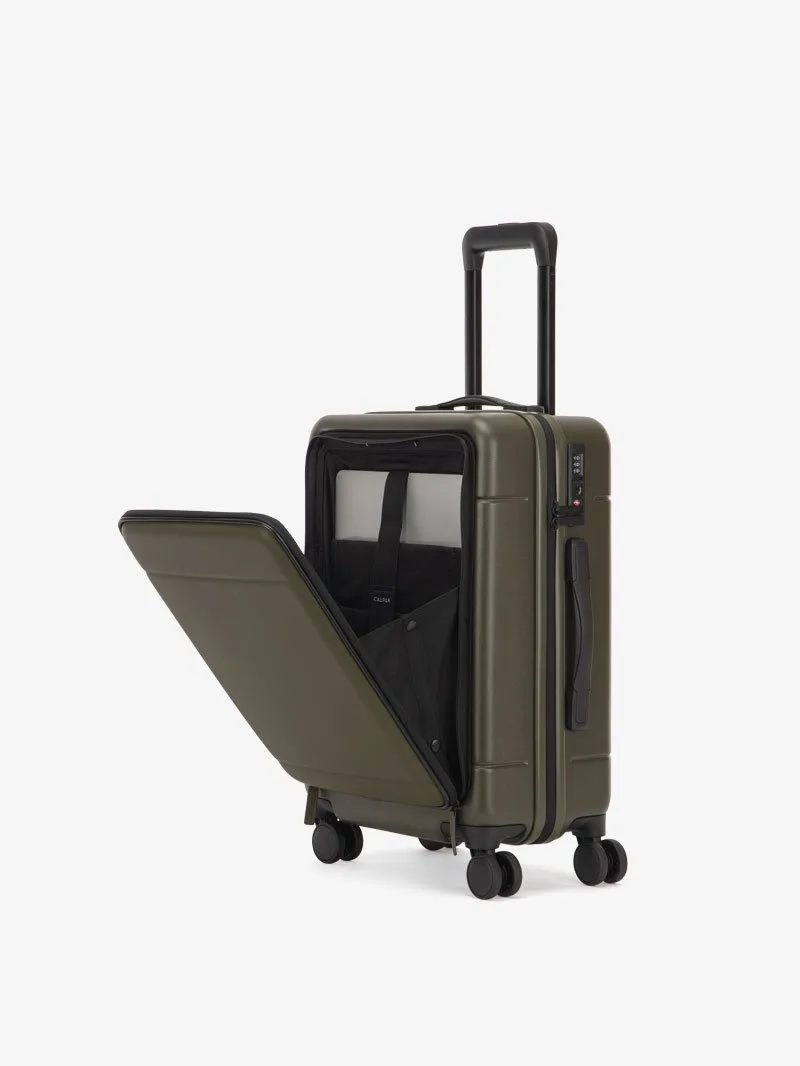
On a road trip or train ride, space matters more than airline compliance. A soft duffel can be wedged into a trunk or under a seat, while a rigid bag can't. If you split your travel between flying and driving, a soft-sided bag with a trolley sleeve gives you the most options. The Hue Front Pocket Carry-On Luggage is a useful reference for the flying side: it has a dedicated padded front laptop compartment for security checks and spinner wheels for smooth movement from gate to destination.
- Flying: prioritize overhead-friendly dimensions, a flat base, and a trolley sleeve.
- Driving or train: prioritize soft sides, a wide opening, and a comfortable shoulder strap.
Features worth paying for
A wide, structured opening is the single most useful feature on a weekender. It lets you pack in layers and find things without emptying the bag. After that, look for one separate compartment for shoes, laundry, or wet items, and a padded laptop sleeve if you're bringing a computer. A padded sleeve is different from a simple laptop compartment: padding protects against bumps, while a plain compartment mainly keeps the laptop from sliding around.
Shoulder straps matter more than most shoppers expect. A wide, adjustable strap with a pad distributes weight better than a thin webbing strap, especially when the bag is full. If the bag has a removable strap, you can convert it to a hand-carry tote at your destination. Finally, check the material: water-resistant fabrics and wipeable linings make spills and weather less stressful.
- Wide opening: easier packing and access.
- Separate shoe or laundry compartment: keeps clean clothes clean.
- Padded laptop sleeve: protection, not just separation.
- Water-resistant material and wipeable lining: easier cleanup.
Fit and carry: get the proportions right
Fit guidance for a weekender comes down to three measurements: length, height, and strap drop. A bag that's too long bangs against your hip when you carry it by the shoulder strap; a bag that's too tall can block your view or feel top-heavy. Aim for a bag that sits at or just below your waist when carried crossbody, and test the strap drop against your torso height.
If you're choosing a carry-on weekender, check the dimensions against your airline's overhead allowance before you buy. A bag that's a few centimeters too long may still fit, but it won't fit consistently on full flights. For the personal-item side, a tote like the Luka Everything Laptop Tote Bag shows how a flat, structured shape can slide under a seat while still holding a padded laptop sleeve and multiple interior pockets.
- Measure your torso from shoulder to waist to estimate a comfortable strap drop.
- Compare listed dimensions to a bag you already carry comfortably.
- If you fly, verify overhead dimensions for your most common airline.
Organization: what to look for inside
A good weekender doesn't need a dozen pockets, but it needs the right ones. One zippered interior pocket for small items, one exterior pocket for a phone or boarding pass, and one separate compartment for shoes or dirty laundry covers most trips. Too many small pockets can actually reduce usable space and make the bag heavier.
If you carry a laptop, a padded sleeve that fits your screen size is more useful than a generic compartment. The Luka 17-Inch Laptop Backpack is a reminder that dedicated laptop space can be built into a travel bag without making it bulky; the same principle applies when you're comparing weekenders. Look for a sleeve that holds the laptop snugly and keeps it off the bottom of the bag.
- One exterior quick-access pocket: phone, keys, boarding pass.
- One interior zippered pocket: chargers, small toiletries.
- One separate compartment: shoes or laundry.
Decision rules for choosing a weekender bag
- Rule 1: Match capacity to nights: Use 25–35L for 1–2 nights, 35–45L for 2–3 nights, and 45–50L for 3+ nights or bulky layers. If you can't find a stated capacity, compare listed dimensions to a bag you already own.
- Rule 2: Choose carry style before brand: Pick a soft duffel if you'll carry it yourself; pick a rolling carry-on weekender if you'll walk long distances with a laptop or heavy load. Wheels add weight and bulk, so only choose them if you'll actually roll the bag.
- Rule 3: Prioritize one wide opening and one separate compartment: A wide opening makes packing and access easier; a separate shoe or laundry compartment protects clean clothes. Skip bags with many tiny pockets that reduce usable space.
- Rule 4: Verify fit for your most common trip: For flights, check overhead dimensions and look for a trolley sleeve; for road trips, prioritize soft sides and a comfortable shoulder strap. If you fly and drive equally, a soft-sided bag with a trolley sleeve is the most flexible choice.
Product facts that help you decide
- Hue Front Pocket Carry-On Luggage: Designed for quick access and smooth movement, it has a dedicated padded front laptop compartment and spinner wheels, with a durable shell. A rolling carry-on weekender with a padded laptop compartment and spinner wheels is a strong choice if you want to avoid carrying weight and need quick access at security.
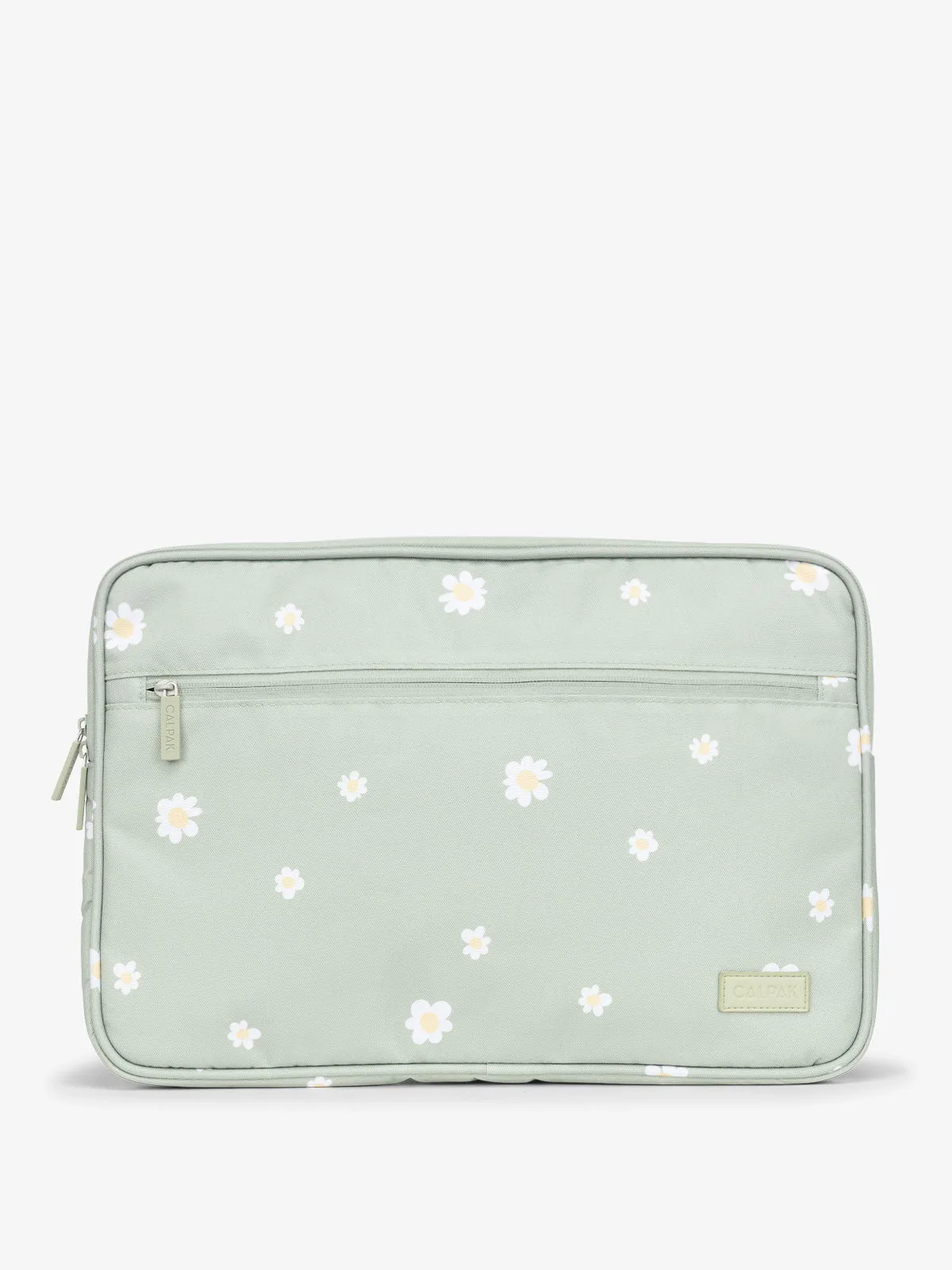
- Luka Everything Laptop Tote Bag: A water-resistant laptop tote with a padded laptop sleeve, multiple interior pockets, and a trolley sleeve. If your short trip is mostly work or personal-item travel, a structured tote with a trolley sleeve can pair with a rolling suitcase and slide under a seat.
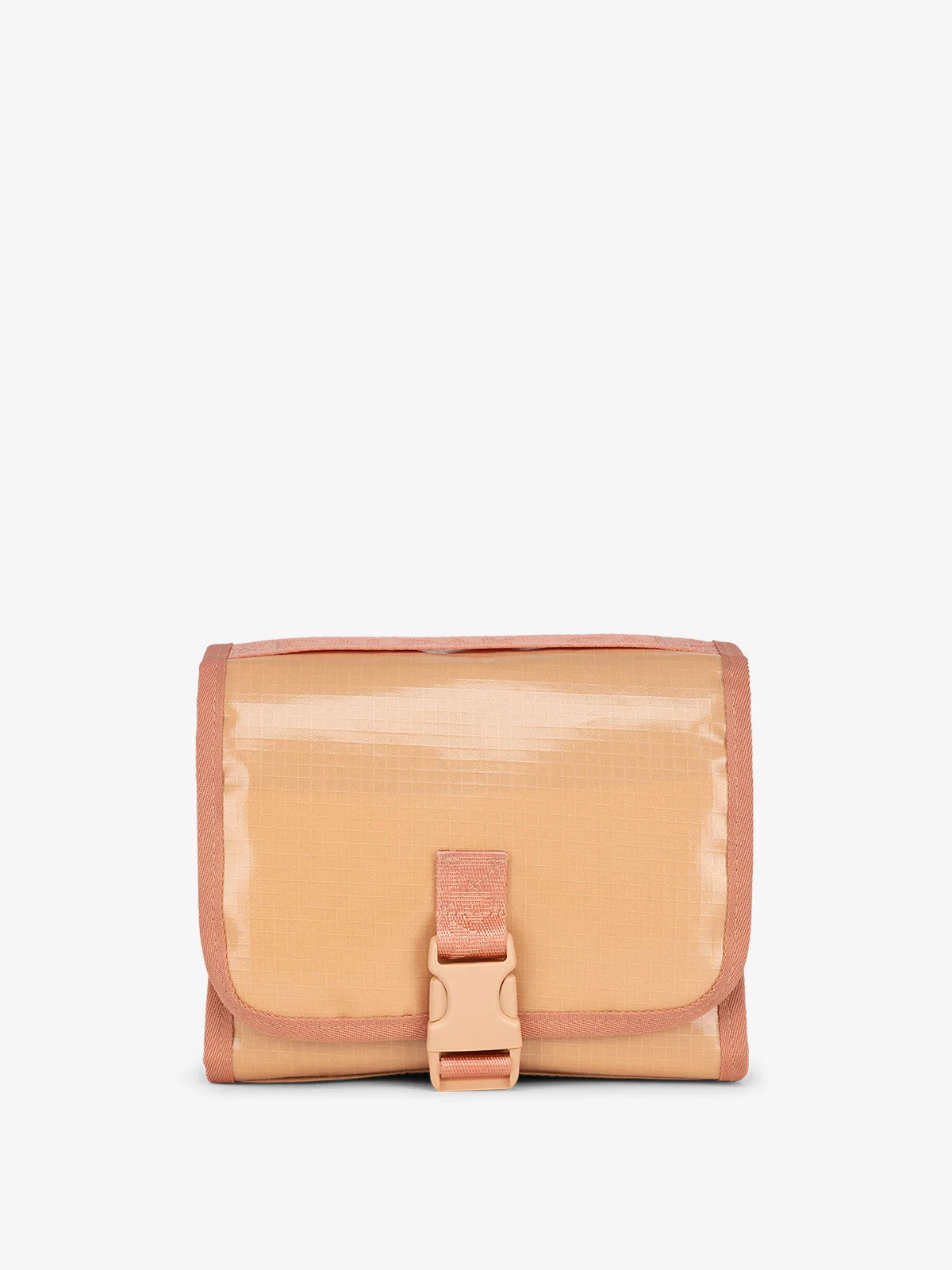
- Terra Hanging Toiletry Bag: Made from durable recycled ripstop with a water-resistant coating, a collapsible hook, a wipeable lining, and an exterior toothbrush stand. A compact hanging toiletry bag keeps small items contained and accessible, which matters when you're packing a weekender without checked luggage.
Who should choose which weekender
Best for
- Travelers taking 2–3 day trips who want one bag that fits in an overhead bin
- Commuters and work travelers who need a padded laptop sleeve and quick-access front pocket
- Parents or anyone who wants a structured bag that stays organized on short trips
Not for
- Travelers packing for a week or more with bulky gear, who should choose a larger suitcase
- Minimalists who want a packable bag that disappears into a backpack, who should choose a lightweight duffel
- Anyone who needs a bag with a verified capacity but the product page doesn't state one
Choose a weekender by trip length, carry style, and the one or two features you'll actually use. A 35–45L bag with a wide opening and a separate shoe compartment handles most short trips, while a rolling carry-on weekender with a padded laptop compartment is the better call when you'd rather roll than carry. Match the bag to your most common trip, and you'll stop overpacking and start moving faster.