Quick answer
For a teen or adult, choose a wooden puzzle with a piece count that matches their patience and experience (250 for casual solvers, 1000 for enthusiasts) and a theme that reflects their personal interests—like fantasy, animals, or art—to make the gift feel thoughtful and unique.
Piece count: matching challenge to experience
The number of pieces directly affects how long the puzzle takes and how satisfying it feels to finish. A 250-piece wooden puzzle hits a sweet spot for most teens and casual adult solvers: it takes a few hours to complete, offers a relaxing break, and still feels like an accomplishment. For someone who already enjoys puzzling or has a longer attention span, a 1000-piece puzzle provides a deeper challenge that can span several sessions over days or weeks.
Wooden puzzles have an edge over cardboard in this range because the pieces are thicker and fit snugly, making the assembly process more tactile and forgiving. Beginners often appreciate this feedback, while experienced solvers value the precision.
Theme and design: making it personal
The visual subject is what makes a wooden puzzle feel like a gift rather than a generic activity. Teens and adults respond to imagery that aligns with their hobbies or aesthetics—fantasy worlds, wildlife portraits, dreamy landscapes, or artistic patterns. A puzzle that looks like a poster they would actually hang on their wall doubles as decor once finished.
Because wooden puzzles come in smaller runs and often feature original art, they naturally feel more special than mass-market cardboard puzzles. That uniqueness can turn the gift into a conversation piece or a keepsake.
Gift-readiness and presentation
Wooden puzzles usually arrive in sturdy boxes that are ready to wrap without extra packaging. Some include a reference poster or a drawstring bag for storing pieces, which adds convenience for the recipient. If you are giving the puzzle to someone who lives in a small space, the compact box size of a 250-piece wooden puzzle is easier to store than a larger cardboard box.
One trade-off: wooden puzzles cost more per piece than cardboard. The higher price reflects the material quality and the artwork licensing, but it also means you get a gift that feels substantial rather than disposable.
Decision rules for picking the right wooden puzzle
- Know the recipient's puzzle experience: If they have never completed a puzzle or only do them occasionally, choose 250 pieces. If they regularly finish 500+ piece cardboard puzzles, choose 1000 pieces in wood. A 250-piece wooden puzzle takes roughly 2–4 hours; a 1000-piece can take 10–20 hours spread over days.
- Match the theme to their personality: Look at what they enjoy—fantasy, animals, travel, art, or nature. A puzzle with a subject they already love will hold their attention longer and feel more personal.
- Consider display and storage: If the recipient likes to frame finished puzzles, a 1000-piece wooden puzzle makes a striking wall piece. If they prefer to redo puzzles or have limited space, a 250-piece wooden puzzle is easier to store and reassemble. Wooden puzzles can be disassembled and reused many times without damage, unlike glued cardboard puzzles.
- Set a realistic budget: Wooden puzzles cost more than cardboard, but the price reflects thicker pieces, unique art, and a premium unboxing experience. A 250-piece wooden puzzle typically costs less than a 1000-piece, making it a lower-risk first gift.
Two solid gift picks
-
Dreamy Rainbow Cat 250 Wooden Puzzle: Dreamy Rainbow Cat 250 Wooden Puzzle features a vibrant rainbow-colored cat with intricate details and a kaleidoscope of colors, making the cat appear magical and dreamlike. The whimsical art and manageable 250-piece count make this an ideal gift for a teen or adult who loves cats, fantasy art, or wants a relaxing, visually stunning activity.
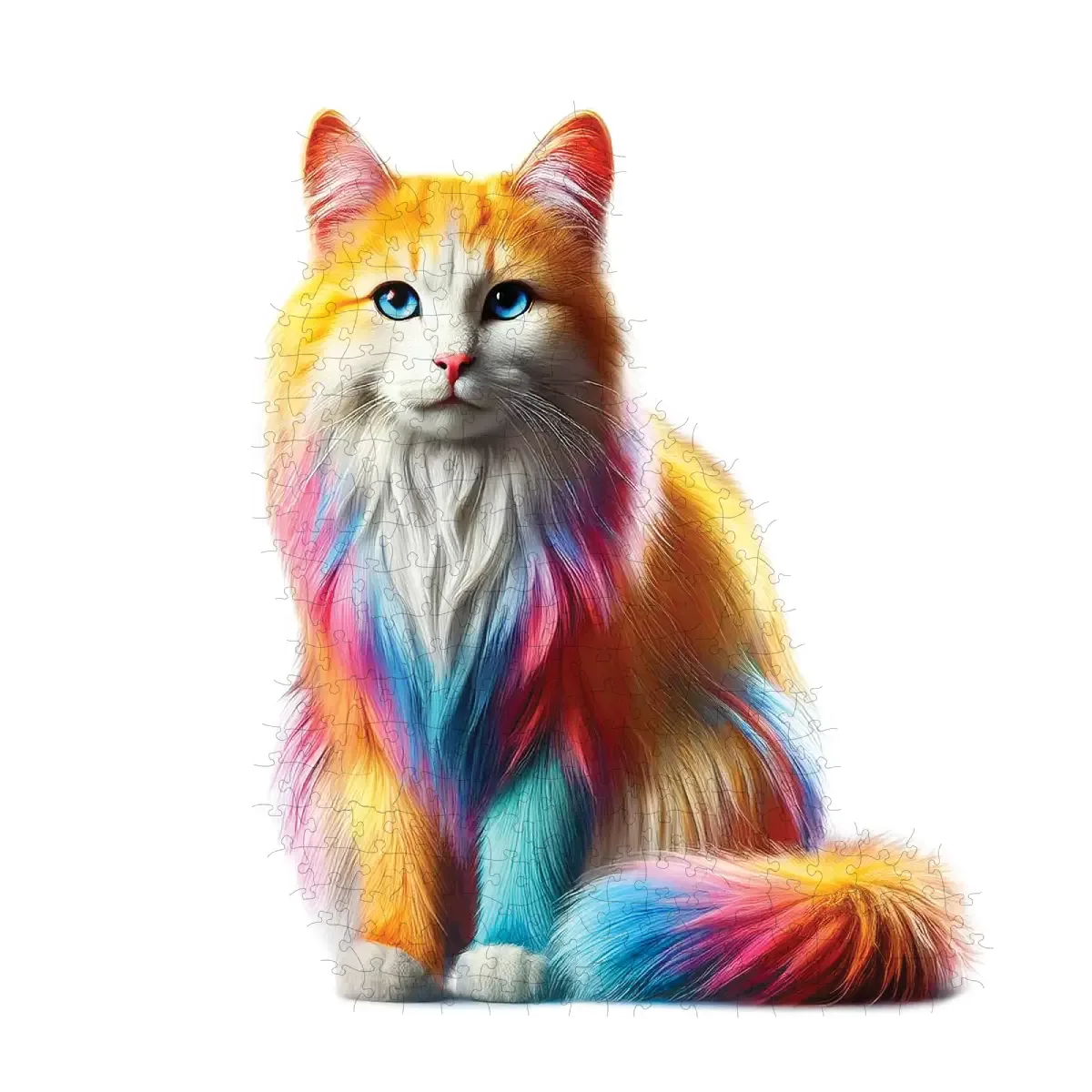
Dreamy Rainbow Cat 250 Wooden Puzzle
-
Fantasy Castle 1000 Wooden Puzzle: Fantasy Castle 1000 Wooden Puzzle combines intricate design and elegant craftsmanship, described as a piece of art that enriches any space with sophisticated charm. The higher piece count and detailed castle scene suit an experienced puzzler or an adult who enjoys a long-term project and wants a display-worthy finished piece.
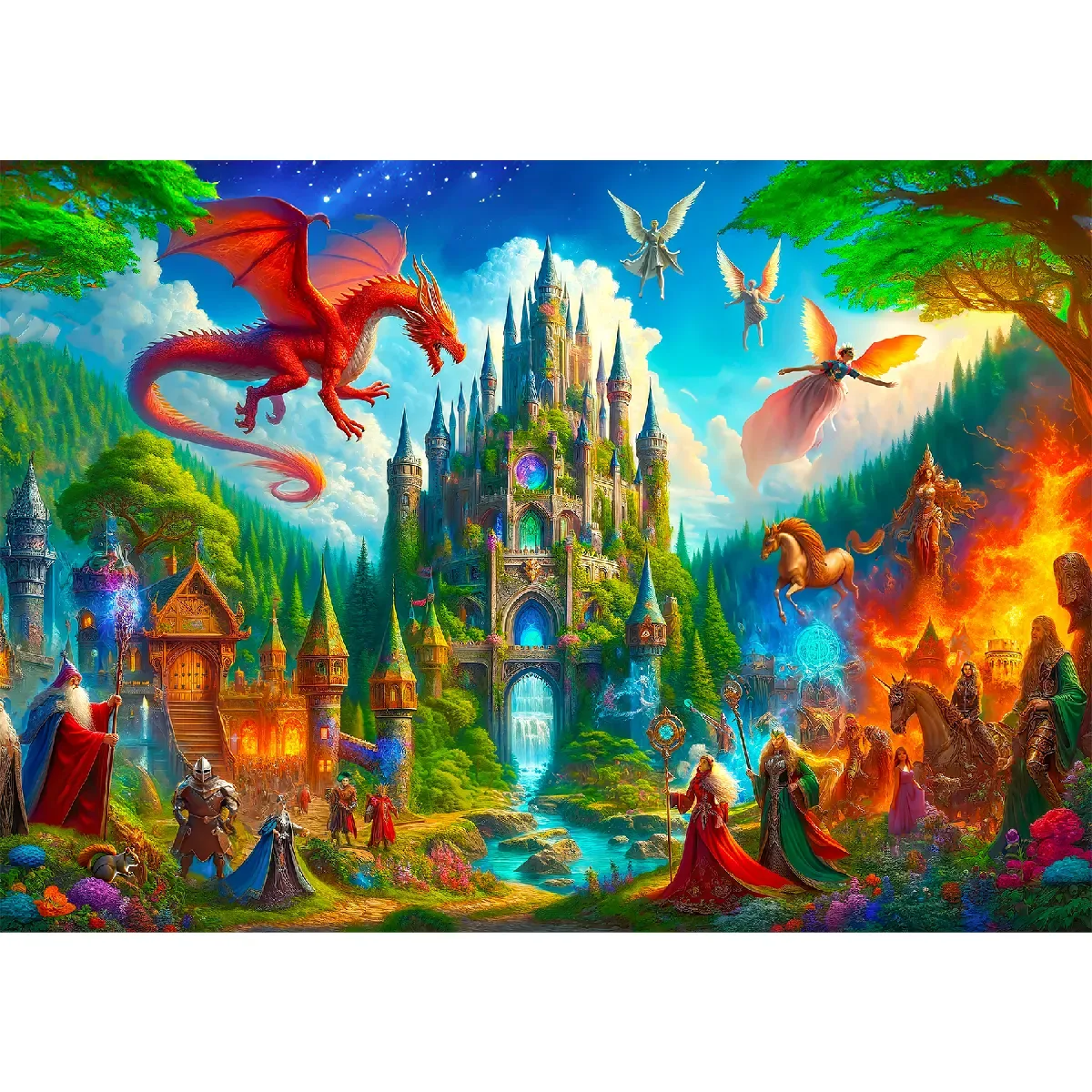
Fantasy Castle 1000 Wooden Puzzle
Who each option fits best
Best for
- A teen or casual adult solver who wants a relaxing, beautiful activity they can finish in one sitting
- An experienced puzzler or adult who enjoys a long-term project and wants a display-worthy finished piece
Not for
- Someone who dislikes puzzles or prefers fast, screen-based activities (consider a different gift category)
- A child under 12 who may find 250+ piece puzzles frustrating (see our age-specific guide instead)