Quick answer
For bike commuting, choose a yoga bag with a crossbody or backpack-style strap so the mat sits flat against your back and both hands stay on the bars. For train or bus commuting, a slim shoulder-strap bag that rolls tight and slides under a seat beats a wide tote. If you need one bag for both, prioritise a compact mat that rolls small and a bag with a wide, adjustable shoulder strap you can shorten for cycling.
Match the carry style to your commute
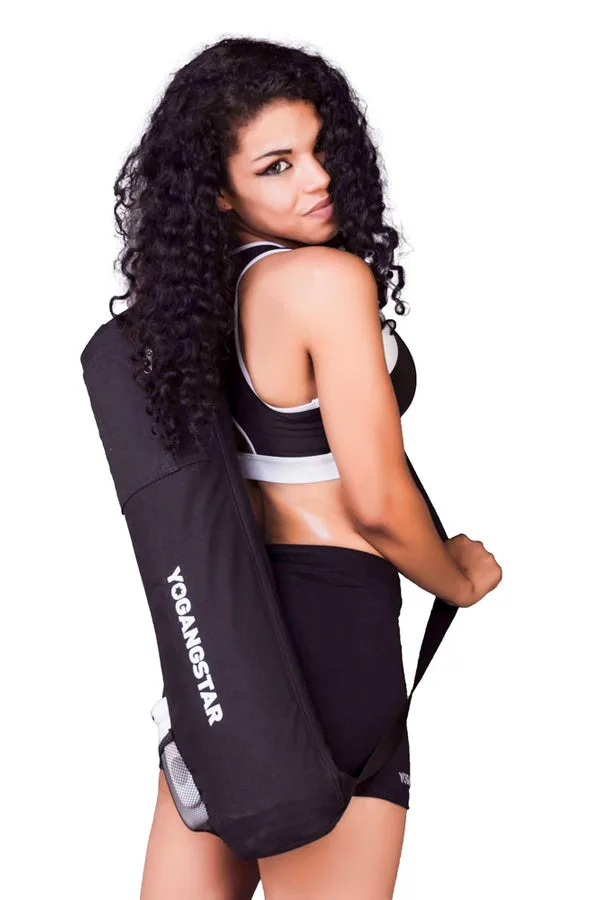
A yoga bag for commuting has one job: move your mat from home to class without fighting you on a bike rack or in a train doorway. The carry style decides almost everything else. Crossbody and backpack straps distribute weight across your torso and keep the bag from swinging, which matters when you are balancing on a bike or holding a rail. A single shoulder strap is easier to slide off in a crowded carriage, but it will slip off your shoulder if you try to cycle with it.
If your commute mixes modes, pick the bag that handles the most demanding leg. A crossbody strap worn short works for cycling and can be loosened for the train. A long shoulder strap that hangs at hip level is comfortable on a platform but will bounce against your leg on a bike.
Strap details that decide comfort
Strap width and padding matter more than most shoppers expect. A narrow webbing strap digs into your shoulder when the bag is loaded; a wider, padded strap spreads the load. Look for an adjustable strap you can cinch tight for cycling and release for walking. If the bag has a detachable strap, you can also thread it through a backpack or pannier handle for a secure ride.
Check where the strap attaches. Attachment points at the top of the bag keep the mat vertical and close to your body. Low attachment points let the bag sag and swing. For a yoga mat bag with straps, the attachment position is often the difference between a stable ride and a constant adjustment.
Size and roll-up: what fits on a train
A compact yoga bag is not just about the bag; it is about how small your mat rolls. A 1.5 mm base mat rolls much tighter than a thick 6 mm mat, and that difference decides whether the bag slides under a train seat or blocks the aisle. Travel-style mats with a suede top and natural rubber base are designed to fold or roll small, which suits commuters who need to store the bag in a locker or under a desk.
Measure your rolled mat before buying a bag. If the bag is much wider than the roll, the mat will shift and the bag will feel bulky. If it is too tight, you will fight the zip every time. A bag that matches the rolled diameter with a little room is the easiest to pack quickly at a station.
Weather and wear on a bike
Cycling exposes your bag to rain, road spray, and UV. A bag with a smooth, wipe-clean exterior and a simple closure is easier to live with than one with open mesh pockets that collect grit. If you ride in the rain, a bag that covers the mat completely keeps the surface dry, which matters because a damp suede top can feel slippery until it dries.
Also check how the bag closes. A drawstring or full-length zip is faster to use with cold hands than a series of buckles. Fewer openings mean fewer places for water to enter.
Decision rules for bike and train commuters
- Bike first, train second: Choose a crossbody or backpack-style yoga bag with a wide, adjustable strap you can shorten so the mat sits high and flat on your back. Avoid long single shoulder straps that swing into your wheel or leg. Test the strap length with your mat inside before you ride.
- Train or bus first, bike rarely: A slim shoulder-strap bag that rolls tight is easier to slide under a seat or hold on your lap. Prioritise a compact roll over padded straps, because you will carry it for short walks, not long rides. Measure your rolled mat and pick a bag that matches it closely.
- Mixed commute, one bag: Pick a bag with a detachable or convertible strap so you can wear it crossbody for the ride and shoulder-style on the platform. Pair it with a 1.5 mm-base mat that rolls small enough to fit under a seat. If the bag cannot convert, choose crossbody and loosen it for walking.
Compact mats that suit commuting bags
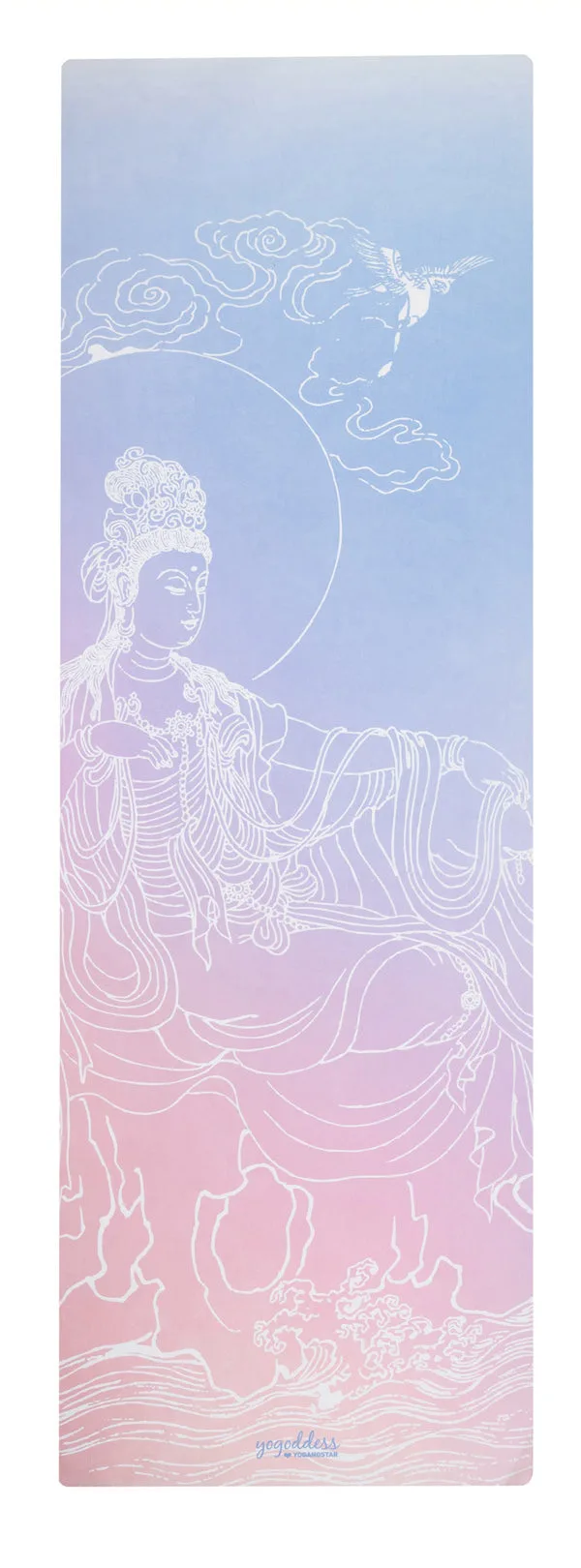
- Oriental Goddess Yoga Travel Mat + Free Yoga Bag: Weighs 1.75 kg with a luxurious suede towel top and a 1.5 mm base made from eco-friendly 100% natural tree rubber; machine washable. The thin base rolls small enough for a compact yoga bag, and the washable surface handles sweat and train grime without special cleaners.
- Sacred Geo Yoga Travel Mat + Free Yoga Bag: Weighs 1.75 kg with a non-slip suede towel top and a 1.5 mm natural tree rubber base; machine washable and simple to clean. A non-slip top gives you grip in hot yoga or a quick post-commute practice, while the light weight keeps your shoulder bag from feeling heavy on a train platform.
- Cosmic Goddess Yoga Travel Mat + Free Yoga Bag: Weighs 1.75 kg with a suede towel top and 1.5 mm natural tree rubber base; described as ideal for hot yoga, Bikram, and Pilates, and machine washable. If your commute ends at a hot studio, this mat's surface and thin profile suit both a sweaty class and a tight roll for the trip home.
- Seed of Life Yoga Travel Mat + Free Yoga Bag: Weighs 1.75 kg with a suede towel top and 1.5 mm natural tree rubber base; machine washable. The same compact, washable build in a different design, so you can choose the pattern you like without changing how the mat packs or carries.
Who this guide is for
Best for
- Cyclists who need a hands-free, stable carry and a mat that rolls tight
- Train and bus commuters who need a compact yoga bag that fits under a seat
- Commuters who practice hot yoga and need a washable, non-slip surface
Not for
- Practitioners who want a thick, cushioned mat for restorative floor work at home
- Commuters who carry a large mat and are unwilling to roll it tightly
- Anyone who prefers a wide tote bag and does not need hands-free carrying