Quick answer
Clean your backpack by hand in a bathtub or basin with cool water and a few drops of mild liquid soap, then air-dry it away from direct heat. Spot-clean small marks first, and only machine wash when the care label allows it. Never use bleach, fabric softener, or a dryer, because heat and harsh chemicals break down coatings, zippers, and padded foam.
A travel backpack collects more grime than you expect: sunscreen on the shoulder straps, road dust in the seams, crumbs in the laptop sleeve, and sweat along the back panel. Left alone, that buildup dulls the fabric and can stiffen zippers. A 20-minute hand wash every few months keeps it hygienic and looking new.
The method matters more than the frequency. Most backpacks are built with coated fabric, foam padding, and plastic hardware, and all three dislike hot water and harsh detergent. The steps below work for everyday bags and travel packs alike, with checkpoints so you do not damage the features you paid for.
Prep the bag before any water touches it
Empty every pocket, including the small hidden ones you forget about. Turn the bag upside down and shake it out over a bin, then run a vacuum hose or a lint roller through the interior to lift crumbs and sand. Close all zippers and buckle every strap so nothing snags or tangles while you work.
Check the care label and any tags before you commit to a wash method. If the label says spot clean only, respect it. Remove detachable items such as sternum straps, hip belts, or padded inserts if the design allows, and set them aside to clean separately.
- Photograph your bag's strap and buckle positions before disassembly so you can reassemble it correctly.
- A soft toothbrush reaches the grit that collects in zipper teeth and seam corners.
Spot-clean stains and hardware first
Mix a few drops of mild liquid soap in a bowl of cool water. Dip a microfiber cloth or soft brush, wring it out so it is damp rather than dripping, and work gently on visible marks. Test any cleaner on a hidden area first, especially on dark or coated fabrics where a strong product can leave a lighter patch.
Wipe zippers, buckles, and metal hardware with a barely damp cloth, then dry them immediately. Grit trapped in zipper teeth is a common cause of sticking, and a clean zipper is easier to lubricate later with a purpose-made zipper lubricant or a light rub of paraffin.
- Do not scrub printed logos or reflective trim, since abrasion dulls them faster than dirt does.
- Skip bleach, ammonia, and fabric softener entirely; they degrade coatings and water-repellent finishes.
Wash by hand unless the label says otherwise
Fill a bathtub or large basin with cool water and a small amount of mild soap. Submerge the backpack and use your hands or a soft brush to work the soapy water across the fabric, paying attention to the back panel, shoulder straps, and bottom, which carry the most contact grime. Keep the soak short, around 15 to 20 minutes.
If your care label permits machine washing, use a front-loading machine on a gentle cycle with cold water and place the bag inside a pillowcase or mesh laundry bag to protect straps and hardware. Top-loading machines with an agitator can bend frames and tear mesh, so hand washing remains the safer default for structured travel packs.
- Never wring or twist the bag to remove water; press it flat between two towels instead.
- If the bag has a laptop compartment, avoid soaking that panel longer than necessary to protect the padding.
Rinse thoroughly and dry in open air
Rinse with cool water until it runs clear and no suds remain. Soap residue left in the fabric attracts dirt and can leave a stiff, chalky feel once dry. Rinse the straps and the base twice, since those areas hold the most soap.
Reshape the bag, open every compartment, and hang or stand it in a ventilated spot away from direct sun and radiators. Heat warps coatings and can delaminate waterproof liners. If you must speed drying, point a fan at the open bag rather than using a hair dryer. Let it dry completely, inside and out, before storing it.
- Stuff the bag lightly with clean towels to hold its shape while drying, then remove them once the fabric is dry.
- Never store a damp backpack in a closet; trapped moisture causes odor and mildew.
Keep it looking new between washes
Backpack care tips matter most in the weeks between deep cleans. Empty the bag weekly, wipe the interior with a dry cloth, and shake out debris. Rotate how you carry the bag so one strap does not absorb all the wear, and tighten loose straps so they do not drag on the ground.
Store the backpack clean and dry, loosely filled if it is structured, and away from heavy items that can crease the fabric. For travel, use a luggage cover or pack the bag inside a larger case so it does not pick up scuffs in transit. Small habits like these stretch the life of the bag far more than any single wash.
- Reapply a fabric-specific water-repellent spray only when the care label allows it, and test on a hidden area first.
- Treat fresh stains the same day; dried stains need more agitation, which wears the fabric.
Your backpack cleaning routine, step by step
- Empty and inspect: Remove everything from every pocket, shake out debris, close all zippers, and read the care label before getting the bag wet. Checkpoint: if the label says spot clean only, stop here and spot clean instead of soaking.
- Spot-clean marks and hardware: Use a damp cloth with a few drops of mild soap on visible stains, then wipe zippers and buckles and dry them right away. Common mistake: scrubbing too hard on logos or coated fabric and dulling the finish.
- Hand wash in cool water: Soak the bag for 15 to 20 minutes in cool water with mild soap, working the straps, back panel, and base with your hands or a soft brush. Checkpoint: machine wash only if the care label allows, and use a front loader on gentle with the bag in a pillowcase.
- Rinse until the water runs clear: Rinse twice, focusing on straps and the base where soap collects, and press out excess water between towels instead of wringing. Common mistake: leaving soap residue, which attracts dirt and stiffens fabric.
- Air-dry completely: Reshape the bag, open all compartments, and dry it in a ventilated spot away from sun and radiators, using a fan if you need speed. Checkpoint: do not store or pack the bag until it is dry inside and out.
- Maintain between washes: Empty and wipe the bag weekly, tighten loose straps, and store it clean, dry, and loosely filled. Next step: treat new stains the same day and reapply water-repellent spray only if the care label permits.
Bags that reward careful cleaning
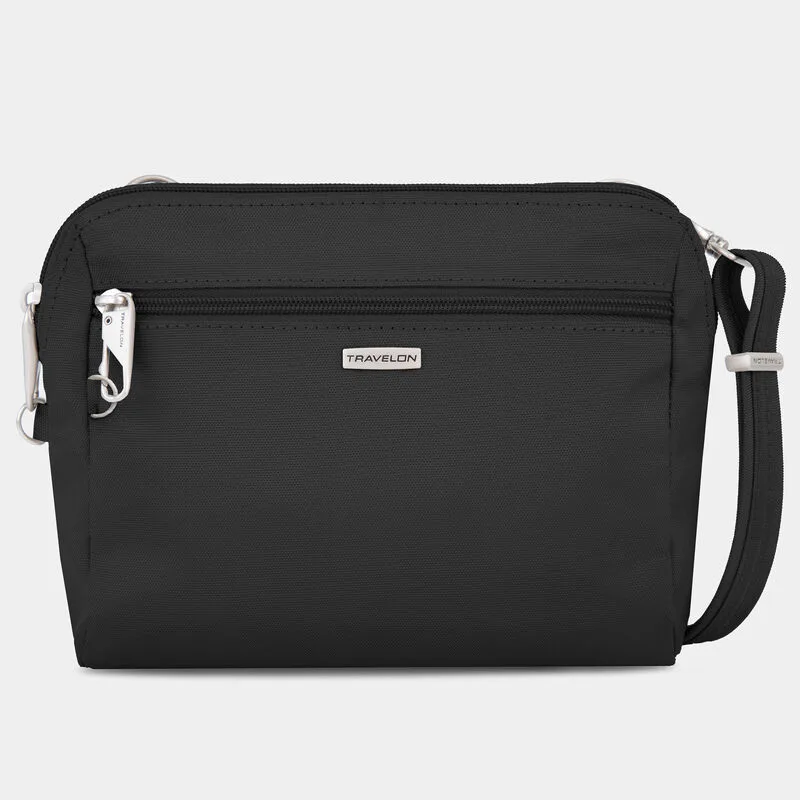
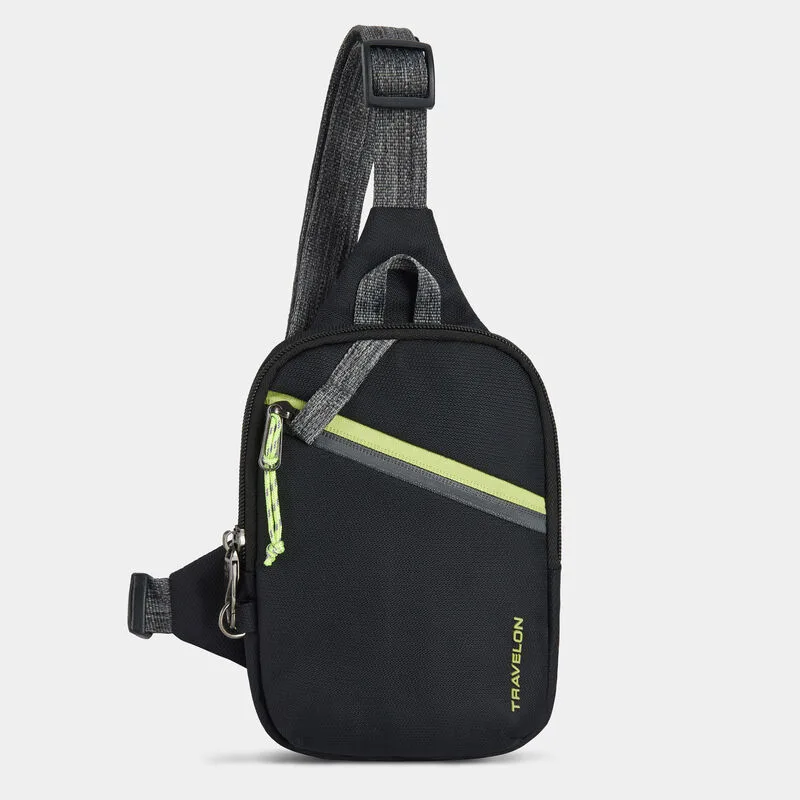
- Anti-Theft Greenlander Compact Sling: Made of recycled materials that are GRS certified, which ensures they meet ISO standards and that no chemicals with potential for harm are used. Certified recycled fabric still needs gentle care, so stick to cool water and mild soap to protect the material and any anti-theft hardware.
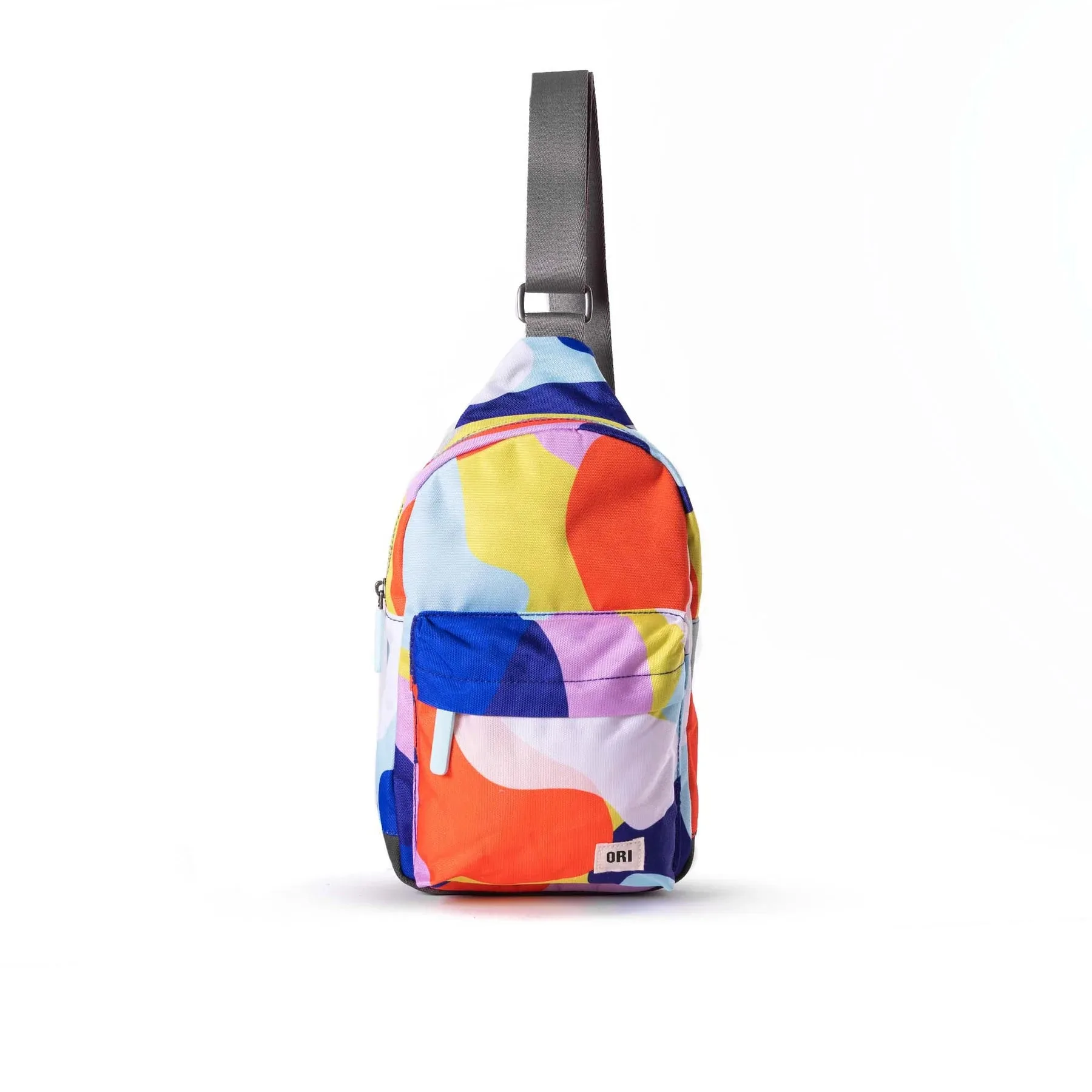
- WILLESDEN SLING BAG from ORI London Bag Company: Offered in Black with a Nylon material option, and tagged with recycled materials. Nylon dries quickly but can hold odors, so air-dry it fully and avoid heat that dulls the finish.
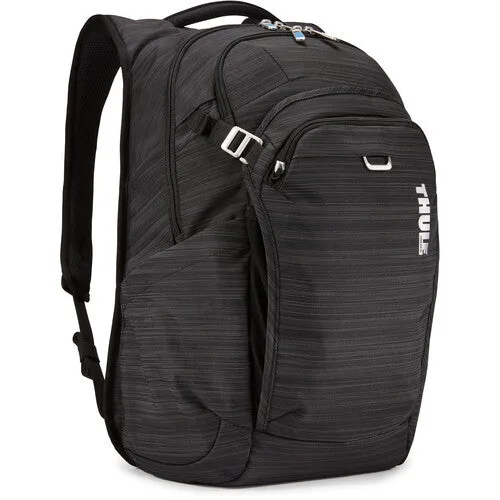
- Thule-Construct laptop backpack 24L: Protects a laptop up to 15.6" in an elevated, padded pocket and a tablet up to 10.5" in a dedicated soft-lined pocket. Padded, soft-lined electronics pockets should never be soaked or machine washed aggressively, since foam and lining lose shape when saturated.
- Classic Convertible Crossbody and Waist Pack: Lightweight, durable polyester is water and dirt resistant. Water- and dirt-resistant polyester wipes clean easily, so start with spot cleaning before committing to a full wash.
A backpack lasts longer when you clean it gently and dry it patiently. Follow these steps a few times a year, spot-clean in between, and your travel bag will keep its shape, color, and hardware working trip after trip.