Quick answer
Empty the duffel completely, shake out loose debris, spot-clean stains with mild soap, and wipe the interior with a damp cloth. If the care label allows, hand wash in cool water, then air-dry fully away from direct heat. Address odors at the source with baking soda or a vinegar wipe, and never put a structured duffel in a washing machine unless the manufacturer explicitly says it is safe.
A duffel bag takes a beating on every trip: it gets tossed into overhead bins, shoved under seats, dropped on locker-room floors, and stuffed with dirty laundry. That mix of dirt, sweat, and crumbs turns into odors and stains fast if you ignore it. The good news is that most duffels clean up in about 20 minutes with supplies you already own.
This guide walks through a complete post-trip cleaning routine, from the first empty-out to the final dry. It also covers what not to do, so you avoid warping a structured bag or ruining a water-resistant coating. Whether you use your duffel for travel or as a gym bag, the same sequence works.
Empty, shake, and inspect before you clean
Start by turning every pocket inside out. Remove receipts, wrappers, hair ties, and any small items that could scratch the lining during cleaning. Shake the bag upside down over a trash can to release sand, crumbs, and loose dirt. Then run your hands along the seams and bottom panel to feel for sticky residue or damp spots you might have missed.
Check the care label before you introduce any water or cleaner. If the label says spot clean only, stick to that. If it lists a specific temperature or prohibits machine washing, follow it. A quick inspection now prevents you from setting a stain with hot water or shrinking a lining that was never meant to get soaked.
- Turn pockets inside out and check every zipper pull and crevice.
- Shake outside or over a bin so debris does not land back in the bag.
Pre-treat stains and spots with mild soap
Mix a few drops of mild liquid soap with cool water. Dip a soft cloth or soft-bristled brush into the solution and work it gently into each stain, moving from the outside edges toward the center. This stops the stain from spreading. For greasy marks, let the soap sit for a minute or two before blotting. Do not scrub aggressively, especially on coated nylon or polyester, because friction can dull the finish.
Rinse the cloth and wipe away the soap residue with clean water. If the stain remains, repeat once. Avoid bleach, chlorine, and harsh solvents unless the care label specifically allows them. Those chemicals can break down water-resistant coatings and weaken stitching over time.
- Test any cleaner on a hidden area first, like inside a pocket.
- Blot, do not rub, when you are lifting a fresh stain.
Wipe the interior and let it breathe
The inside of a duffel holds odors longer than the outside because air does not circulate there. Wipe the lining with a damp cloth and a little mild soap, then wipe again with plain water. If the interior smells musty, sprinkle baking soda across the bottom, let it sit for a few hours or overnight, then vacuum or shake it out. For stronger odors, a 50/50 mix of white vinegar and water on a cloth can neutralize smells without leaving a heavy perfume.
Leave all pockets and the main compartment open while the bag dries. Stuffing a slightly damp duffel into a closet traps moisture and encourages mildew. A few hours of open air in a shaded, ventilated spot usually does the job.
- Baking soda is safe for most linings and rinses away easily.
- Never seal a duffel in a plastic bin until it is completely dry.
Hand wash only when the care label allows it
If your duffel is soft-sided and the label permits hand washing, fill a tub or sink with cool water and a small amount of mild detergent. Submerge the bag, gently knead it, and use a soft brush on stubborn areas. Do not wring or twist the bag, because that can distort its shape and stress the seams. Rinse thoroughly until the water runs clear.
Skip the washing machine for structured or wheeled duffels, and for any bag with a rigid frame, leather trim, or a coated water-resistant finish. The agitator can bend frames, crack coatings, and tangle straps. If you are unsure, spot cleaning is always the safer choice. A duffel that is labeled machine washable is the exception, but even then, use a gentle cycle and cold water.
- Never put a rolling duffel or a framed duffel in a washing machine.
- Rinse until no soap bubbles remain, or residue will attract dirt.
Dry completely, inside and out
Air-drying is the only safe method for most duffels. Hang the bag or lay it flat in a well-ventilated area away from direct sunlight and radiators. Sun and high heat can fade colors, weaken synthetic fabrics, and warp hardware. Turn the bag occasionally so air reaches the bottom and the inside of every pocket. If you can, open the main zipper wide and prop the bag so the interior is exposed.
A fan pointed at the bag speeds drying without adding heat. Do not use a hair dryer on a high setting, and never put a duffel in a dryer unless the care label explicitly says it is safe. Most duffels take several hours to a full day to dry, depending on humidity and lining thickness.
- Hang the duffel upside down for the first hour to drain any trapped water.
- Feel the seams and the bottom panel before you call it dry.
Refresh straps, zippers, and hardware
While the main body dries, give the straps and zippers attention. Wipe webbing straps with a damp cloth and mild soap, then let them air-dry. For zippers, use a soft brush or an old toothbrush to clear grit from the teeth. A dry silicone lubricant or a zipper wax can keep them gliding smoothly, but check the manufacturer's guidance first. Metal hardware benefits from a quick wipe and a dry cloth to prevent spotting.
Do not soak leather trim or leather handles. Leather needs a different routine: wipe with a barely damp cloth, then condition according to the leather type. If your duffel mixes leather and fabric, clean the fabric first and keep water away from the leather as much as possible.
- A dry toothbrush is excellent for clearing zipper teeth.
- Keep leather trim away from soaking water and harsh cleaners.
Store it clean so the next trip starts fresh
Once the duffel is completely dry, store it in a cool, dry place with a little breathing room. Do not compress it under heavy luggage or fold it tightly for months, because creases can become permanent. If you use the duffel as a gym bag, empty it after every workout and wipe the interior with a damp cloth weekly. That small habit prevents the sweat-and-laundry smell that builds up over time.
For long-term storage, place a dryer sheet or a small sachet of baking soda inside to absorb lingering odors, but keep it away from direct contact with the lining. Check the bag every few months. A duffel that stays clean and dry will last through many trips and look better when you pull it out at the airport.
- Store duffels open or loosely stuffed, not flattened under other bags.
- Refresh odor absorbers every few months during long storage.
Your post-trip duffel cleaning steps
- Empty every pocket and shake out debris: Turn pockets inside out, remove loose items, and shake the duffel over a trash can. Check seams and the bottom panel for damp spots or sticky residue. Common mistake: skipping the small pockets, which then hold crumbs and odor.
- Check the care label before using water: Read the label for cleaning restrictions. If it says spot clean only, do not submerge the bag. If machine washing is prohibited, hand washing or wiping is your limit. Checkpoint: if there is no label, treat the bag as spot clean only.
- Pre-treat stains with mild soap and cool water: Work from the outside of the stain toward the center with a soft cloth or brush. Let the soap sit briefly, then blot and rinse with a clean damp cloth. Common mistake: scrubbing hard, which can dull coatings and spread the stain.
- Wipe the interior and neutralize odors: Wipe the lining with mild soap and water, then wipe again with plain water. For odors, use baking soda or a diluted white vinegar wipe, and let it air out. Checkpoint: the interior should smell neutral, not perfumed, before you close it up.
- Hand wash only if the label allows it: Use cool water and mild detergent in a tub, knead gently, and rinse until clear. Never wring or twist the bag. Skip the washing machine for framed, wheeled, or coated duffels. Common mistake: machine washing a structured duffel and warping its frame.
- Air-dry completely away from heat: Hang or lay the duffel flat in a ventilated, shaded area. Open all zippers and turn the bag so air reaches every pocket. Use a fan if needed, but no direct sun or high heat. Checkpoint: seams and the bottom panel must be dry to the touch before storage.
- Refresh straps, zippers, and hardware: Wipe webbing with a damp cloth, clear zipper teeth with a soft brush, and dry metal hardware. Keep leather trim away from soaking water and condition it separately. Common mistake: soaking leather handles, which can crack or stain the material.
Duffel care in context: what to know about your travel bag
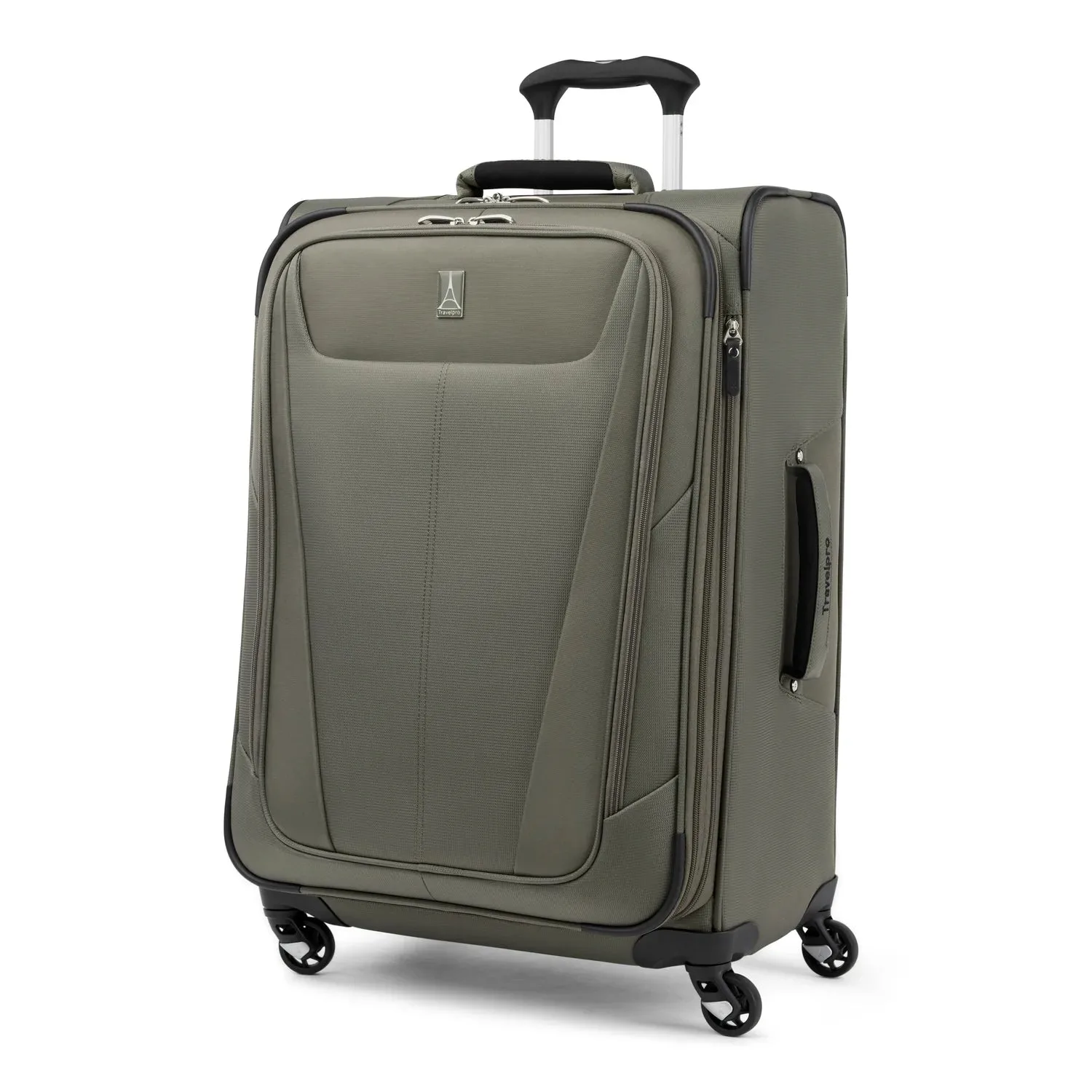
- Maxlite® 5 Medium Check-In Spinner: This soft-sided spinner is designed to be extremely light yet strong, with a focus on letting you carry more without adding bag weight. Lightweight soft-sided luggage often needs gentler cleaning than hard cases. Spot cleaning and air-drying protect the fabric and coating, while machine washing or harsh scrubbing can compromise the material.
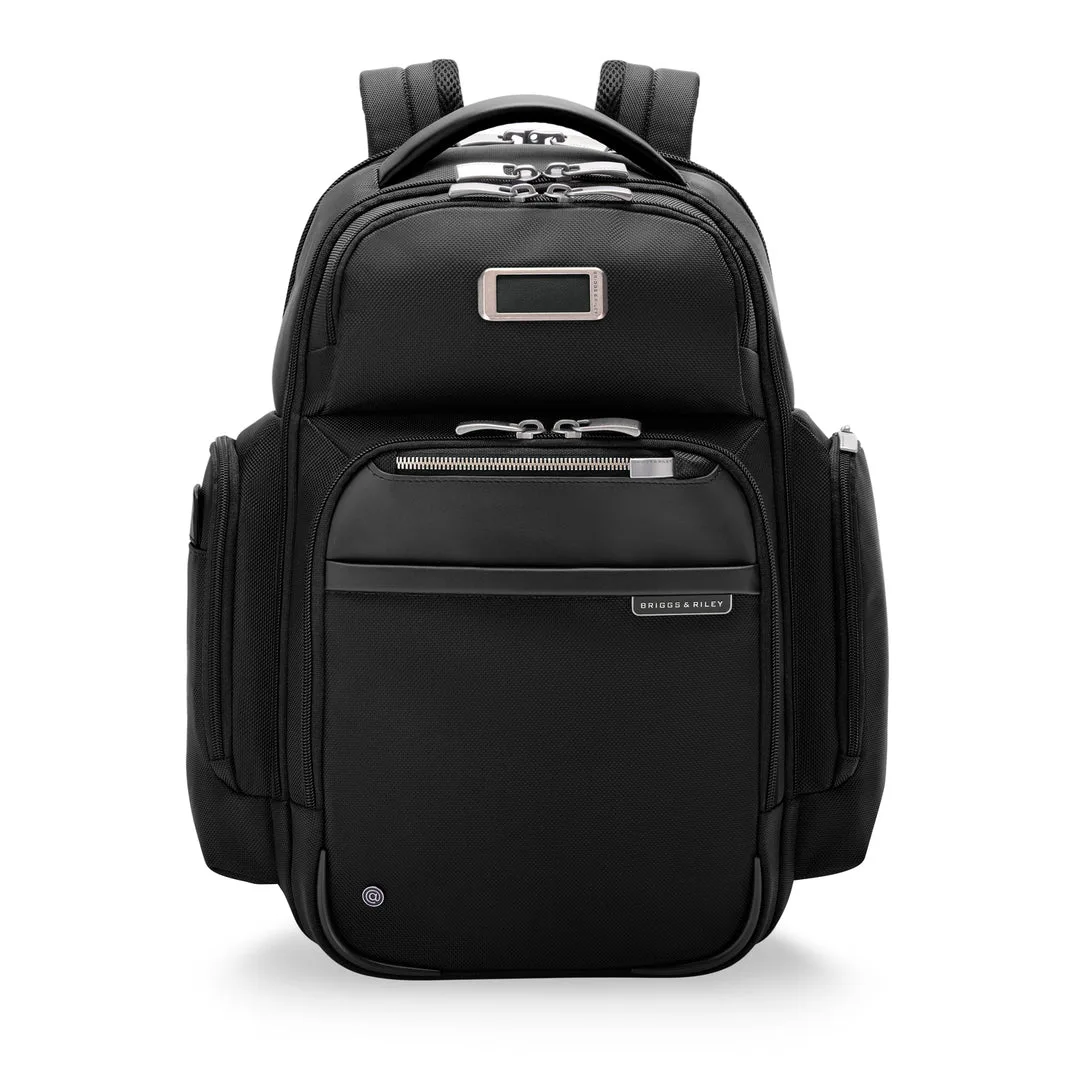
- @Work Medium Cargo Backpack (2024): It has a three-section design with a suite of pockets, premium padding, and aeration for comfort, and fits up to 15-inch laptops. Bags with multiple compartments and padded sections trap crumbs and odors in more places. When cleaning a travel bag like this, open every pocket and wipe the padded areas so nothing stays damp or smelly.
Cleaning a duffel bag after a trip does not require special products or a lot of time. Empty it, spot-clean stains, wipe the interior, and let it air-dry fully. Follow the care label, avoid machine washing structured bags, and store the duffel open and dry. That routine keeps your travel duffel fresh, protects its materials, and means it is ready to pack the moment your next trip comes up.