Quick answer
Rinse and wash all parts that contact milk in hot soapy water right after each use, then air-dry on a clean towel. For deep sanitation, boil or steam-sterile the parts weekly, or more often if your baby is under 3 months or was born prematurely.
Why proper cleaning matters for your Ameda pump
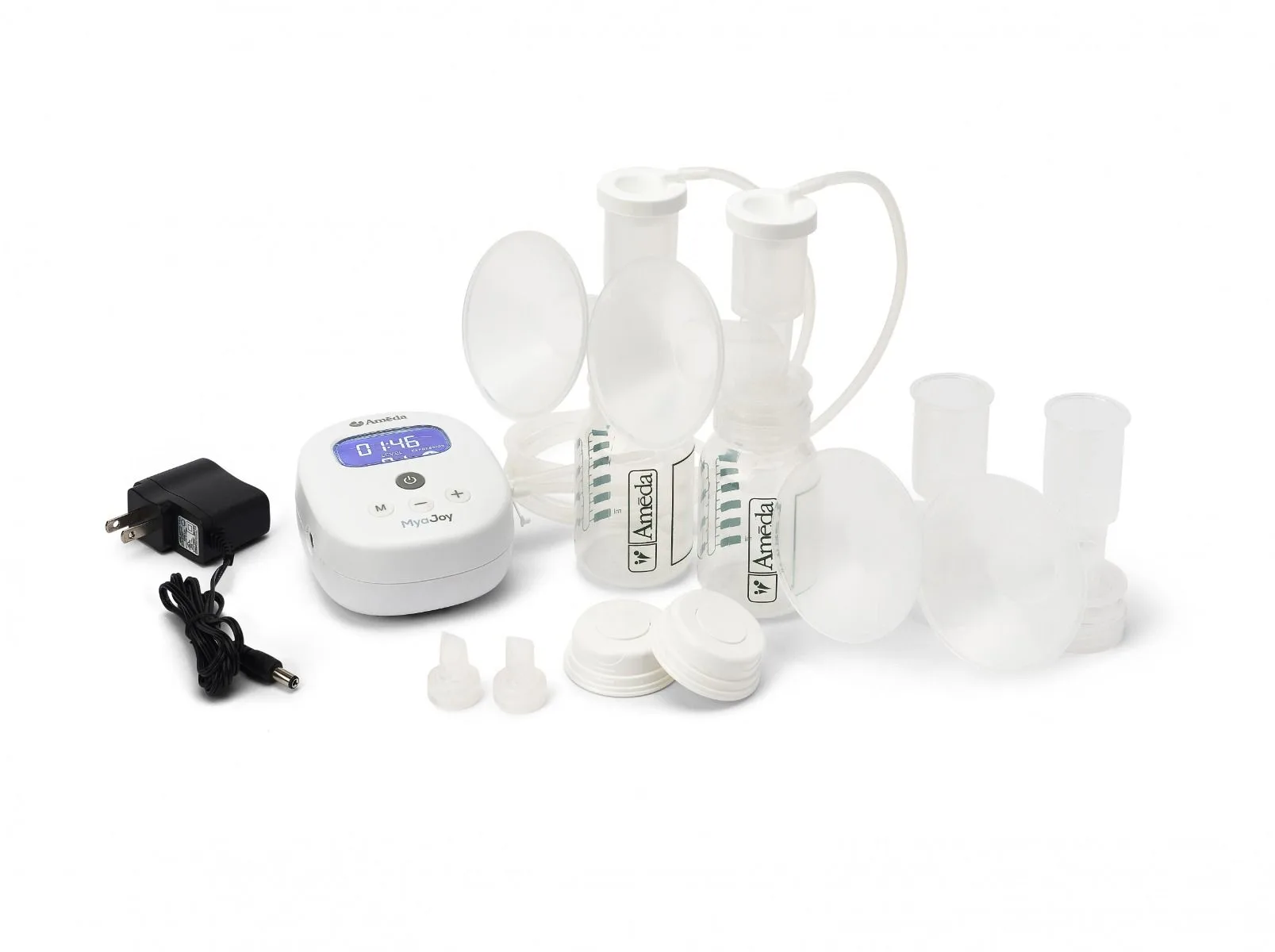
Breast milk residue can clog valves and reduce suction, making pumping less efficient. The Ameda HygieniKit system uses a protective barrier to keep milk from reaching the tubing, but the valves, flanges, and collection containers still need thorough cleaning after every use. Skipping steps or using harsh cleaners can damage the silicone parts and shorten their lifespan.
Ameda recommends replacing silicone valves and membranes regularly — the HygieniKit Silicone Replacement Valves (2 Count) are designed to preserve pump suction while allowing milk to flow. Keeping them clean helps them last longer and perform consistently.
Step-by-step cleaning process for Ameda pump parts
- Disassemble all parts immediately after pumping: Separate the flange, valve, membrane, collection bottle, and any connectors. Remove the protective barrier if you use the HygieniKit system. Leaving milk to dry inside parts makes cleaning harder and can breed bacteria. Checkpoint: Make sure the tiny valve membrane is separated from the valve body — milk fat hides in that gap.
- Rinse with cool water first, then wash in hot soapy water: Rinse each part under cool running water to remove surface milk. Then wash with hot water and a mild, fragrance-free dish soap using a dedicated bottle brush. Avoid antibacterial soaps — they can leave residues that irritate baby's mouth. Common mistake: Using a sponge that has touched raw meat or other foods. Use a brush reserved only for pump parts.
- Rinse thoroughly and air-dry on a clean surface: Rinse all parts under hot running water to remove all soap residue. Place them on a clean, unused dish towel or drying rack in a well-ventilated area. Do not use a kitchen towel to dry them — that can transfer germs. Checkpoint: Parts must be completely dry before reassembly. Moisture inside the valve can cause mold growth.
- Sanitize weekly (or daily for newborns): Boil parts in water for 5 minutes, use a steam sterilizer, or run them through the dishwasher on a hot-water cycle with a heated dry setting. Silicone parts can withstand boiling, but check your user manual for specific time limits. Common mistake: Over-boiling can warp silicone valves. Set a timer and remove parts promptly.
- Inspect parts for wear and replace as needed: Check valves, membranes, and flanges for cracks, stretching, or discoloration. If the valve doesn't snap back into shape or the membrane doesn't seal flat, it's time to replace them. Ameda recommends replacing silicone valves every 2-3 months with regular use. Checkpoint: If you notice a drop in suction, inspect the valve first — a worn valve is the most common cause.
Parts you'll need to maintain
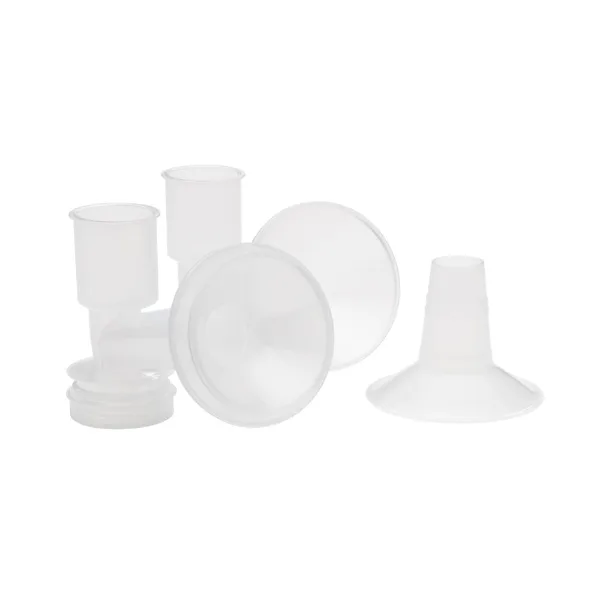
- Ameda HygieniKit Silicone Replacement Valves, 2 Count: The HygieniKit valves are Ameda breast pump parts designed to preserve pump suction while allowing milk to flow into a milk storage bag, bottle, or other collection containers. Ameda valves are compatible with several of Ameda's hospital-strength personal pumps and multi-user breast pumps, which use the Ameda HygieniKit Milk Collection System. These valves are the most delicate part of the system. Proper cleaning prevents milk fat from clogging the tiny openings, which would reduce suction and make pumping less effective.
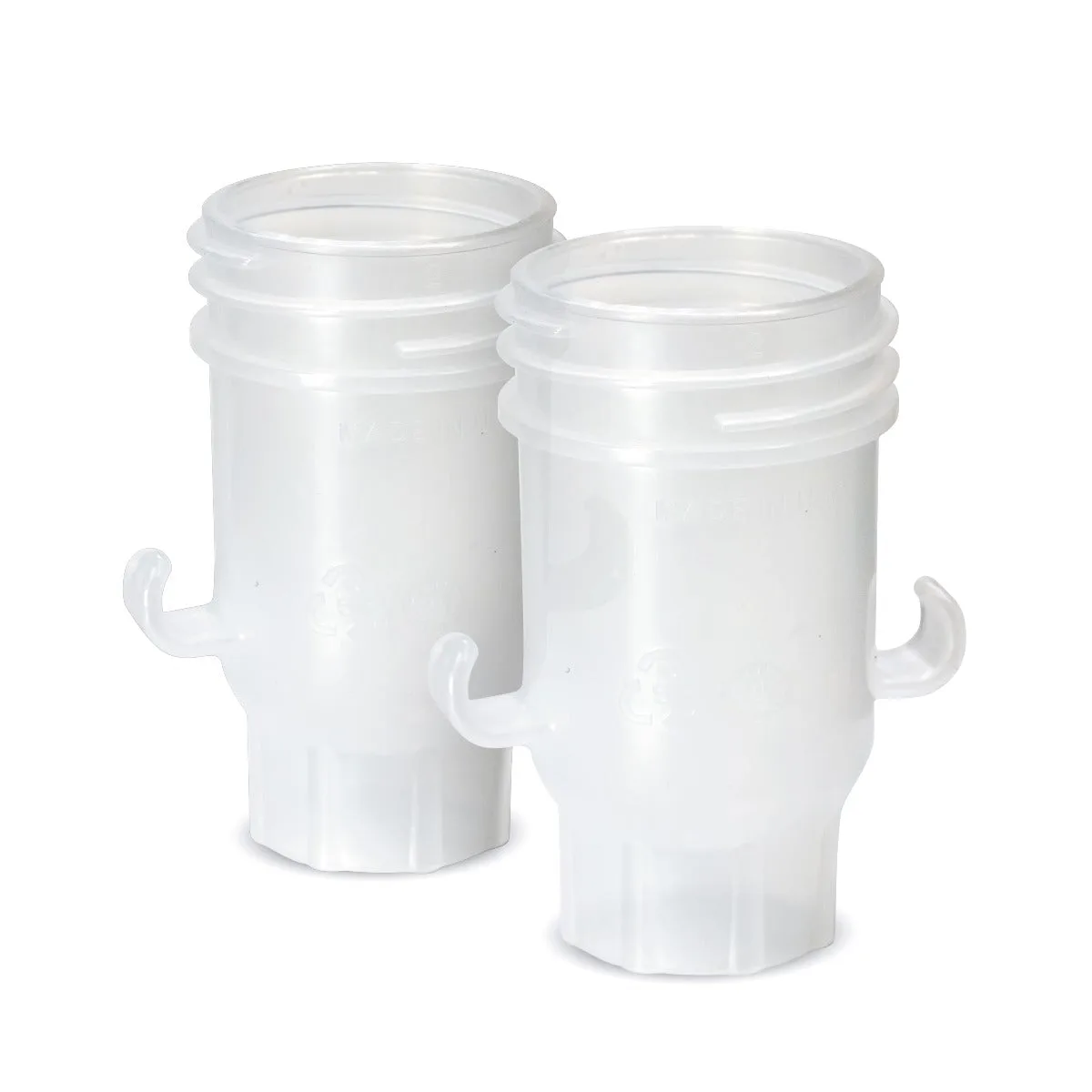
- Ameda HygieniKit® Spare Parts Kit for Breast Pump: Spare Parts Kit for Ameda HygieniKit Milk Collection Systems. Our milk collection system features the world's only FDA-cleared patented protective barrier that protects the breast milk, kit tubing and pump from potential contaminants like bacteria and viruses while pumping. Having a complete spare parts kit on hand means you can rotate parts while one set dries, and replace worn components before they affect pump performance.
- Ameda Custom Fit Kits: The Ameda CustomFit Breast Pump Flange Kit helps make breast pumping comfortable and helps mom pump more milk when the fit is just right. The breast flange is the funnel shaped piece that cups your breast. A good fit is important! Make sure your breast flange is not too small or too large. Flanges that don't fit properly can cause discomfort and reduce milk output. Cleaning them correctly keeps the silicone soft and pliable, so the seal stays effective.