Quick answer
To clean a memory foam mattress, spot-clean stains with a mild detergent and water, then blot dry. Vacuum the surface monthly to remove dust and allergens. Always use a mattress protector to prevent deep stains and moisture damage.
Why memory foam needs special care
Memory foam is sensitive to moisture and harsh chemicals. Unlike innerspring mattresses, the foam structure can trap liquid, leading to mold or breakdown. That's why you should never soak a memory foam mattress or use bleach, ammonia, or steam cleaners. Gentle, dry methods work best.
Daily habits that protect your mattress
A mattress protector is your first defense. It blocks spills, dust mites, and sweat from reaching the foam. Rotate your mattress every three to six months to prevent uneven wear. Keep pets off the bed, and wash your sheets weekly to reduce dirt transfer.
Step-by-step memory foam mattress cleaning routine
- 1. Strip the bed and vacuum the mattress: Remove all bedding and use the upholstery attachment on your vacuum. Gently vacuum the entire surface, paying extra attention to seams and crevices where dust and dead skin collect. Common mistake: using a beater bar. Stick to a soft brush or upholstery tool to avoid damaging the foam.
- 2. Spot-clean stains immediately: Mix a few drops of mild dish soap with cool water. Dip a clean white cloth into the solution, wring it out until damp (not wet), and blot the stain. Work from the outside in to avoid spreading. Blot with a dry cloth to absorb moisture. Checkpoint: never rub or scrub. Rubbing pushes the stain deeper into the foam. Always blot gently.
- 3. Deodorize with baking soda: Sprinkle a thin, even layer of baking soda over the entire mattress. Let it sit for at least 30 minutes (longer for odors). Vacuum up all the baking soda using the upholstery attachment. Common mistake: leaving baking soda on too long in high humidity. It can absorb moisture and clump. Stick to 30-60 minutes in a dry room.
- 4. Dry the mattress completely: Open windows or use a fan to circulate air over the mattress. If possible, stand the mattress on its side to allow airflow underneath. Wait until every damp spot feels dry to the touch before putting sheets back on. Checkpoint: do not use a hair dryer or heater. Direct heat can melt or warp memory foam. Air drying is safest.
- 5. Protect with a mattress cover: Once the mattress is fully dry, put on a waterproof, breathable mattress protector. This prevents future stains and keeps dust mites out. Wash the protector every few months per the label instructions. Common mistake: using a cheap plastic cover that traps heat. Look for a breathable, stretch-knit protector designed for memory foam.
Products that help you care for your space
- Galtbury Bookcase: The Galtbury Bookcase features 5 fixed distressed wooden shelves and a bronze-tone metal frame, ideal for displaying books and decor. A sturdy bookcase keeps your bedroom organized and reduces clutter that can trap dust and allergens near your mattress.
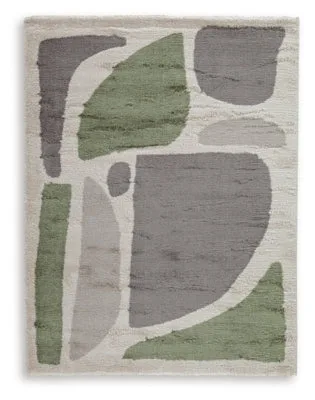
- Anburgh Large Rug: The Anburgh Large Rug has a deep shag and an abstract pattern, made from fabric with a contemporary style. A soft rug beside your bed gives you a clean, warm surface to step onto each morning, and it's easy to vacuum regularly to keep dust down.
- Ciabori Counter Height Barstool: The Ciabori Counter Height Barstool has a retro-inspired bucket design with a contoured faux leather seat and a goldtone frame. A comfortable barstool in your kitchen or breakfast area gives you a dedicated spot to eat, keeping crumbs and spills off your mattress.