Quick answer
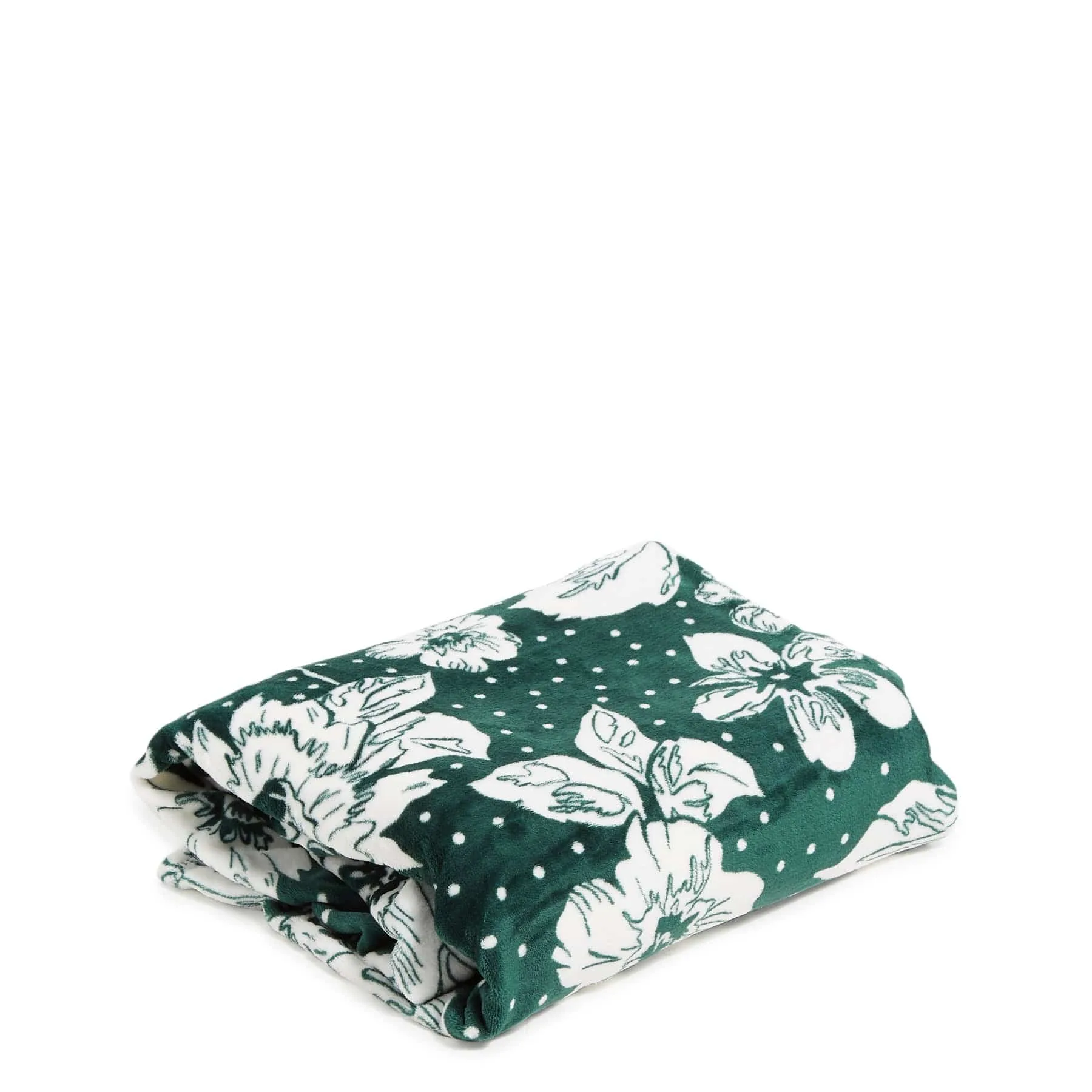
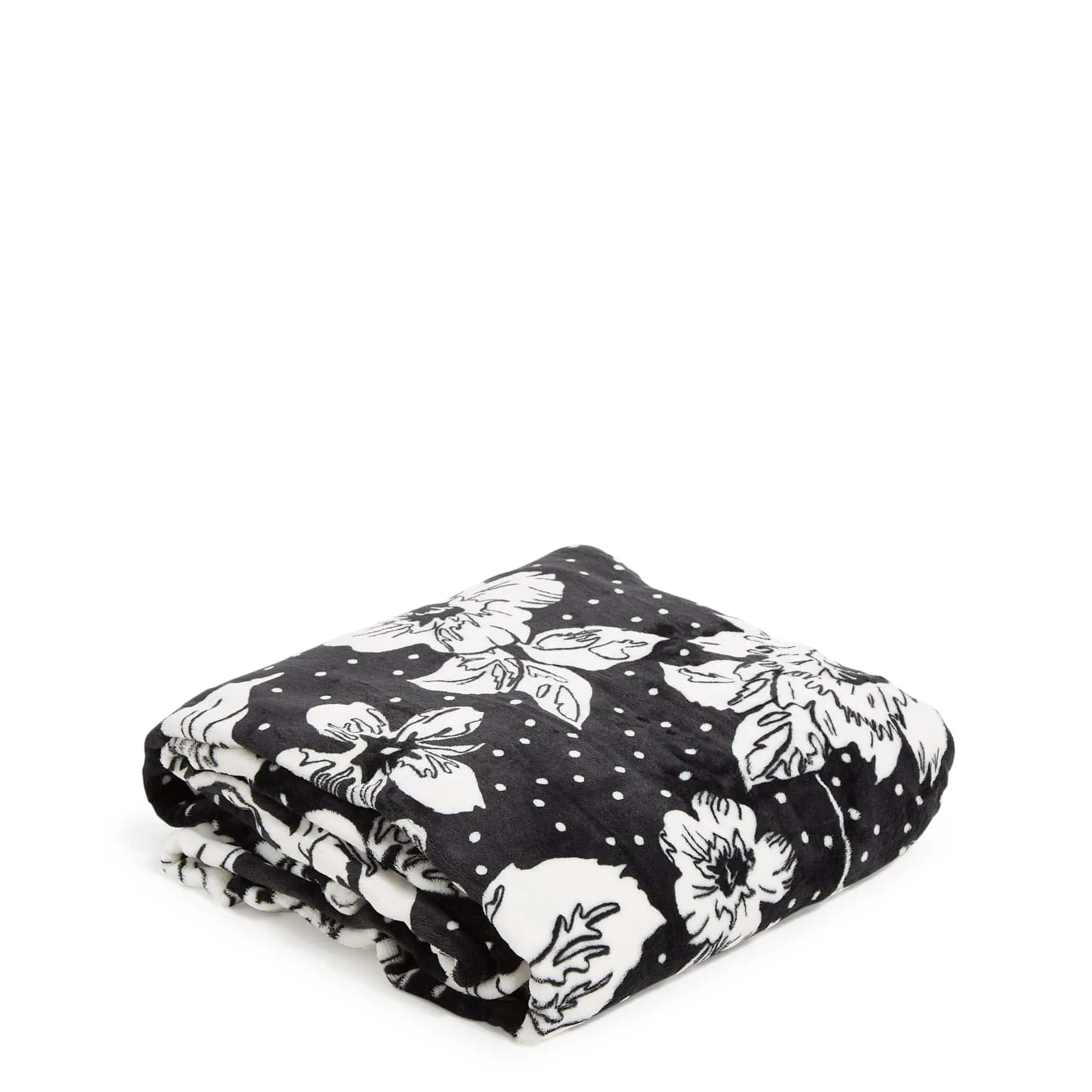
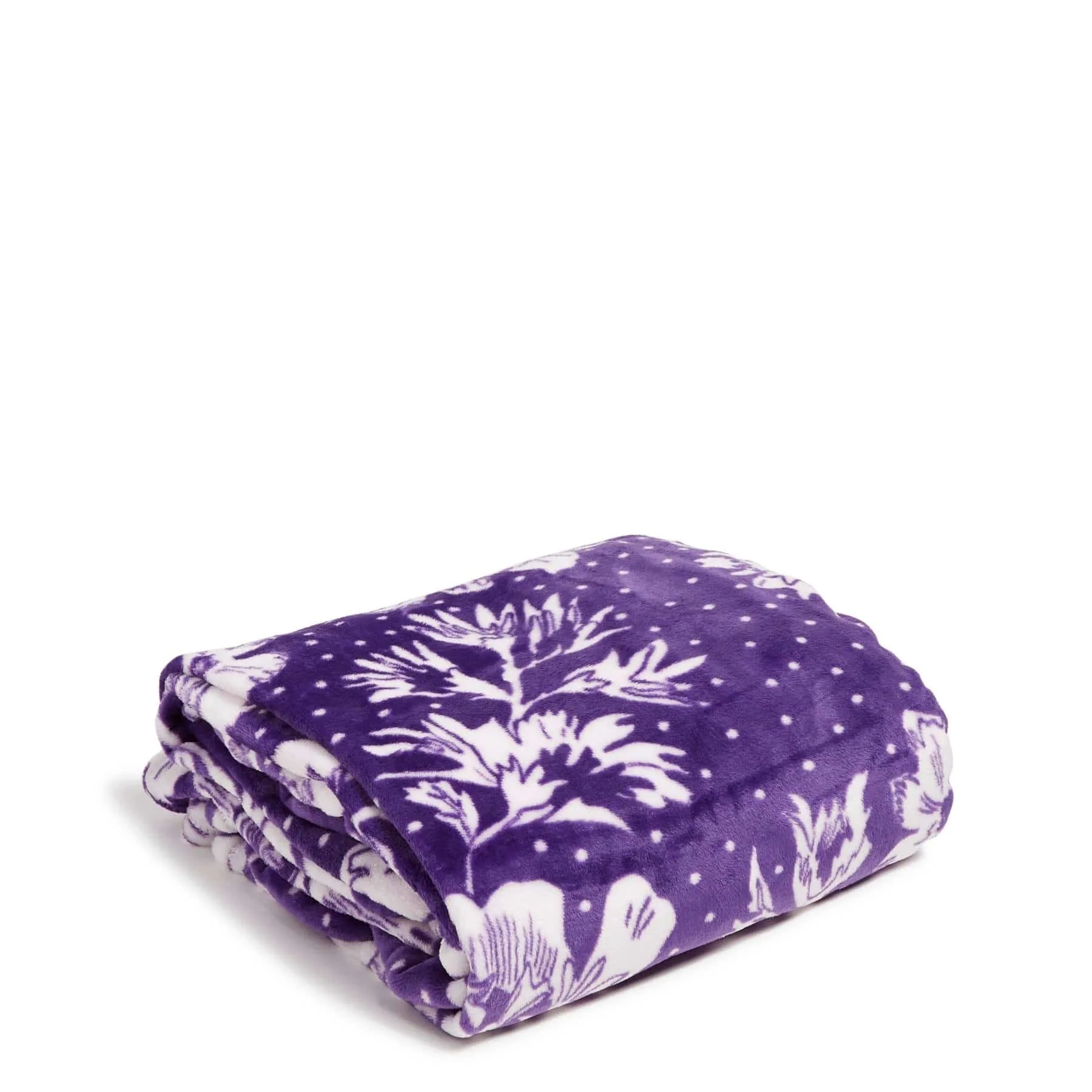
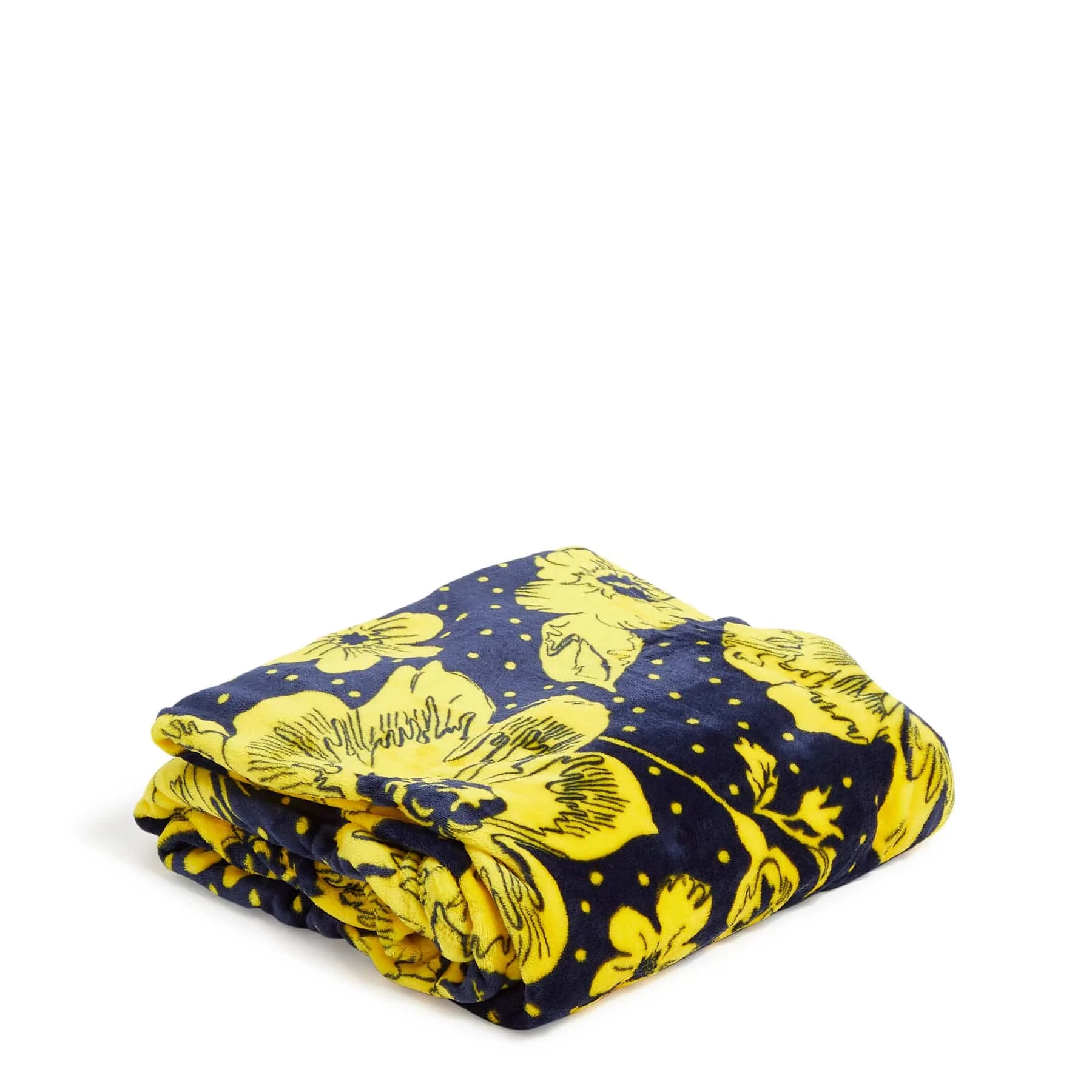
Wash your https://verabradleyoutletex.com/products/plush-xl-throw-blanket-2882211915-178e17e4d26eb678ae4fe815-1641778https://verabradleyoutletex.com/products/plush-xl-throw-blanket-2882211916-737c5661dbfb445b848db70e-1641788https://verabradleyoutletex.com/products/plush-xl-throw-blanket-2882211912-2f6f1f15de56183951b0ece4-1641824https://verabradleyoutletex.com/products/plush-xl-throw-blanket-2882211919-b1194e0ee47be2bb8ddcb54a-1641846plush XL throw blanket in cold water on a gentle cycle with mild detergent, then tumble dry low or air dry. Skip fabric softener and dryer sheets, which coat the fibers and make them feel stiff. A plush blanket care routine this simple keeps the fleece soft and the color rich for years.
A plush throw blanket is one of those things you reach for every day, which means it collects oils, crumbs, and pet hair faster than you expect. The good news: washing a fuzzy blanket is not complicated, but a few wrong moves can turn it scratchy or matted in a single load. This guide walks you through the exact steps, from prepping the blanket to storing it between seasons.
The routine below works for microfleece and similar plush fabrics. If your blanket has a special trim, an embroidered patch, or a battery-powered element, check the care tag first, because those details may need spot cleaning instead of a full wash.
Prep the blanket before it touches water
Shake the blanket outside to release loose crumbs, pet hair, and lint. If you have a lint roller or rubber brush, run it over the surface. This step matters because plush fibers trap debris, and once wet, that debris works deeper into the fabric and can leave a dull, gray cast.
Check the care tag and close any zippers or snaps if your blanket has them. If there is a stubborn stain, pretreat it with a tiny amount of mild detergent and a soft cloth. Avoid scrubbing, which can crush the pile.
- Common mistake: skipping the shake-out and letting crumbs turn into a muddy wash.
- Checkpoint: the blanket should look visibly free of loose debris before it goes in the machine.
Choose the right wash settings and detergent
Use cold water on a gentle or delicate cycle. Hot water can shrink synthetic fleece and fade dyed patterns. Select a mild liquid detergent, and use about half the amount you would for a normal load of towels, because excess soap is hard to rinse out of thick plush.
Never add fabric softener, dryer sheets, or bleach. Softener leaves a waxy coating that makes plush feel slick and eventually stiff, while bleach weakens the fibers. If your machine has a extra-rinse option, use it.
- Common mistake: pouring detergent directly onto the blanket, which can leave a residue spot.
- Checkpoint: the wash water should look lightly sudsy, not foamy.
Dry plush without matting the fibers
Tumble dry on low heat with a couple of clean dryer balls or tennis balls. The balls bounce against the blanket and help separate the fibers so it dries fluffy instead of flat. If you prefer air drying, lay the blanket flat on a clean towel or drying rack, away from direct sun, and flip it halfway through.
High heat is the enemy here. It can melt or crisp the tips of synthetic fleece, which is why plush blanket drying tips almost always start with low and slow. If the blanket is still damp after one cycle, run another low cycle rather than turning up the heat.
- Common mistake: leaving a damp blanket wadded up, which encourages mildew and a musty smell.
- Checkpoint: the blanket should feel completely dry and spring back when you press it.
Keep it soft between washes
Once the blanket is dry, give it a good shake and fold it loosely. Store it in a dry, breathable spot rather than a sealed plastic bin, which can trap moisture. If you keep it on the couch, a quick shake every few days prevents dust from settling deep into the pile.
For everyday freshness, spot clean small spills with a damp cloth and mild soap instead of running a full wash. That stretches the time between deep cleans and reduces wear on the fibers. A soft-bristle brush can revive the nap if it starts to look flattened.
- Common mistake: storing a slightly damp blanket in a closet, which leads to odors.
- Checkpoint: the blanket should smell fresh and feel plush, not stiff or clammy.
Your step-by-step plush blanket care routine
- Shake and pretreat: Take the blanket outside and shake out crumbs and pet hair. Spot-treat any stains with a dab of mild detergent and a soft cloth. Checkpoint: no visible debris or sticky spots before washing.
- Wash cold on gentle: Use cold water, a gentle cycle, and half the usual amount of mild liquid detergent. Skip softener, bleach, and dryer sheets. Checkpoint: water is lightly sudsy, not thick with foam.
- Dry low with dryer balls: Tumble dry on low with two or three dryer balls, or air dry flat away from direct sun. Flip halfway if air drying. Checkpoint: blanket is fully dry and springs back when pressed.
- Store loosely and spot clean: Fold and store in a dry, breathable place. For small spills, spot clean instead of washing the whole blanket. Next step: a quick shake every few days keeps dust from settling in.
A blanket that fits this routine
- Disney Plush Throw Blanket: 100% polyester microfleece, 50.0" w x 80.0" h, with a soft and colorful Disney design. Microfleece responds well to the cold-water, low-heat routine above, and the generous 50 by 80 inch size means it needs a gentle cycle and low dryer heat to avoid matting.
Caring for a plush XL throw blanket comes down to cold water, low heat, and skipping the softener. Follow these steps and your blanket will stay the softest thing in the room, wash after wash.