Quick answer
Clean baby toys on a simple rhythm: wipe hard toys daily, wash plastic and silicone toys in warm soapy water weekly, and spot-clean plush and fabric toys as needed. Always match the method to the material, rinse thoroughly, and let toys dry completely before your baby plays with them again. When in doubt, choose the gentler method and check the toy's care instructions first.
Baby toys spend a lot of time in hands, mouths, and on the floor, so a little routine goes a long way. The goal is not a sterile nursery. It is to remove saliva, food residue, and everyday grime before they build up, using methods that will not break down the toy or leave cleaning product behind.
The trick is matching the method to the material. A plastic teether and a plush stuffed animal need very different care, and treating them the same is how toys get ruined or stay dirty. Below is an ordered process you can follow, plus the checkpoints that keep baby toy safety in view.
Why a simple cleaning routine matters
Babies put toys in their mouths constantly, which means saliva, food, and floor dirt transfer to surfaces fast. A regular wipe-down and a weekly wash of the toys in heaviest rotation keep that buildup manageable without turning cleaning into a daily project.
You do not need harsh chemicals to get toys clean. Warm water, a mild soap, and thorough rinsing handle most everyday messes. Save stronger sanitizing for when a toy has been shared during illness or has visible residue that soap alone does not remove.
- Keep a small caddy with a soft cloth, mild soap, and a soft-bristle brush near the play area.
- Clean the toys your baby uses most often first; those are the ones that matter most.
Sort toys by material before you start
Before any water or cleaner comes out, separate toys into hard plastic and silicone, plush and fabric, wood, and battery-operated or electronic items. Each group gets a different treatment, and mixing them up is the most common way toys get damaged.
Check for care labels, loose parts, and cracks as you sort. A toy with a crack or a broken seam traps water and dirt, so it is worth setting aside to inspect or replace rather than washing and hoping for the best.
- Hard plastic and silicone: washable with soap and water.
- Plush and fabric: surface clean or machine wash only if the label allows it.
- Wood: wipe, never soak.
- Battery or electronic toys: wipe the surface only, never submerge.
Choose a safe cleaner
Mild dish soap or a gentle fragrance-free soap in warm water is enough for routine cleaning. If you want to sanitize baby toys, use a diluted bleach solution only when the toy's material allows it, or use a baby-safe sanitizing wipe and let the surface dry fully.
Whatever you choose, rinse it off. Residue left on a toy ends up on your baby's hands and in their mouth, so a thorough rinse is part of cleaning, not an optional extra step.
- Avoid ammonia, harsh solvents, and abrasive scrubbing pads.
- Never mix cleaning products together.
- Test any new cleaner on a small hidden area first.
Wash, sanitize, and dry in the right order
Wash first to remove the visible dirt, then sanitize if needed, then dry completely. Skipping the wash step and going straight to a sanitizer leaves a film of grime behind, and skipping the dry step leaves moisture that encourages mildew, especially in plush and wooden toys.
Air drying is usually best. Lay toys on a clean towel or a drying rack with space between them so air reaches every surface, and turn hollow toys upside down so water can drain out.
- Squeaky toys with small holes are hard to dry inside; squeeze out water and air dry thoroughly.
- Wooden toys should be towel-dried right away and left to finish drying at room temperature.
Your step-by-step baby toy cleaning routine
- Step 1: Gather and sort: Collect the toys that need cleaning and sort them into hard plastic and silicone, plush and fabric, wood, and battery-operated groups. Check labels and set aside anything cracked, torn, or missing parts. Checkpoint: if you cannot tell what a toy is made of, treat it as delicate and wipe it only.
- Step 2: Pre-clean visible mess: Shake off crumbs and wipe away food or sticky residue with a damp cloth before washing. This keeps the wash water cleaner and makes the next step more effective. Common mistake: skipping this step and letting food residue sit in seams and crevices.
- Step 3: Wash with mild soap and warm water: For hard plastic and silicone toys, wash in warm water with a few drops of mild dish soap, using a soft cloth or brush for textured surfaces. For plush and fabric toys, follow the care label; surface clean with a damp cloth or machine wash on a gentle cycle if allowed. Checkpoint: never submerge battery-operated or electronic toys.
- Step 4: Rinse thoroughly: Rinse toys under clean running water or wipe with a clean damp cloth until no soap residue remains. Pay attention to crevices, wheels, and joints where soap can hide. Common mistake: leaving soap film behind, which can irritate sensitive skin.
- Step 5: Sanitize only when needed: If a toy has been shared during an illness or is visibly soiled beyond what soap removes, sanitize using a method appropriate for the material, such as a diluted bleach solution for hard plastic or a baby-safe sanitizing wipe for surfaces. Follow product directions and never mix cleaners. Checkpoint: sanitizing is not a daily requirement; routine washing is enough for most days.
- Step 6: Dry completely: Air dry toys on a clean towel or rack with space between them. Turn hollow toys upside down to drain, and towel dry wooden toys immediately. Do not put toys away until they are fully dry. Common mistake: storing damp toys, which encourages mildew and can damage wood and plush.
- Step 7: Store and repeat: Return toys to a clean, dry bin or shelf, and keep a simple schedule: wipe high-use hard toys daily, wash them weekly, and clean plush and fabric toys as needed or according to the label. Next step: check toys monthly for wear and replace anything cracked, torn, or falling apart.
Care notes from toys in our catalog
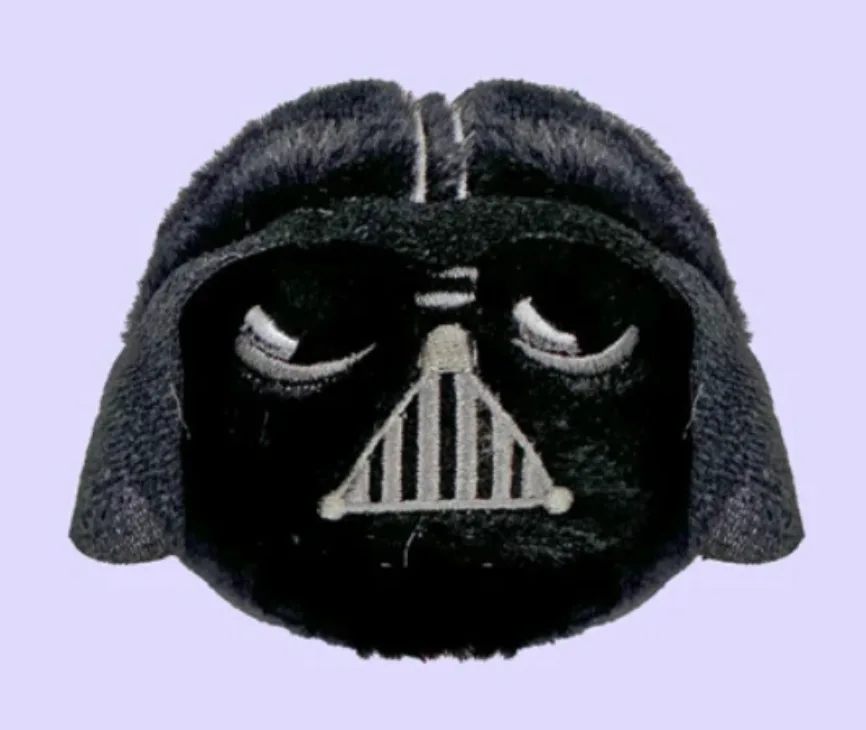
- TY Beanie Bouncers - Darth Vader: Beanie Bouncers from TY are plushie and bouncy ball rolled into one, with a 4-inch diameter and an age rating of 3+. The plush surface and bouncy core mean it should be surface cleaned with a damp cloth rather than soaked, since submerging it can affect the bounce and the filling.
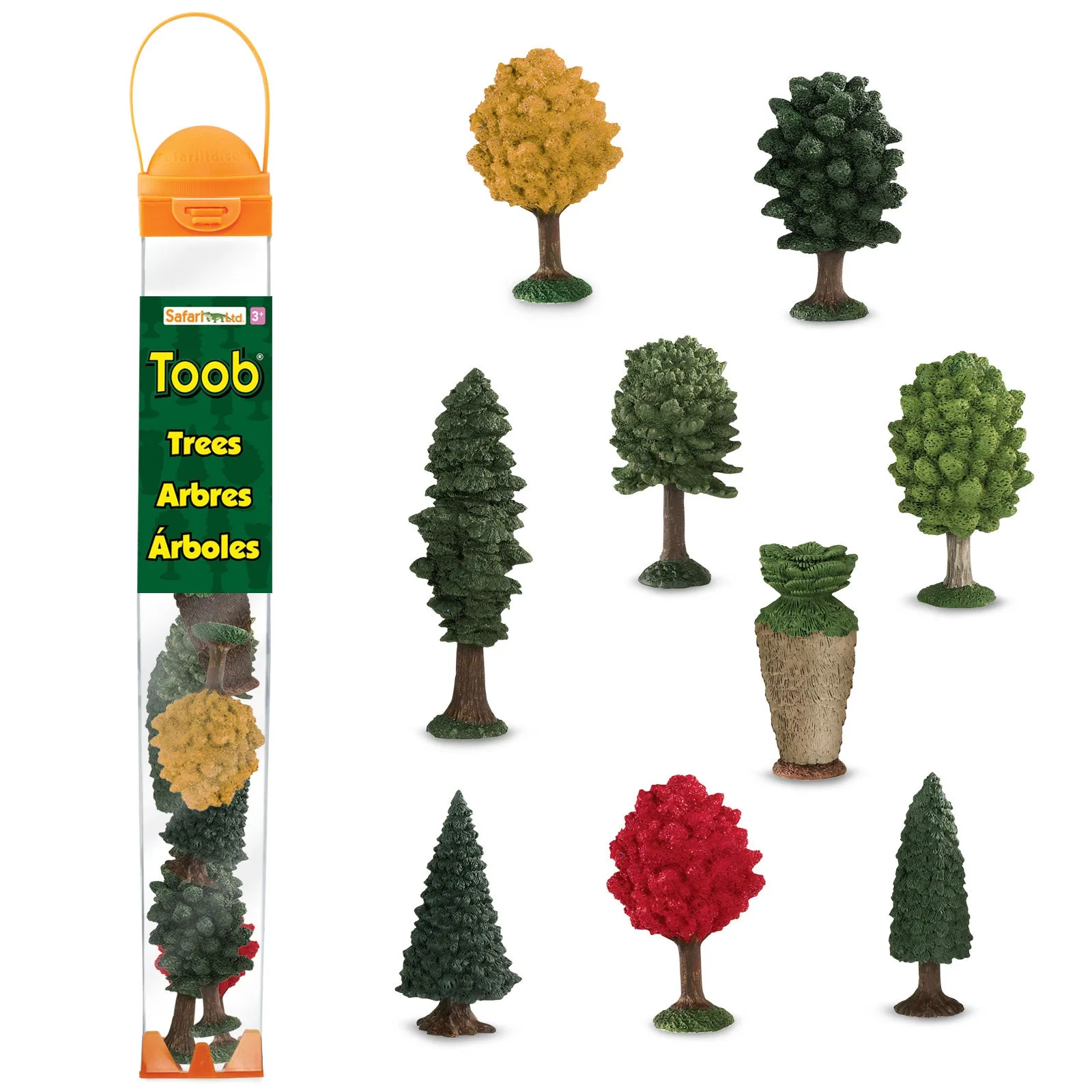
- Tree TOOB®: This TOOB set includes small figurines such as pine, elm, juniper, monkey puzzle, topiary, petticoat, aspen, and two maples. Small figurines like these are easy to wipe clean with soap and water, but they should be dried fully and stored out of reach of children who still mouth toys, since they are small parts.
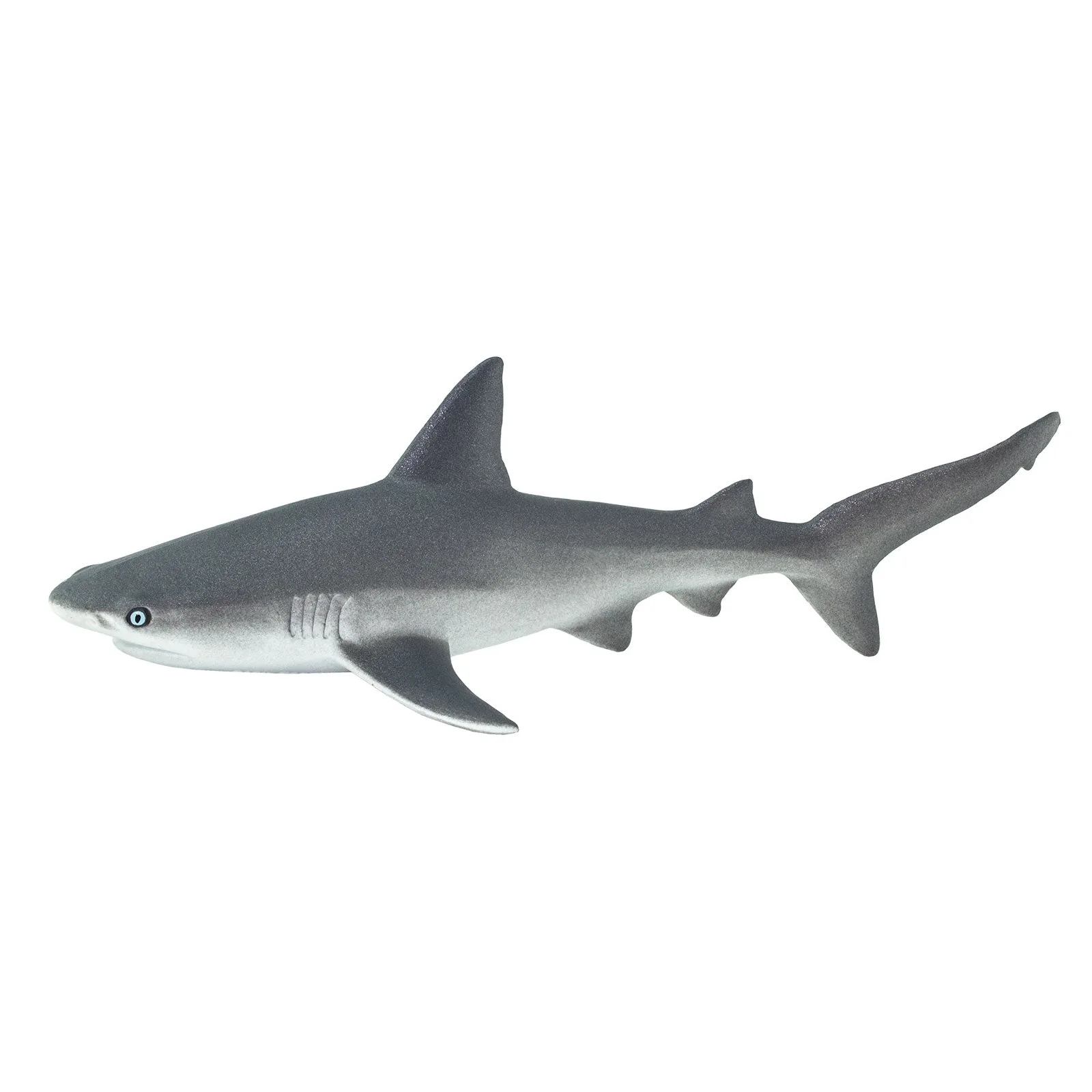
- Gray Reef Shark Toy: The gray reef shark is gray in color and frequents reefs in the Indo-Pacific region. A solid, painted figure like this can be washed in warm soapy water and air dried, making it one of the easier toy types to keep clean between play sessions.
Cleaning baby toys does not need to be complicated. Sort by material, wash with mild soap, rinse well, sanitize only when necessary, and dry completely before the next play session. A consistent routine protects your baby and keeps toys in good shape for longer.