Glass food storage boxes are a staple in many kitchens, prized for their durability, non-porous surface, and the fact that they don't absorb flavors or odors. However, even the best glass containers can develop cloudy residues, stubborn stains, or lingering smells if not cleaned properly. In this guide, we'll walk you through the best practices for cleaning and caring for your glass food storage boxes, ensuring they stay crystal clear and hygienic for years.
Whether you're using them for meal prep, storing leftovers, or packing lunches, proper maintenance is key. From everyday washing to deep-cleaning techniques, we'll cover everything you need to know. Plus, we'll share tips on how to keep the lids in top condition and avoid common pitfalls like thermal shock.
Why Glass Food Storage Boxes Need Special Care
Glass food storage boxes are more than just containers; they're an investment in your kitchen. Unlike plastic, glass doesn't warp, stain, or absorb odors, making it a healthier and more environmentally friendly choice. However, to keep them looking their best, a little extra attention is required. For instance, sudden temperature changes can cause glass to crack, so it's essential to let hot food cool before refrigerating or freezing.
Additionally, the lids—often made of plastic or silicone—require separate care to prevent warping and maintain an airtight seal. By understanding the unique needs of glass containers, you can extend their lifespan and keep them functioning perfectly.
- Always allow hot food to cool to room temperature before storing in glass containers to prevent thermal shock.
- Avoid using metal utensils inside glass containers to prevent scratches.
- Hand wash lids to preserve their elasticity and seal.
Everyday Cleaning: Step-by-Step
For daily use, a simple wash with warm, soapy water is usually sufficient. Use a non-abrasive sponge or cloth to avoid scratching the glass. Rinse thoroughly to remove any soap residue, which can leave a film. For containers with stubborn food residue, soak them in warm water with a few drops of dish soap for 10-15 minutes before washing.
If you prefer using a dishwasher, place glass containers on the top rack to minimize exposure to high heat. However, check the manufacturer's instructions, as some glass containers are not dishwasher safe. For lids, hand washing is always recommended to prevent warping from high temperatures.
- Use a soft sponge or cloth to clean glass surfaces.
- Soak containers with dried-on food in warm soapy water.
- Always air dry containers upside down on a drying rack to prevent water spots.
Removing Stubborn Stains and Odors
Even with regular cleaning, glass containers can sometimes develop cloudy stains from tomato sauce, turmeric, or coffee. To tackle these, create a paste using baking soda and water, apply it to the stained areas, and let it sit for 15-20 minutes before scrubbing gently. For tough odors, such as garlic or fish, fill the container with warm water and add a tablespoon of white vinegar. Let it soak for an hour, then wash as usual.
Another effective method is to use lemon juice. Squeeze the juice of half a lemon into the container, add warm water, and let it sit overnight. The citric acid helps break down stains and neutralize odors, leaving your glass containers fresh and clear.
- Baking soda paste works wonders on stubborn stains.
- White vinegar soak helps eliminate strong odors.
- Lemon juice is a natural deodorizer and stain remover.
Deep Cleaning and Sanitizing
Periodically, your glass food storage boxes may need a deeper clean to remove any residual film or bacteria. One effective method is to use a solution of one part white vinegar to three parts water and soak the containers for a few hours. Afterward, wash with soap and water, and rinse thoroughly. This not only sanitizes but also helps restore the glass's shine.
For a more thorough sanitization, you can also place clean glass containers in the oven at a low temperature (around 120°C) for 15-20 minutes. However, this method is only suitable for oven-safe glass containers, so always check the manufacturer's guidelines first. Alternatively, a quick rinse with boiling water can help kill germs without risking damage.
- Vinegar solution is a natural sanitizer.
- Oven sanitization is only for oven-safe glass.
- Boiling water rinse is a quick way to sterilize.
Caring for Lids and Seals
The lids of your glass food storage boxes are just as important as the containers themselves. To ensure a proper seal, clean the lids thoroughly after each use, paying attention to the rubber gasket or silicone seal where food particles can get trapped. Use a small brush or toothpick to remove any debris from the crevices.
Avoid putting lids in the dishwasher, as the high heat can cause them to warp, compromising the airtight seal. Instead, hand wash them with mild soap and warm water, then dry them completely before storing. If you notice the seal is no longer tight, it may be time to replace the lid or the entire container.
- Clean the rubber gasket carefully to prevent mold growth.
- Hand wash lids to maintain their shape.
- Check the seal regularly and replace if necessary.
Storing Glass Containers to Prevent Damage
Proper storage of your glass food storage boxes can prevent chips, cracks, and scratches. When stacking containers, place a soft cloth or paper towel between them to avoid direct contact. Store lids separately or in a way that they don't press against the glass. If you have limited space, consider nesting containers of the same size together, but always ensure they are completely dry to prevent moisture buildup.
Avoid storing glass containers in the freezer if they are not specifically designed for freezing, as extreme cold can make the glass brittle. Similarly, never place a cold glass container directly into a hot oven. Always allow it to come to room temperature first.
- Use protective layers when stacking glass containers.
- Ensure containers are dry before storing to prevent mold.
- Check if your containers are freezer-safe before freezing.
Recommended Glass Storage Products
When it comes to choosing high-quality glass food storage boxes, Westmark offers a range of options that combine durability with practical design. For instance, the Stainless steel lunch box/food storage box, divided, 280 + 2 is perfect for portion control and keeping different foods separate. Its sturdy construction ensures long-lasting use.
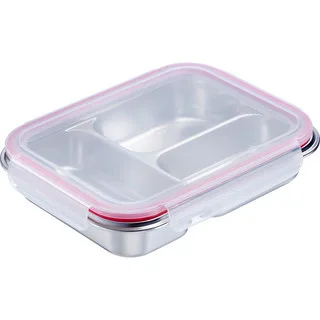
Stainless steel lunch box/food storage box, divided, 280 + 2
Another excellent choice is the Food cover, 34 x 34 cm, which is ideal for covering bowls and plates to keep food fresh. While not a storage box per se, it complements your glass storage collection by providing a flexible covering solution. Both products are designed with care and are easy to clean and maintain.
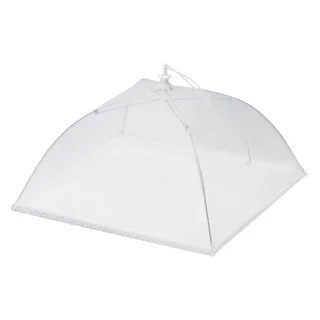
Food cover, 34 x 34 cm
- Stainless steel lunch box is perfect for meal prep.
- Food cover helps keep dishes fresh without taking up space.
Cleaning and caring for your glass food storage boxes doesn't have to be a chore. With the right techniques and a little regular maintenance, you can keep them looking like new and ensure they serve you well for years. Remember to always handle them with care, use gentle cleaning methods, and store them properly. For high-quality options that are built to last, explore Westmark's range of glass storage solutions.