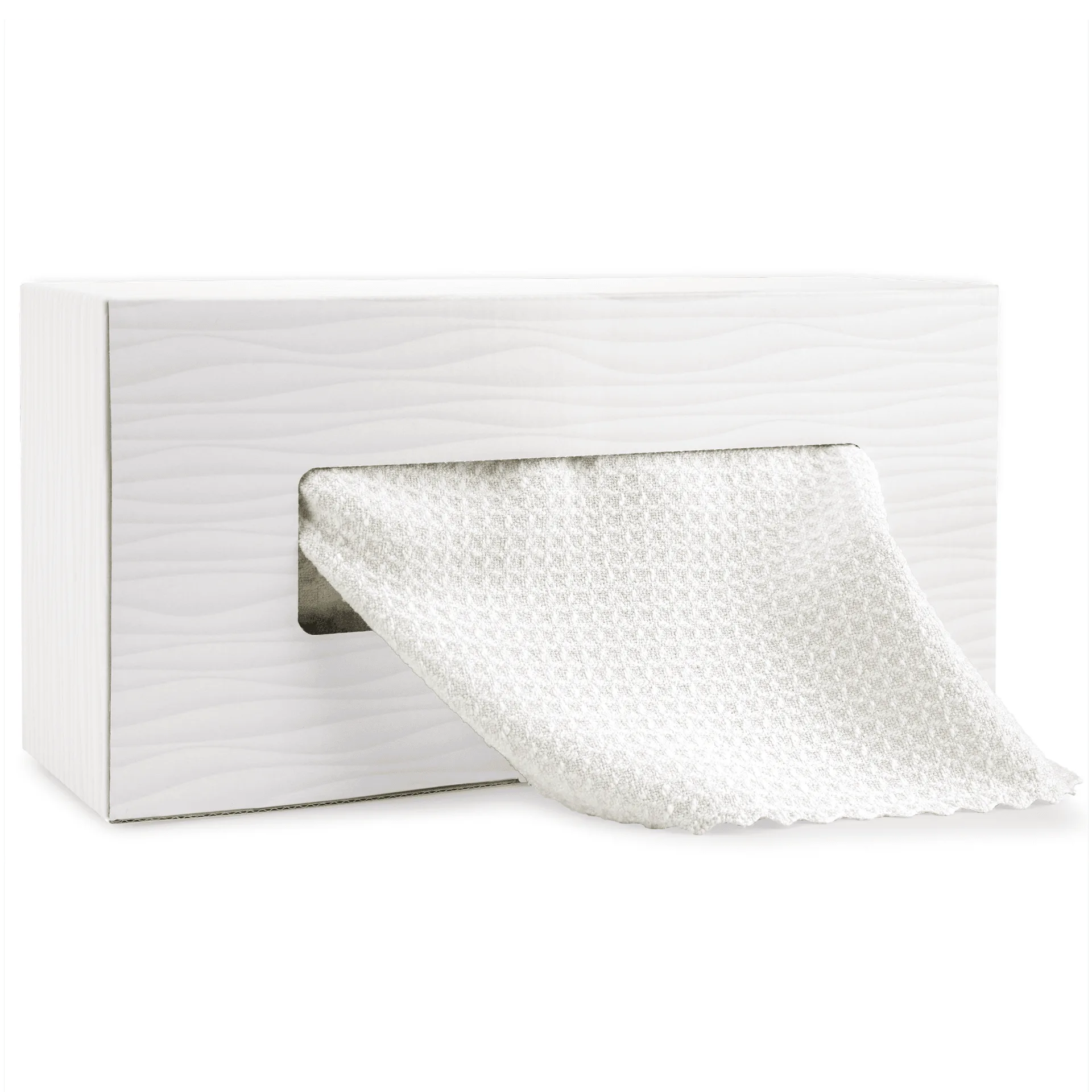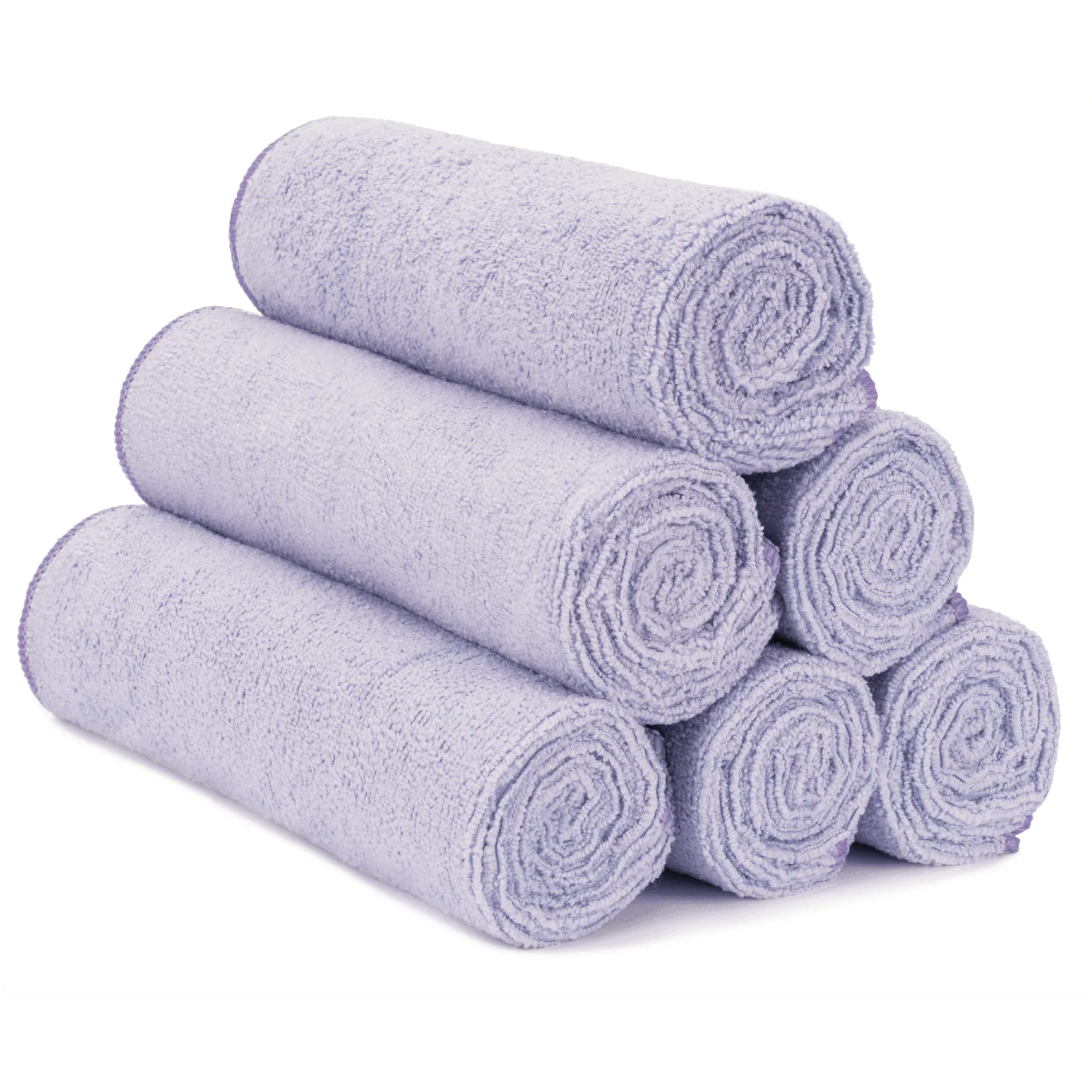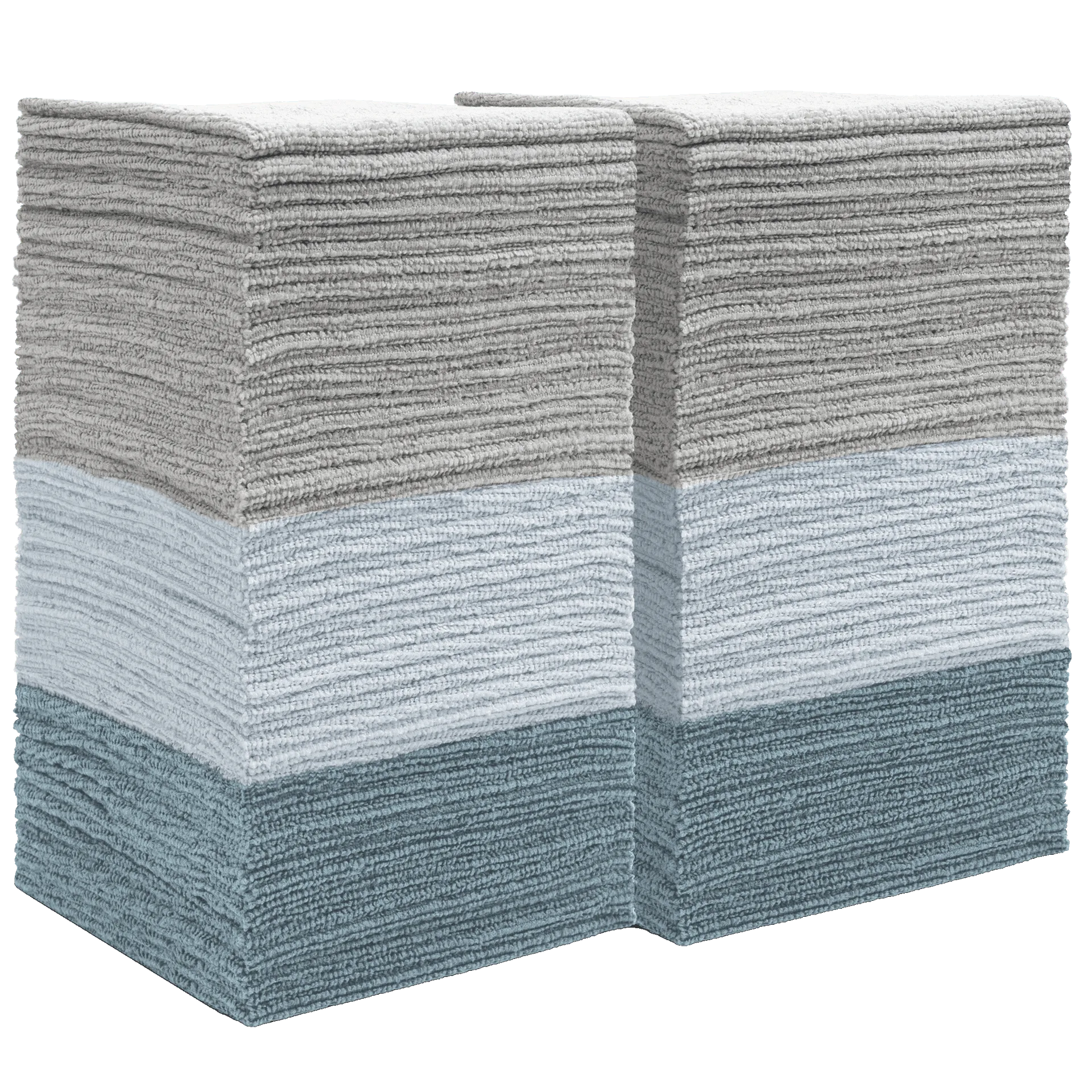
https://stproductsshop.com/products/microfiber-cleaning-cloths-75655https://stproductsshop.com/products/microfiber-cleaning-cloths-75657https://stproductsshop.com/products/microfiber-cleaning-cloths-75659https://stproductsshop.com/products/microfiber-cleaning-cloths-75660Microfiber cleaning cloths are a versatile and reusable cleaning tool, but they only work well if you care for them properly. Many people accidentally ruin their cloths by using fabric softener, heat, or harsh detergents. With a few simple habits, you can keep your microfiber cloths soft, absorbent, and lint-free for hundreds of washes.
Whether you use them for dusting, wiping counters, or car detailing, proper maintenance saves money and reduces waste. This guide covers everything you need to know about washing, drying, and storing microfiber cloths so they perform like new.
Why Microfiber Care Matters
Microfiber cloths are made of split polyester and polyamide fibers that create a static charge to attract dust and absorb liquid. Over time, oils, dirt, and detergent residue can clog these fibers, reducing their effectiveness. Proper cleaning restores the fibers' ability to trap particles and hold moisture.
Neglecting care can lead to musty odors, reduced absorbency, and premature fraying. By following a few simple steps, you can extend the life of your microfiber cleaning cloths significantly.
- Always separate microfiber from lint-producing fabrics like cotton towels.
How to Wash Microfiber Cloths
Wash microfiber cloths in warm or hot water (up to 140°F / 60°C) to break down oils and sanitize. Use a mild, liquid detergent without bleach or fabric softener. Fabric softener coats the fibers and destroys their static charge. Avoid powdered detergents, which can leave residue that clogs the fibers.
For heavily soiled cloths, pre-soak in warm water with a small amount of detergent. You can also add a splash of white vinegar to the rinse cycle to remove odors and residue. Never use bleach, as it will damage the fibers.
- Machine wash on a gentle cycle with like colors.
- Avoid washing with lint-producing items like terry cloth towels.
Drying Microfiber Cloths Correctly
Air drying is the safest method to prevent heat damage. Hang the cloths or lay them flat in a well-ventilated area. If you use a dryer, select the lowest heat setting or an air-dry cycle. High heat can melt the synthetic fibers, causing them to become stiff and less absorbent.
Do not use dryer sheets, as they leave a coating similar to fabric softener. If you notice static after drying, a small amount of vinegar in the rinse cycle can help. Once dry, store them in a clean, dry place away from direct sunlight.
- If using a dryer, remove cloths while slightly damp to reduce static.
When to Replace Your Microfiber Cloths
Even with proper care, microfiber cloths eventually wear out. Signs that it's time to replace them include frayed edges, persistent odors after washing, reduced absorbency, or a greasy feel. Depending on use and care quality, most cloths last between 100 and 200 washes.
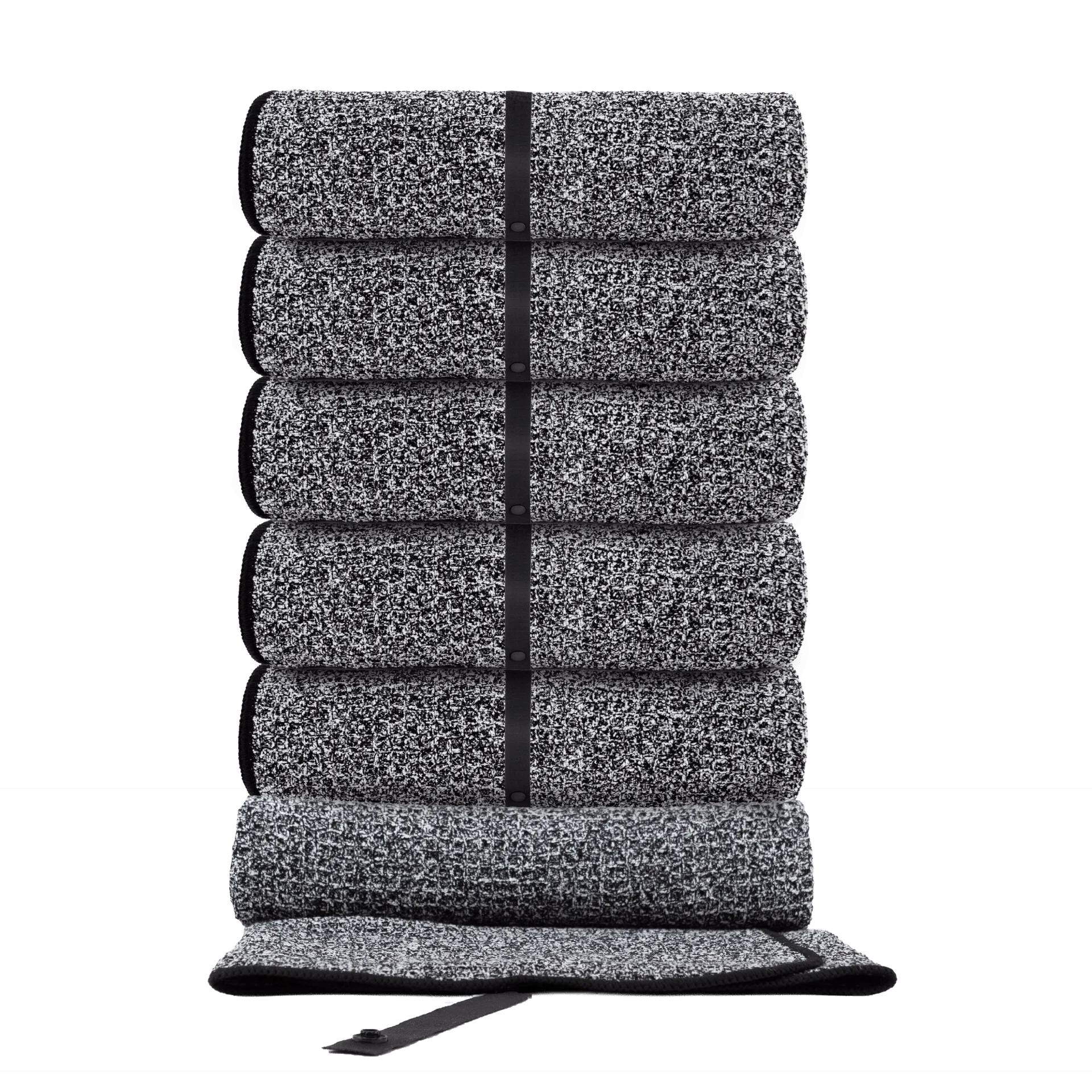
For specialized tasks, consider dedicated cloths. For example, the microfiber handkerchiefs from Aura S&T INC. are great for personal use, while microfiber honeycomb gym towels are designed for sweat-wicking during workouts. Using the right cloth for each job also extends their life.
- Rotate between multiple cloths to reduce wear on any single one.
By following these simple microfiber care tips, you can keep your cloths performing at their best for months longer. Proper washing, gentle drying, and avoiding harsh additives are the keys to microfiber cloth maintenance. With a little attention, your microfiber cleaning cloths will stay soft, absorbent, and ready for any cleaning task.