Quick answer
Wipe wooden toys with a damp cloth wrung nearly dry, using mild soap only when needed, then dry them immediately and completely. Never soak, submerge, or dishwasher-clean wooden toys, because water swells the grain and loosens glue joints. Bare, unpainted wood benefits from a thin coat of food-grade oil a few times a year; sealed or painted toys usually need nothing more than wiping.
Why wood reacts differently to water than plastic
Wood is porous, so it absorbs moisture and expands, then shrinks as it dries. Repeated wet-dry cycles stress the grain, which is how you get raised fibers, hairline cracks, and joints that loosen over time. Paint and clear finishes slow that process but do not stop it, which is why even sealed wooden blocks can look dull or chipped after a soaking.
That single fact drives every step below: keep moisture brief, keep it on the surface, and dry fast. If a toy has a battery compartment, a music box, or a fabric component, treat it as a non-washable item and clean only the wooden exterior.
What you need on hand
You do not need a cabinet of specialty products. A soft microfiber cloth, a second dry cloth, a mild dish soap or castile soap, a soft-bristle brush for crevices, and a food-grade oil such as mineral oil or fractionated coconut oil cover almost every situation. Skip abrasive scrubbers, bleach sprays, and alcohol-based disinfectants, which strip paint and dry out the grain.
For disinfection, remember that soap and water plus thorough drying removes most everyday grime. If a toy has been in contact with a sick child, check the manufacturer's guidance first rather than reaching for a harsh chemical.
Cleaning painted or sealed wooden toys
Mix a couple of drops of mild soap into a bowl of warm water. Dip the cloth, wring it out until it is barely damp, and wipe the surface in the direction of the grain. Rinse the cloth in clean water, wring it again, and wipe once more to lift soap residue.
Dry immediately with a separate cloth, then let the toy air-dry in a well-ventilated spot for at least an hour before it goes back in the toy box. If you see paint flaking at an edge, stop wiping that area and switch to a dry cloth only.
Cleaning bare, unfinished wood
Unfinished wood is the most absorbent, so use the least water possible. A dry soft brush handles dust and crumbs; a lightly damp cloth handles sticky spots. Avoid soap on bare wood when you can, since residue can darken the surface.
Once the toy is completely dry, you can refresh it with a thin coat of food-grade oil. Apply a few drops to a cloth, rub it into the grain, let it sit for about 15 minutes, then buff off the excess. More oil is not better: a heavy coat stays tacky and attracts dust.
Drying and storage habits that prevent damage
Never stack damp wooden toys or leave them on a radiator, in direct sun, or in front of a heater. Fast heat dries the outside of the wood before the inside, which is a common cause of warping and cracking. Air-dry at room temperature with space between pieces.
For storage, keep wooden toys indoors in a dry room away from damp basements and steamy bathrooms. A breathable cotton bag or an open bin is better than a sealed plastic container, which can trap residual moisture. If you live in a very dry climate, a light oiling once or twice a year helps keep the grain from drying out.
When to stop cleaning and inspect instead
Some damage is not a cleaning problem. If a joint wobbles, a painted edge has chipped down to bare wood, or a small part has come loose, cleaning will not fix it and may make it worse. Set the toy aside for repair or retirement, especially for children who still mouth toys.
This is also where mixed-material toys need a judgment call. A wooden figure with a fabric tail, a plush insert, or an electronic sound unit cannot be treated like a plain block, and the safest option is often surface-wiping the wood and spot-cleaning the rest according to its own material.
The five-step wooden toy cleaning routine
- 1. Clear the surface first: Brush off dust, sand, and crumbs with a dry soft cloth or brush before any water touches the toy. Common mistake: wiping a gritty toy with a damp cloth, which grinds particles into the finish and scratches it. Checkpoint: the toy should feel smooth, not gritty, before you add moisture.
- 2. Wipe with a barely damp cloth: Use warm water with a drop or two of mild soap, wring the cloth until it stops dripping, and wipe along the grain. Common mistake: leaving the cloth wet enough to leave visible water in the grain or in drilled holes. Checkpoint: no standing water should be visible anywhere on the toy.
- 3. Dry immediately and completely: Follow with a dry cloth, then air-dry in a single layer at room temperature. Common mistake: putting toys away while still cool or damp, or speeding things up on a radiator. Checkpoint: joints and recessed areas are dry to the touch before storage.
- 4. Oil bare wood only when it looks dry: Apply a thin coat of food-grade oil to unfinished wood, wait about 15 minutes, then buff off the excess. Common mistake: oiling painted or sealed toys, which leaves a sticky film that collects dust. Checkpoint: the surface feels dry and smooth, not tacky, after buffing.
- 5. Store dry and breathable: Keep wooden toys in a dry indoor spot in a cotton bag or open bin, away from damp rooms and direct heat. Common mistake: sealing slightly damp toys in a plastic tub, which traps moisture and encourages mold and warping. Next step: do a quick monthly check for loose joints, chipped paint, and rough grain.
What this looks like across real toys
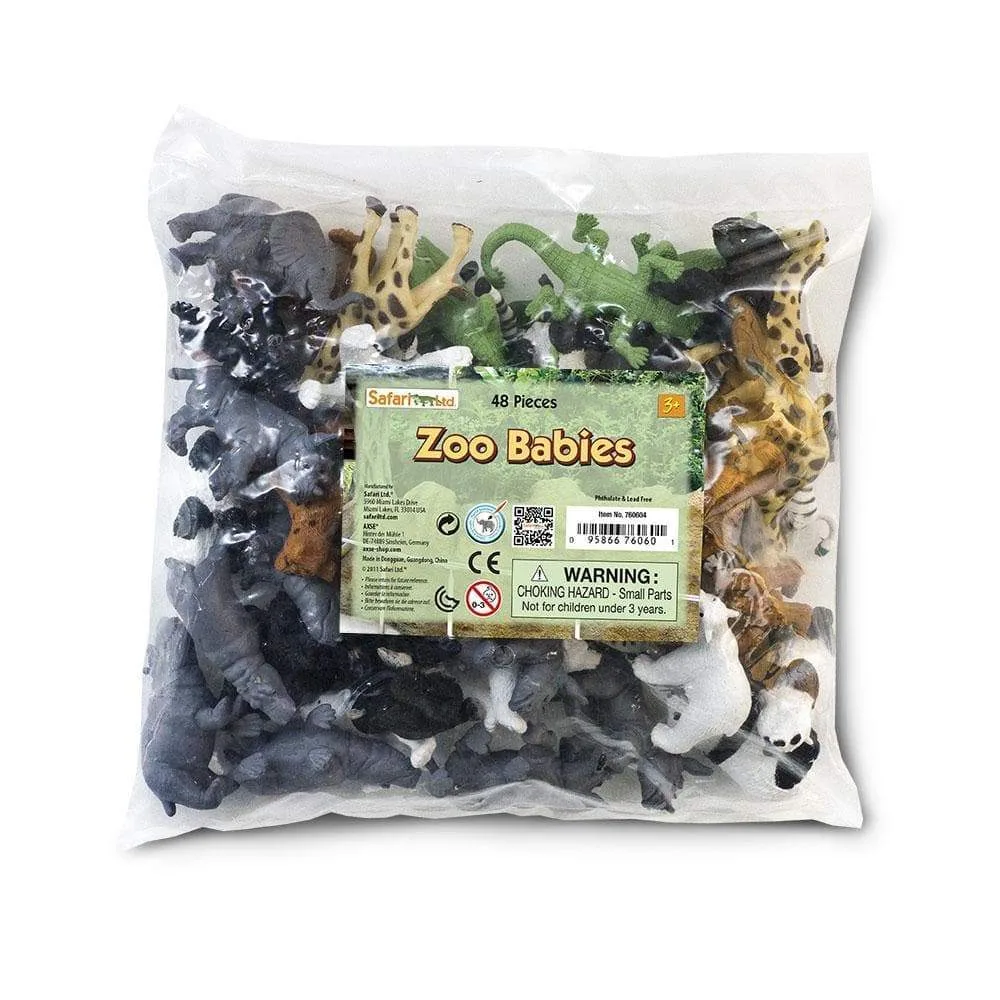
- Zoo Babies Bulk Bag: The Zoo Babies Bulk Bag is a 48-piece set of small animal figures. A large set means many small pieces to dry and store; spread them out in a single layer after wiping rather than dumping them back in the bag damp.
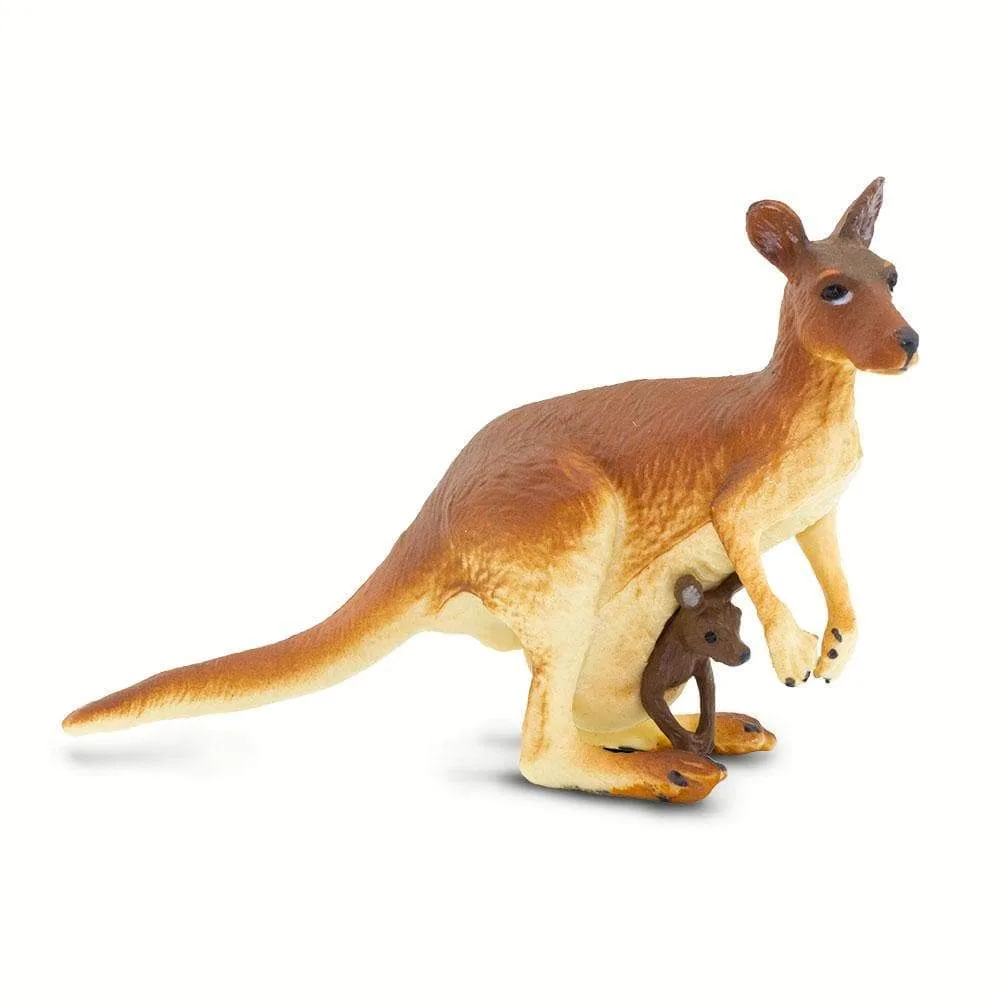
- Kangaroo with Baby Toy: The Kangaroo with Baby Toy is a small wildlife figure, and joeys may stay in the mother's pouch for up to 200 days. Small figures with fine detail and recessed areas need a soft brush rather than a soaking, since water can sit in crevices and loosen paint.