A pizza peel is the unsung hero of a great homemade pizza. It slides your creation into a blazing oven and retrieves it perfectly golden. But over time, flour, cheese, and heat can leave your aluminium peel looking tired and working less smoothly. Proper care not only extends its life but also keeps your pizzas gliding effortlessly.
In this guide, you’ll learn how to clean your aluminium pizza peel, remove stubborn stains, prevent rust, and maintain its surface so it performs like new. We’ll also share smart tools from your kitchen that make the job easier.
Why Aluminium Needs Special Care
Aluminium is lightweight and conducts heat beautifully, which is why many peels are made from it. However, it’s softer than stainless steel and can react with acidic foods and harsh cleaners. Using the wrong cleaning method can scratch the surface, dull its shine, or even cause pitting.
The good news? With a few simple habits, you can keep your peel in top shape. The key is to avoid abrasive scrubbers and strong chemical cleaners. Instead, opt for gentle tools and natural solutions that protect the metal while removing residue.
- Always hand wash your aluminium peel; dishwashers can cause discoloration and warping.
- Dry it immediately after washing to prevent water spots and corrosion.
- Use wooden or silicone utensils to avoid scratching the surface.
Step-by-Step Cleaning Routine
Start by removing loose flour and debris with a soft brush or a dry cloth. For stuck-on bits, soak the peel in warm water with a few drops of mild dish soap for 10–15 minutes. This loosens residue without harsh scrubbing.
After soaking, use a non-abrasive sponge or a soft cloth to gently wipe the surface. For stubborn spots, make a paste of baking soda and water and apply it with a soft cloth. Rinse thoroughly and dry with a microfiber towel to avoid streaks.
- Use a dedicated soft sponge for aluminium to avoid cross-contamination with abrasive cleaners.
- For burnt-on residue, let the peel soak longer—up to 30 minutes—before wiping.
- Avoid steel wool or metal scrapers at all costs.
Removing Stains and Discoloration
Over time, aluminium can develop dark stains from minerals in water or from contact with acidic ingredients like tomatoes. These stains are usually harmless but can be unsightly. To remove them, create a solution of equal parts water and white vinegar, and wipe the surface with a soft cloth.
For deeper discoloration, sprinkle cream of tartar on the stain, add a little water to make a paste, and rub gently. Rinse and dry. This method is gentle yet effective, and it’s a trick many professional chefs use.
- Test any cleaning solution on a small area first.
- Never use chlorine bleach on aluminium—it causes rapid corrosion.
- If stains persist, repeat the process or consult the manufacturer’s care instructions.
Preventing Rust and Corrosion
Aluminium doesn’t rust like iron, but it can corrode if exposed to moisture and salt for long periods. To prevent this, always dry your peel thoroughly after washing. Store it in a dry place, and if you live in a humid climate, consider wrapping it in a soft cloth.
Avoid leaving acidic foods on the peel for extended times. After using it with tomato sauce or citrus, rinse and dry immediately. A light coat of food-safe mineral oil on the surface can also add a protective layer, but wipe off any excess before use.
- Keep your peel away from direct heat sources when not in use.
- If you notice any pitting or corrosion, stop using the peel and consider replacing it.
- Never put a wet peel in a drawer—this invites moisture problems.
Tools That Make Cleaning Easier
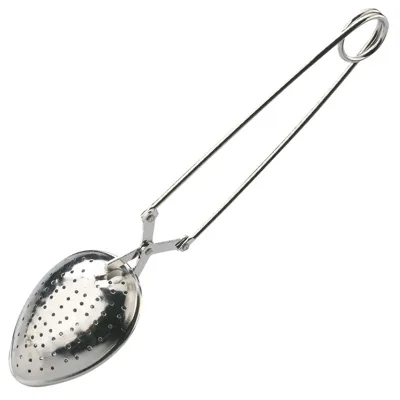
While you focus on your peel, don’t forget the tools that help you cook. For example, a Brewing spoon »Teatime« is perfect for stirring sauces without scratching your pans, and its wooden handle is gentle on cookware. Similarly, a Serving tongs »Comfort Silicone Maxi«, 34 cm lets you handle hot food without damaging surfaces, keeping your kitchen tools in harmony with your peel.
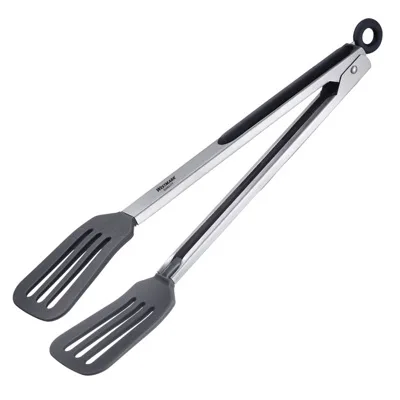
Serving tongs »Comfort Silicone Maxi«, 34 cm
Using the right tools not only protects your peel but also enhances your cooking experience. Silicone and wood are your best friends when it comes to aluminium care.
- Invest in silicone or wooden utensils to avoid scratching.
- Keep a dedicated soft cloth for drying your peel.
- Use a gentle dish soap that doesn’t contain citrus or bleach.
With these simple care tips, your aluminium pizza peel will stay smooth, shiny, and ready for action. Remember to hand wash, dry immediately, and avoid harsh abrasives. For more helpful kitchen tools that make cooking and cleaning easier, explore our selection and find your next favorite companion.